
-
×
 Hedge Funds for Dummies
1 × $6.00
Hedge Funds for Dummies
1 × $6.00 -
×
 DFX Scalping Strategy Course with Disciplined FX
1 × $23.00
DFX Scalping Strategy Course with Disciplined FX
1 × $23.00 -
×
 FasTrack Premium with Note Conference
1 × $78.00
FasTrack Premium with Note Conference
1 × $78.00 -
×
 Forecasting Profits Using Price & Time with Ed Gately
1 × $6.00
Forecasting Profits Using Price & Time with Ed Gately
1 × $6.00 -
×
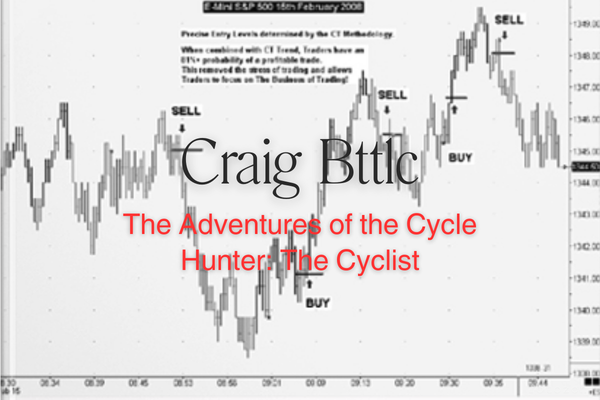 The Adventures of the Cycle Hunter. The Cyclist with Craig Bttlc
1 × $6.00
The Adventures of the Cycle Hunter. The Cyclist with Craig Bttlc
1 × $6.00 -
×
 Traders Classroom Collection Volume 1-4 with Jeffrey Kennedy
1 × $15.00
Traders Classroom Collection Volume 1-4 with Jeffrey Kennedy
1 × $15.00 -
×
 Gann Masters II with Hallikers Inc
1 × $6.00
Gann Masters II with Hallikers Inc
1 × $6.00 -
×
 The Precision Profit Float Indicator (TS Code & Setups) with Steve Woods
1 × $6.00
The Precision Profit Float Indicator (TS Code & Setups) with Steve Woods
1 × $6.00 -
×
 Forex Trading Plan - Learn How To Set SMART Trading Goals! with Anas Abba & FXMindTrix Academy
1 × $6.00
Forex Trading Plan - Learn How To Set SMART Trading Goals! with Anas Abba & FXMindTrix Academy
1 × $6.00 -
×
 Fibsdontlie - Fibs Don’t Lie Advanced Course
1 × $15.00
Fibsdontlie - Fibs Don’t Lie Advanced Course
1 × $15.00 -
×
 Complete Price Action, Volume Profile and Orderflow Trading Bundle with Price Action Volume Trader
1 × $78.00
Complete Price Action, Volume Profile and Orderflow Trading Bundle with Price Action Volume Trader
1 × $78.00 -
×
 A+ Setups Big Caps Options with Jtrader
1 × $6.00
A+ Setups Big Caps Options with Jtrader
1 × $6.00 -
×
 Finding Alpha: The Search for Alpha When Risk and Return Break Down with Eric Falkenstein
1 × $6.00
Finding Alpha: The Search for Alpha When Risk and Return Break Down with Eric Falkenstein
1 × $6.00 -
×
 Stock Cycles with Michael Alexander
1 × $6.00
Stock Cycles with Michael Alexander
1 × $6.00 -
×
 Complete Day Trading Course with The Trading Floor
1 × $13.00
Complete Day Trading Course with The Trading Floor
1 × $13.00 -
×
 Investment Leadership & Portfolio Management with Brian Singer
1 × $6.00
Investment Leadership & Portfolio Management with Brian Singer
1 × $6.00 -
×
 Stock Trading Simplified - 3 DVD + PDF Workbook with John Person
1 × $6.00
Stock Trading Simplified - 3 DVD + PDF Workbook with John Person
1 × $6.00 -
×
 Capital with Charles D.Ellis
1 × $6.00
Capital with Charles D.Ellis
1 × $6.00 -
×
 Stock Market Wizards Interviews with America’s Top Stock Traders - Jack Schwager
1 × $6.00
Stock Market Wizards Interviews with America’s Top Stock Traders - Jack Schwager
1 × $6.00 -
×
 Options Bootcamp with Sid Woolfolk
1 × $6.00
Options Bootcamp with Sid Woolfolk
1 × $6.00 -
×
 ICT Prodigy Trading Course – $650K in Payouts with Alex Solignani
1 × $15.00
ICT Prodigy Trading Course – $650K in Payouts with Alex Solignani
1 × $15.00 -
×
 Investment Strategies for the 21th Century with Frank Amstrong
1 × $6.00
Investment Strategies for the 21th Century with Frank Amstrong
1 × $6.00 -
×
 How I Turned 500 USD to 6 Figures in 2 months Trading Options with The Money Printers
1 × $8.00
How I Turned 500 USD to 6 Figures in 2 months Trading Options with The Money Printers
1 × $8.00 -
×
 Market Tide indicator with Alphashark
1 × $54.00
Market Tide indicator with Alphashark
1 × $54.00 -
×
 Gap Trading for Stock and Options Traders with Damon Verial
1 × $6.00
Gap Trading for Stock and Options Traders with Damon Verial
1 × $6.00 -
×
 Options 201: Vertical and Calendar Spread Essentials 5 Part Class with Don Kaufman On Demand Replay
1 × $6.00
Options 201: Vertical and Calendar Spread Essentials 5 Part Class with Don Kaufman On Demand Replay
1 × $6.00 -
×
 Pring on Price Patterns with Martin Pring
1 × $6.00
Pring on Price Patterns with Martin Pring
1 × $6.00 -
×
 The Hindenburg Strategy with Todd Mitchell
1 × $23.00
The Hindenburg Strategy with Todd Mitchell
1 × $23.00 -
×
 Profit.ly - Bitcoin Basics
1 × $6.00
Profit.ly - Bitcoin Basics
1 × $6.00 -
×
 Trade with a Day Job USA v2010 with Markets Mastered
1 × $6.00
Trade with a Day Job USA v2010 with Markets Mastered
1 × $6.00 -
×
 THE ART OF ADJUSTING IN 2017
1 × $6.00
THE ART OF ADJUSTING IN 2017
1 × $6.00 -
×
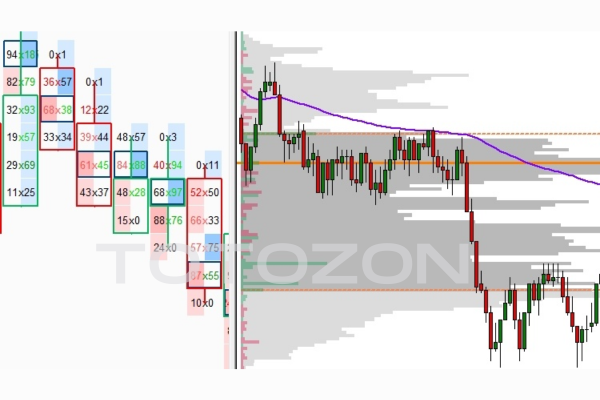 Day Trading with Volume Profile and Orderflow - Price Action Volume Trader
1 × $6.00
Day Trading with Volume Profile and Orderflow - Price Action Volume Trader
1 × $6.00 -
×
 Mastertrader – Mastering Swing Trading
1 × $31.00
Mastertrader – Mastering Swing Trading
1 × $31.00 -
×
 Activedaytrader - Workshop: Practical Money Management
1 × $23.00
Activedaytrader - Workshop: Practical Money Management
1 × $23.00 -
×
 How to Profit in Gold with Jonathan Spall
1 × $6.00
How to Profit in Gold with Jonathan Spall
1 × $6.00 -
×
 How to Build Fortune. Trading Stock Index Futures with Dennis Minogue
1 × $6.00
How to Build Fortune. Trading Stock Index Futures with Dennis Minogue
1 × $6.00 -
×
 The Global Money Markets with Frank Fabozzi, Steven Mann & Moorad Choudhry
1 × $6.00
The Global Money Markets with Frank Fabozzi, Steven Mann & Moorad Choudhry
1 × $6.00 -
×
 Capital Flows and Crises with Barry Eichengreen
1 × $6.00
Capital Flows and Crises with Barry Eichengreen
1 × $6.00 -
×
 SE ELITE COURSE with SE TRADINGX
1 × $5.00
SE ELITE COURSE with SE TRADINGX
1 × $5.00 -
×
 Range Trading with D.Singleton
1 × $6.00
Range Trading with D.Singleton
1 × $6.00 -
×
 How to be a Sector Investor with Larry Hungerford & Steve Hungerford
1 × $4.00
How to be a Sector Investor with Larry Hungerford & Steve Hungerford
1 × $4.00 -
×
 The Orderflow Masterclass with PrimeTrading
1 × $17.00
The Orderflow Masterclass with PrimeTrading
1 × $17.00
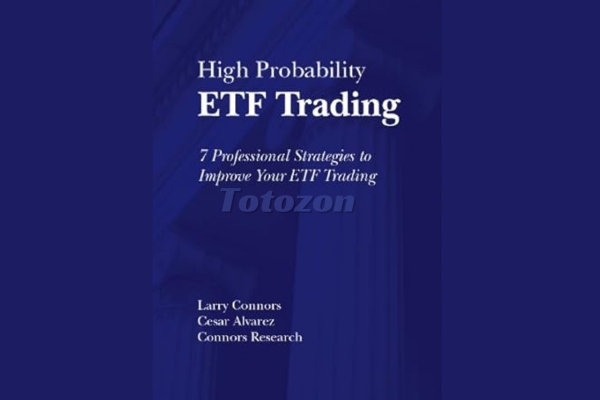
High Probability ETF Trading: 7 Professional Strategies To Improve Your ETF Trading with Larry Connors
$6.00
File Size: Coming soon!
Delivery Time: 1–12 hours
Media Type: Online Course
Content Proof: Watch Here!
You may check content proof of “High Probability ETF Trading: 7 Professional Strategies To Improve Your ETF Trading with Larry Connors” below:

High Probability ETF Trading: 7 Professional Strategies To Improve Your ETF Trading with Larry Connors
Exchange-Traded Funds (ETFs) have become a popular investment vehicle for traders seeking diversification and liquidity. To succeed in this dynamic market, you need reliable strategies. In this article, we’ll explore High Probability ETF Trading: 7 Professional Strategies To Improve Your ETF Trading with Larry Connors. Larry Connors, a veteran in the trading community, offers insights that can significantly enhance your ETF trading approach.
Introduction to ETF Trading
What Are ETFs?
ETFs are investment funds that are traded on stock exchanges, much like stocks. They hold assets such as stocks, commodities, or bonds and generally operate with an arbitrage mechanism designed to keep trading close to its net asset value.
Why Trade ETFs?
ETFs offer several benefits, including diversification, lower costs, and flexibility. They are ideal for both beginner and experienced traders looking to broaden their investment portfolio.
Strategy 1: RSI Overbought/Oversold
Understanding RSI
The Relative Strength Index (RSI) is a momentum oscillator that measures the speed and change of price movements. It ranges from 0 to 100, with readings above 70 indicating overbought conditions and below 30 indicating oversold conditions.
Implementing RSI in ETF Trading
Connors suggests using RSI to identify overbought and oversold conditions in ETFs. When the RSI drops below 30, consider it a buying opportunity, and when it rises above 70, it may be time to sell.
Strategy 2: The 2-Period RSI Pullback
Why 2-Period RSI?
The 2-period RSI is a shorter-term indicator that provides more frequent signals. It’s particularly effective for capturing short-term price movements.
How to Use It
Buy when the 2-period RSI drops below 10 and sell when it rises above 90. This strategy helps capture quick, profitable trades within a short time frame.
Strategy 3: Mean Reversion
Concept of Mean Reversion
Mean reversion is based on the idea that prices and returns eventually move back towards the mean or average.
Applying Mean Reversion in ETFs
Identify ETFs that have deviated significantly from their historical average prices. Connors recommends buying when an ETF is significantly below its mean and selling when it’s above.
Strategy 4: Trend Following
What is Trend Following?
Trend following involves buying assets that have been rising and selling those that have been falling. It’s a momentum-based strategy.
Implementing Trend Following
Use moving averages to identify trends. For example, buy when the ETF’s price is above its 200-day moving average and sell when it falls below.
Strategy 5: The ConnorsRSI Strategy
What is ConnorsRSI?
ConnorsRSI is a composite indicator combining three different components: the RSI, the duration of the up/down streak, and the magnitude of the price change.
Using ConnorsRSI
This strategy helps identify short-term mean reversion opportunities. Buy when ConnorsRSI is low (e.g., below 20) and sell when it’s high (e.g., above 80).
Strategy 6: Pair Trading
Understanding Pair Trading
Pair trading involves trading two correlated securities simultaneously, one long and one short. The idea is to profit from the relative performance between the two.
Executing Pair Trades with ETFs
Identify pairs of ETFs that typically move together. For instance, if one ETF is underperforming its pair, consider going long on the underperforming ETF and short on the outperforming one.
Strategy 7: Volatility-Based Trading
What is Volatility?
Volatility refers to the degree of variation of a trading price series over time. High volatility indicates large price movements, while low volatility indicates smaller movements.
Trading Based on Volatility
Use indicators like the VIX to gauge market volatility. Connors suggests trading ETFs that respond well to volatility signals. For example, buy volatility-sensitive ETFs when the VIX spikes and sell when it drops.
Advantages of Connors’ ETF Trading Strategies
High Probability Setups
Each strategy is designed based on historical data and statistical analysis, providing high-probability trading setups.
Diverse Approaches
From mean reversion to trend following, these strategies offer diverse approaches to suit different market conditions and trading styles.
Automation Friendly
Many of these strategies can be automated using trading platforms like TradeStation, ensuring consistent execution and minimizing human error.
Challenges and Considerations
Market Conditions
No strategy is foolproof. Market conditions can change rapidly, affecting the performance of these strategies. Stay informed and be prepared to adapt.
Emotional Discipline
Successful trading requires emotional discipline. Stick to the strategy rules and avoid making impulsive decisions based on emotions.
Continuous Learning
The market is constantly evolving. Continuously educate yourself and refine your strategies to stay ahead.
Conclusion
High Probability ETF Trading with Larry Connors offers a structured and effective approach to trading ETFs. By implementing these seven professional strategies, you can improve your trading performance and achieve greater success in the markets.
FAQs
1. What is the main advantage of using RSI in ETF trading?
RSI helps identify overbought and oversold conditions, providing timely entry and exit signals for trades.
2. How does mean reversion benefit ETF traders?
Mean reversion allows traders to capitalize on ETFs that have deviated significantly from their historical averages, profiting from their eventual return to the mean.
3. Can beginners use these strategies effectively?
Yes, but it requires a willingness to learn and practice. Starting with a simulated account can help beginners gain confidence.
4. What are the risks associated with pair trading?
Pair trading risks include correlation breakdowns and execution challenges. Proper analysis and risk management are crucial.
5. How can I stay disciplined in my trading approach?
Stick to your trading plan, avoid impulsive decisions, and continuously educate yourself to stay disciplined.
Be the first to review “High Probability ETF Trading: 7 Professional Strategies To Improve Your ETF Trading with Larry Connors”
You must be logged in to post a review.
Related products

Original price was: $197.00.$5.00Current price is: $5.00.

Original price was: $139.00.$23.00Current price is: $23.00.

Original price was: $649.00.$20.00Current price is: $20.00.

Forex Trading
Quantamentals – The Next Great Forefront Of Trading and Investing with Trading Markets
Original price was: $1,495.00.$8.00Current price is: $8.00.

Original price was: $695.00.$41.00Current price is: $41.00.

Original price was: $497.00.$11.00Current price is: $11.00.

Forex Trading
Original price was: $500.00.$5.00Current price is: $5.00.

Forex Trading
Original price was: $797.00.$10.00Current price is: $10.00.

Forex Trading
Original price was: $550.00.$5.00Current price is: $5.00.

Original price was: $999.00.$5.00Current price is: $5.00.

Forex Trading
Original price was: $2,997.00.$23.00Current price is: $23.00.

Forex Trading
Original price was: $4,997.00.$27.00Current price is: $27.00.

Forex Trading
Original price was: $850.00.$23.00Current price is: $23.00.

Forex Trading
Original price was: $499.00.$15.00Current price is: $15.00.
Forex Trading
Original price was: $125.00.$17.00Current price is: $17.00.

Forex Trading
Original price was: $999.00.$15.00Current price is: $15.00.

Original price was: $4,995.00.$15.00Current price is: $15.00.

Original price was: $497.00.$31.00Current price is: $31.00.

Original price was: $299.00.$8.00Current price is: $8.00.

Forex Trading
The Complete Guide to Multiple Time Frame Analysis & Reading Price Action with Aiman Almansoori
Original price was: $1,399.00.$13.00Current price is: $13.00.
Reviews
There are no reviews yet.