
-
×
 Advanced Spread Trading with Guy Bower - MasterClass Trader
1 × $15.00
Advanced Spread Trading with Guy Bower - MasterClass Trader
1 × $15.00 -
×
 Investment Madness with John Nofsinger
1 × $6.00
Investment Madness with John Nofsinger
1 × $6.00 -
×
 Advent Forex Course with Cecil Robles
1 × $6.00
Advent Forex Course with Cecil Robles
1 × $6.00 -
×
 How to Pick Hot Reverse Merger Penny Stocks with John Lux
1 × $5.00
How to Pick Hot Reverse Merger Penny Stocks with John Lux
1 × $5.00 -
×
 Hedges on Hedge Funds: How to Successfully Analyze and Select an Investment with James Hedges
1 × $6.00
Hedges on Hedge Funds: How to Successfully Analyze and Select an Investment with James Hedges
1 × $6.00 -
×
 The Mathematics of Money Management. Risk Analysis Techniques for Traders
1 × $6.00
The Mathematics of Money Management. Risk Analysis Techniques for Traders
1 × $6.00 -
×
 Forecast 2024 Clarification with Larry Williams
1 × $15.00
Forecast 2024 Clarification with Larry Williams
1 × $15.00 -
×
 Trading Calendar Spreads with Option Pit
1 × $39.00
Trading Calendar Spreads with Option Pit
1 × $39.00 -
×
 Sacredscience - Sepharial Arcana – Rubber
1 × $6.00
Sacredscience - Sepharial Arcana – Rubber
1 × $6.00 -
×
 The Orderflow Masterclass with PrimeTrading
1 × $17.00
The Orderflow Masterclass with PrimeTrading
1 × $17.00 -
×
 Learn To Day-Trade the E-Mini S&P 500. Simple-as-123 with Marshall Jones
1 × $6.00
Learn To Day-Trade the E-Mini S&P 500. Simple-as-123 with Marshall Jones
1 × $6.00 -
×
 How To Write High Converting Copy with Tej Dosa
1 × $6.00
How To Write High Converting Copy with Tej Dosa
1 × $6.00 -
×
 Master Moving Averages - Profit Multiplying Techniques with Nick Santiago - InTheMoneyStocks
1 × $54.00
Master Moving Averages - Profit Multiplying Techniques with Nick Santiago - InTheMoneyStocks
1 × $54.00 -
×
 David Weis Stock Market Update Nightly Report 2014-2019
1 × $20.00
David Weis Stock Market Update Nightly Report 2014-2019
1 × $20.00 -
×
 CarterFX Membership with Duran Carter
1 × $23.00
CarterFX Membership with Duran Carter
1 × $23.00 -
×
 Trading with MORE Special Set-ups - Recorded Webinar
1 × $15.00
Trading with MORE Special Set-ups - Recorded Webinar
1 × $15.00 -
×
 Naked Trading Part 1 with Base Camp Trading
1 × $6.00
Naked Trading Part 1 with Base Camp Trading
1 × $6.00 -
×
 Rich in America: Secrets to Creating and Preserving Wealth with Jeffrey Maurer
1 × $6.00
Rich in America: Secrets to Creating and Preserving Wealth with Jeffrey Maurer
1 × $6.00 -
×
 A Complete Guide to Technical Trading Tactics with John Person
1 × $6.00
A Complete Guide to Technical Trading Tactics with John Person
1 × $6.00 -
×
 Fibonacci Ratios with Pattern Recognition - Larry Pesavento & Steven Shapiro
1 × $6.00
Fibonacci Ratios with Pattern Recognition - Larry Pesavento & Steven Shapiro
1 × $6.00 -
×
 Learn To Profit From The Forex Market with FX Hustle
1 × $6.00
Learn To Profit From The Forex Market with FX Hustle
1 × $6.00 -
×
 Commodity Futures Traders Club (CTCN) Issues 01 – 77
1 × $6.00
Commodity Futures Traders Club (CTCN) Issues 01 – 77
1 × $6.00 -
×
 The Orderflows Trade Opportunities Encyclopedia with Michael Valtos
1 × $8.00
The Orderflows Trade Opportunities Encyclopedia with Michael Valtos
1 × $8.00 -
×
 Trading Dave Landry’s Ultimate Bow Ties Strategy with Dave Landry
1 × $6.00
Trading Dave Landry’s Ultimate Bow Ties Strategy with Dave Landry
1 × $6.00 -
×
 Lepus Proprietary Trading with Richard Jackson
1 × $6.00
Lepus Proprietary Trading with Richard Jackson
1 × $6.00 -
×
 Advanced Management Strategies - Home Study with Pristine Capital
1 × $27.00
Advanced Management Strategies - Home Study with Pristine Capital
1 × $27.00 -
×
 Technical Analysis By JC Parets - Investopedia Academy
1 × $15.00
Technical Analysis By JC Parets - Investopedia Academy
1 × $15.00 -
×
 The Best Option Trading Course with David Jaffee - Best Stock Strategy
1 × $15.00
The Best Option Trading Course with David Jaffee - Best Stock Strategy
1 × $15.00 -
×
 Cash In On Chaos with Hans Hannula
1 × $6.00
Cash In On Chaos with Hans Hannula
1 × $6.00 -
×
 Beyond Fibonacci Retracements with Dynamic Traders
1 × $5.00
Beyond Fibonacci Retracements with Dynamic Traders
1 × $5.00 -
×
 Alpha Quant Program with Lucas Inglese - Quantreo
1 × $15.00
Alpha Quant Program with Lucas Inglese - Quantreo
1 × $15.00 -
×
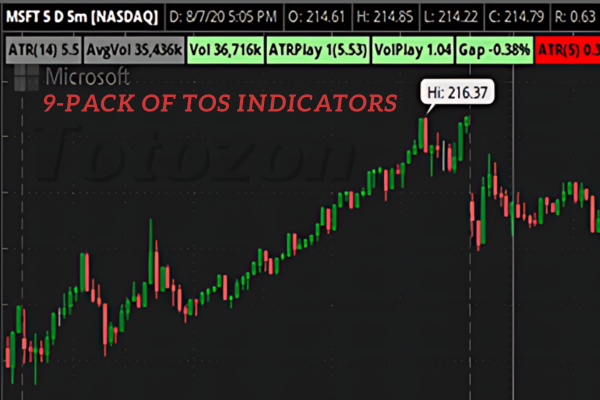 9-Pack of TOS Indicators
1 × $6.00
9-Pack of TOS Indicators
1 × $6.00 -
×
 7 Figures Forex Course
1 × $15.00
7 Figures Forex Course
1 × $15.00 -
×
 TRADING NFX Course with Andrew NFX
1 × $5.00
TRADING NFX Course with Andrew NFX
1 × $5.00

How to Create Better Trading Opportunities through Hedging with Jon Najarian
$6.00
File Size: Coming soon!
Delivery Time: 1–12 hours
Media Type: Online Course
Content Proof: Watch Here!
You may check content proof of “How to Create Better Trading Opportunities through Hedging with Jon Najarian” below:
How to Create Better Trading Opportunities through Hedging with Jon Najarian
Introduction
In today’s volatile financial markets, finding ways to manage risk while maximizing returns is essential. Jon Najarian, a seasoned trader and market expert, emphasizes the importance of hedging as a strategy to create better trading opportunities. In this article, we will delve into the concepts of hedging, its benefits, and how you can apply it to enhance your trading strategy.
Understanding Hedging
What is Hedging?
Hedging involves taking an offsetting position in a related security to reduce the risk of adverse price movements. Essentially, it’s a protective measure to safeguard investments against market volatility.
Why is Hedging Important?
Hedging helps mitigate potential losses, providing a safety net in unpredictable markets. This strategy is crucial for maintaining portfolio stability and ensuring long-term profitability.
Types of Hedging Strategies
Forward Contracts
Forward contracts are agreements to buy or sell an asset at a future date for a predetermined price. These are commonly used in commodities and currency markets to lock in prices.
Futures Contracts
Futures contracts are similar to forward contracts but are standardized and traded on exchanges. They offer liquidity and transparency, making them a popular hedging tool.
Options
Options provide the right, but not the obligation, to buy or sell an asset at a specific price before a certain date. They are versatile and can be used for various hedging strategies.
Swaps
Swaps involve exchanging cash flows or financial instruments between parties. Interest rate swaps and currency swaps are common examples used to manage exposure to fluctuations.
How Hedging Works
Example of a Hedging Scenario
Imagine you own a portfolio of tech stocks. To protect against a potential downturn in the tech sector, you might purchase put options on a tech ETF. If the sector declines, the gains from the put options can offset the losses in your stock holdings.
Balancing Risk and Reward
Effective hedging requires balancing the cost of the hedge with the level of protection it provides. Over-hedging can erode profits, while under-hedging leaves you vulnerable to market swings.
Benefits of Hedging
Risk Management
Hedging is a powerful risk management tool, allowing traders to reduce exposure to adverse market movements. It provides peace of mind and financial security.
Enhancing Trading Opportunities
By mitigating risk, hedging enables traders to take on more aggressive positions. This can lead to better trading opportunities and higher potential returns.
Market Flexibility
Hedging offers flexibility to adapt to changing market conditions. Traders can adjust their hedging strategies based on market outlooks and investment goals.
Hedging Techniques for Better Trading Opportunities
Diversification
Diversifying your portfolio across different asset classes and sectors can naturally hedge against specific risks. It reduces the impact of a downturn in any single investment.
Using Derivatives
Derivatives like options and futures are effective hedging tools. They provide leverage and can be tailored to fit specific hedging needs.
Tactical Asset Allocation
Adjusting the allocation of assets in your portfolio based on market conditions can help manage risk. This dynamic approach ensures that your portfolio is aligned with current market trends.
Implementing Stop-Loss Orders
Stop-loss orders can act as a hedge by automatically selling a security when it reaches a predetermined price. This limits potential losses and protects gains.
Practical Tips for Hedging
Stay Informed
Keeping up with market news and trends is crucial for effective hedging. Understanding the macroeconomic environment helps you anticipate market movements.
Start Small
If you’re new to hedging, start with simple strategies and gradually expand as you gain experience. This approach minimizes risk and builds confidence.
Monitor and Adjust
Regularly review and adjust your hedging strategies to ensure they remain effective. Market conditions change, and your hedges should evolve accordingly.
Common Hedging Mistakes to Avoid
Over-Hedging
Hedging too much can lead to unnecessary costs and reduced returns. It’s essential to find the right balance.
Ignoring Costs
Hedging involves costs, such as premiums for options or margin requirements for futures. Always consider these expenses when planning your strategy.
Lack of Flexibility
Rigid hedging strategies can be detrimental. Stay flexible and be ready to adapt to new information and market changes.
Conclusion
Hedging, as highlighted by Jon Najarian, is a vital strategy for creating better trading opportunities. By understanding and implementing effective hedging techniques, traders can manage risk, enhance profitability, and navigate the complexities of financial markets with greater confidence. Remember, the key to successful hedging lies in balance, flexibility, and continuous learning.
FAQs
1. What is the primary purpose of hedging in trading?
The primary purpose of hedging is to mitigate risk and protect investments from adverse market movements.
2. How can options be used for hedging?
Options provide the right to buy or sell an asset at a specific price, allowing traders to offset potential losses in their investments.
3. What are the common types of hedging strategies?
Common hedging strategies include forward contracts, futures contracts, options, and swaps.
4. What should traders avoid when implementing hedging strategies?
Traders should avoid over-hedging, ignoring costs, and being inflexible with their strategies.
5. Why is diversification important in hedging?
Diversification reduces the impact of a downturn in any single investment, providing a natural hedge against specific risks.
Be the first to review “How to Create Better Trading Opportunities through Hedging with Jon Najarian”
You must be logged in to post a review.
Related products

Original price was: $799.00.$15.00Current price is: $15.00.

Original price was: $700.00.$39.00Current price is: $39.00.

Forex Trading
Original price was: $1,898.00.$10.00Current price is: $10.00.

Forex Trading
Quantamentals – The Next Great Forefront Of Trading and Investing with Trading Markets
Original price was: $1,495.00.$8.00Current price is: $8.00.
Original price was: $895.00.$15.00Current price is: $15.00.

Forex Trading
Original price was: $2,997.00.$23.00Current price is: $23.00.

Original price was: $649.00.$20.00Current price is: $20.00.

Forex Trading
The Complete Guide to Multiple Time Frame Analysis & Reading Price Action with Aiman Almansoori
Original price was: $1,399.00.$13.00Current price is: $13.00.
Forex Trading
Original price was: $500.00.$5.00Current price is: $5.00.

Original price was: $999.00.$5.00Current price is: $5.00.

Forex Trading
Original price was: $850.00.$23.00Current price is: $23.00.
Forex Trading
Original price was: $125.00.$17.00Current price is: $17.00.

Forex Trading
Original price was: $239.00.$8.00Current price is: $8.00.

Forex Trading
Original price was: $4,997.00.$27.00Current price is: $27.00.

Forex Trading
Original price was: $697.00.$5.00Current price is: $5.00.

Forex Trading
Original price was: $2,000.00.$23.00Current price is: $23.00.

Forex Trading
Original price was: $799.00.$15.00Current price is: $15.00.

Original price was: $497.00.$11.00Current price is: $11.00.

Original price was: $310.00.$23.00Current price is: $23.00.

Original price was: $1,800.00.$54.00Current price is: $54.00.

Reviews
There are no reviews yet.