
-
×
 How To Read The Market Professionally with TradeSmart
1 × $27.00
How To Read The Market Professionally with TradeSmart
1 × $27.00 -
×
 The Prop Trading Code with Brannigan Barrett - Axia Futures
1 × $23.00
The Prop Trading Code with Brannigan Barrett - Axia Futures
1 × $23.00 -
×
 Algo Trading Masterclass with Ali Casey - StatOasis
1 × $23.00
Algo Trading Masterclass with Ali Casey - StatOasis
1 × $23.00 -
×
 Active Beta Indexes with Khalid Ghayur
1 × $6.00
Active Beta Indexes with Khalid Ghayur
1 × $6.00 -
×
 Forex Strategy Course with Angel Traders
1 × $6.00
Forex Strategy Course with Angel Traders
1 × $6.00 -
×
 The 4 Horsemen CD with David Elliott
1 × $6.00
The 4 Horsemen CD with David Elliott
1 × $6.00 -
×
 ProfileTraders - Swing and Price Analysis (May 2014)
1 × $6.00
ProfileTraders - Swing and Price Analysis (May 2014)
1 × $6.00 -
×
 The Naked Eye: Raw Data Analytics with Edgar Torres - Raw Data Analytics
1 × $8.00
The Naked Eye: Raw Data Analytics with Edgar Torres - Raw Data Analytics
1 × $8.00 -
×
 Deep Dive Butterfly Trading Strategy Class with SJG Trades
1 × $41.00
Deep Dive Butterfly Trading Strategy Class with SJG Trades
1 × $41.00 -
×
 The Adventures of the Cycle Hunter. The Trader with Craig Bttlc
1 × $6.00
The Adventures of the Cycle Hunter. The Trader with Craig Bttlc
1 × $6.00 -
×
 A Working Man's Forex Position Trading System 2010 with Alan Benefield
1 × $6.00
A Working Man's Forex Position Trading System 2010 with Alan Benefield
1 × $6.00 -
×
 Essentials in Quantitative Trading QT01 By HangukQuant's
1 × $23.00
Essentials in Quantitative Trading QT01 By HangukQuant's
1 × $23.00 -
×
 Forecast 2024 Clarification with Larry Williams
1 × $15.00
Forecast 2024 Clarification with Larry Williams
1 × $15.00 -
×
 Trading Academy 2024 with Tradeciety
1 × $5.00
Trading Academy 2024 with Tradeciety
1 × $5.00 -
×
 All Candlestick Patterns Tested And Ranked with Quantified Strategies
1 × $8.00
All Candlestick Patterns Tested And Ranked with Quantified Strategies
1 × $8.00 -
×
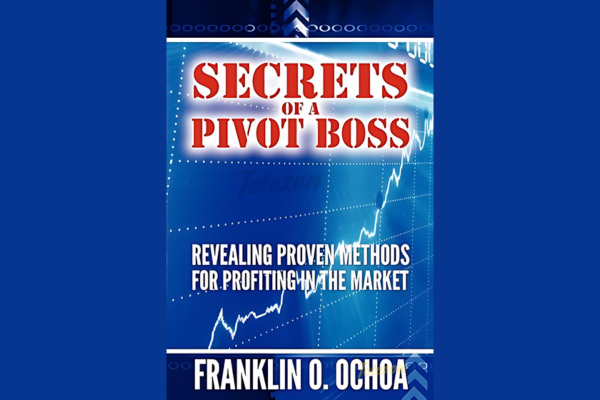 Secrets of a Pivot Boss. Revealing Proven Methods for Profiting in The Market with Franklin Ochoa
1 × $6.00
Secrets of a Pivot Boss. Revealing Proven Methods for Profiting in The Market with Franklin Ochoa
1 × $6.00 -
×
 Forex Robotron (Unlocked)
1 × $6.00
Forex Robotron (Unlocked)
1 × $6.00 -
×
 Butterfly and Condor Workshop with Aeromir
1 × $15.00
Butterfly and Condor Workshop with Aeromir
1 × $15.00 -
×
 3-Line Break Method For Daytrading Eminis with Chris Curran
1 × $6.00
3-Line Break Method For Daytrading Eminis with Chris Curran
1 × $6.00 -
×
 Fibonnacci Trader WorkShop (Video 2.38 GB) with Dennis Bolze, Thom Hartle
1 × $6.00
Fibonnacci Trader WorkShop (Video 2.38 GB) with Dennis Bolze, Thom Hartle
1 × $6.00 -
×
 MAP. Moving Average Patterns CD with David Elliott
1 × $6.00
MAP. Moving Average Patterns CD with David Elliott
1 × $6.00 -
×
 Options Trading & Ultimate MasterClass With Tyrone Abela - FX Evolution
1 × $54.00
Options Trading & Ultimate MasterClass With Tyrone Abela - FX Evolution
1 × $54.00 -
×
 White Phoenix’s The Smart (Money) Approach to Trading with Jayson Casper
1 × $39.00
White Phoenix’s The Smart (Money) Approach to Trading with Jayson Casper
1 × $39.00 -
×
 High Probability Trading Using Elliott Wave And Fibonacci Analysis withVic Patel - Forex Training Group
1 × $10.00
High Probability Trading Using Elliott Wave And Fibonacci Analysis withVic Patel - Forex Training Group
1 × $10.00 -
×
 Surefire Trading Plans with Mark McRae
1 × $6.00
Surefire Trading Plans with Mark McRae
1 × $6.00 -
×
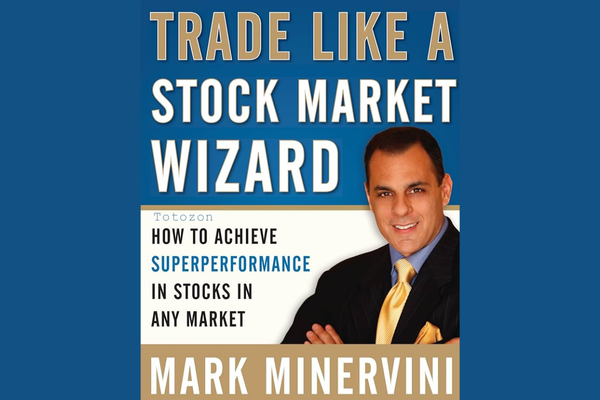 Trade Like a Stock Market Wizard with Mark Minervini
1 × $6.00
Trade Like a Stock Market Wizard with Mark Minervini
1 × $6.00 -
×
 WondaFX Signature Strategy with WondaFX
1 × $5.00
WondaFX Signature Strategy with WondaFX
1 × $5.00 -
×
 The Orderflows Trade Opportunities Encyclopedia with Michael Valtos
1 × $8.00
The Orderflows Trade Opportunities Encyclopedia with Michael Valtos
1 × $8.00

How to Create Better Trading Opportunities through Hedging with Jon Najarian
$6.00
File Size: Coming soon!
Delivery Time: 1–12 hours
Media Type: Online Course
Content Proof: Watch Here!
You may check content proof of “How to Create Better Trading Opportunities through Hedging with Jon Najarian” below:
How to Create Better Trading Opportunities through Hedging with Jon Najarian
Introduction
In today’s volatile financial markets, finding ways to manage risk while maximizing returns is essential. Jon Najarian, a seasoned trader and market expert, emphasizes the importance of hedging as a strategy to create better trading opportunities. In this article, we will delve into the concepts of hedging, its benefits, and how you can apply it to enhance your trading strategy.
Understanding Hedging
What is Hedging?
Hedging involves taking an offsetting position in a related security to reduce the risk of adverse price movements. Essentially, it’s a protective measure to safeguard investments against market volatility.
Why is Hedging Important?
Hedging helps mitigate potential losses, providing a safety net in unpredictable markets. This strategy is crucial for maintaining portfolio stability and ensuring long-term profitability.
Types of Hedging Strategies
Forward Contracts
Forward contracts are agreements to buy or sell an asset at a future date for a predetermined price. These are commonly used in commodities and currency markets to lock in prices.
Futures Contracts
Futures contracts are similar to forward contracts but are standardized and traded on exchanges. They offer liquidity and transparency, making them a popular hedging tool.
Options
Options provide the right, but not the obligation, to buy or sell an asset at a specific price before a certain date. They are versatile and can be used for various hedging strategies.
Swaps
Swaps involve exchanging cash flows or financial instruments between parties. Interest rate swaps and currency swaps are common examples used to manage exposure to fluctuations.
How Hedging Works
Example of a Hedging Scenario
Imagine you own a portfolio of tech stocks. To protect against a potential downturn in the tech sector, you might purchase put options on a tech ETF. If the sector declines, the gains from the put options can offset the losses in your stock holdings.
Balancing Risk and Reward
Effective hedging requires balancing the cost of the hedge with the level of protection it provides. Over-hedging can erode profits, while under-hedging leaves you vulnerable to market swings.
Benefits of Hedging
Risk Management
Hedging is a powerful risk management tool, allowing traders to reduce exposure to adverse market movements. It provides peace of mind and financial security.
Enhancing Trading Opportunities
By mitigating risk, hedging enables traders to take on more aggressive positions. This can lead to better trading opportunities and higher potential returns.
Market Flexibility
Hedging offers flexibility to adapt to changing market conditions. Traders can adjust their hedging strategies based on market outlooks and investment goals.
Hedging Techniques for Better Trading Opportunities
Diversification
Diversifying your portfolio across different asset classes and sectors can naturally hedge against specific risks. It reduces the impact of a downturn in any single investment.
Using Derivatives
Derivatives like options and futures are effective hedging tools. They provide leverage and can be tailored to fit specific hedging needs.
Tactical Asset Allocation
Adjusting the allocation of assets in your portfolio based on market conditions can help manage risk. This dynamic approach ensures that your portfolio is aligned with current market trends.
Implementing Stop-Loss Orders
Stop-loss orders can act as a hedge by automatically selling a security when it reaches a predetermined price. This limits potential losses and protects gains.
Practical Tips for Hedging
Stay Informed
Keeping up with market news and trends is crucial for effective hedging. Understanding the macroeconomic environment helps you anticipate market movements.
Start Small
If you’re new to hedging, start with simple strategies and gradually expand as you gain experience. This approach minimizes risk and builds confidence.
Monitor and Adjust
Regularly review and adjust your hedging strategies to ensure they remain effective. Market conditions change, and your hedges should evolve accordingly.
Common Hedging Mistakes to Avoid
Over-Hedging
Hedging too much can lead to unnecessary costs and reduced returns. It’s essential to find the right balance.
Ignoring Costs
Hedging involves costs, such as premiums for options or margin requirements for futures. Always consider these expenses when planning your strategy.
Lack of Flexibility
Rigid hedging strategies can be detrimental. Stay flexible and be ready to adapt to new information and market changes.
Conclusion
Hedging, as highlighted by Jon Najarian, is a vital strategy for creating better trading opportunities. By understanding and implementing effective hedging techniques, traders can manage risk, enhance profitability, and navigate the complexities of financial markets with greater confidence. Remember, the key to successful hedging lies in balance, flexibility, and continuous learning.
FAQs
1. What is the primary purpose of hedging in trading?
The primary purpose of hedging is to mitigate risk and protect investments from adverse market movements.
2. How can options be used for hedging?
Options provide the right to buy or sell an asset at a specific price, allowing traders to offset potential losses in their investments.
3. What are the common types of hedging strategies?
Common hedging strategies include forward contracts, futures contracts, options, and swaps.
4. What should traders avoid when implementing hedging strategies?
Traders should avoid over-hedging, ignoring costs, and being inflexible with their strategies.
5. Why is diversification important in hedging?
Diversification reduces the impact of a downturn in any single investment, providing a natural hedge against specific risks.
Be the first to review “How to Create Better Trading Opportunities through Hedging with Jon Najarian”
You must be logged in to post a review.
Related products

Forex Trading
Original price was: $2,997.00.$23.00Current price is: $23.00.

Forex Trading
Original price was: $500.00.$5.00Current price is: $5.00.

Forex Trading
Original price was: $1,098.00.$39.00Current price is: $39.00.
Original price was: $1,200.00.$23.00Current price is: $23.00.
Original price was: $1,800.00.$54.00Current price is: $54.00.

Original price was: $197.00.$5.00Current price is: $5.00.

Original price was: $997.00.$13.00Current price is: $13.00.

Forex Trading
Original price was: $2,995.00.$31.00Current price is: $31.00.
Forex Trading
Original price was: $4,997.00.$27.00Current price is: $27.00.
Original price was: $700.00.$39.00Current price is: $39.00.

Original price was: $450.00.$23.00Current price is: $23.00.

Original price was: $2,120.00.$15.00Current price is: $15.00.

Forex Trading
Original price was: $697.00.$5.00Current price is: $5.00.

Original price was: $649.00.$20.00Current price is: $20.00.
Forex Trading
Original price was: $2,000.00.$23.00Current price is: $23.00.

Original price was: $1,849.00.$15.00Current price is: $15.00.

Original price was: $999.00.$5.00Current price is: $5.00.

Original price was: $497.00.$31.00Current price is: $31.00.

Forex Trading
The Complete Guide to Multiple Time Frame Analysis & Reading Price Action with Aiman Almansoori
Original price was: $1,399.00.$13.00Current price is: $13.00.

Forex Trading
Original price was: $397.00.$31.00Current price is: $31.00.

Reviews
There are no reviews yet.