
-
×
 Secret Income with James Altucher
1 × $62.00
Secret Income with James Altucher
1 × $62.00 -
×
 Preparing for the Worst: Incorporating Downside Risk in Stock Market Investments with Hrishikesh Vinod & Derrick Reagle
1 × $6.00
Preparing for the Worst: Incorporating Downside Risk in Stock Market Investments with Hrishikesh Vinod & Derrick Reagle
1 × $6.00 -
×
 Order flow self-study training program with iMFtracker
1 × $10.00
Order flow self-study training program with iMFtracker
1 × $10.00 -
×
 AI For Traders with Trading Markets
1 × $31.00
AI For Traders with Trading Markets
1 × $31.00 -
×
 How To Read The Market Professionally with TradeSmart
1 × $27.00
How To Read The Market Professionally with TradeSmart
1 × $27.00 -
×
 Option Insanity Strategy with PDS Trader
1 × $69.00
Option Insanity Strategy with PDS Trader
1 × $69.00 -
×
 7 Commandments of Stock Investing with Gene Marcial
1 × $6.00
7 Commandments of Stock Investing with Gene Marcial
1 × $6.00 -
×
 Full Credit Spreads with Ryan Litchfield
1 × $6.00
Full Credit Spreads with Ryan Litchfield
1 × $6.00 -
×
 Game-Maker Forex Trading System
1 × $6.00
Game-Maker Forex Trading System
1 × $6.00 -
×
 8 Year Presidential Election Pattern (Article) with Adam White
1 × $6.00
8 Year Presidential Election Pattern (Article) with Adam White
1 × $6.00 -
×
 Astro Cycles with Larry Pesavento
1 × $6.00
Astro Cycles with Larry Pesavento
1 × $6.00 -
×
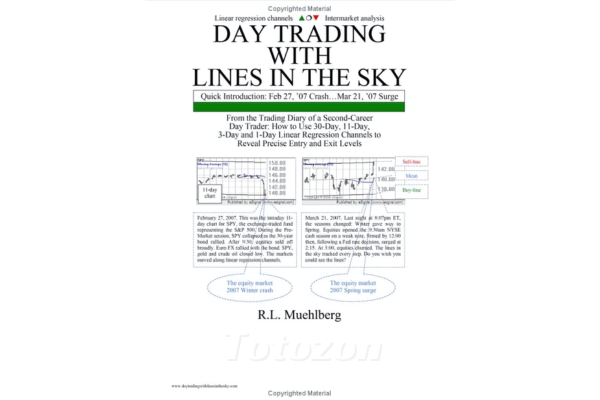 Day Trading with Lines in the Sky By R.L.Muehlberg
1 × $6.00
Day Trading with Lines in the Sky By R.L.Muehlberg
1 × $6.00 -
×
 Ezaih Academy 2024 Mentorship with Ezaih
1 × $54.00
Ezaih Academy 2024 Mentorship with Ezaih
1 × $54.00 -
×
 Pocketing Premium Master Class (Basic) with Henrry Gambell
1 × $31.00
Pocketing Premium Master Class (Basic) with Henrry Gambell
1 × $31.00 -
×
 Market Profile Video with FutexLive
1 × $6.00
Market Profile Video with FutexLive
1 × $6.00 -
×
 The Practical Application of Fibonacci Analysis to Investment Markets
1 × $6.00
The Practical Application of Fibonacci Analysis to Investment Markets
1 × $6.00 -
×
 Fundamentals of the Securities Industry with William A.Rini
1 × $6.00
Fundamentals of the Securities Industry with William A.Rini
1 × $6.00 -
×
 Fundamentals of the Stock Market with B.O’Neill Wyss
1 × $6.00
Fundamentals of the Stock Market with B.O’Neill Wyss
1 × $6.00 -
×
 Full 2 Day Dark Pool And Market Strategy Training
1 × $6.00
Full 2 Day Dark Pool And Market Strategy Training
1 × $6.00 -
×
 Algo Trading Masterclass with Ali Casey - StatOasis
1 × $23.00
Algo Trading Masterclass with Ali Casey - StatOasis
1 × $23.00 -
×
 Intra-day Trading Strategies. Proven Steps to Trading Profits
1 × $6.00
Intra-day Trading Strategies. Proven Steps to Trading Profits
1 × $6.00 -
×
 Concerning The More Certain Fundamentals Of Astrology
1 × $6.00
Concerning The More Certain Fundamentals Of Astrology
1 × $6.00 -
×
 Simple Forex Profits with Rayy Bannzz
1 × $31.00
Simple Forex Profits with Rayy Bannzz
1 × $31.00 -
×
 Profit Wave Trade Strategy with Base Camp Trading
1 × $4.00
Profit Wave Trade Strategy with Base Camp Trading
1 × $4.00 -
×
 Fractal Energy Trading with Doc Severson
1 × $6.00
Fractal Energy Trading with Doc Severson
1 × $6.00 -
×
 Redler Ultimate Access
1 × $54.00
Redler Ultimate Access
1 × $54.00 -
×
 Accelerated Learning Techniques in Action with Colin Rose, Jayne Nicholl & Malcolm Nicholl
1 × $6.00
Accelerated Learning Techniques in Action with Colin Rose, Jayne Nicholl & Malcolm Nicholl
1 × $6.00 -
×
 Short-Term Trading, Long-Term Profits with John Leizman - McGraw-Hill
1 × $6.00
Short-Term Trading, Long-Term Profits with John Leizman - McGraw-Hill
1 × $6.00 -
×
 After Hour Trading Made Easy with Joe Duarte & Roland Burke
1 × $6.00
After Hour Trading Made Easy with Joe Duarte & Roland Burke
1 × $6.00 -
×
 Inner Circle Course with Darius Fx
1 × $24.00
Inner Circle Course with Darius Fx
1 × $24.00 -
×
 The Box Strategy with Blue Capital Academy
1 × $23.00
The Box Strategy with Blue Capital Academy
1 × $23.00 -
×
 George Wollsten: Expert Stock and Grain Trader with George Bayer
1 × $6.00
George Wollsten: Expert Stock and Grain Trader with George Bayer
1 × $6.00 -
×
 Best of the Best: Collars with Amy Meissner & Scott Ruble
1 × $15.00
Best of the Best: Collars with Amy Meissner & Scott Ruble
1 × $15.00 -
×
 Practical Speculation with Victor Niederhoffer, Laurel Kenner
1 × $6.00
Practical Speculation with Victor Niederhoffer, Laurel Kenner
1 × $6.00 -
×
 Pristine - Oliver Velez – Swing Trading Tactics 2001
1 × $6.00
Pristine - Oliver Velez – Swing Trading Tactics 2001
1 × $6.00 -
×
 TCG Educational Course Bundle Entries & Exits + Trading
1 × $23.00
TCG Educational Course Bundle Entries & Exits + Trading
1 × $23.00 -
×
 A Grand Supercycle Top Webinar with Steven Hochberg
1 × $6.00
A Grand Supercycle Top Webinar with Steven Hochberg
1 × $6.00 -
×
 Trading Short TermSame Day Trades Sep 2023 with Dan Sheridan & Mark Fenton - Sheridan Options Mentoring
1 × $31.00
Trading Short TermSame Day Trades Sep 2023 with Dan Sheridan & Mark Fenton - Sheridan Options Mentoring
1 × $31.00 -
×
 Weekly Options Trading Advantage Class with Doc Severson
1 × $6.00
Weekly Options Trading Advantage Class with Doc Severson
1 × $6.00 -
×
 Option, Futures and Other Derivates 9th Edition
1 × $6.00
Option, Futures and Other Derivates 9th Edition
1 × $6.00 -
×
 All About High-Frequency Trading with Michael Durbin
1 × $6.00
All About High-Frequency Trading with Michael Durbin
1 × $6.00 -
×
 Picking the Best Stocks & Strategies for every Option Trade with James Bittman
1 × $6.00
Picking the Best Stocks & Strategies for every Option Trade with James Bittman
1 × $6.00 -
×
 Practical Portfolio Performance Measurement and Attribution (2nd Ed.) with Carl Bacon
1 × $6.00
Practical Portfolio Performance Measurement and Attribution (2nd Ed.) with Carl Bacon
1 × $6.00 -
×
 Mastering Collar Trades Pro with Vince Vora - TradingWins
1 × $6.00
Mastering Collar Trades Pro with Vince Vora - TradingWins
1 × $6.00 -
×
 3-Day Day Trading Seminar Online CD with John Carter & Hubert Senters
1 × $6.00
3-Day Day Trading Seminar Online CD with John Carter & Hubert Senters
1 × $6.00 -
×
 Sequence Trading Course with Kevin Haggerty
1 × $4.00
Sequence Trading Course with Kevin Haggerty
1 × $4.00 -
×
 Futures & Options for Dummies with Joe Duarte
1 × $6.00
Futures & Options for Dummies with Joe Duarte
1 × $6.00 -
×
 RSI Unleashed: Building a Comprehensive Trading Framework By Doc Severson
1 × $6.00
RSI Unleashed: Building a Comprehensive Trading Framework By Doc Severson
1 × $6.00 -
×
 Trade with a Day Job USA v2010 with Markets Mastered
1 × $6.00
Trade with a Day Job USA v2010 with Markets Mastered
1 × $6.00 -
×
 Active Trading Course Notes with Alan Hull
1 × $6.00
Active Trading Course Notes with Alan Hull
1 × $6.00 -
×
 Advanced Spread Trading with Guy Bower - MasterClass Trader
1 × $15.00
Advanced Spread Trading with Guy Bower - MasterClass Trader
1 × $15.00

Hedges on Hedge Funds: How to Successfully Analyze and Select an Investment with James Hedges
$6.00
File Size: Coming soon!
Delivery Time: 1–12 hours
Media Type: Online Course
Hedges on Hedge Funds: How to Successfully Analyze and Select an Investment with James Hedges
Investing in hedge funds can be a lucrative endeavor, but it requires careful analysis and selection. James Hedges, a seasoned expert in the field, provides valuable insights into how to navigate this complex landscape. In this article, we will explore the key strategies for analyzing and selecting hedge funds, ensuring you make informed investment decisions.
Understanding Hedge Funds
What Are Hedge Funds?
Hedge funds are pooled investment funds that employ various strategies to earn active returns for their investors. They can invest in a wide array of assets and use complex trading, portfolio construction, and risk management techniques.
Why Invest in Hedge Funds?
Hedge funds offer the potential for high returns and diversification, making them an attractive option for sophisticated investors seeking to enhance their portfolios.
Key Factors in Hedge Fund Analysis
Performance Metrics
Evaluating a hedge fund’s past performance is crucial. Look at metrics like the fund’s historical returns, Sharpe ratio, and drawdown levels to gauge its risk-adjusted performance.
Investment Strategies
Hedge funds employ diverse strategies, including long/short equity, market neutral, arbitrage, and global macro. Understanding the fund’s strategy helps you assess its suitability for your investment goals.
Risk Management
Effective risk management is a hallmark of a successful hedge fund. Analyze how the fund mitigates risks, such as through diversification, hedging, and position sizing.
Due Diligence Process
Manager Experience
The experience and track record of the fund manager are critical. Research the manager’s background, investment philosophy, and performance history to ensure they have the expertise to deliver consistent returns.
Fund Structure
Examine the fund’s structure, including its fees, liquidity terms, and redemption policies. These factors can significantly impact your investment’s overall profitability and flexibility.
Operational Due Diligence
Assess the fund’s operational aspects, such as its legal structure, compliance, and internal controls. Strong operational practices reduce the risk of fraud and operational failures.
Selecting the Right Hedge Fund
Define Your Investment Objectives
Clearly define your investment goals, risk tolerance, and time horizon. This clarity will guide your hedge fund selection process, ensuring alignment with your overall investment strategy.
Identify Potential Funds
Use resources like hedge fund databases, financial advisors, and industry reports to identify funds that match your criteria. Create a shortlist of potential candidates for further analysis.
Conduct Thorough Research
Perform comprehensive research on each fund, focusing on performance metrics, investment strategies, risk management, and due diligence factors. Compare these aspects across your shortlisted funds.
Evaluating Fund Performance
Analyzing Historical Returns
Examine the fund’s historical performance over various market cycles. Consistent returns across different conditions indicate a robust investment strategy.
Assessing Risk-Adjusted Returns
Risk-adjusted returns, measured by metrics like the Sharpe ratio, provide insight into how well the fund compensates for the risks it takes. Higher ratios suggest better risk management.
Benchmarking Against Peers
Compare the fund’s performance against its peers and relevant benchmarks. This comparison helps you determine if the fund is outperforming similar investment options.
Understanding Investment Strategies
Long/Short Equity
This strategy involves taking long positions in undervalued stocks and short positions in overvalued ones. It aims to profit from stock price movements in both directions.
Market Neutral
Market neutral strategies seek to eliminate market risk by balancing long and short positions. The goal is to achieve consistent returns regardless of market conditions.
Arbitrage
Arbitrage strategies exploit price discrepancies between related securities. Examples include merger arbitrage, convertible arbitrage, and fixed-income arbitrage.
Global Macro
Global macro strategies invest based on macroeconomic trends and events. These funds take positions in various asset classes, including equities, bonds, currencies, and commodities.
Risk Management Techniques
Diversification
Diversification spreads investments across various assets, sectors, and geographies, reducing the impact of any single investment’s poor performance.
Hedging
Hedging involves taking positions that offset potential losses in other investments. Common hedging techniques include options, futures, and inverse ETFs.
Position Sizing
Position sizing determines the amount of capital allocated to each investment. Proper sizing ensures that no single position can significantly impact the portfolio.
Common Pitfalls in Hedge Fund Investing
Overlooking Fees
High fees can erode returns over time. Pay attention to management and performance fees, and consider their impact on your net returns.
Ignoring Liquidity
Hedge funds often have lock-up periods and limited redemption windows. Ensure you understand the fund’s liquidity terms and how they align with your investment needs.
Neglecting Due Diligence
Skipping thorough due diligence can lead to costly mistakes. Always perform comprehensive research and analysis before committing to an investment.
The Role of Technology in Hedge Fund Analysis
Data Analytics
Advanced data analytics tools help analyze vast amounts of data, providing deeper insights into fund performance and risk factors.
Automated Trading Systems
Automated trading systems execute trades based on predefined algorithms, enhancing efficiency and reducing human error.
Risk Management Software
Risk management software provides real-time monitoring and analysis of portfolio risks, helping fund managers make informed decisions.
Conclusion
Investing in hedge funds requires careful analysis and selection. By following James Hedges’ comprehensive approach, you can navigate the complexities of hedge fund investing and make informed decisions that align with your financial goals. Remember to perform thorough due diligence, understand the fund’s strategy, and assess its risk management practices. With the right approach, hedge funds can be a valuable addition to your investment portfolio.
FAQs
1. What are the key factors to consider when analyzing a hedge fund?
Performance metrics, investment strategies, risk management, manager experience, fund structure, and operational practices are crucial factors.
2. How do I assess a hedge fund’s risk management practices?
Analyze the fund’s diversification, hedging techniques, and position sizing to gauge its risk management effectiveness.
3. What are common pitfalls in hedge fund investing?
Common pitfalls include overlooking fees, ignoring liquidity terms, and neglecting due diligence.
4. How does technology enhance hedge fund analysis?
Technology, such as data analytics, automated trading systems, and risk management software, provides deeper insights and enhances efficiency.
5. What investment strategies do hedge funds use?
Hedge funds use various strategies, including long/short equity, market neutral, arbitrage, and global macro strategies.
Be the first to review “Hedges on Hedge Funds: How to Successfully Analyze and Select an Investment with James Hedges”
You must be logged in to post a review.
Related products

Original price was: $497.00.$11.00Current price is: $11.00.

Original price was: $999.00.$5.00Current price is: $5.00.

Original price was: $997.00.$8.00Current price is: $8.00.

Forex Trading
Original price was: $249.00.$15.00Current price is: $15.00.

Original price was: $497.00.$31.00Current price is: $31.00.

Original price was: $139.00.$23.00Current price is: $23.00.

Original price was: $310.00.$23.00Current price is: $23.00.
Forex Trading
Original price was: $2,995.00.$31.00Current price is: $31.00.

Original price was: $695.00.$41.00Current price is: $41.00.

Original price was: $700.00.$39.00Current price is: $39.00.

Original price was: $649.00.$20.00Current price is: $20.00.

Original price was: $1,849.00.$15.00Current price is: $15.00.

Forex Trading
The Complete Guide to Multiple Time Frame Analysis & Reading Price Action with Aiman Almansoori
Original price was: $1,399.00.$13.00Current price is: $13.00.

Forex Trading
Original price was: $797.00.$10.00Current price is: $10.00.
Original price was: $799.00.$15.00Current price is: $15.00.
Original price was: $895.00.$15.00Current price is: $15.00.

Forex Trading
Original price was: $1,098.00.$39.00Current price is: $39.00.

Original price was: $2,120.00.$15.00Current price is: $15.00.

Forex Trading
Quantamentals – The Next Great Forefront Of Trading and Investing with Trading Markets
Original price was: $1,495.00.$8.00Current price is: $8.00.

Forex Trading
Original price was: $550.00.$5.00Current price is: $5.00.
Reviews
There are no reviews yet.