
-
×
 CANDLESTICKS APPLIED with Steve Nison & Syl Desaulniers - Candle Charts
1 × $15.00
CANDLESTICKS APPLIED with Steve Nison & Syl Desaulniers - Candle Charts
1 × $15.00 -
×
 Candlestick and Pivot Point Trading Triggers with John Person
1 × $6.00
Candlestick and Pivot Point Trading Triggers with John Person
1 × $6.00 -
×
 Advanced GET 8.0 EOD
1 × $6.00
Advanced GET 8.0 EOD
1 × $6.00 -
×
 Forecast 2024 Clarification with Larry Williams
1 × $15.00
Forecast 2024 Clarification with Larry Williams
1 × $15.00 -
×
 The 80% Solution S&P Systems with Bruce Babcock
1 × $6.00
The 80% Solution S&P Systems with Bruce Babcock
1 × $6.00 -
×
 Advanced Spread Trading with Guy Bower - MasterClass Trader
1 × $15.00
Advanced Spread Trading with Guy Bower - MasterClass Trader
1 × $15.00 -
×
 $20 – 52k 20 pips a day challange with Rafał Zuchowicz - TopMasterTrader
1 × $5.00
$20 – 52k 20 pips a day challange with Rafał Zuchowicz - TopMasterTrader
1 × $5.00 -
×
 Profinacci Complete Course with Stephen A.Pierce
1 × $6.00
Profinacci Complete Course with Stephen A.Pierce
1 × $6.00 -
×
 Commodities Rising: The Reality Behind the Hype and How To Really Profit in the Commodities Market - Jeffrey Christian
1 × $6.00
Commodities Rising: The Reality Behind the Hype and How To Really Profit in the Commodities Market - Jeffrey Christian
1 × $6.00 -
×
 TraderSumo Academy Course
1 × $13.00
TraderSumo Academy Course
1 × $13.00 -
×
 Football Hedging System with Tony Langley
1 × $54.00
Football Hedging System with Tony Langley
1 × $54.00 -
×
 Forex Trading Secrets. Trading Strategies for the Forex Market
1 × $6.00
Forex Trading Secrets. Trading Strategies for the Forex Market
1 × $6.00 -
×
 Sniper Trading System for Forex with Chris Capre
1 × $4.00
Sniper Trading System for Forex with Chris Capre
1 × $4.00 -
×
 Measuring Market Risk (2nd Edition) with Kevin Dowd
1 × $6.00
Measuring Market Risk (2nd Edition) with Kevin Dowd
1 × $6.00 -
×
 ICT Mastery with Casper SMC
1 × $14.00
ICT Mastery with Casper SMC
1 × $14.00 -
×
 Simpler Options - Weekly Butterflies for Income
1 × $6.00
Simpler Options - Weekly Butterflies for Income
1 × $6.00 -
×
 POS+ Hindi 30 Days Subscription with Surjeetkakkar
1 × $62.00
POS+ Hindi 30 Days Subscription with Surjeetkakkar
1 × $62.00 -
×
 Duxinator: High Odds Penny Trading Presented with Steven Dux
1 × $6.00
Duxinator: High Odds Penny Trading Presented with Steven Dux
1 × $6.00 -
×
 The Box Strategy with Blue Capital Academy
1 × $23.00
The Box Strategy with Blue Capital Academy
1 × $23.00 -
×
 Forty Cents for Financial Freedom with Darlene Nelson
1 × $6.00
Forty Cents for Financial Freedom with Darlene Nelson
1 × $6.00 -
×
 Wyckoff Unleashed Official Online Course (2018) with Wyckoffsmi
1 × $23.00
Wyckoff Unleashed Official Online Course (2018) with Wyckoffsmi
1 × $23.00 -
×
![Robert Miner-Complete Price Tutorial Series [5 Videos (AVI)] img](https://www.totozon.com/wp-content/uploads/2024/05/Robert-Miner-Complete-Price-Tutorial-Series-5-Videos-AVI-img.png) Robert Miner-Complete Price Tutorial Series [5 Videos (AVI)]
1 × $6.00
Robert Miner-Complete Price Tutorial Series [5 Videos (AVI)]
1 × $6.00 -
×
 Compass Trading System with Right Line Trading
1 × $39.00
Compass Trading System with Right Line Trading
1 × $39.00 -
×
 Modeling Financial Markets. Using Visual Basic Net & Databases To Create Pricing Trading & Risk Management Models
1 × $6.00
Modeling Financial Markets. Using Visual Basic Net & Databases To Create Pricing Trading & Risk Management Models
1 × $6.00 -
×
 Cash In On Chaos with Hans Hannula
1 × $6.00
Cash In On Chaos with Hans Hannula
1 × $6.00 -
×
 Trading Short TermSame Day Trades Sep 2023 with Dan Sheridan & Mark Fenton - Sheridan Options Mentoring
1 × $31.00
Trading Short TermSame Day Trades Sep 2023 with Dan Sheridan & Mark Fenton - Sheridan Options Mentoring
1 × $31.00 -
×
 The Prop Trading Code with Brannigan Barrett - Axia Futures
1 × $23.00
The Prop Trading Code with Brannigan Barrett - Axia Futures
1 × $23.00 -
×
 Advanced Trading Strategies with Larry Connors
1 × $6.00
Advanced Trading Strategies with Larry Connors
1 × $6.00 -
×
 Forex Secrets Exposed
1 × $15.00
Forex Secrets Exposed
1 × $15.00 -
×
 TradeCraft: Your Path to Peak Performance Trading By Adam Grimes
1 × $15.00
TradeCraft: Your Path to Peak Performance Trading By Adam Grimes
1 × $15.00 -
×
 Simpler Options - Ultimate Guide to Debit Spreads – Nov 2014
1 × $6.00
Simpler Options - Ultimate Guide to Debit Spreads – Nov 2014
1 × $6.00 -
×
 Practical Elliott Wave Trading Strategies with Robert Miner
1 × $6.00
Practical Elliott Wave Trading Strategies with Robert Miner
1 × $6.00 -
×
 Smart Money Concepts with MFX Trading
1 × $13.00
Smart Money Concepts with MFX Trading
1 × $13.00 -
×
 Online Investing Hacks with Bonnie Biafore
1 × $6.00
Online Investing Hacks with Bonnie Biafore
1 × $6.00 -
×
 Street Smarts & TS Code with Larry Connors & Linda Bradford Rashcke
1 × $6.00
Street Smarts & TS Code with Larry Connors & Linda Bradford Rashcke
1 × $6.00 -
×
 Activedaytrader - Mastering Technicals
1 × $15.00
Activedaytrader - Mastering Technicals
1 × $15.00 -
×
 Creating the Optimal Trade for Explosive Profits with George A.Fontanills
1 × $6.00
Creating the Optimal Trade for Explosive Profits with George A.Fontanills
1 × $6.00 -
×
 90 Days To Trade MasterClass with Jerremy Newsome & Matt Delong - Real Life Trading
1 × $104.00
90 Days To Trade MasterClass with Jerremy Newsome & Matt Delong - Real Life Trading
1 × $104.00 -
×
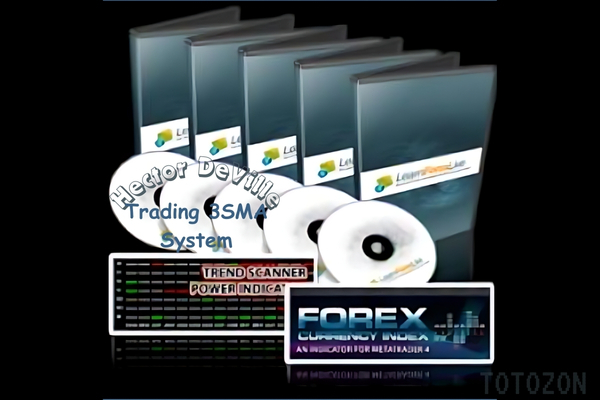 Trading 3SMA System with Hector DeVille
1 × $6.00
Trading 3SMA System with Hector DeVille
1 × $6.00 -
×
 Super Conference 2020 - Premier Coaching Package with Vince Vora
1 × $109.00
Super Conference 2020 - Premier Coaching Package with Vince Vora
1 × $109.00 -
×
 Advent Forex Course with Cecil Robles
1 × $6.00
Advent Forex Course with Cecil Robles
1 × $6.00 -
×
 A+ Setups Big Caps Options with Jtrader
1 × $6.00
A+ Setups Big Caps Options with Jtrader
1 × $6.00 -
×
 Investing In KLSE Stocks and Futures With Japanese Candlestick with Fred Tam
1 × $6.00
Investing In KLSE Stocks and Futures With Japanese Candlestick with Fred Tam
1 × $6.00 -
×
 Earnings Reaction Gaps Workshop with John Pocorobba
1 × $27.00
Earnings Reaction Gaps Workshop with John Pocorobba
1 × $27.00 -
×
 W. D Gann 's Square Of 9 Applied To Modern Markets with Sean Avidar - Hexatrade350
1 × $23.00
W. D Gann 's Square Of 9 Applied To Modern Markets with Sean Avidar - Hexatrade350
1 × $23.00 -
×
![Strike Zone Trading - Forex Course [81 Videos (MP4) + 96 Software files (EXEEX4MQ4CHRWNDTPL) + 17 DOCS (TXTCSVXLSXPDF) + Images (PNGJPGGIF)]](https://www.totozon.com/wp-content/uploads/2024/05/Strike-Zone-Trading-Forex-Course-81-Videos-MP4-96-Software-files-EXEEX4MQ4CHRWNDTPL-17-DOCS-TXTCSVXLSXPDF-Images-PNGJPGGIF.jpg) Strike Zone Trading - Forex Course [81 Videos (MP4) + 96 Software files (EXE/EX4/MQ4/CHR/WND/TPL) + 17 DOCS (TXT/CSV/XLSX/PDF) + Images (PNG/JPG/GIF)]
1 × $6.00
Strike Zone Trading - Forex Course [81 Videos (MP4) + 96 Software files (EXE/EX4/MQ4/CHR/WND/TPL) + 17 DOCS (TXT/CSV/XLSX/PDF) + Images (PNG/JPG/GIF)]
1 × $6.00 -
×
 The A14 Weekly Option Strategy Workshop with Amy Meissner
1 × $23.00
The A14 Weekly Option Strategy Workshop with Amy Meissner
1 × $23.00 -
×
 3-Day Day Trading Seminar Online CD with John Carter & Hubert Senters
1 × $6.00
3-Day Day Trading Seminar Online CD with John Carter & Hubert Senters
1 × $6.00 -
×
 Trading for a Bright Future with Martin Cole
1 × $6.00
Trading for a Bright Future with Martin Cole
1 × $6.00 -
×
 Advanced Scalping Techniques Home Study Course with Sami Abusaad - T3Live
1 × $31.00
Advanced Scalping Techniques Home Study Course with Sami Abusaad - T3Live
1 × $31.00 -
×
 Crystal Ball Pack PLUS bonus Live Trade By Pat Mitchell - Trick Trades
1 × $20.00
Crystal Ball Pack PLUS bonus Live Trade By Pat Mitchell - Trick Trades
1 × $20.00 -
×
 Spotting Solid Short-Term Opportunities
1 × $6.00
Spotting Solid Short-Term Opportunities
1 × $6.00 -
×
 The Orderflow Masterclass with PrimeTrading
1 × $17.00
The Orderflow Masterclass with PrimeTrading
1 × $17.00 -
×
 Investment Fables with Aswath Damodaran
1 × $6.00
Investment Fables with Aswath Damodaran
1 × $6.00 -
×
 Gann Trade Real Time with Larry B.Jacobs
1 × $6.00
Gann Trade Real Time with Larry B.Jacobs
1 × $6.00 -
×
 The Beginners Guide to Commodities Investing with Brian & Gayle Rice
1 × $6.00
The Beginners Guide to Commodities Investing with Brian & Gayle Rice
1 × $6.00 -
×
 Chart Pattern Profits
1 × $6.00
Chart Pattern Profits
1 × $6.00 -
×
 Deep Dive Butterfly Trading Strategy Class with SJG Trades
1 × $41.00
Deep Dive Butterfly Trading Strategy Class with SJG Trades
1 × $41.00 -
×
 FXStreet Unrecorded Webinars Sept & Oct, 2011 with Sam Seiden
1 × $6.00
FXStreet Unrecorded Webinars Sept & Oct, 2011 with Sam Seiden
1 × $6.00 -
×
 The M21 Strategy
1 × $15.00
The M21 Strategy
1 × $15.00 -
×
 AI For Traders with Trading Markets
1 × $31.00
AI For Traders with Trading Markets
1 × $31.00 -
×
 Investors Underground - Tandem Trader
1 × $5.00
Investors Underground - Tandem Trader
1 × $5.00 -
×
 Commodity Futures Traders Club (CTCN) Issues 01 – 77
1 × $6.00
Commodity Futures Traders Club (CTCN) Issues 01 – 77
1 × $6.00 -
×
 Seasonal Stock Market Trends: The Definitive Guide to Calendar‐Based Stock Market Trading with Jay Kaeppel
1 × $6.00
Seasonal Stock Market Trends: The Definitive Guide to Calendar‐Based Stock Market Trading with Jay Kaeppel
1 × $6.00 -
×
 Forex Trading Course with Mike Norman
1 × $17.00
Forex Trading Course with Mike Norman
1 × $17.00 -
×
 Fierce 10 On Demand Coaching Program with High Performance Trading
1 × $5.00
Fierce 10 On Demand Coaching Program with High Performance Trading
1 × $5.00 -
×
 Master Forex Fundamentals
1 × $15.00
Master Forex Fundamentals
1 × $15.00 -
×
 3 Volatility Strategies with Quantified Strategies
1 × $23.00
3 Volatility Strategies with Quantified Strategies
1 × $23.00 -
×
 Kaizen On-Demand By Candle Charts
1 × $6.00
Kaizen On-Demand By Candle Charts
1 × $6.00 -
×
 TRADING NFX Course with Andrew NFX
1 × $5.00
TRADING NFX Course with Andrew NFX
1 × $5.00 -
×
 Pairs Trading The Final Frontier with Don Kaufman
1 × $6.00
Pairs Trading The Final Frontier with Don Kaufman
1 × $6.00 -
×
 The Art And Science Of Trading with Adam Grimes
1 × $6.00
The Art And Science Of Trading with Adam Grimes
1 × $6.00 -
×
 Day Trading Systems & Methods with Charles Le Beau, David Lucas
1 × $6.00
Day Trading Systems & Methods with Charles Le Beau, David Lucas
1 × $6.00 -
×
 Futures Trading (German)
1 × $6.00
Futures Trading (German)
1 × $6.00 -
×
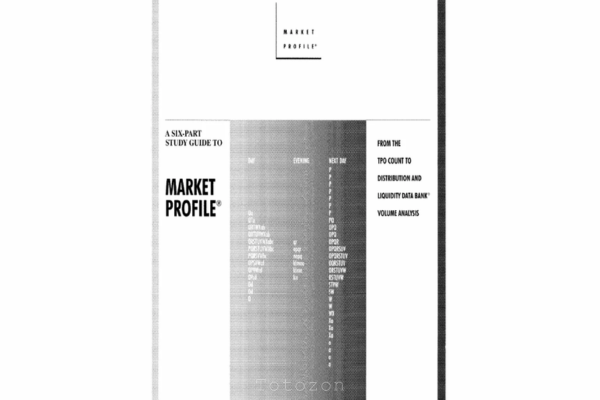 Sixpart Study Guide to Market Profile
1 × $6.00
Sixpart Study Guide to Market Profile
1 × $6.00 -
×
 Profit Power Seminar
1 × $23.00
Profit Power Seminar
1 × $23.00 -
×
 Academy of Financial Trading Foundation Trading Programme Webinar
1 × $6.00
Academy of Financial Trading Foundation Trading Programme Webinar
1 × $6.00 -
×
 Matrix Spread Options Trading Course with Base Camp Trading
1 × $31.00
Matrix Spread Options Trading Course with Base Camp Trading
1 × $31.00 -
×
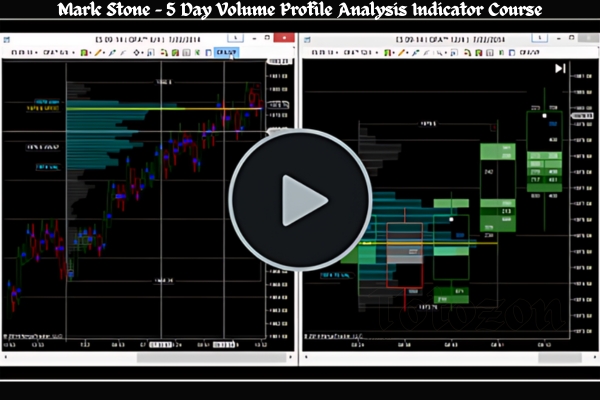 5 Day Volume Profile Analysis Indicator Course with Mark Stone
1 × $54.00
5 Day Volume Profile Analysis Indicator Course with Mark Stone
1 × $54.00 -
×
 501 Stock Market Tips & Guidelines with Arshad Khan
1 × $6.00
501 Stock Market Tips & Guidelines with Arshad Khan
1 × $6.00 -
×
 Investing Smart. How to Pick Stocks with Investors Business Daily By Dhun H.Sethna
1 × $4.00
Investing Smart. How to Pick Stocks with Investors Business Daily By Dhun H.Sethna
1 × $4.00 -
×
 Basic of Market Astrophisics with Hans Hannula
1 × $6.00
Basic of Market Astrophisics with Hans Hannula
1 × $6.00 -
×
 RSI Unleashed: Building a Comprehensive Trading Framework By Doc Severson
1 × $6.00
RSI Unleashed: Building a Comprehensive Trading Framework By Doc Severson
1 × $6.00 -
×
 An Introduction to Capital Markets with Andrew M.Chisholm
1 × $6.00
An Introduction to Capital Markets with Andrew M.Chisholm
1 × $6.00 -
×
 The Trading Blueprint with Brad Goh - The Trading Geek
1 × $5.00
The Trading Blueprint with Brad Goh - The Trading Geek
1 × $5.00 -
×
 Trading With an Edge with Bruce Gilmore
1 × $6.00
Trading With an Edge with Bruce Gilmore
1 × $6.00 -
×
 Trading Against the Crowd with John Summa
1 × $6.00
Trading Against the Crowd with John Summa
1 × $6.00 -
×
 Stock Market Wizards Interviews with America’s Top Stock Traders - Jack Schwager
1 × $6.00
Stock Market Wizards Interviews with America’s Top Stock Traders - Jack Schwager
1 × $6.00 -
×
 Principles of Artificial Neural Networks (2nd Ed.) with Daniel Graupe
1 × $6.00
Principles of Artificial Neural Networks (2nd Ed.) with Daniel Graupe
1 × $6.00 -
×
 How To Read The Market Professionally with TradeSmart
1 × $27.00
How To Read The Market Professionally with TradeSmart
1 × $27.00 -
×
 The Psychology of Investing with John Nofsinger
1 × $6.00
The Psychology of Investing with John Nofsinger
1 × $6.00 -
×
 The Adventures of the Cycle Hunter. The Analyst with Craig Bttlc
1 × $6.00
The Adventures of the Cycle Hunter. The Analyst with Craig Bttlc
1 × $6.00 -
×
 The Management of Equity Investments with Dimitris Chorafas
1 × $6.00
The Management of Equity Investments with Dimitris Chorafas
1 × $6.00 -
×
 Scalp Strategy and Flipping Small Accounts with Opes Trading Group
1 × $5.00
Scalp Strategy and Flipping Small Accounts with Opes Trading Group
1 × $5.00 -
×
 Trading a Living Thing (Article) with David Bowden
1 × $6.00
Trading a Living Thing (Article) with David Bowden
1 × $6.00 -
×
 How to Buy Stocks Before They Skyrocket
1 × $6.00
How to Buy Stocks Before They Skyrocket
1 × $6.00 -
×
 How to Lose Money Profitably with Mark D.Cook
1 × $6.00
How to Lose Money Profitably with Mark D.Cook
1 × $6.00 -
×
 Introduction to Technical Analysis with Jake Bernstein
1 × $6.00
Introduction to Technical Analysis with Jake Bernstein
1 × $6.00 -
×
 RSD - Alex’s Natural Instinct Method Manifesto
1 × $6.00
RSD - Alex’s Natural Instinct Method Manifesto
1 × $6.00 -
×
 The Python for Traders Masterclass with Mr James
1 × $10.00
The Python for Traders Masterclass with Mr James
1 × $10.00
Hedge Funds for Dummies
$6.00
File Size: Coming soon!
Delivery Time: 1–12 hours
Media Type: Online Course
Hedge Funds for Dummies
Introduction to Hedge Funds
Hedge funds can seem like a mystery wrapped in an enigma, especially for beginners. Let’s unravel this financial phenomenon step by step.
What is a Hedge Fund?
A hedge fund is an investment vehicle that pools capital from accredited investors or institutional investors and invests in a variety of assets, often with complex strategies.
Key Characteristics of Hedge Funds
- Private Investment Partnerships: Hedge funds are typically private and only open to qualified investors.
- Wide Range of Investments: These funds can invest in equities, bonds, commodities, currencies, derivatives, and more.
- Active Management: Hedge fund managers employ aggressive strategies to generate high returns.
History of Hedge Funds
The first hedge fund was created in 1949 by Alfred Winslow Jones. His innovative use of short selling and leverage laid the groundwork for the modern hedge fund industry.
Evolution Over Time
- 1960s-1980s: Hedge funds remained relatively obscure.
- 1990s: The industry gained prominence with notable successes and failures.
- 2000s-Present: Hedge funds have become a significant part of the financial ecosystem.
How Hedge Funds Work
Understanding the inner workings of hedge funds is crucial for any aspiring investor.
Fund Structure
Hedge funds are structured as limited partnerships, with the manager acting as the general partner and investors as limited partners.
Investment Strategies
- Long/Short Equity: Buying undervalued stocks and shorting overvalued ones.
- Market Neutral: Balancing long and short positions to mitigate market risk.
- Global Macro: Taking positions based on economic and political views of entire countries.
Hedge Fund Strategies
Hedge fund strategies are as diverse as the funds themselves. Here are a few common ones:
Equity Hedge
Investing in equity and equity-related instruments, often combining long and short positions.
Event-Driven
Investing based on events such as mergers, acquisitions, or bankruptcies.
Relative Value
Exploiting price differences between related securities.
Managed Futures
Trading futures contracts and options on futures.
Advantages of Hedge Funds
Why should an investor consider hedge funds? Here are some benefits:
Potential for High Returns
Hedge funds often aim for absolute returns, regardless of market conditions.
Diversification
Including hedge funds in a portfolio can reduce overall risk due to their diverse strategies.
Expert Management
Hedge funds are typically managed by experienced professionals with significant market expertise.
Risks of Hedge Funds
However, hedge funds are not without their risks. It’s important to be aware of the potential downsides.
High Fees
Hedge funds usually charge high management and performance fees.
Illiquidity
Investors may need to lock up their money for several years.
Leverage Risk
The use of borrowed money can amplify losses.
Regulations Governing Hedge Funds
Hedge funds operate under a different regulatory framework compared to mutual funds.
Accredited Investors
Only accredited investors with significant financial resources can invest in hedge funds.
Disclosure Requirements
Hedge funds are not required to disclose their holdings publicly, offering more privacy but less transparency.
How to Invest in Hedge Funds
Interested in investing in a hedge fund? Here’s a basic guide:
Finding a Hedge Fund
Research and select a fund that aligns with your investment goals.
Due Diligence
Perform thorough due diligence to understand the fund’s strategy, risks, and performance history.
Investment Process
- Initial Investment: Typically requires a significant minimum investment.
- Ongoing Monitoring: Regularly review fund performance and market conditions.
Popular Hedge Funds
Some hedge funds have achieved legendary status. Here are a few well-known names:
Bridgewater Associates
Founded by Ray Dalio, it’s the largest hedge fund in the world.
Renaissance Technologies
Known for its quantitative strategies and high returns.
Paulson & Co.
Gained fame for profiting from the 2008 financial crisis.
Conclusion
Hedge funds offer a unique investment opportunity with the potential for high returns and diversification. However, they come with significant risks and high fees. Proper due diligence and a clear understanding of their workings are crucial for anyone considering this investment avenue.
Frequently Asked Questions:
1. What is the minimum investment for a hedge fund?
Minimum investments typically range from $100,000 to $1 million or more.
2. Are hedge funds suitable for all investors?
No, they are usually only suitable for accredited investors with significant financial resources and risk tolerance.
3. How do hedge funds differ from mutual funds?
Hedge funds use more aggressive strategies and are less regulated compared to mutual funds.
4. Can hedge funds guarantee returns?
No, hedge funds cannot guarantee returns and come with significant risks.
5. How can I learn more about specific hedge funds?
Research online, consult financial advisors, and review hedge fund databases and industry reports.
Be the first to review “Hedge Funds for Dummies”
You must be logged in to post a review.
Related products
Forex Trading
Original price was: $4,997.00.$27.00Current price is: $27.00.

Forex Trading
Original price was: $2,000.00.$23.00Current price is: $23.00.

Original price was: $1,849.00.$15.00Current price is: $15.00.
Original price was: $649.00.$20.00Current price is: $20.00.

Forex Trading
Original price was: $797.00.$10.00Current price is: $10.00.

Forex Trading
Original price was: $2,997.00.$23.00Current price is: $23.00.

Original price was: $2,120.00.$15.00Current price is: $15.00.
Forex Trading
Original price was: $397.00.$31.00Current price is: $31.00.

Original price was: $450.00.$23.00Current price is: $23.00.
Original price was: $497.00.$31.00Current price is: $31.00.
Forex Trading
Original price was: $2,995.00.$31.00Current price is: $31.00.

Original price was: $1,800.00.$54.00Current price is: $54.00.

Original price was: $799.00.$15.00Current price is: $15.00.

Original price was: $997.00.$8.00Current price is: $8.00.
Original price was: $895.00.$15.00Current price is: $15.00.
Forex Trading
Original price was: $697.00.$5.00Current price is: $5.00.

Forex Trading
Original price was: $999.00.$15.00Current price is: $15.00.
Forex Trading
Original price was: $249.00.$15.00Current price is: $15.00.

Original price was: $497.00.$11.00Current price is: $11.00.
Original price was: $1,200.00.$23.00Current price is: $23.00.

Reviews
There are no reviews yet.