
-
×
 The Prop Trading Code with Brannigan Barrett - Axia Futures
1 × $23.00
The Prop Trading Code with Brannigan Barrett - Axia Futures
1 × $23.00 -
×
 Concerning The More Certain Fundamentals Of Astrology
1 × $6.00
Concerning The More Certain Fundamentals Of Astrology
1 × $6.00 -
×
 TRADING NFX Course with Andrew NFX
1 × $5.00
TRADING NFX Course with Andrew NFX
1 × $5.00 -
×
 Best of the Best: Collars with Amy Meissner & Scott Ruble
1 × $15.00
Best of the Best: Collars with Amy Meissner & Scott Ruble
1 × $15.00 -
×
 AI For Traders with Trading Markets
1 × $31.00
AI For Traders with Trading Markets
1 × $31.00 -
×
 An Introduction to Option Trading Success with James Bittman
1 × $6.00
An Introduction to Option Trading Success with James Bittman
1 × $6.00 -
×
 Harnessing Explosive Market Turns - 3 DVD with Jeff Greenblatt
1 × $6.00
Harnessing Explosive Market Turns - 3 DVD with Jeff Greenblatt
1 × $6.00 -
×
 Forex Mentor Seminar with Peter Bain
1 × $6.00
Forex Mentor Seminar with Peter Bain
1 × $6.00 -
×
 The Right Stock at the Right Time. Prospering in the Coming Good Years with Larry Williams
1 × $6.00
The Right Stock at the Right Time. Prospering in the Coming Good Years with Larry Williams
1 × $6.00 -
×
 Passages To Profitability: A Comprehensive Guide To Channel Trading with Professor Jeff Bierman, CMT
1 × $6.00
Passages To Profitability: A Comprehensive Guide To Channel Trading with Professor Jeff Bierman, CMT
1 × $6.00 -
×
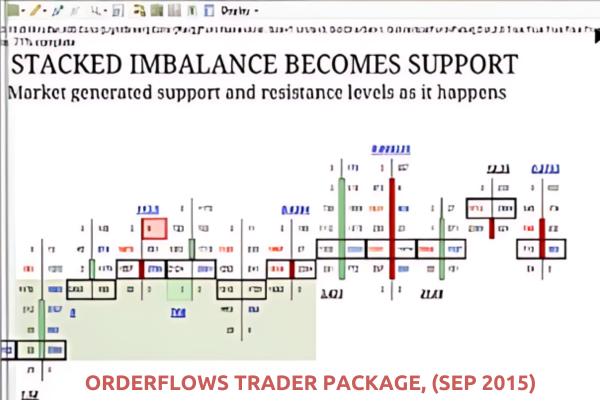 OrderFlows Trader Package, (Sep 2015)
1 × $54.00
OrderFlows Trader Package, (Sep 2015)
1 × $54.00 -
×
 The Random Character of Interest Rates with Joseph Murphy
1 × $6.00
The Random Character of Interest Rates with Joseph Murphy
1 × $6.00 -
×
 Mastering the Complex Sale: How to Compete and Win When the Stakes are High! with Jeff Thull
1 × $6.00
Mastering the Complex Sale: How to Compete and Win When the Stakes are High! with Jeff Thull
1 × $6.00 -
×
 $20 – 52k 20 pips a day challange with Rafał Zuchowicz - TopMasterTrader
1 × $5.00
$20 – 52k 20 pips a day challange with Rafał Zuchowicz - TopMasterTrader
1 × $5.00 -
×
 SQX Mentorship with Tip Toe Hippo
1 × $23.00
SQX Mentorship with Tip Toe Hippo
1 × $23.00 -
×
 Opening Bell Income Strategy with Todd Mitchell
1 × $54.00
Opening Bell Income Strategy with Todd Mitchell
1 × $54.00 -
×
 6 Live Sentiment Analysis Trading Bots using Python with The A.I. Whisperer
1 × $5.00
6 Live Sentiment Analysis Trading Bots using Python with The A.I. Whisperer
1 × $5.00 -
×
 The Hindenburg Strategy with Todd Mitchell
1 × $23.00
The Hindenburg Strategy with Todd Mitchell
1 × $23.00 -
×
 TenfoldFX Academy Course with Kenneth John
1 × $17.00
TenfoldFX Academy Course with Kenneth John
1 × $17.00 -
×
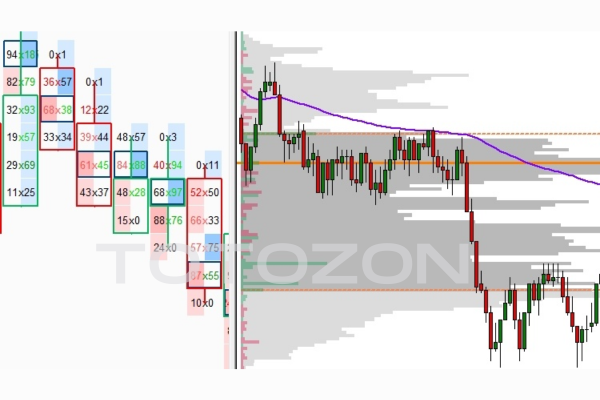 Day Trading with Volume Profile and Orderflow - Price Action Volume Trader
1 × $6.00
Day Trading with Volume Profile and Orderflow - Price Action Volume Trader
1 × $6.00 -
×
 Ultimate Trading Course with Dodgy's Dungeon
1 × $8.00
Ultimate Trading Course with Dodgy's Dungeon
1 × $8.00 -
×
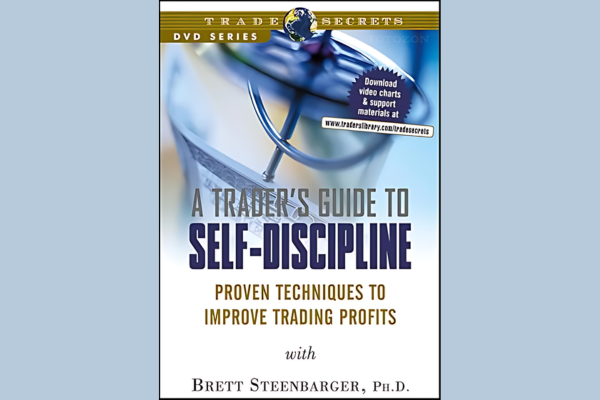 A Trader's Guide to Self-Discipline: Proven Techniques to Improve Trading Profits
1 × $6.00
A Trader's Guide to Self-Discipline: Proven Techniques to Improve Trading Profits
1 × $6.00 -
×
 Larry Connors Professional Day Trading for Success Program
1 × $62.00
Larry Connors Professional Day Trading for Success Program
1 × $62.00 -
×
 The Complete Guide to Multiple Time Frame Analysis & Reading Price Action with Aiman Almansoori
1 × $13.00
The Complete Guide to Multiple Time Frame Analysis & Reading Price Action with Aiman Almansoori
1 × $13.00 -
×
 Essential Skills for Consistency in Trading Class with Don Kaufman
1 × $6.00
Essential Skills for Consistency in Trading Class with Don Kaufman
1 × $6.00 -
×
 How to Trade Options 101 2021 with The Travel Trader
1 × $54.00
How to Trade Options 101 2021 with The Travel Trader
1 × $54.00 -
×
 Advanced Trading Techniques 2 CDs with Sammy Chua
1 × $6.00
Advanced Trading Techniques 2 CDs with Sammy Chua
1 × $6.00 -
×
 Traders Classroom Collection Volume 1-4 with Jeffrey Kennedy
1 × $15.00
Traders Classroom Collection Volume 1-4 with Jeffrey Kennedy
1 × $15.00 -
×
 Trading Options Effectively with Paul Forchione
1 × $4.00
Trading Options Effectively with Paul Forchione
1 × $4.00 -
×
 WondaFX Signature Strategy with WondaFX
1 × $5.00
WondaFX Signature Strategy with WondaFX
1 × $5.00 -
×
 Alternative Assets and Strategic Allocation with John Abbink
1 × $6.00
Alternative Assets and Strategic Allocation with John Abbink
1 × $6.00 -
×
 The Delphi Scalper 4 - Video + Metatrader Indicators with Jason Fielder
1 × $6.00
The Delphi Scalper 4 - Video + Metatrader Indicators with Jason Fielder
1 × $6.00 -
×
 Secrets of a Winning Trader with Gareth Soloway
1 × $871.00
Secrets of a Winning Trader with Gareth Soloway
1 × $871.00 -
×
 High Probability Trading Using Elliott Wave And Fibonacci Analysis withVic Patel - Forex Training Group
1 × $10.00
High Probability Trading Using Elliott Wave And Fibonacci Analysis withVic Patel - Forex Training Group
1 × $10.00 -
×
 Short-Term Trading, Long-Term Profits with John Leizman - McGraw-Hill
1 × $6.00
Short-Term Trading, Long-Term Profits with John Leizman - McGraw-Hill
1 × $6.00 -
×
 Yarimi University Course
1 × $56.00
Yarimi University Course
1 × $56.00 -
×
 The Banker’s Edge Webinar & Extras
1 × $6.00
The Banker’s Edge Webinar & Extras
1 × $6.00 -
×
 Trading Course 2024 with ZMC x BMO
1 × $17.00
Trading Course 2024 with ZMC x BMO
1 × $17.00 -
×
 Adz Trading Academy
1 × $5.00
Adz Trading Academy
1 × $5.00 -
×
 Quantamentals - The Next Great Forefront Of Trading and Investing with Trading Markets
1 × $8.00
Quantamentals - The Next Great Forefront Of Trading and Investing with Trading Markets
1 × $8.00 -
×
 Volatile Markets Made Easy: Trading Stocks and Options for Increased Profits with Guy Cohen
1 × $6.00
Volatile Markets Made Easy: Trading Stocks and Options for Increased Profits with Guy Cohen
1 × $6.00 -
×
 Traders Secret Code Complete Course with Mark McRae
1 × $6.00
Traders Secret Code Complete Course with Mark McRae
1 × $6.00 -
×
 Options Academy Elevate with Simon Ree - Tao of Trading
1 × $109.00
Options Academy Elevate with Simon Ree - Tao of Trading
1 × $109.00 -
×
 The Ultimate Trading Resource with Clayton Bell, Alex Viscusi & Ben Chaffee
1 × $6.00
The Ultimate Trading Resource with Clayton Bell, Alex Viscusi & Ben Chaffee
1 × $6.00 -
×
 Trading Short TermSame Day Trades Sep 2023 with Dan Sheridan & Mark Fenton - Sheridan Options Mentoring
1 × $31.00
Trading Short TermSame Day Trades Sep 2023 with Dan Sheridan & Mark Fenton - Sheridan Options Mentoring
1 × $31.00
Hedge Funds for Dummies
$6.00
File Size: Coming soon!
Delivery Time: 1–12 hours
Media Type: Online Course
Hedge Funds for Dummies
Introduction to Hedge Funds
Hedge funds can seem like a mystery wrapped in an enigma, especially for beginners. Let’s unravel this financial phenomenon step by step.
What is a Hedge Fund?
A hedge fund is an investment vehicle that pools capital from accredited investors or institutional investors and invests in a variety of assets, often with complex strategies.
Key Characteristics of Hedge Funds
- Private Investment Partnerships: Hedge funds are typically private and only open to qualified investors.
- Wide Range of Investments: These funds can invest in equities, bonds, commodities, currencies, derivatives, and more.
- Active Management: Hedge fund managers employ aggressive strategies to generate high returns.
History of Hedge Funds
The first hedge fund was created in 1949 by Alfred Winslow Jones. His innovative use of short selling and leverage laid the groundwork for the modern hedge fund industry.
Evolution Over Time
- 1960s-1980s: Hedge funds remained relatively obscure.
- 1990s: The industry gained prominence with notable successes and failures.
- 2000s-Present: Hedge funds have become a significant part of the financial ecosystem.
How Hedge Funds Work
Understanding the inner workings of hedge funds is crucial for any aspiring investor.
Fund Structure
Hedge funds are structured as limited partnerships, with the manager acting as the general partner and investors as limited partners.
Investment Strategies
- Long/Short Equity: Buying undervalued stocks and shorting overvalued ones.
- Market Neutral: Balancing long and short positions to mitigate market risk.
- Global Macro: Taking positions based on economic and political views of entire countries.
Hedge Fund Strategies
Hedge fund strategies are as diverse as the funds themselves. Here are a few common ones:
Equity Hedge
Investing in equity and equity-related instruments, often combining long and short positions.
Event-Driven
Investing based on events such as mergers, acquisitions, or bankruptcies.
Relative Value
Exploiting price differences between related securities.
Managed Futures
Trading futures contracts and options on futures.
Advantages of Hedge Funds
Why should an investor consider hedge funds? Here are some benefits:
Potential for High Returns
Hedge funds often aim for absolute returns, regardless of market conditions.
Diversification
Including hedge funds in a portfolio can reduce overall risk due to their diverse strategies.
Expert Management
Hedge funds are typically managed by experienced professionals with significant market expertise.
Risks of Hedge Funds
However, hedge funds are not without their risks. It’s important to be aware of the potential downsides.
High Fees
Hedge funds usually charge high management and performance fees.
Illiquidity
Investors may need to lock up their money for several years.
Leverage Risk
The use of borrowed money can amplify losses.
Regulations Governing Hedge Funds
Hedge funds operate under a different regulatory framework compared to mutual funds.
Accredited Investors
Only accredited investors with significant financial resources can invest in hedge funds.
Disclosure Requirements
Hedge funds are not required to disclose their holdings publicly, offering more privacy but less transparency.
How to Invest in Hedge Funds
Interested in investing in a hedge fund? Here’s a basic guide:
Finding a Hedge Fund
Research and select a fund that aligns with your investment goals.
Due Diligence
Perform thorough due diligence to understand the fund’s strategy, risks, and performance history.
Investment Process
- Initial Investment: Typically requires a significant minimum investment.
- Ongoing Monitoring: Regularly review fund performance and market conditions.
Popular Hedge Funds
Some hedge funds have achieved legendary status. Here are a few well-known names:
Bridgewater Associates
Founded by Ray Dalio, it’s the largest hedge fund in the world.
Renaissance Technologies
Known for its quantitative strategies and high returns.
Paulson & Co.
Gained fame for profiting from the 2008 financial crisis.
Conclusion
Hedge funds offer a unique investment opportunity with the potential for high returns and diversification. However, they come with significant risks and high fees. Proper due diligence and a clear understanding of their workings are crucial for anyone considering this investment avenue.
Frequently Asked Questions:
1. What is the minimum investment for a hedge fund?
Minimum investments typically range from $100,000 to $1 million or more.
2. Are hedge funds suitable for all investors?
No, they are usually only suitable for accredited investors with significant financial resources and risk tolerance.
3. How do hedge funds differ from mutual funds?
Hedge funds use more aggressive strategies and are less regulated compared to mutual funds.
4. Can hedge funds guarantee returns?
No, hedge funds cannot guarantee returns and come with significant risks.
5. How can I learn more about specific hedge funds?
Research online, consult financial advisors, and review hedge fund databases and industry reports.
Be the first to review “Hedge Funds for Dummies”
You must be logged in to post a review.
Related products
Forex Trading
Original price was: $2,997.00.$23.00Current price is: $23.00.

Forex Trading
Original price was: $4,997.00.$27.00Current price is: $27.00.

Forex Trading
Original price was: $697.00.$5.00Current price is: $5.00.
Original price was: $799.00.$15.00Current price is: $15.00.

Original price was: $649.00.$20.00Current price is: $20.00.

Forex Trading
Original price was: $2,000.00.$23.00Current price is: $23.00.

Original price was: $299.00.$8.00Current price is: $8.00.

Forex Trading
Original price was: $999.00.$15.00Current price is: $15.00.

Forex Trading
Original price was: $125.00.$17.00Current price is: $17.00.

Original price was: $695.00.$41.00Current price is: $41.00.

Original price was: $497.00.$31.00Current price is: $31.00.

Original price was: $2,120.00.$15.00Current price is: $15.00.

Original price was: $997.00.$8.00Current price is: $8.00.

Forex Trading
Original price was: $1,098.00.$39.00Current price is: $39.00.

Original price was: $1,800.00.$54.00Current price is: $54.00.
Forex Trading
Original price was: $797.00.$10.00Current price is: $10.00.

Original price was: $139.00.$23.00Current price is: $23.00.

Original price was: $895.00.$15.00Current price is: $15.00.

Original price was: $1,849.00.$15.00Current price is: $15.00.
Forex Trading
Original price was: $2,995.00.$31.00Current price is: $31.00.

Reviews
There are no reviews yet.