
-
×
 Systems Mastery Course with Chris Dover - Pollinate Trading
1 × $5.00
Systems Mastery Course with Chris Dover - Pollinate Trading
1 × $5.00 -
×
 E-Bonds: An Introduction to the Online Bond Market with Jake Wengroff
1 × $6.00
E-Bonds: An Introduction to the Online Bond Market with Jake Wengroff
1 × $6.00 -
×
 Earnings Reaction Gaps Workshop with John Pocorobba
1 × $27.00
Earnings Reaction Gaps Workshop with John Pocorobba
1 × $27.00 -
×
 Get More Leads Quickly with Brittany Lynch
1 × $6.00
Get More Leads Quickly with Brittany Lynch
1 × $6.00 -
×
 Seller Specialist Program with Chris Prefontaine
1 × $62.00
Seller Specialist Program with Chris Prefontaine
1 × $62.00 -
×
 Dan Sheridan Volatility Class
1 × $6.00
Dan Sheridan Volatility Class
1 × $6.00 -
×
 Flipping Markets Video Course (2022)
1 × $5.00
Flipping Markets Video Course (2022)
1 × $5.00 -
×
 Capital On Demand Masterclass with Attorney & Nate Dodson
1 × $311.00
Capital On Demand Masterclass with Attorney & Nate Dodson
1 × $311.00 -
×
 Real Motion Trading with MarketGauge
1 × $62.00
Real Motion Trading with MarketGauge
1 × $62.00 -
×
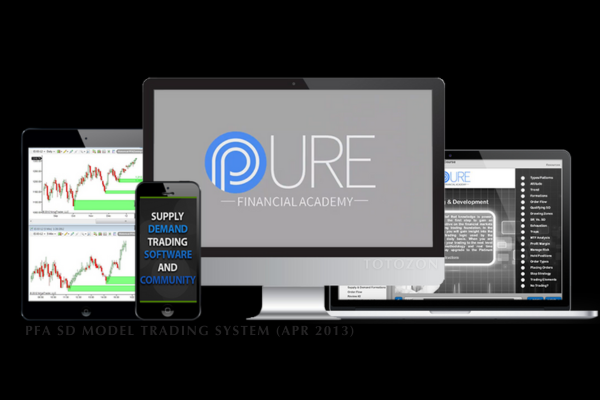 PFA SD Model Trading System (Apr 2013)
1 × $31.00
PFA SD Model Trading System (Apr 2013)
1 × $31.00 -
×
 The Complete Guide to Multiple Time Frame Analysis & Reading Price Action with Aiman Almansoori
1 × $13.00
The Complete Guide to Multiple Time Frame Analysis & Reading Price Action with Aiman Almansoori
1 × $13.00 -
×
 ApexFX Pro
1 × $5.00
ApexFX Pro
1 × $5.00 -
×
 The GBP USD Trading System with A.Heuscher
1 × $6.00
The GBP USD Trading System with A.Heuscher
1 × $6.00 -
×
 SnD SMC Course
1 × $10.00
SnD SMC Course
1 × $10.00 -
×
 Trading Blox Builder 4.3.2.1
1 × $31.00
Trading Blox Builder 4.3.2.1
1 × $31.00 -
×
 The FX Swing Trading Blueprint with Swing FX
1 × $6.00
The FX Swing Trading Blueprint with Swing FX
1 × $6.00 -
×
 Maximum Returns with Infinity Spreads Class with Don Kaufman
1 × $6.00
Maximum Returns with Infinity Spreads Class with Don Kaufman
1 × $6.00 -
×
 The Bull Hunter with Dan Denning
1 × $6.00
The Bull Hunter with Dan Denning
1 × $6.00 -
×
 The Jupiter Effect with John Gribbin & Stephen Plagemann
1 × $6.00
The Jupiter Effect with John Gribbin & Stephen Plagemann
1 × $6.00 -
×
 Covered Calls Income Generation for Your Stocks With Don Kaufman
1 × $6.00
Covered Calls Income Generation for Your Stocks With Don Kaufman
1 × $6.00 -
×
 Low Timeframe Supply & Demand with RROP
1 × $5.00
Low Timeframe Supply & Demand with RROP
1 × $5.00 -
×
 FOUS4 with Cameron Fous
1 × $5.00
FOUS4 with Cameron Fous
1 × $5.00 -
×
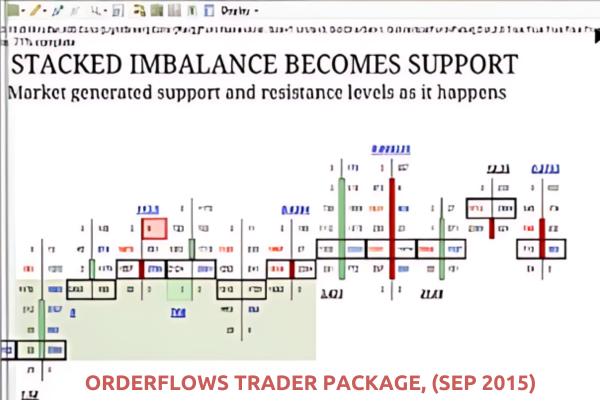 OrderFlows Trader Package, (Sep 2015)
1 × $54.00
OrderFlows Trader Package, (Sep 2015)
1 × $54.00 -
×
 Self-Managed Trading with Stochastics By George Lane
1 × $4.00
Self-Managed Trading with Stochastics By George Lane
1 × $4.00 -
×
 Full 2 Day Dark Pool And Market Strategy Training
1 × $6.00
Full 2 Day Dark Pool And Market Strategy Training
1 × $6.00 -
×
 Most Woke Trading Methods with Hunter FX
1 × $5.00
Most Woke Trading Methods with Hunter FX
1 × $5.00 -
×
 Strategic Swing Trader with Sami Abusaad
1 × $6.00
Strategic Swing Trader with Sami Abusaad
1 × $6.00 -
×
 High Yield Investments I & II with Lance Spicer
1 × $6.00
High Yield Investments I & II with Lance Spicer
1 × $6.00 -
×
 Day One Trader with John Sussex
1 × $6.00
Day One Trader with John Sussex
1 × $6.00 -
×
 The Golden Rule with Jim Gibbons
1 × $6.00
The Golden Rule with Jim Gibbons
1 × $6.00 -
×
 The Introduction to the Magee System of Technical Analysis CD with John Magee
1 × $6.00
The Introduction to the Magee System of Technical Analysis CD with John Magee
1 × $6.00 -
×
 Tape Reading Big Caps 1 on 1 with Jtrader
1 × $6.00
Tape Reading Big Caps 1 on 1 with Jtrader
1 × $6.00 -
×
 The Alvarez Factor
1 × $23.00
The Alvarez Factor
1 × $23.00 -
×
 The Complete Turtle Trader with Michael Covel
1 × $6.00
The Complete Turtle Trader with Michael Covel
1 × $6.00 -
×
 Trading Strategies for Capital Markets with Joseph Benning
1 × $6.00
Trading Strategies for Capital Markets with Joseph Benning
1 × $6.00 -
×
 How I Made One Million Dollars with Larry Williams
1 × $6.00
How I Made One Million Dollars with Larry Williams
1 × $6.00 -
×
 System Building Masterclass
1 × $31.00
System Building Masterclass
1 × $31.00 -
×
 Emini Volume Break Out System
1 × $6.00
Emini Volume Break Out System
1 × $6.00 -
×
 Seasonal Stock Market Trends: The Definitive Guide to Calendar‐Based Stock Market Trading with Jay Kaeppel
1 × $6.00
Seasonal Stock Market Trends: The Definitive Guide to Calendar‐Based Stock Market Trading with Jay Kaeppel
1 × $6.00 -
×
 Dynamic Time and Price Analysis of Market Trends with Bruce Gilmore
1 × $6.00
Dynamic Time and Price Analysis of Market Trends with Bruce Gilmore
1 × $6.00 -
×
 The Ultimate Trading Resource with Clayton Bell, Alex Viscusi & Ben Chaffee
1 × $6.00
The Ultimate Trading Resource with Clayton Bell, Alex Viscusi & Ben Chaffee
1 × $6.00 -
×
 Simulating Continuous Fuzzy Systems with James Buckley & Leonard Jowers
1 × $6.00
Simulating Continuous Fuzzy Systems with James Buckley & Leonard Jowers
1 × $6.00 -
×
 The Mathematics of Money Management. Risk Analysis Techniques for Traders
1 × $6.00
The Mathematics of Money Management. Risk Analysis Techniques for Traders
1 × $6.00 -
×
 Building Automated Trading Systems C++.NET with Benjamin Van Vliet
1 × $6.00
Building Automated Trading Systems C++.NET with Benjamin Van Vliet
1 × $6.00 -
×
 Hands On Training Bundle with Talkin Options
1 × $23.00
Hands On Training Bundle with Talkin Options
1 × $23.00 -
×
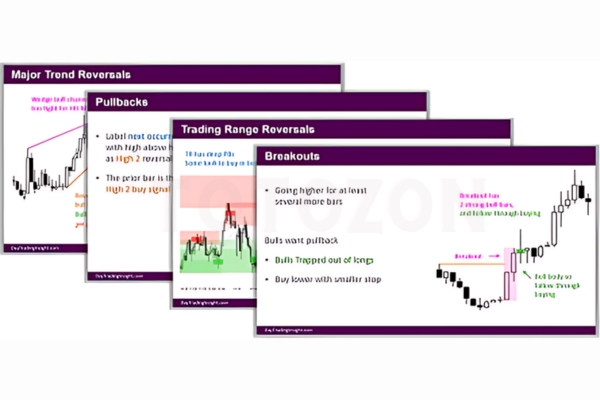 Day Trading Insight with Al Brooks
1 × $10.00
Day Trading Insight with Al Brooks
1 × $10.00 -
×
 Dynamic Time Cycles with Peter Eliades
1 × $6.00
Dynamic Time Cycles with Peter Eliades
1 × $6.00 -
×
 Timing is Everything with Robert M.Barnes
1 × $6.00
Timing is Everything with Robert M.Barnes
1 × $6.00 -
×
 Top 20 SP500 Trading Strategies Course with Larry Connors
1 × $23.00
Top 20 SP500 Trading Strategies Course with Larry Connors
1 × $23.00 -
×
 Investing In Fixer-Uppers 2003 with Jay DeCima
1 × $6.00
Investing In Fixer-Uppers 2003 with Jay DeCima
1 × $6.00 -
×
 Stock Trading Wizard
1 × $6.00
Stock Trading Wizard
1 × $6.00 -
×
 Electronic Trading "TNT" I Gorilla Trading Stuff with Joe Ross & Mark Cherlin
1 × $6.00
Electronic Trading "TNT" I Gorilla Trading Stuff with Joe Ross & Mark Cherlin
1 × $6.00 -
×
 Pete Fader VSA Course
1 × $6.00
Pete Fader VSA Course
1 × $6.00 -
×
 CAT 2007 Seminar with Stephen W.Bigalow
1 × $6.00
CAT 2007 Seminar with Stephen W.Bigalow
1 × $6.00 -
×
 Steve Nison Member Files
1 × $6.00
Steve Nison Member Files
1 × $6.00 -
×
 Crystal Ball Pack PLUS bonus Live Trade By Pat Mitchell - Trick Trades
1 × $20.00
Crystal Ball Pack PLUS bonus Live Trade By Pat Mitchell - Trick Trades
1 × $20.00
Harmonic Elliott Wave: The Case for Modification of R. N. Elliott’s Impulsive Wave Structure with Ian Copsey
$6.00
File Size: Coming soon!
Delivery Time: 1–12 hours
Media Type: Online Course
Harmonic Elliott Wave: The Case for Modification of R. N. Elliott’s Impulsive Wave Structure with Ian Copsey
Introduction
In the intricate world of technical analysis, the Elliott Wave Theory has stood as a cornerstone for understanding market cycles. Ian Copsey, a distinguished analyst, has introduced a compelling modification to this theory through his concept of the Harmonic Elliott Wave. This article explores Copsey’s innovative approach, which refines and extends R. N. Elliott’s original impulsive wave structure.
Who is Ian Copsey?
A Veteran in Market Analysis Ian Copsey is a seasoned technical analyst who has dedicated his career to enhancing and applying the Elliott Wave Theory in contemporary financial markets.
Understanding Elliott Wave Theory
The Basics of R. N. Elliott’s Theory R. N. Elliott proposed that market movements follow a predictable, natural rhythm of five waves in the direction of the trend followed by three corrective waves. This fractal model has been used to forecast financial markets with remarkable accuracy.
The Need for Modification
Why Modify Elliott’s Wave Theory? While Elliott’s original theory has been incredibly influential, Copsey argues that certain market conditions have evolved in ways that Elliott’s initial model does not fully account for.
Harmonic Elliott Wave Explained
Defining the Harmonic Modifications Ian Copsey’s Harmonic Elliott Wave introduces adjustments that account for more complex market dynamics, ensuring that the wave theory remains robust in today’s volatile trading environments.
Key Components of Copsey’s Model
- Adjustment of Wave Structures: Copsey modifies the count of waves in certain phases to reflect modern market behaviors.
- Integration of Fibonacci Ratios: Harmonic patterns rely heavily on Fibonacci ratios to predict the end points of waves more accurately.
Applying Harmonic Elliott Wave in Trading
Practical Application for Traders Understanding how to apply these modifications can significantly enhance a trader’s ability to predict market turns and trends.
Case Studies and Examples We will review real-world applications of the Harmonic Elliott Wave method to illustrate its effectiveness in live market conditions.
Benefits of Harmonic Elliott Wave
Enhanced Accuracy and Reliability Traders who use the Harmonic Elliott Wave method often report improved accuracy in their predictive models, leading to better trading outcomes.
Challenges and Considerations
Learning Curve Adopting Copsey’s modifications requires an understanding of both basic and advanced concepts in wave theory, which may be challenging for newcomers.
The Future of Wave Analysis
Evolving with the Markets As financial markets continue to evolve, so too must the analytical tools we use, a philosophy that Ian Copsey champions with his modifications.
Conclusion
Ian Copsey’s Harmonic Elliott Wave represents a significant evolution in the application of Elliott Wave Theory. By adapting the classic model to better fit modern market conditions, Copsey has enhanced the toolset available to technical analysts and traders worldwide.
FAQs
1. What is the Elliott Wave Theory?
The Elliott Wave Theory is a form of technical analysis that predicts future price movements by identifying crowd psychology that manifests in waves.
2. How does the Harmonic Elliott Wave differ from the traditional model?
The Harmonic Elliott Wave incorporates modifications to the wave structures and integrates Fibonacci ratios to improve prediction accuracy.
3. Who can benefit from using the Harmonic Elliott Wave?
Both novice and experienced traders can benefit from the Harmonic Elliott Wave, especially those looking for a deeper understanding of market dynamics.
4. What are Fibonacci ratios?
Fibonacci ratios are mathematical relationships derived from the Fibonacci sequence, widely used in technical analysis to predict areas of support and resistance.
5. How can one learn the Harmonic Elliott Wave method?
Learning the Harmonic Elliott Wave method typically involves studying technical analysis literature, attending workshops, and practicing under experienced traders.
Be the first to review “Harmonic Elliott Wave: The Case for Modification of R. N. Elliott’s Impulsive Wave Structure with Ian Copsey”
You must be logged in to post a review.
Related products
Forex Trading
The Complete Guide to Multiple Time Frame Analysis & Reading Price Action with Aiman Almansoori
Original price was: $1,399.00.$13.00Current price is: $13.00.

Original price was: $4,995.00.$15.00Current price is: $15.00.

Forex Trading
Quantamentals – The Next Great Forefront Of Trading and Investing with Trading Markets
Original price was: $1,495.00.$8.00Current price is: $8.00.

Forex Trading
Original price was: $125.00.$17.00Current price is: $17.00.

Original price was: $1,800.00.$54.00Current price is: $54.00.

Forex Trading
Original price was: $797.00.$10.00Current price is: $10.00.

Forex Trading
Original price was: $1,098.00.$39.00Current price is: $39.00.

Forex Trading
Original price was: $500.00.$5.00Current price is: $5.00.

Forex Trading
Original price was: $239.00.$8.00Current price is: $8.00.

Original price was: $799.00.$15.00Current price is: $15.00.

Original price was: $497.00.$11.00Current price is: $11.00.

Forex Trading
Original price was: $799.00.$15.00Current price is: $15.00.

Original price was: $700.00.$39.00Current price is: $39.00.

Forex Trading
Original price was: $550.00.$5.00Current price is: $5.00.

Original price was: $310.00.$23.00Current price is: $23.00.

Original price was: $895.00.$15.00Current price is: $15.00.

Original price was: $1,849.00.$15.00Current price is: $15.00.

Forex Trading
Original price was: $999.00.$15.00Current price is: $15.00.

Original price was: $999.00.$5.00Current price is: $5.00.

Forex Trading
Original price was: $1,898.00.$10.00Current price is: $10.00.

Reviews
There are no reviews yet.