
-
×
 Mentfx Paid Mentoship (2021)
1 × $5.00
Mentfx Paid Mentoship (2021)
1 × $5.00 -
×
 Offensive & Defensive Strengths of Stocks, Groups & Sectors Gary Anderson
1 × $6.00
Offensive & Defensive Strengths of Stocks, Groups & Sectors Gary Anderson
1 × $6.00 -
×
 War Room Psychology Vol. 1 with Pat Mitchell – Trick Trades
1 × $23.00
War Room Psychology Vol. 1 with Pat Mitchell – Trick Trades
1 × $23.00 -
×
 Top Futures Day Trading Course DVD
1 × $6.00
Top Futures Day Trading Course DVD
1 × $6.00 -
×
 CyberTrading University – Advanced Stock Course
1 × $31.00
CyberTrading University – Advanced Stock Course
1 × $31.00 -
×
 Forex Trading For Beginners with John Jagerson - Investopedia Academy
1 × $6.00
Forex Trading For Beginners with John Jagerson - Investopedia Academy
1 × $6.00 -
×
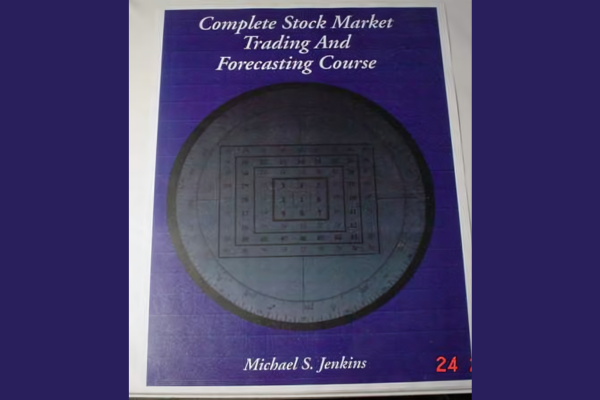 Complete Stockmarket Trading and Forecasting Course
1 × $6.00
Complete Stockmarket Trading and Forecasting Course
1 × $6.00 -
×
 HOW TO TRADE GAPS
1 × $15.00
HOW TO TRADE GAPS
1 × $15.00 -
×
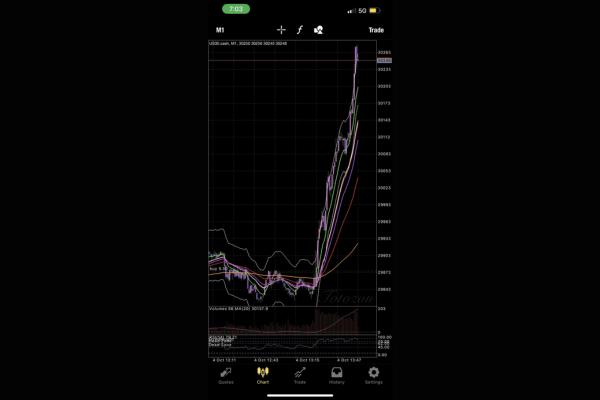 Cheatcode Trend System with Dominique Woodson
1 × $15.00
Cheatcode Trend System with Dominique Woodson
1 × $15.00 -
×
 Master Class: Income Trading with Option Pit
1 × $101.00
Master Class: Income Trading with Option Pit
1 × $101.00 -
×
 Pristine - Noble DraKoln – The Complete Liverpool Futures Seminar Series
1 × $6.00
Pristine - Noble DraKoln – The Complete Liverpool Futures Seminar Series
1 × $6.00 -
×
 The Obnoxious Profit Method – Truly Obnoxious Profits Strategy {TOPS}
1 × $15.00
The Obnoxious Profit Method – Truly Obnoxious Profits Strategy {TOPS}
1 × $15.00 -
×
 Trading Power Tools with Ryan Litchfield
1 × $6.00
Trading Power Tools with Ryan Litchfield
1 × $6.00 -
×
 Pristine - Greg Capra – Sentiment Internal Indicators. Winning Swing & Position Trading
1 × $6.00
Pristine - Greg Capra – Sentiment Internal Indicators. Winning Swing & Position Trading
1 × $6.00 -
×
 W. D Gann 's Square Of 9 Applied To Modern Markets with Sean Avidar - Hexatrade350
1 × $23.00
W. D Gann 's Square Of 9 Applied To Modern Markets with Sean Avidar - Hexatrade350
1 × $23.00 -
×
 Fibonacci Swing Trader 2.0 with Frank Paul - Forexmentor
1 × $6.00
Fibonacci Swing Trader 2.0 with Frank Paul - Forexmentor
1 × $6.00 -
×
 Ichimoku Cloud Triple Confirmation Indicator and Scan with AlphaShark
1 × $31.00
Ichimoku Cloud Triple Confirmation Indicator and Scan with AlphaShark
1 × $31.00 -
×
 $20 – 52k 20 pips a day challange with Rafał Zuchowicz - TopMasterTrader
1 × $5.00
$20 – 52k 20 pips a day challange with Rafał Zuchowicz - TopMasterTrader
1 × $5.00 -
×
 Central Bank Trading Strategies with AXIA Futures
1 × $5.00
Central Bank Trading Strategies with AXIA Futures
1 × $5.00 -
×
 OFA Ninja Full Software Suite v7.9.1.5
1 × $54.00
OFA Ninja Full Software Suite v7.9.1.5
1 × $54.00 -
×
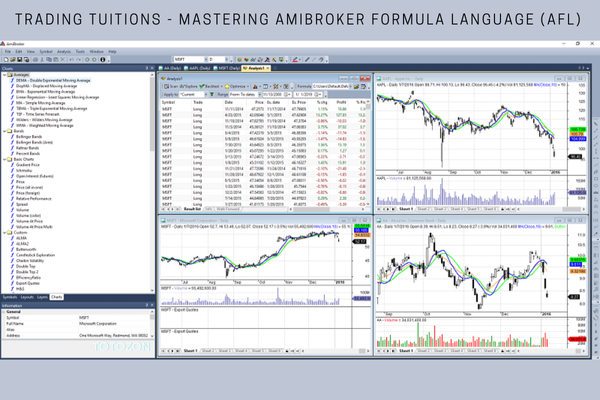 Trading Tuitions - Mastering Amibroker Formula Language (AFL)
1 × $15.00
Trading Tuitions - Mastering Amibroker Formula Language (AFL)
1 × $15.00 -
×
 Big Fish: Mako Momentum Strategy
1 × $23.00
Big Fish: Mako Momentum Strategy
1 × $23.00 -
×
 Beyond Fibonacci Retracements with Dynamic Traders
1 × $5.00
Beyond Fibonacci Retracements with Dynamic Traders
1 × $5.00 -
×
 Key to Speculation on the New York Stock Exchange
1 × $6.00
Key to Speculation on the New York Stock Exchange
1 × $6.00 -
×
 Learning How to Successfully Trade the E-mini & S&P 500 Markets
1 × $6.00
Learning How to Successfully Trade the E-mini & S&P 500 Markets
1 × $6.00 -
×
 Wall Street Training
1 × $6.00
Wall Street Training
1 × $6.00 -
×
 Pattern Cycles with Alan Farley
1 × $6.00
Pattern Cycles with Alan Farley
1 × $6.00 -
×
 Day Trading and Swing Trading Strategies For Stocks By Mohsen Hassan
1 × $6.00
Day Trading and Swing Trading Strategies For Stocks By Mohsen Hassan
1 × $6.00 -
×
 Handbook for Enviroment Risk Decision Making with C.Richard Cothern
1 × $6.00
Handbook for Enviroment Risk Decision Making with C.Richard Cothern
1 × $6.00 -
×
 Edge Trading Group with Edge Elite
1 × $6.00
Edge Trading Group with Edge Elite
1 × $6.00 -
×
 Jesse Livermore Trading System with Joe Marwood - Marwood Research
1 × $15.00
Jesse Livermore Trading System with Joe Marwood - Marwood Research
1 × $15.00 -
×
 Winning the Losers Game with Charles Ellis
1 × $6.00
Winning the Losers Game with Charles Ellis
1 × $6.00 -
×
 Price Action Trading Volume 1 with Fractal Flow Pro
1 × $6.00
Price Action Trading Volume 1 with Fractal Flow Pro
1 × $6.00 -
×
 NYC REPLAYS 2018
1 × $6.00
NYC REPLAYS 2018
1 × $6.00 -
×
 The Gorilla Game (Revised Ed.) with Greoffrey A.Moore & Paul Johnson
1 × $6.00
The Gorilla Game (Revised Ed.) with Greoffrey A.Moore & Paul Johnson
1 × $6.00 -
×
 The Indices Orderflow Masterclass with The Forex Scalpers
1 × $23.00
The Indices Orderflow Masterclass with The Forex Scalpers
1 × $23.00
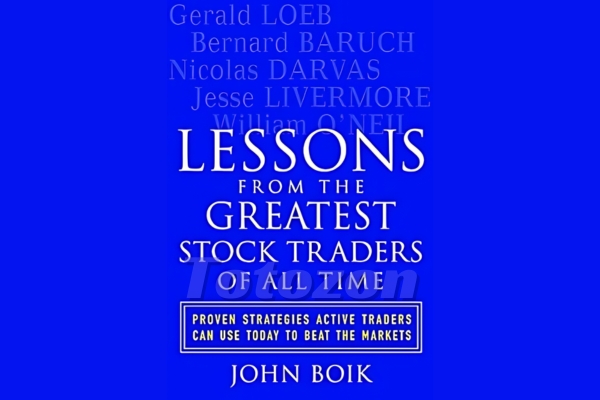
Lessons from the Greatest Stock Traders of all Time with John Boik
$6.00
File Size: Coming soon!
Delivery Time: 1–12 hours
Media Type: Online Course
Lessons from the Greatest Stock Traders of All Time with John Boik
Introduction to Legendary Stock Traders
Learning from the best in the business is always a smart move. In “Lessons from the Greatest Stock Traders of All Time,” John Boik offers invaluable insights into the strategies and mindsets of the most successful traders. This article delves into the key lessons from these legendary figures and how you can apply them to your trading journey.
Who is John Boik?
John Boik is an accomplished author and trader known for his in-depth research on stock trading legends. His works focus on distilling the principles and tactics of great traders, making them accessible to contemporary investors.
The Importance of Studying Stock Trading Legends
Understanding the techniques and strategies used by the greatest traders helps modern investors improve their own trading methods. These lessons provide a historical perspective and timeless principles applicable to today’s markets.
Jesse Livermore: The Pioneer of Modern Speculation
Background
Jesse Livermore, often called the greatest trader of all time, was known for his ability to make and lose fortunes in the stock market. His career offers numerous lessons on speculation and risk management.
Key Lessons
- Trend Following: Livermore emphasized the importance of following market trends and avoiding the temptation to predict reversals.
- Cutting Losses: He was a strong advocate for cutting losses quickly to protect capital.
- Patience and Timing: Livermore believed in waiting for the right opportunities and timing his trades precisely.
Bernard Baruch: The Sage Investor
Background
Bernard Baruch was a renowned financier and stock market speculator known for his shrewd investment strategies and market insights.
Key Lessons
- Diversification: Baruch stressed the importance of diversifying investments to manage risk.
- Economic Indicators: He utilized economic indicators to guide his investment decisions.
- Self-Reliance: Baruch advocated for making independent investment decisions based on thorough research.
Gerald Loeb: The Defensive Investor
Background
Gerald Loeb was a founding partner of E.F. Hutton & Co. and a highly successful stock trader known for his defensive investment strategies.
Key Lessons
- Capital Preservation: Loeb prioritized preserving capital over chasing high returns.
- Market Timing: He focused on timing the market to maximize profits and minimize losses.
- Avoiding the Crowd: Loeb believed in avoiding the herd mentality and making contrarian investment decisions.
Nicolas Darvas: The Dancing Trader
Background
Nicolas Darvas, a professional dancer turned trader, made millions in the stock market using his unique “Darvas Box” trading method.
Key Lessons
- Technical Analysis: Darvas relied heavily on technical analysis to make his trading decisions.
- Self-Discipline: He emphasized the importance of self-discipline and sticking to a trading plan.
- Learning from Mistakes: Darvas continually refined his strategies based on past mistakes and successes.
William J. O’Neil: The CAN SLIM Innovator
Background
William J. O’Neil, the founder of Investor’s Business Daily, developed the CAN SLIM strategy, which has helped countless investors achieve market success.
Key Lessons
- Growth Stocks: O’Neil focused on identifying growth stocks with strong fundamentals and earnings potential.
- Market Timing: He used chart patterns and technical indicators to time his market entries and exits.
- Continuous Learning: O’Neil stressed the importance of continuous learning and adapting to market changes.
Applying These Lessons to Modern Trading
Developing a Trading Plan
Create a comprehensive trading plan that incorporates risk management, entry and exit strategies, and position sizing. This plan should be based on your personal goals and risk tolerance.
Emphasizing Risk Management
Implement strict risk management rules to protect your capital. Use stop-loss orders and diversify your portfolio to mitigate potential losses.
Continuous Education
Stay informed about market trends, economic indicators, and new trading strategies. Continuous education is key to staying competitive in the ever-evolving market.
Emotional Discipline
Maintain emotional discipline by avoiding impulsive decisions based on market fluctuations. Stick to your trading plan and remain patient.
Leveraging Technology
Use trading software and tools to enhance your analysis and decision-making process. Technology can help you identify patterns and execute trades more efficiently.
Conclusion
“Lessons from the Greatest Stock Traders of All Time” with John Boik provides timeless insights that can transform your trading approach. By learning from the successes and failures of legendary traders, you can develop a robust trading strategy that stands the test of time.
FAQs
What is the main focus of John Boik’s book?
The book focuses on distilling the strategies and principles of the greatest stock traders in history, providing valuable lessons for modern investors.
How can studying past traders improve my trading?
Studying past traders helps you understand proven strategies, avoid common mistakes, and gain a historical perspective on market behavior.
What is the CAN SLIM strategy?
The CAN SLIM strategy, developed by William J. O’Neil, is a growth stock investing strategy that focuses on seven key factors: Current earnings, Annual earnings, New products, Supply and demand, Leader or laggard, Institutional sponsorship, and Market direction.
Why is emotional discipline important in trading?
Emotional discipline is crucial for making rational decisions and avoiding impulsive actions based on market volatility, which can lead to significant losses.
How can I implement these lessons in my trading?
Develop a trading plan, prioritize risk management, continuously educate yourself, maintain emotional discipline, and leverage technology to enhance your trading strategies.
Be the first to review “Lessons from the Greatest Stock Traders of all Time with John Boik”
You must be logged in to post a review.
Related products

Forex Trading
Original price was: $697.00.$5.00Current price is: $5.00.

Original price was: $799.00.$15.00Current price is: $15.00.
Original price was: $450.00.$23.00Current price is: $23.00.

Original price was: $997.00.$13.00Current price is: $13.00.

Forex Trading
Original price was: $1,898.00.$10.00Current price is: $10.00.

Forex Trading
Original price was: $850.00.$23.00Current price is: $23.00.

Forex Trading
Original price was: $2,000.00.$23.00Current price is: $23.00.

Forex Trading
The Complete Guide to Multiple Time Frame Analysis & Reading Price Action with Aiman Almansoori
Original price was: $1,399.00.$13.00Current price is: $13.00.

Original price was: $700.00.$39.00Current price is: $39.00.

Forex Trading
Original price was: $397.00.$31.00Current price is: $31.00.

Original price was: $497.00.$11.00Current price is: $11.00.

Forex Trading
Original price was: $4,997.00.$27.00Current price is: $27.00.

Original price was: $2,120.00.$15.00Current price is: $15.00.

Original price was: $1,849.00.$15.00Current price is: $15.00.

Forex Trading
Original price was: $1,098.00.$39.00Current price is: $39.00.
Original price was: $139.00.$23.00Current price is: $23.00.

Forex Trading
Original price was: $999.00.$15.00Current price is: $15.00.

Original price was: $999.00.$5.00Current price is: $5.00.

Original price was: $4,995.00.$15.00Current price is: $15.00.
Original price was: $197.00.$5.00Current price is: $5.00.
Reviews
There are no reviews yet.