
-
×
 A Really Friendly Guide to Wavelets with C.Vallens
1 × $6.00
A Really Friendly Guide to Wavelets with C.Vallens
1 × $6.00 -
×
 9-Pack of TOS Indicators
1 × $6.00
9-Pack of TOS Indicators
1 × $6.00 -
×
 Algo Trading Masterclass with Ali Casey - StatOasis
1 × $23.00
Algo Trading Masterclass with Ali Casey - StatOasis
1 × $23.00 -
×
 The Orderflows Trade Opportunities Encyclopedia with Michael Valtos
1 × $8.00
The Orderflows Trade Opportunities Encyclopedia with Michael Valtos
1 × $8.00 -
×
 The Trading Blueprint with Brad Goh - The Trading Geek
1 × $5.00
The Trading Blueprint with Brad Goh - The Trading Geek
1 × $5.00 -
×
 Scalp Strategy and Flipping Small Accounts with Opes Trading Group
1 × $5.00
Scalp Strategy and Flipping Small Accounts with Opes Trading Group
1 × $5.00 -
×
 White Phoenix’s The Smart (Money) Approach to Trading with Jayson Casper
1 × $39.00
White Phoenix’s The Smart (Money) Approach to Trading with Jayson Casper
1 × $39.00 -
×
 14-Day Options Trading Bootcamp (Jule 2014)
1 × $15.00
14-Day Options Trading Bootcamp (Jule 2014)
1 × $15.00 -
×
 Home Run Options Trading Course with Dave Aquino - Base Camp Trading
1 × $11.00
Home Run Options Trading Course with Dave Aquino - Base Camp Trading
1 × $11.00 -
×
 The Python for Traders Masterclass with Mr James
1 × $10.00
The Python for Traders Masterclass with Mr James
1 × $10.00 -
×
 3 Day WorkShop with HYDRA
1 × $13.00
3 Day WorkShop with HYDRA
1 × $13.00 -
×
 How I've Achieved Triple-Digit Returns Daytrading: 4 Hours A Day with David Floyd
1 × $6.00
How I've Achieved Triple-Digit Returns Daytrading: 4 Hours A Day with David Floyd
1 × $6.00 -
×
 Bond Market Course with The Macro Compass
1 × $15.00
Bond Market Course with The Macro Compass
1 × $15.00 -
×
 3_8’s to Wealth (Audio 84 MB+ WorkBooks) with Darlene Nelson
1 × $6.00
3_8’s to Wealth (Audio 84 MB+ WorkBooks) with Darlene Nelson
1 × $6.00 -
×
 Earnings Reaction Gaps Workshop with John Pocorobba
1 × $27.00
Earnings Reaction Gaps Workshop with John Pocorobba
1 × $27.00 -
×
 Traders: Risks, Decisions, and Management in Financial Markets - Mark Fenton-O’Creevy, Nigel Nicholson, Emma Soane & Paul Willman
1 × $6.00
Traders: Risks, Decisions, and Management in Financial Markets - Mark Fenton-O’Creevy, Nigel Nicholson, Emma Soane & Paul Willman
1 × $6.00 -
×
 0 DTE Options Trading Workshop with Aeromir Corporation
1 × $15.00
0 DTE Options Trading Workshop with Aeromir Corporation
1 × $15.00 -
×
 Ron Wagner - Creating a Profitable Trading & Investing Plan + Techniques to Perfect Your Intraday GAP
1 × $6.00
Ron Wagner - Creating a Profitable Trading & Investing Plan + Techniques to Perfect Your Intraday GAP
1 × $6.00 -
×
 3 Hour Calendar Class With Bonus 3 Months Daily Analysis!
1 × $23.00
3 Hour Calendar Class With Bonus 3 Months Daily Analysis!
1 × $23.00 -
×
 TradeCraft: Your Path to Peak Performance Trading By Adam Grimes
1 × $15.00
TradeCraft: Your Path to Peak Performance Trading By Adam Grimes
1 × $15.00 -
×
 Guidelines for Analysis and Establishing a Trading Plan with Charles Drummond
1 × $6.00
Guidelines for Analysis and Establishing a Trading Plan with Charles Drummond
1 × $6.00 -
×
 Best of the Best: Collars with Amy Meissner & Scott Ruble
1 × $15.00
Best of the Best: Collars with Amy Meissner & Scott Ruble
1 × $15.00 -
×
 Traders Edge with Steven Dux
1 × $5.00
Traders Edge with Steven Dux
1 × $5.00 -
×
 How To Read The Market Professionally with TradeSmart
1 × $27.00
How To Read The Market Professionally with TradeSmart
1 × $27.00 -
×
 Wyckoff Unleashed Official Online Course (2018) with Wyckoffsmi
1 × $23.00
Wyckoff Unleashed Official Online Course (2018) with Wyckoffsmi
1 × $23.00 -
×
 How to Build Fortune. Trading Stock Index Futures with Dennis Minogue
1 × $6.00
How to Build Fortune. Trading Stock Index Futures with Dennis Minogue
1 × $6.00 -
×
 Quantamentals - The Next Great Forefront Of Trading and Investing with Trading Markets
1 × $8.00
Quantamentals - The Next Great Forefront Of Trading and Investing with Trading Markets
1 × $8.00 -
×
 Advanced Strategies for Option Trading Success with James Bittman
1 × $6.00
Advanced Strategies for Option Trading Success with James Bittman
1 × $6.00 -
×
 Advanced Spread Trading with Guy Bower - MasterClass Trader
1 × $15.00
Advanced Spread Trading with Guy Bower - MasterClass Trader
1 × $15.00 -
×
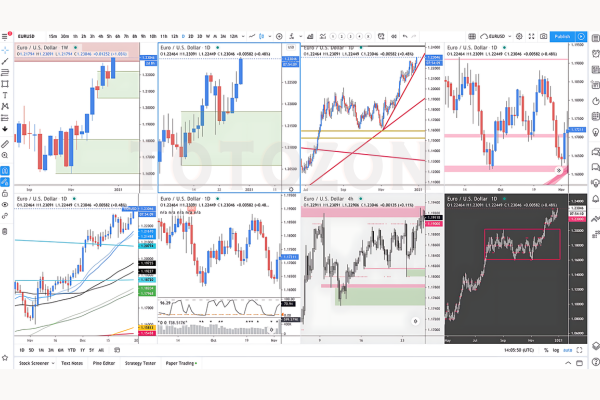 Supply And Demand Zone Trading Course with Trading180
1 × $5.00
Supply And Demand Zone Trading Course with Trading180
1 × $5.00 -
×
 WondaFX Signature Strategy with WondaFX
1 × $5.00
WondaFX Signature Strategy with WondaFX
1 × $5.00 -
×
 TenfoldFX Academy Course with Kenneth John
1 × $17.00
TenfoldFX Academy Course with Kenneth John
1 × $17.00 -
×
 SQX Mentorship with Tip Toe Hippo
1 × $23.00
SQX Mentorship with Tip Toe Hippo
1 × $23.00 -
×
 Complete Forex Training Series with 4 x Made Easy
1 × $6.00
Complete Forex Training Series with 4 x Made Easy
1 × $6.00 -
×
 W. D Gann 's Square Of 9 Applied To Modern Markets with Sean Avidar - Hexatrade350
1 × $23.00
W. D Gann 's Square Of 9 Applied To Modern Markets with Sean Avidar - Hexatrade350
1 × $23.00 -
×
 Order flow self-study training program with iMFtracker
1 × $10.00
Order flow self-study training program with iMFtracker
1 × $10.00 -
×
 FOREX Master Blueprint 2010 - 1 DVD + Manual with Forexmentor Frank Paul
1 × $6.00
FOREX Master Blueprint 2010 - 1 DVD + Manual with Forexmentor Frank Paul
1 × $6.00 -
×
 The Best Option Trading Course with David Jaffee - Best Stock Strategy
1 × $15.00
The Best Option Trading Course with David Jaffee - Best Stock Strategy
1 × $15.00 -
×
 Futures Commodity Trading with G. Scott Martin
1 × $6.00
Futures Commodity Trading with G. Scott Martin
1 × $6.00 -
×
 Essentials in Quantitative Trading QT01 By HangukQuant's
1 × $23.00
Essentials in Quantitative Trading QT01 By HangukQuant's
1 × $23.00 -
×
 What is Strategy with Michael E.Porter
1 × $6.00
What is Strategy with Michael E.Porter
1 × $6.00 -
×
 30 Trading Classics with 3T Live
1 × $5.00
30 Trading Classics with 3T Live
1 × $5.00 -
×
 EFT – The Art of Delivery with Gary Craig
1 × $5.00
EFT – The Art of Delivery with Gary Craig
1 × $5.00 -
×
 Volatility Master Class
1 × $62.00
Volatility Master Class
1 × $62.00 -
×
 Volume Profile 2023 (Elite Pack) with Trader Dale
1 × $5.00
Volume Profile 2023 (Elite Pack) with Trader Dale
1 × $5.00 -
×
 Compass Trading System with Right Line Trading
1 × $39.00
Compass Trading System with Right Line Trading
1 × $39.00 -
×
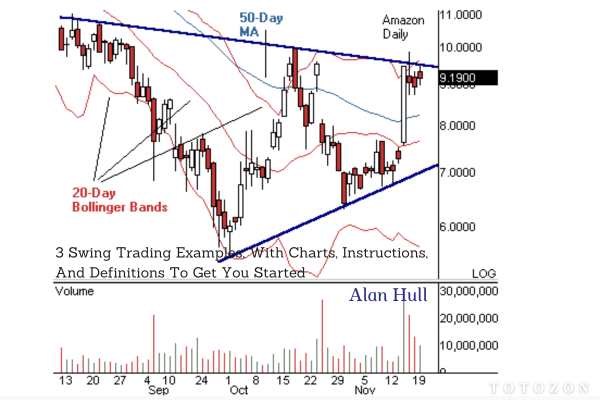 3 Swing Trading Examples, With Charts, Instructions, And Definitions To Get You Started by Alan Farley
1 × $6.00
3 Swing Trading Examples, With Charts, Instructions, And Definitions To Get You Started by Alan Farley
1 × $6.00 -
×
 Trading Short TermSame Day Trades Sep 2023 with Dan Sheridan & Mark Fenton - Sheridan Options Mentoring
1 × $31.00
Trading Short TermSame Day Trades Sep 2023 with Dan Sheridan & Mark Fenton - Sheridan Options Mentoring
1 × $31.00 -
×
 High Probability Trading Using Elliott Wave And Fibonacci Analysis withVic Patel - Forex Training Group
1 × $10.00
High Probability Trading Using Elliott Wave And Fibonacci Analysis withVic Patel - Forex Training Group
1 × $10.00 -
×
 Matrix Spread Options Trading Course with Base Camp Trading
1 × $31.00
Matrix Spread Options Trading Course with Base Camp Trading
1 × $31.00 -
×
 5-Step-Trading Stocks I and II with Lex Van Dam
1 × $4.00
5-Step-Trading Stocks I and II with Lex Van Dam
1 × $4.00 -
×
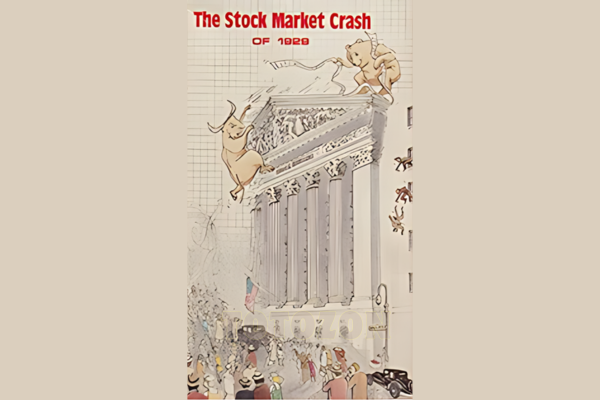 Stock Market Crash of 1929 with Aron Abrams
1 × $6.00
Stock Market Crash of 1929 with Aron Abrams
1 × $6.00
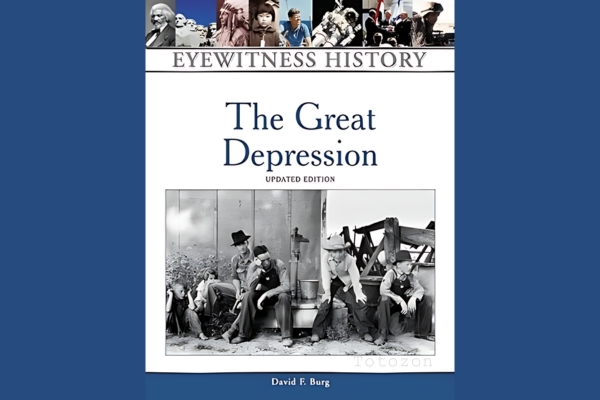
The Great Depression with David Burg
$6.00
File Size: Coming soon!
Delivery Time: 1–12 hours
Media Type: Online Course
Content Proof: Watch Here!
You may check content proof of “The Great Depression with David Burg” below:

The Great Depression with David Burg
Introduction
The Great Depression stands as one of the most devastating economic downturns in history. David Burg provides an in-depth exploration of this period, shedding light on the causes, impacts, and lessons learned. This article delves into Burg’s analysis, offering a comprehensive understanding of the Great Depression and its significance.
Understanding the Great Depression
The Great Depression was a severe worldwide economic depression that took place during the 1930s. It began in the United States after the stock market crash of October 1929.
Key Causes of the Great Depression
- Stock Market Crash of 1929: The dramatic fall in stock prices in October 1929 triggered widespread panic.
- Bank Failures: Many banks failed, leading to loss of savings and reduced consumer spending.
- Reduction in Purchasing Across the Board: Decreased consumer spending and investment led to declining production.
- Drought Conditions: The Dust Bowl exacerbated economic conditions, particularly in agriculture.
Stock Market Crash of 1929
The stock market crash, also known as Black Tuesday, saw billions of dollars lost, wiping out thousands of investors.
Bank Failures
Banking panics led to numerous bank closures, eroding public confidence and savings.
Impact of the Great Depression
The Great Depression had profound economic, social, and political impacts worldwide.
Economic Impact
- Unemployment: Unemployment rates soared to 25%, leaving millions jobless.
- Deflation: Prices fell sharply, worsening economic conditions.
- Global Trade: International trade collapsed by over 60%.
Unemployment
The widespread job losses had a ripple effect, reducing purchasing power and further slowing economic activity.
Social Impact
- Poverty: Widespread poverty affected millions of families.
- Homelessness: Many lost their homes and lived in makeshift settlements called Hoovervilles.
- Migration: People migrated in search of work and better living conditions.
Hoovervilles
Named after President Hoover, these shantytowns symbolized the desperation faced by many during the Depression.
Political Impact
- New Deal: Franklin D. Roosevelt’s New Deal introduced reforms aimed at recovery and relief.
- Global Shifts: The Depression contributed to political changes and the rise of authoritarian regimes in some countries.
New Deal Programs
Programs like the Civilian Conservation Corps (CCC) and the Works Progress Administration (WPA) provided jobs and support.
Lessons from the Great Depression
The Great Depression taught valuable lessons about economic policy, regulation, and the role of government.
Economic Policy
- Monetary Policy: The importance of managing the money supply to avoid deflation.
- Fiscal Policy: The role of government spending in stabilizing the economy.
Monetary Policy
The Federal Reserve’s failure to prevent deflation highlighted the need for proactive monetary policy.
Financial Regulation
- Banking Reforms: Introduction of measures like the Federal Deposit Insurance Corporation (FDIC) to protect depositors.
- Securities Regulation: Establishment of the Securities and Exchange Commission (SEC) to regulate the stock market.
FDIC
The FDIC was created to insure deposits and restore public confidence in the banking system.
Government Intervention
The New Deal exemplified the role of government in providing relief and promoting economic recovery.
Key New Deal Initiatives
- Social Security Act: Established a social safety net for the elderly and unemployed.
- Public Works Programs: Created jobs and improved infrastructure.
Global Perspectives
The Great Depression had varied impacts across different countries, influencing global economic policies and institutions.
Europe
Countries in Europe faced severe economic difficulties, leading to political instability and the rise of totalitarian regimes.
Germany
Economic hardships contributed to the rise of Adolf Hitler and the Nazi Party.
Asia
Japan responded to the economic crisis with aggressive expansionist policies, setting the stage for World War II.
Japan’s Response
Economic struggles prompted Japan to seek resources through military expansion.
The Legacy of the Great Depression
The Great Depression’s legacy includes significant changes in economic thought, policy, and global cooperation.
Economic Thought
- Keynesian Economics: John Maynard Keynes’ theories on government intervention gained prominence.
- Market Regulation: Greater emphasis on regulating financial markets to prevent future crises.
Keynesian Economics
Keynes advocated for increased government spending to stimulate demand during economic downturns.
Policy Changes
- Social Safety Nets: Establishment of systems to protect the vulnerable.
- Economic Stabilizers: Creation of mechanisms to stabilize the economy during downturns.
Social Safety Nets
Programs like Social Security and unemployment insurance were designed to provide a buffer during economic crises.
Global Cooperation
The Great Depression underscored the need for international economic cooperation, leading to the creation of institutions like the International Monetary Fund (IMF) and the World Bank.
IMF and World Bank
These institutions were established to promote global economic stability and development.
Conclusion
David Burg’s exploration of the Great Depression provides valuable insights into one of the most challenging periods in economic history. By understanding the causes, impacts, and lessons learned, we can better appreciate the importance of sound economic policies and the need for proactive measures to prevent future crises.
FAQs
1. What triggered the Great Depression?
The Great Depression was triggered by the stock market crash of 1929, along with bank failures, reduced consumer spending, and drought conditions.
2. How did the Great Depression affect employment?
Unemployment rates soared to 25%, leaving millions jobless and exacerbating economic hardship.
3. What were Hoovervilles?
Hoovervilles were makeshift settlements named after President Hoover, where homeless people lived during the Great Depression.
4. How did the New Deal aim to address the Great Depression?
The New Deal introduced reforms and programs to provide relief, create jobs, and promote economic recovery.
5. What lasting impacts did the Great Depression have on economic policy?
The Great Depression led to significant changes in economic policy, including the adoption of Keynesian economics, increased financial regulation, and the establishment of social safety nets.
Be the first to review “The Great Depression with David Burg”
You must be logged in to post a review.
Related products

Forex Trading
Original price was: $249.00.$15.00Current price is: $15.00.
Forex Trading
Original price was: $1,098.00.$39.00Current price is: $39.00.

Original price was: $997.00.$8.00Current price is: $8.00.

Forex Trading
Original price was: $125.00.$17.00Current price is: $17.00.
Forex Trading
Original price was: $797.00.$10.00Current price is: $10.00.
Original price was: $497.00.$31.00Current price is: $31.00.
Original price was: $299.00.$8.00Current price is: $8.00.
Original price was: $497.00.$11.00Current price is: $11.00.

Original price was: $450.00.$23.00Current price is: $23.00.
Forex Trading
Original price was: $999.00.$15.00Current price is: $15.00.

Original price was: $310.00.$23.00Current price is: $23.00.
Forex Trading
Original price was: $397.00.$31.00Current price is: $31.00.

Original price was: $2,120.00.$15.00Current price is: $15.00.

Original price was: $197.00.$5.00Current price is: $5.00.
Original price was: $139.00.$23.00Current price is: $23.00.

Forex Trading
Original price was: $239.00.$8.00Current price is: $8.00.
Forex Trading
Original price was: $850.00.$23.00Current price is: $23.00.

Forex Trading
The Complete Guide to Multiple Time Frame Analysis & Reading Price Action with Aiman Almansoori
Original price was: $1,399.00.$13.00Current price is: $13.00.
Forex Trading
Original price was: $4,997.00.$27.00Current price is: $27.00.
Forex Trading
Original price was: $697.00.$5.00Current price is: $5.00.
Reviews
There are no reviews yet.