
-
×
 TRADING NFX Course with Andrew NFX
1 × $5.00
TRADING NFX Course with Andrew NFX
1 × $5.00 -
×
 The Amazing Common Sense Guide To Investment Success with John Thomchick
1 × $6.00
The Amazing Common Sense Guide To Investment Success with John Thomchick
1 × $6.00 -
×
 The Orderflow Masterclass with PrimeTrading
1 × $17.00
The Orderflow Masterclass with PrimeTrading
1 × $17.00 -
×
 Bond Market Course with The Macro Compass
1 × $15.00
Bond Market Course with The Macro Compass
1 × $15.00 -
×
 $20 – 52k 20 pips a day challange with Rafał Zuchowicz - TopMasterTrader
1 × $5.00
$20 – 52k 20 pips a day challange with Rafał Zuchowicz - TopMasterTrader
1 × $5.00 -
×
 Best of the Best: Collars with Amy Meissner & Scott Ruble
1 × $15.00
Best of the Best: Collars with Amy Meissner & Scott Ruble
1 × $15.00 -
×
 ICT Prodigy Trading Course – $650K in Payouts with Alex Solignani
1 × $15.00
ICT Prodigy Trading Course – $650K in Payouts with Alex Solignani
1 × $15.00 -
×
 The Trading Blueprint with Brad Goh - The Trading Geek
1 × $5.00
The Trading Blueprint with Brad Goh - The Trading Geek
1 × $5.00 -
×
 Forecast 2024 Clarification with Larry Williams
1 × $15.00
Forecast 2024 Clarification with Larry Williams
1 × $15.00 -
×
 Advanced Spread Trading with Guy Bower - MasterClass Trader
1 × $15.00
Advanced Spread Trading with Guy Bower - MasterClass Trader
1 × $15.00 -
×
 Getting Started in Technical Analysis with Jack Schwager
1 × $6.00
Getting Started in Technical Analysis with Jack Schwager
1 × $6.00 -
×
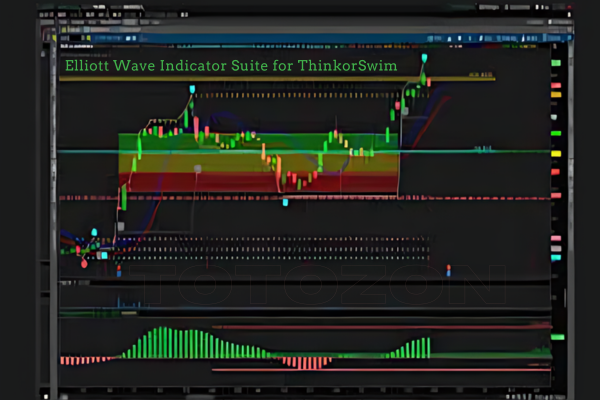 Elliott Wave Indicator Suite for ThinkorSwim
1 × $15.00
Elliott Wave Indicator Suite for ThinkorSwim
1 × $15.00 -
×
 Forex Trading Course with Mike Norman
1 × $17.00
Forex Trading Course with Mike Norman
1 × $17.00 -
×
 Advanced Cycles with Nick Santiago - InTheMoneyStocks
1 × $171.00
Advanced Cycles with Nick Santiago - InTheMoneyStocks
1 × $171.00 -
×
 Home Run Options Trading Course with Dave Aquino - Base Camp Trading
1 × $11.00
Home Run Options Trading Course with Dave Aquino - Base Camp Trading
1 × $11.00 -
×
 8 Strategies for Day Trading
1 × $31.00
8 Strategies for Day Trading
1 × $31.00 -
×
 Investment Mathematics with Andrew Adams
1 × $6.00
Investment Mathematics with Andrew Adams
1 × $6.00 -
×
 How To Read The Market Professionally with TradeSmart
1 × $27.00
How To Read The Market Professionally with TradeSmart
1 × $27.00 -
×
 Market Profile Video with FutexLive
1 × $6.00
Market Profile Video with FutexLive
1 × $6.00 -
×
 Come Into My Trading Room: A Complete Guide to Trading with Alexander Elder
1 × $6.00
Come Into My Trading Room: A Complete Guide to Trading with Alexander Elder
1 × $6.00 -
×
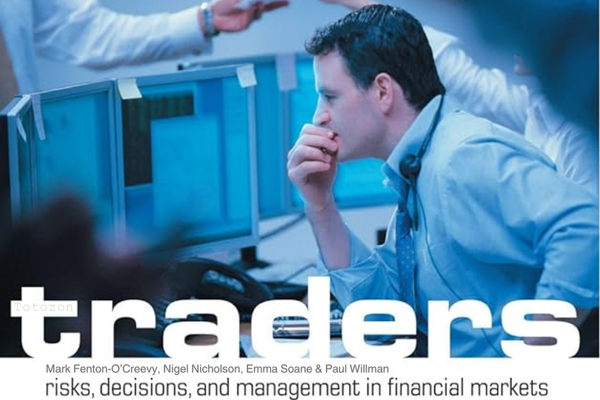 Traders: Risks, Decisions, and Management in Financial Markets - Mark Fenton-O’Creevy, Nigel Nicholson, Emma Soane & Paul Willman
1 × $6.00
Traders: Risks, Decisions, and Management in Financial Markets - Mark Fenton-O’Creevy, Nigel Nicholson, Emma Soane & Paul Willman
1 × $6.00 -
×
 Volume Profile 2023 (Elite Pack) with Trader Dale
1 × $5.00
Volume Profile 2023 (Elite Pack) with Trader Dale
1 × $5.00 -
×
 The Orderflows Trade Opportunities Encyclopedia with Michael Valtos
1 × $8.00
The Orderflows Trade Opportunities Encyclopedia with Michael Valtos
1 × $8.00 -
×
 Crypto Trading Academy with Cheeky Investor - Aussie Day Trader
1 × $13.00
Crypto Trading Academy with Cheeky Investor - Aussie Day Trader
1 × $13.00 -
×
 The Instagram DM Automation Playbook with Natasha Takahashi
1 × $6.00
The Instagram DM Automation Playbook with Natasha Takahashi
1 × $6.00 -
×
 The Naked Eye: Raw Data Analytics with Edgar Torres - Raw Data Analytics
1 × $8.00
The Naked Eye: Raw Data Analytics with Edgar Torres - Raw Data Analytics
1 × $8.00 -
×
 Capital with Charles D.Ellis
1 × $6.00
Capital with Charles D.Ellis
1 × $6.00 -
×
 Traders Workshop – Forex Full Course with Jason Stapleton
1 × $6.00
Traders Workshop – Forex Full Course with Jason Stapleton
1 × $6.00 -
×
 Trading Against the Crowd with John Summa
1 × $6.00
Trading Against the Crowd with John Summa
1 × $6.00 -
×
 Crystal Ball Pack PLUS bonus Live Trade By Pat Mitchell - Trick Trades
1 × $20.00
Crystal Ball Pack PLUS bonus Live Trade By Pat Mitchell - Trick Trades
1 × $20.00 -
×
 Royal Exchange Forex with Jan Teslar
1 × $6.00
Royal Exchange Forex with Jan Teslar
1 × $6.00 -
×
 Order flow self-study training program with iMFtracker
1 × $10.00
Order flow self-study training program with iMFtracker
1 × $10.00 -
×
 0 DTE Options Trading Workshop with Aeromir Corporation
1 × $15.00
0 DTE Options Trading Workshop with Aeromir Corporation
1 × $15.00 -
×
 Starting Out in Futures Trading with Mark Powers
1 × $6.00
Starting Out in Futures Trading with Mark Powers
1 × $6.00 -
×
 HandBook of Parametric and Nonparametric Statistical Procedures with David J.Sheskin
1 × $6.00
HandBook of Parametric and Nonparametric Statistical Procedures with David J.Sheskin
1 × $6.00 -
×
 Wyckoff Unleashed Official Online Course (2018) with Wyckoffsmi
1 × $23.00
Wyckoff Unleashed Official Online Course (2018) with Wyckoffsmi
1 × $23.00 -
×
 The Prop Trading Code with Brannigan Barrett - Axia Futures
1 × $23.00
The Prop Trading Code with Brannigan Barrett - Axia Futures
1 × $23.00 -
×
 5 Day Bootcamp with AWFX AnthonysWorld
1 × $34.00
5 Day Bootcamp with AWFX AnthonysWorld
1 × $34.00 -
×
 Scalp Strategy and Flipping Small Accounts with Opes Trading Group
1 × $5.00
Scalp Strategy and Flipping Small Accounts with Opes Trading Group
1 × $5.00 -
×
 Options Trading & Ultimate MasterClass With Tyrone Abela - FX Evolution
1 × $54.00
Options Trading & Ultimate MasterClass With Tyrone Abela - FX Evolution
1 × $54.00 -
×
 A Complete Course in Option Trading Fundamentals with Joseph Frey
1 × $6.00
A Complete Course in Option Trading Fundamentals with Joseph Frey
1 × $6.00 -
×
 Options 201: Vertical and Calendar Spread Essentials 5 Part Class with Don Kaufman On Demand Replay
1 × $6.00
Options 201: Vertical and Calendar Spread Essentials 5 Part Class with Don Kaufman On Demand Replay
1 × $6.00 -
×
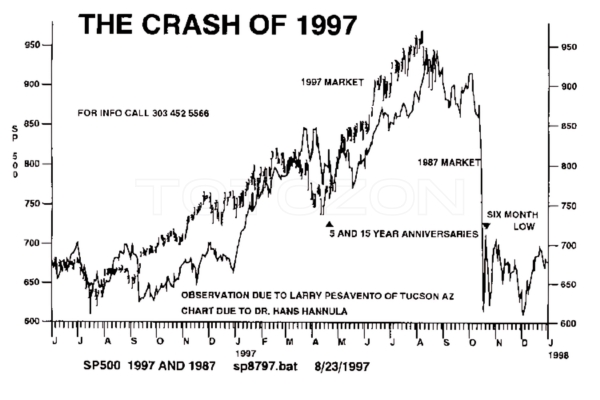 The Crash of 1997 (Article) with Hans Hannula
1 × $6.00
The Crash of 1997 (Article) with Hans Hannula
1 × $6.00 -
×
 The Best Option Trading Course with David Jaffee - Best Stock Strategy
1 × $15.00
The Best Option Trading Course with David Jaffee - Best Stock Strategy
1 × $15.00 -
×
 AI For Traders with Trading Markets
1 × $31.00
AI For Traders with Trading Markets
1 × $31.00 -
×
 Apteros Trading Fall Intensive 2021 - Trading Intensive
1 × $54.00
Apteros Trading Fall Intensive 2021 - Trading Intensive
1 × $54.00 -
×
 How Do You See Risk? A Guide to Evaluating & Applying Technical Volatility Indicators class with Jeff Bierman
1 × $6.00
How Do You See Risk? A Guide to Evaluating & Applying Technical Volatility Indicators class with Jeff Bierman
1 × $6.00 -
×
 Private Access Pro Webinars 2021-2022 with Trader Lion
1 × $5.00
Private Access Pro Webinars 2021-2022 with Trader Lion
1 × $5.00 -
×
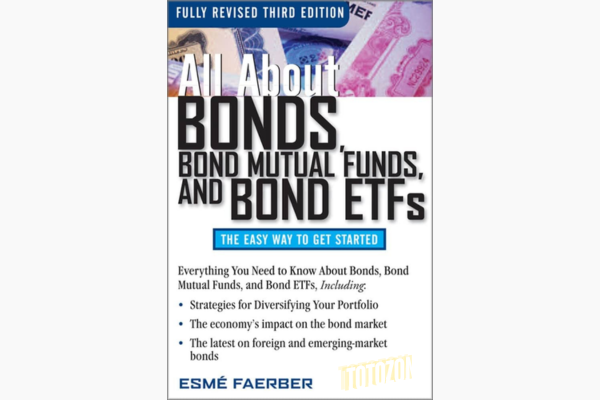 All About Bonds, Bond Mutual Funds & Bond ETFs (3rd Ed.) with Esme Faerber
1 × $6.00
All About Bonds, Bond Mutual Funds & Bond ETFs (3rd Ed.) with Esme Faerber
1 × $6.00 -
×
 Quantamentals - The Next Great Forefront Of Trading and Investing with Trading Markets
1 × $8.00
Quantamentals - The Next Great Forefront Of Trading and Investing with Trading Markets
1 × $8.00 -
×
 The Indices Orderflow Masterclass with The Forex Scalpers
1 × $23.00
The Indices Orderflow Masterclass with The Forex Scalpers
1 × $23.00 -
×
 4×4 Course with Gregoire Dupont
1 × $6.00
4×4 Course with Gregoire Dupont
1 × $6.00 -
×
 5 Steps to Investment Success with Tyler Bolhorn
1 × $6.00
5 Steps to Investment Success with Tyler Bolhorn
1 × $6.00 -
×
 W. D Gann 's Square Of 9 Applied To Modern Markets with Sean Avidar - Hexatrade350
1 × $23.00
W. D Gann 's Square Of 9 Applied To Modern Markets with Sean Avidar - Hexatrade350
1 × $23.00 -
×
 Candlestick Trading for Maximum Profitsn with B.M.Davis
1 × $6.00
Candlestick Trading for Maximum Profitsn with B.M.Davis
1 × $6.00 -
×
 Trading Books with Michael Harris
1 × $6.00
Trading Books with Michael Harris
1 × $6.00

Fundamentals Trading
$6.00
File Size: Coming soon!
Delivery Time: 1–12 hours
Media Type: Online Course
Fundamentals Trading
Introduction to Fundamentals Trading
Fundamentals trading is a strategy that involves making investment decisions based on the analysis of economic, financial, and other qualitative and quantitative factors. Unlike technical analysis, which focuses on price patterns and market trends, fundamentals trading digs deeper into the intrinsic value of an asset.
Understanding Fundamental Analysis
Fundamental analysis involves evaluating a security’s underlying value by examining related economic, financial, and other qualitative and quantitative factors. This approach is essential for investors looking to make long-term investments.
Key Components of Fundamental Analysis
- Economic Indicators: GDP, unemployment rates, and inflation are crucial indicators of a country’s economic health.
- Financial Statements: Balance sheets, income statements, and cash flow statements provide insight into a company’s financial performance.
- Qualitative Factors: Management quality, industry conditions, and competitive positioning are vital for a comprehensive analysis.
Economic Indicators in Fundamentals Trading
Economic indicators play a significant role in fundamentals trading. They provide a macroeconomic perspective, helping traders make informed decisions.
Gross Domestic Product (GDP)
GDP measures a country’s overall economic output. A growing GDP indicates a healthy economy, which can positively impact stock prices.
Unemployment Rates
Lower unemployment rates typically signal a strong economy, leading to higher consumer spending and potentially boosting corporate profits.
Inflation Rates
Inflation affects purchasing power and interest rates. Moderate inflation is generally seen as a sign of a growing economy, while high inflation can erode profits.
Analyzing Financial Statements
Financial statements are the backbone of fundamental analysis. They offer a detailed view of a company’s financial health and operational efficiency.
Balance Sheet
The balance sheet provides a snapshot of a company’s assets, liabilities, and shareholders’ equity at a specific point in time.
Income Statement
The income statement shows a company’s revenues, expenses, and profits over a period. It’s crucial for assessing profitability.
Cash Flow Statement
The cash flow statement tracks the flow of cash in and out of a company. It helps determine the company’s liquidity and financial flexibility.
Qualitative Analysis in Fundamentals Trading
Qualitative analysis complements quantitative analysis by assessing non-numeric factors that can impact a company’s performance.
Management Quality
The effectiveness of a company’s management team can significantly influence its success. Experienced and competent leadership is a positive sign.
Industry Conditions
Understanding the dynamics of the industry in which a company operates is essential. This includes analyzing competitive pressures and market demand.
Competitive Positioning
A company’s market position relative to its competitors can provide insights into its long-term prospects.
Applying Fundamentals Trading Strategies
Successful fundamentals trading requires a systematic approach to analyzing and interpreting data.
Value Investing
Value investing involves identifying undervalued stocks with strong fundamentals. Investors look for stocks trading below their intrinsic value.
Growth Investing
Growth investors focus on companies with high growth potential. They prioritize companies with strong revenue and earnings growth.
Income Investing
Income investors seek stocks that provide regular dividends. These are typically stable, established companies with consistent cash flow.
Practical Examples of Fundamentals Trading
Let’s explore some practical examples to see how fundamental analysis works in real trading scenarios.
Example 1: Analyzing a Tech Company
When analyzing a tech company, look at its innovation pipeline, market share, and R&D spending. These factors can indicate future growth potential.
Example 2: Investing in Consumer Goods
For consumer goods companies, assess consumer demand trends, brand strength, and distribution networks. These elements impact long-term stability and growth.
Benefits of Fundamentals Trading
Fundamentals trading offers several advantages for long-term investors.
Long-Term Perspective
Fundamentals trading focuses on long-term value, reducing the impact of short-term market volatility.
Informed Decision Making
By understanding a company’s intrinsic value, investors can make more informed decisions, minimizing the risk of speculative losses.
Diversification
Fundamentals trading encourages diversification by investing in various sectors and industries, spreading risk.
Common Mistakes in Fundamentals Trading
Avoiding common pitfalls can enhance the effectiveness of your fundamentals trading strategy.
Overlooking Qualitative Factors
Quantitative analysis is crucial, but ignoring qualitative factors like management quality can lead to incomplete assessments.
Ignoring Market Conditions
Economic conditions and market trends should be considered. Fundamentals trading doesn’t occur in a vacuum.
Overconfidence in Analysis
It’s essential to remain objective and not become overconfident in your analysis. Always be open to new information and insights.
Tips for Successful Fundamentals Trading
Here are some tips to help you succeed in fundamentals trading.
Tip 1: Stay Informed
Regularly update your knowledge of economic indicators, financial statements, and industry conditions.
Tip 2: Use Multiple Sources
Diversify your information sources to get a well-rounded view of the market and specific companies.
Tip 3: Be Patient
Fundamentals trading is a long-term strategy. Patience is crucial for seeing the benefits of your investments.
Tip 4: Manage Risk
Implement risk management strategies, such as diversification and setting stop-loss orders.
Conclusion
Fundamentals trading is a robust strategy that relies on in-depth analysis of economic indicators, financial statements, and qualitative factors. By focusing on intrinsic value, investors can make informed decisions and build a diversified portfolio poised for long-term success.
FAQs
1. What is fundamentals trading?
Fundamentals trading involves making investment decisions based on the analysis of economic, financial, and qualitative factors to determine a security’s intrinsic value.
2. How do economic indicators impact fundamentals trading?
Economic indicators like GDP, unemployment, and inflation rates provide insights into the overall economic health, influencing market trends and investment decisions.
3. What are the key financial statements used in fundamental analysis?
The key financial statements are the balance sheet, income statement, and cash flow statement, which provide detailed insights into a company’s financial performance.
4. Why is qualitative analysis important in fundamentals trading?
Qualitative analysis assesses non-numeric factors such as management quality and industry conditions, offering a comprehensive view of a company’s potential.
5. How can I start with fundamentals trading?
Begin by educating yourself on economic indicators, financial statements, and qualitative factors. Develop a systematic approach to analyzing data and making informed investment decisions.
Be the first to review “Fundamentals Trading”
You must be logged in to post a review.
Related products

Original price was: $695.00.$41.00Current price is: $41.00.
Original price was: $997.00.$13.00Current price is: $13.00.

Forex Trading
Original price was: $799.00.$15.00Current price is: $15.00.
Forex Trading
Original price was: $500.00.$5.00Current price is: $5.00.
Original price was: $1,200.00.$23.00Current price is: $23.00.
Original price was: $1,800.00.$54.00Current price is: $54.00.
Forex Trading
Original price was: $125.00.$17.00Current price is: $17.00.
Original price was: $450.00.$23.00Current price is: $23.00.
Forex Trading
Original price was: $697.00.$5.00Current price is: $5.00.
Original price was: $2,120.00.$15.00Current price is: $15.00.

Forex Trading
The Complete Guide to Multiple Time Frame Analysis & Reading Price Action with Aiman Almansoori
Original price was: $1,399.00.$13.00Current price is: $13.00.
Forex Trading
Original price was: $499.00.$15.00Current price is: $15.00.

Original price was: $4,995.00.$15.00Current price is: $15.00.

Forex Trading
Original price was: $2,997.00.$23.00Current price is: $23.00.

Original price was: $310.00.$23.00Current price is: $23.00.

Forex Trading
Original price was: $397.00.$31.00Current price is: $31.00.

Forex Trading
Original price was: $2,000.00.$23.00Current price is: $23.00.
Original price was: $799.00.$15.00Current price is: $15.00.

Forex Trading
Original price was: $850.00.$23.00Current price is: $23.00.

Forex Trading
Original price was: $550.00.$5.00Current price is: $5.00.

Reviews
There are no reviews yet.