
-
×
 Trading With an Edge with Bruce Gilmore
1 × $6.00
Trading With an Edge with Bruce Gilmore
1 × $6.00 -
×
 Trading Short TermSame Day Trades Sep 2023 with Dan Sheridan & Mark Fenton - Sheridan Options Mentoring
1 × $31.00
Trading Short TermSame Day Trades Sep 2023 with Dan Sheridan & Mark Fenton - Sheridan Options Mentoring
1 × $31.00 -
×
 The Naked Eye: Raw Data Analytics with Edgar Torres - Raw Data Analytics
1 × $8.00
The Naked Eye: Raw Data Analytics with Edgar Torres - Raw Data Analytics
1 × $8.00 -
×
 Relationship of the StockMarket Fluctuations to the Lunarcycle with Frank J.Guarino
1 × $6.00
Relationship of the StockMarket Fluctuations to the Lunarcycle with Frank J.Guarino
1 × $6.00 -
×
 SQX Mentorship with Tip Toe Hippo
1 × $23.00
SQX Mentorship with Tip Toe Hippo
1 × $23.00 -
×
 The London Close Trade Strategy with Shirley Hudson & Vic Noble
1 × $4.00
The London Close Trade Strategy with Shirley Hudson & Vic Noble
1 × $4.00 -
×
 Forex Wave Theory: A Technical Analysis for Spot and Futures Curency Traders - James Bickford
1 × $6.00
Forex Wave Theory: A Technical Analysis for Spot and Futures Curency Traders - James Bickford
1 × $6.00 -
×
 Show Tax Losses On Your 1040, Yet Show Lenders You Are Making Money! with Information Services Unlimited
1 × $6.00
Show Tax Losses On Your 1040, Yet Show Lenders You Are Making Money! with Information Services Unlimited
1 × $6.00 -
×
 Foundation & Application of the Market with Jim Dalton - JimDalton Trading
1 × $5.00
Foundation & Application of the Market with Jim Dalton - JimDalton Trading
1 × $5.00 -
×
 Equity Research and Valuation Techniques with Kemp Dolliver
1 × $6.00
Equity Research and Valuation Techniques with Kemp Dolliver
1 × $6.00 -
×
 Star Traders Forex Intermediate Course I with Karen Foo
1 × $8.00
Star Traders Forex Intermediate Course I with Karen Foo
1 × $8.00 -
×
 How To Read The Market Professionally with TradeSmart
1 × $27.00
How To Read The Market Professionally with TradeSmart
1 × $27.00 -
×
 An Empirical Ananlysis of Stock Market Sentiment (Article) with Andrea Terzi
1 × $6.00
An Empirical Ananlysis of Stock Market Sentiment (Article) with Andrea Terzi
1 × $6.00 -
×
 Advanced Trading System - How To 10x Your Trading Skillsets & Results with The Trade Academy
1 × $6.00
Advanced Trading System - How To 10x Your Trading Skillsets & Results with The Trade Academy
1 × $6.00 -
×
 Fundamentals Trading
1 × $6.00
Fundamentals Trading
1 × $6.00 -
×
 TRAING IRON CONDORS IN ANY ENVIRONMENT with Sheridan Options Mentoring
1 × $15.00
TRAING IRON CONDORS IN ANY ENVIRONMENT with Sheridan Options Mentoring
1 × $15.00 -
×
 The Crypto Code with Joel Peterson - Adam Short
1 × $15.00
The Crypto Code with Joel Peterson - Adam Short
1 × $15.00 -
×
 Best of the Best: Collars with Amy Meissner & Scott Ruble
1 × $15.00
Best of the Best: Collars with Amy Meissner & Scott Ruble
1 × $15.00 -
×
 Geometry of Markets I with Bruce Gilmore
1 × $6.00
Geometry of Markets I with Bruce Gilmore
1 × $6.00 -
×
 Five Trading Trends of 2005 with Dan Denning
1 × $6.00
Five Trading Trends of 2005 with Dan Denning
1 × $6.00 -
×
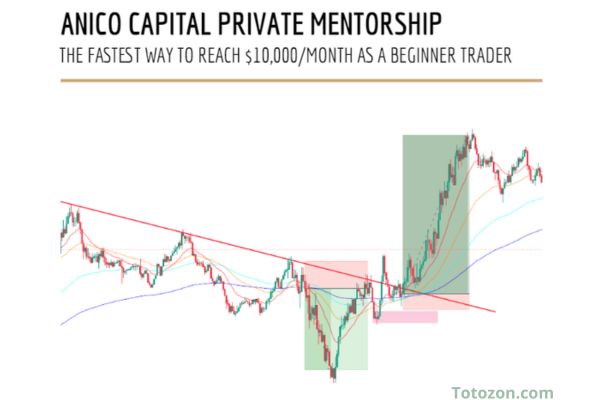 Private Mentorship with ANICO Capital
1 × $10.00
Private Mentorship with ANICO Capital
1 × $10.00 -
×
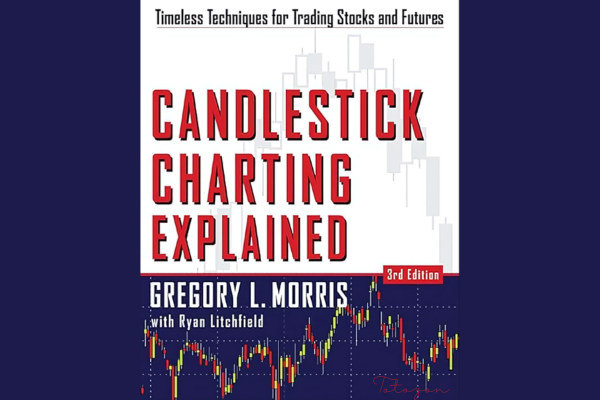 Candlestick Charting Explained with Greg Morris
1 × $8.00
Candlestick Charting Explained with Greg Morris
1 × $8.00 -
×
 Traders Workshop – Forex Full Course with Jason Stapleton
1 × $6.00
Traders Workshop – Forex Full Course with Jason Stapleton
1 × $6.00 -
×
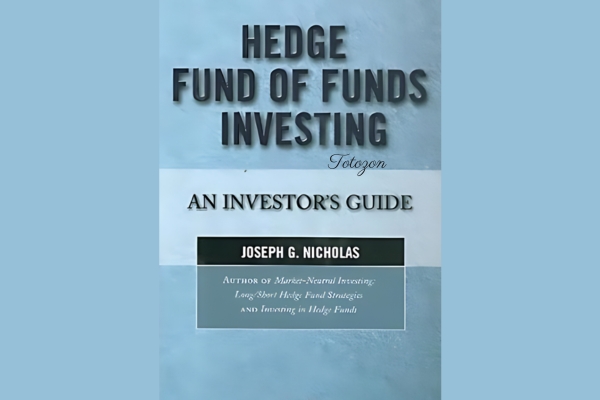 Hedge Fund of Funds Investing with Joseph Nicholas
1 × $6.00
Hedge Fund of Funds Investing with Joseph Nicholas
1 × $6.00 -
×
 Investing with Exchange Traded Funds Made Easy with Marvin Appel
1 × $6.00
Investing with Exchange Traded Funds Made Easy with Marvin Appel
1 × $6.00 -
×
 Trading for a Bright Future with Martin Cole
1 × $6.00
Trading for a Bright Future with Martin Cole
1 × $6.00 -
×
 The Prop Trading Code with Brannigan Barrett - Axia Futures
1 × $23.00
The Prop Trading Code with Brannigan Barrett - Axia Futures
1 × $23.00 -
×
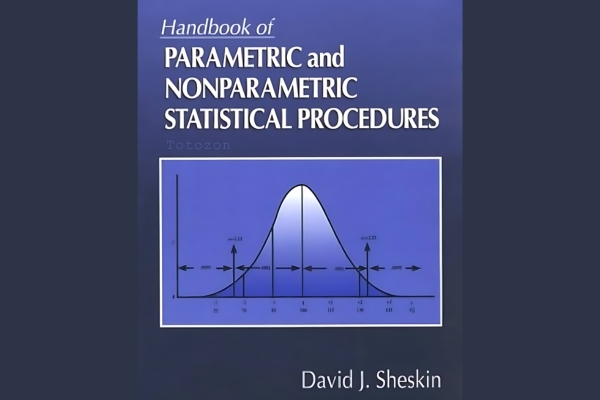 HandBook of Parametric and Nonparametric Statistical Procedures with David J.Sheskin
1 × $6.00
HandBook of Parametric and Nonparametric Statistical Procedures with David J.Sheskin
1 × $6.00 -
×
 AI For Traders with Trading Markets
1 × $31.00
AI For Traders with Trading Markets
1 × $31.00 -
×
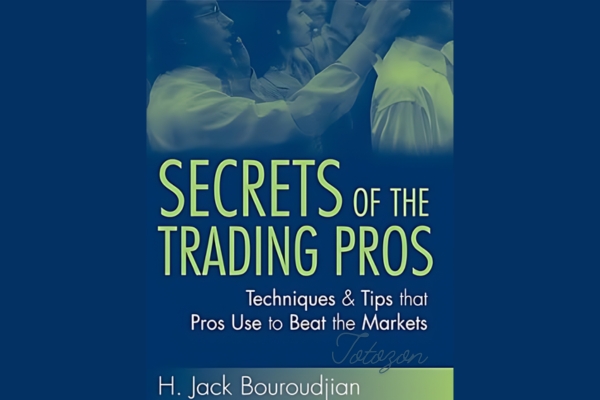 Secrets of the Trading Pros with Jack Bouroudjan & Terrence Duffy
1 × $6.00
Secrets of the Trading Pros with Jack Bouroudjan & Terrence Duffy
1 × $6.00 -
×
 TradeCraft: Your Path to Peak Performance Trading By Adam Grimes
1 × $15.00
TradeCraft: Your Path to Peak Performance Trading By Adam Grimes
1 × $15.00 -
×
 Euro Trading Course with Bkforex
1 × $6.00
Euro Trading Course with Bkforex
1 × $6.00 -
×
 Advanced Group Analysis Turorial with David Vomund
1 × $6.00
Advanced Group Analysis Turorial with David Vomund
1 × $6.00 -
×
 Quantitative Trading Strategies (1st Edition) with Lars Kestner
1 × $6.00
Quantitative Trading Strategies (1st Edition) with Lars Kestner
1 × $6.00 -
×
 Fibsdontlie - Fibs Don’t Lie Advanced Course
1 × $15.00
Fibsdontlie - Fibs Don’t Lie Advanced Course
1 × $15.00 -
×
 YTC Price Action Trader
1 × $6.00
YTC Price Action Trader
1 × $6.00 -
×
 Advanced Trading Course with Edney Pinheiro
1 × $5.00
Advanced Trading Course with Edney Pinheiro
1 × $5.00 -
×
 Master Trader with InvestingSimple
1 × $15.00
Master Trader with InvestingSimple
1 × $15.00 -
×
 More on the Short Cycles of Interest Rates (Article) with Arie Melnik, Alan Kraus
1 × $6.00
More on the Short Cycles of Interest Rates (Article) with Arie Melnik, Alan Kraus
1 × $6.00 -
×
 How to be a Sector Investor with Larry Hungerford & Steve Hungerford
1 × $4.00
How to be a Sector Investor with Larry Hungerford & Steve Hungerford
1 × $4.00 -
×
 The Complete XAUUSD GOLD Forex Scalping System On Real Trading Account with Forex Lia
1 × $5.00
The Complete XAUUSD GOLD Forex Scalping System On Real Trading Account with Forex Lia
1 × $5.00 -
×
 5-Day Master Trader Program 2022 with Mark Minervini
1 × $31.00
5-Day Master Trader Program 2022 with Mark Minervini
1 × $31.00 -
×
 WickOrTreat Trading Course with WickOrTreat
1 × $6.00
WickOrTreat Trading Course with WickOrTreat
1 × $6.00 -
×
 Active Beta Indexes with Khalid Ghayur
1 × $6.00
Active Beta Indexes with Khalid Ghayur
1 × $6.00 -
×
 Systems Mastery Course with Chris Dover - Pollinate Trading
1 × $5.00
Systems Mastery Course with Chris Dover - Pollinate Trading
1 × $5.00 -
×
 Ultimate Trading Course with Dodgy's Dungeon
1 × $8.00
Ultimate Trading Course with Dodgy's Dungeon
1 × $8.00 -
×
 Deep Dive Butterfly Trading Strategy Class with SJG Trades
1 × $41.00
Deep Dive Butterfly Trading Strategy Class with SJG Trades
1 × $41.00 -
×
 Global Product with John Stark
1 × $6.00
Global Product with John Stark
1 × $6.00 -
×
 A Comparison of Popular Trading Systems (2nd Ed.) with Lars Kestner
1 × $6.00
A Comparison of Popular Trading Systems (2nd Ed.) with Lars Kestner
1 × $6.00 -
×
 Forecast 2024 Clarification with Larry Williams
1 × $15.00
Forecast 2024 Clarification with Larry Williams
1 × $15.00 -
×
 3 Day Master Advanced Workshop Seminar (Video & Manuals 8.48 GB)
1 × $6.00
3 Day Master Advanced Workshop Seminar (Video & Manuals 8.48 GB)
1 × $6.00 -
×
 Compass Trading System with Right Line Trading
1 × $39.00
Compass Trading System with Right Line Trading
1 × $39.00 -
×
 Pairs Trading The Final Frontier with Don Kaufman
1 × $6.00
Pairs Trading The Final Frontier with Don Kaufman
1 × $6.00 -
×
 George Bayer Squarring the Circle for Excel
1 × $6.00
George Bayer Squarring the Circle for Excel
1 × $6.00 -
×
 Equity Valuation for Analysts and Investors: A Unique Stock Valuation Tool for Financial Statement Analysis and Model-Building with James Kelleher
1 × $6.00
Equity Valuation for Analysts and Investors: A Unique Stock Valuation Tool for Financial Statement Analysis and Model-Building with James Kelleher
1 × $6.00 -
×
 W. D Gann 's Square Of 9 Applied To Modern Markets with Sean Avidar - Hexatrade350
1 × $23.00
W. D Gann 's Square Of 9 Applied To Modern Markets with Sean Avidar - Hexatrade350
1 × $23.00
Fundamentals Trading
$6.00
File Size: Coming soon!
Delivery Time: 1–12 hours
Media Type: Online Course
Fundamentals Trading
Introduction to Fundamentals Trading
Fundamentals trading is a strategy that involves making investment decisions based on the analysis of economic, financial, and other qualitative and quantitative factors. Unlike technical analysis, which focuses on price patterns and market trends, fundamentals trading digs deeper into the intrinsic value of an asset.
Understanding Fundamental Analysis
Fundamental analysis involves evaluating a security’s underlying value by examining related economic, financial, and other qualitative and quantitative factors. This approach is essential for investors looking to make long-term investments.
Key Components of Fundamental Analysis
- Economic Indicators: GDP, unemployment rates, and inflation are crucial indicators of a country’s economic health.
- Financial Statements: Balance sheets, income statements, and cash flow statements provide insight into a company’s financial performance.
- Qualitative Factors: Management quality, industry conditions, and competitive positioning are vital for a comprehensive analysis.
Economic Indicators in Fundamentals Trading
Economic indicators play a significant role in fundamentals trading. They provide a macroeconomic perspective, helping traders make informed decisions.
Gross Domestic Product (GDP)
GDP measures a country’s overall economic output. A growing GDP indicates a healthy economy, which can positively impact stock prices.
Unemployment Rates
Lower unemployment rates typically signal a strong economy, leading to higher consumer spending and potentially boosting corporate profits.
Inflation Rates
Inflation affects purchasing power and interest rates. Moderate inflation is generally seen as a sign of a growing economy, while high inflation can erode profits.
Analyzing Financial Statements
Financial statements are the backbone of fundamental analysis. They offer a detailed view of a company’s financial health and operational efficiency.
Balance Sheet
The balance sheet provides a snapshot of a company’s assets, liabilities, and shareholders’ equity at a specific point in time.
Income Statement
The income statement shows a company’s revenues, expenses, and profits over a period. It’s crucial for assessing profitability.
Cash Flow Statement
The cash flow statement tracks the flow of cash in and out of a company. It helps determine the company’s liquidity and financial flexibility.
Qualitative Analysis in Fundamentals Trading
Qualitative analysis complements quantitative analysis by assessing non-numeric factors that can impact a company’s performance.
Management Quality
The effectiveness of a company’s management team can significantly influence its success. Experienced and competent leadership is a positive sign.
Industry Conditions
Understanding the dynamics of the industry in which a company operates is essential. This includes analyzing competitive pressures and market demand.
Competitive Positioning
A company’s market position relative to its competitors can provide insights into its long-term prospects.
Applying Fundamentals Trading Strategies
Successful fundamentals trading requires a systematic approach to analyzing and interpreting data.
Value Investing
Value investing involves identifying undervalued stocks with strong fundamentals. Investors look for stocks trading below their intrinsic value.
Growth Investing
Growth investors focus on companies with high growth potential. They prioritize companies with strong revenue and earnings growth.
Income Investing
Income investors seek stocks that provide regular dividends. These are typically stable, established companies with consistent cash flow.
Practical Examples of Fundamentals Trading
Let’s explore some practical examples to see how fundamental analysis works in real trading scenarios.
Example 1: Analyzing a Tech Company
When analyzing a tech company, look at its innovation pipeline, market share, and R&D spending. These factors can indicate future growth potential.
Example 2: Investing in Consumer Goods
For consumer goods companies, assess consumer demand trends, brand strength, and distribution networks. These elements impact long-term stability and growth.
Benefits of Fundamentals Trading
Fundamentals trading offers several advantages for long-term investors.
Long-Term Perspective
Fundamentals trading focuses on long-term value, reducing the impact of short-term market volatility.
Informed Decision Making
By understanding a company’s intrinsic value, investors can make more informed decisions, minimizing the risk of speculative losses.
Diversification
Fundamentals trading encourages diversification by investing in various sectors and industries, spreading risk.
Common Mistakes in Fundamentals Trading
Avoiding common pitfalls can enhance the effectiveness of your fundamentals trading strategy.
Overlooking Qualitative Factors
Quantitative analysis is crucial, but ignoring qualitative factors like management quality can lead to incomplete assessments.
Ignoring Market Conditions
Economic conditions and market trends should be considered. Fundamentals trading doesn’t occur in a vacuum.
Overconfidence in Analysis
It’s essential to remain objective and not become overconfident in your analysis. Always be open to new information and insights.
Tips for Successful Fundamentals Trading
Here are some tips to help you succeed in fundamentals trading.
Tip 1: Stay Informed
Regularly update your knowledge of economic indicators, financial statements, and industry conditions.
Tip 2: Use Multiple Sources
Diversify your information sources to get a well-rounded view of the market and specific companies.
Tip 3: Be Patient
Fundamentals trading is a long-term strategy. Patience is crucial for seeing the benefits of your investments.
Tip 4: Manage Risk
Implement risk management strategies, such as diversification and setting stop-loss orders.
Conclusion
Fundamentals trading is a robust strategy that relies on in-depth analysis of economic indicators, financial statements, and qualitative factors. By focusing on intrinsic value, investors can make informed decisions and build a diversified portfolio poised for long-term success.
FAQs
1. What is fundamentals trading?
Fundamentals trading involves making investment decisions based on the analysis of economic, financial, and qualitative factors to determine a security’s intrinsic value.
2. How do economic indicators impact fundamentals trading?
Economic indicators like GDP, unemployment, and inflation rates provide insights into the overall economic health, influencing market trends and investment decisions.
3. What are the key financial statements used in fundamental analysis?
The key financial statements are the balance sheet, income statement, and cash flow statement, which provide detailed insights into a company’s financial performance.
4. Why is qualitative analysis important in fundamentals trading?
Qualitative analysis assesses non-numeric factors such as management quality and industry conditions, offering a comprehensive view of a company’s potential.
5. How can I start with fundamentals trading?
Begin by educating yourself on economic indicators, financial statements, and qualitative factors. Develop a systematic approach to analyzing data and making informed investment decisions.
Be the first to review “Fundamentals Trading”
You must be logged in to post a review.
Related products

Forex Trading
Original price was: $125.00.$17.00Current price is: $17.00.
Forex Trading
Original price was: $249.00.$15.00Current price is: $15.00.
Forex Trading
Original price was: $2,997.00.$23.00Current price is: $23.00.
Forex Trading
Original price was: $2,995.00.$31.00Current price is: $31.00.

Forex Trading
Original price was: $797.00.$10.00Current price is: $10.00.

Original price was: $1,800.00.$54.00Current price is: $54.00.

Original price was: $1,849.00.$15.00Current price is: $15.00.

Original price was: $2,120.00.$15.00Current price is: $15.00.

Original price was: $310.00.$23.00Current price is: $23.00.

Original price was: $700.00.$39.00Current price is: $39.00.

Forex Trading
The Complete Guide to Multiple Time Frame Analysis & Reading Price Action with Aiman Almansoori
Original price was: $1,399.00.$13.00Current price is: $13.00.
Forex Trading
Original price was: $4,997.00.$27.00Current price is: $27.00.

Original price was: $895.00.$15.00Current price is: $15.00.

Forex Trading
Original price was: $499.00.$15.00Current price is: $15.00.

Forex Trading
Original price was: $697.00.$5.00Current price is: $5.00.

Original price was: $997.00.$13.00Current price is: $13.00.
Original price was: $997.00.$8.00Current price is: $8.00.

Forex Trading
Original price was: $850.00.$23.00Current price is: $23.00.

Forex Trading
Original price was: $550.00.$5.00Current price is: $5.00.

Forex Trading
Original price was: $1,898.00.$10.00Current price is: $10.00.

Reviews
There are no reviews yet.