
-
×
 Scalp Strategy and Flipping Small Accounts with Opes Trading Group
1 × $5.00
Scalp Strategy and Flipping Small Accounts with Opes Trading Group
1 × $5.00 -
×
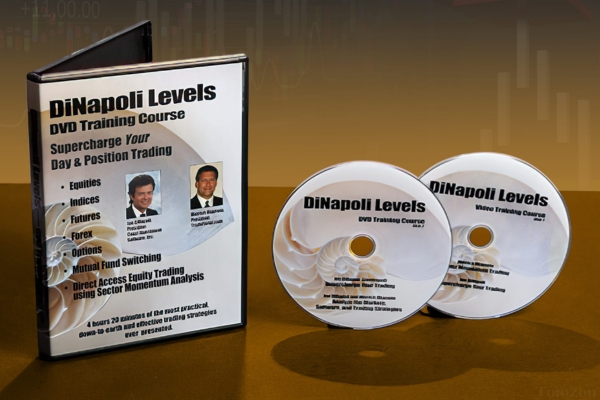 DiNapoli Levels Training Course with Joe DiNapoli & Merrick Okamoto
1 × $6.00
DiNapoli Levels Training Course with Joe DiNapoli & Merrick Okamoto
1 × $6.00 -
×
 The Complete Guide to Multiple Time Frame Analysis & Reading Price Action with Aiman Almansoori
1 × $13.00
The Complete Guide to Multiple Time Frame Analysis & Reading Price Action with Aiman Almansoori
1 × $13.00 -
×
 Deep Dive Butterfly Trading Strategy Class with SJG Trades
1 × $41.00
Deep Dive Butterfly Trading Strategy Class with SJG Trades
1 × $41.00 -
×
 5-Day Master Trader Program 2022 with Mark Minervini
1 × $31.00
5-Day Master Trader Program 2022 with Mark Minervini
1 × $31.00 -
×
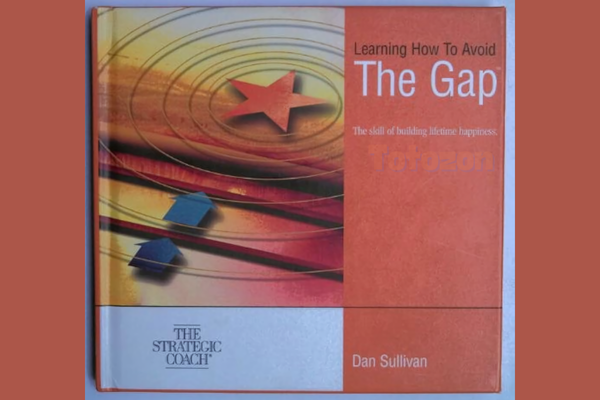 How to avoid the GAP
1 × $6.00
How to avoid the GAP
1 × $6.00 -
×
 Stock Investing Strategies with Maria Crawford Scott, John Bajkowski
1 × $6.00
Stock Investing Strategies with Maria Crawford Scott, John Bajkowski
1 × $6.00 -
×
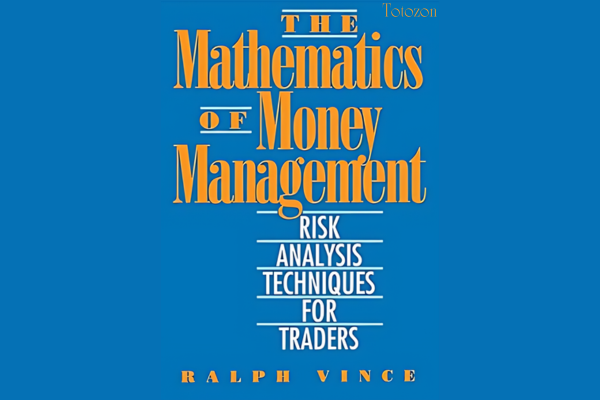 The Mathematics of Money Management. Risk Analysis Techniques for Traders
1 × $6.00
The Mathematics of Money Management. Risk Analysis Techniques for Traders
1 × $6.00 -
×
 AI For Traders with Trading Markets
1 × $31.00
AI For Traders with Trading Markets
1 × $31.00 -
×
 Academy of Financial Trading Foundation Trading Programme Webinar
1 × $6.00
Academy of Financial Trading Foundation Trading Programme Webinar
1 × $6.00 -
×
 Advanced Trader with Nikos Trading Academy
1 × $5.00
Advanced Trader with Nikos Trading Academy
1 × $5.00 -
×
 Advent Forex Course with Cecil Robles
1 × $6.00
Advent Forex Course with Cecil Robles
1 × $6.00 -
×
 The 10%ers with Trader Mike
1 × $5.00
The 10%ers with Trader Mike
1 × $5.00 -
×
 Matrix Spread Options Trading Course with Base Camp Trading
1 × $31.00
Matrix Spread Options Trading Course with Base Camp Trading
1 × $31.00 -
×
 How Do You Read Charts? A Guide to Classic Price Pattern Recognition Class with Professor Jeff Bierman
1 × $6.00
How Do You Read Charts? A Guide to Classic Price Pattern Recognition Class with Professor Jeff Bierman
1 × $6.00 -
×
 Private Access Pro Webinars 2021-2022 with Trader Lion
1 × $5.00
Private Access Pro Webinars 2021-2022 with Trader Lion
1 × $5.00 -
×
 Butterfly and Condor Workshop with Aeromir
1 × $15.00
Butterfly and Condor Workshop with Aeromir
1 × $15.00 -
×
 E75 Forex System with James de Wet
1 × $6.00
E75 Forex System with James de Wet
1 × $6.00 -
×
 SQX Mentorship with Tip Toe Hippo
1 × $23.00
SQX Mentorship with Tip Toe Hippo
1 × $23.00 -
×
 The LP Trading Course
1 × $13.00
The LP Trading Course
1 × $13.00 -
×
 The Michanics of Futures Trading - Roy Habben
1 × $6.00
The Michanics of Futures Trading - Roy Habben
1 × $6.00 -
×
 London Close Trade 2.0 with Shirley Hudson & Vic Noble - Forex Mentor
1 × $5.00
London Close Trade 2.0 with Shirley Hudson & Vic Noble - Forex Mentor
1 × $5.00 -
×
 The Orderflows Trade Opportunities Encyclopedia with Michael Valtos
1 × $8.00
The Orderflows Trade Opportunities Encyclopedia with Michael Valtos
1 × $8.00 -
×
 The 80% Solution S&P Systems with Bruce Babcock
1 × $6.00
The 80% Solution S&P Systems with Bruce Babcock
1 × $6.00 -
×
 The Age of Turbulence with Alan Greenspan
1 × $6.00
The Age of Turbulence with Alan Greenspan
1 × $6.00 -
×
 High Powered Investing with Amine Bouchentouf
1 × $6.00
High Powered Investing with Amine Bouchentouf
1 × $6.00 -
×
 Price Action Trading Volume 2 with Fractal Flow Pro
1 × $6.00
Price Action Trading Volume 2 with Fractal Flow Pro
1 × $6.00 -
×
 Options Trading & Ultimate MasterClass With Tyrone Abela - FX Evolution
1 × $54.00
Options Trading & Ultimate MasterClass With Tyrone Abela - FX Evolution
1 × $54.00 -
×
 Forex Trading Advice & Intro to The Natural Flow
1 × $6.00
Forex Trading Advice & Intro to The Natural Flow
1 × $6.00 -
×
 How I Day Trade Course with Traderade
1 × $15.00
How I Day Trade Course with Traderade
1 × $15.00 -
×
 The Psychology Of Trading with Brett N.Steenbarger
1 × $6.00
The Psychology Of Trading with Brett N.Steenbarger
1 × $6.00 -
×
 Mastering Technical Analysis with Investi Share
1 × $23.00
Mastering Technical Analysis with Investi Share
1 × $23.00 -
×
 Fast Track Course with Tradelikerocket
1 × $233.00
Fast Track Course with Tradelikerocket
1 × $233.00 -
×
 All in One Forex Course with VintagEducation
1 × $31.00
All in One Forex Course with VintagEducation
1 × $31.00 -
×
 W. D Gann 's Square Of 9 Applied To Modern Markets with Sean Avidar - Hexatrade350
1 × $23.00
W. D Gann 's Square Of 9 Applied To Modern Markets with Sean Avidar - Hexatrade350
1 × $23.00 -
×
 The Q’s (2nd Ed.) with Darlene Nelson
1 × $6.00
The Q’s (2nd Ed.) with Darlene Nelson
1 × $6.00 -
×
 The Aggressive Investor. Case Studies with Colin Nicholson
1 × $6.00
The Aggressive Investor. Case Studies with Colin Nicholson
1 × $6.00 -
×
 Surefire Trading Plans with Mark McRae
1 × $6.00
Surefire Trading Plans with Mark McRae
1 × $6.00 -
×
 Stock Market Wizards Interviews with America’s Top Stock Traders - Jack Schwager
1 × $6.00
Stock Market Wizards Interviews with America’s Top Stock Traders - Jack Schwager
1 × $6.00 -
×
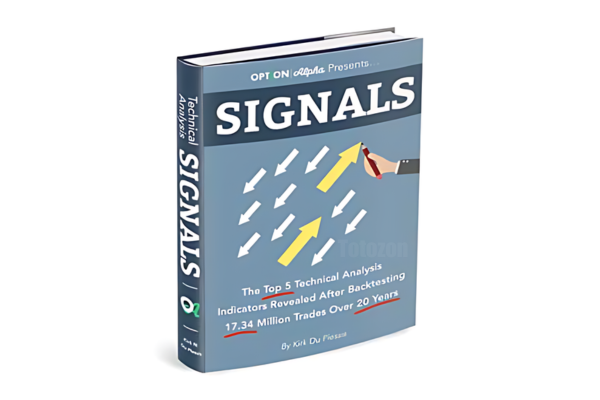 Signals
1 × $6.00
Signals
1 × $6.00 -
×
 The First Time Investors Workbook with Joe Jonh Duran & Larry Chambers
1 × $6.00
The First Time Investors Workbook with Joe Jonh Duran & Larry Chambers
1 × $6.00 -
×
 Growth Traders Toolbox Course with Julian Komar
1 × $5.00
Growth Traders Toolbox Course with Julian Komar
1 × $5.00 -
×
 Team Bull Trading Academy
1 × $5.00
Team Bull Trading Academy
1 × $5.00 -
×
 Ichimoku Cloud Trading Course with FollowMeTrades
1 × $15.00
Ichimoku Cloud Trading Course with FollowMeTrades
1 × $15.00 -
×
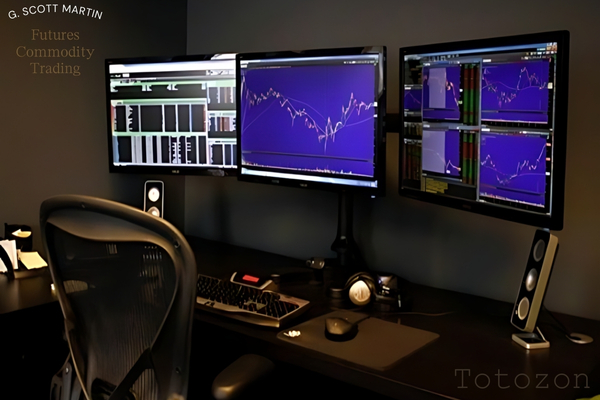 Futures Commodity Trading with G. Scott Martin
1 × $6.00
Futures Commodity Trading with G. Scott Martin
1 × $6.00 -
×
 Profinacci Complete Course with Stephen A.Pierce
1 × $6.00
Profinacci Complete Course with Stephen A.Pierce
1 × $6.00 -
×
 Game-Maker Forex Trading System
1 × $6.00
Game-Maker Forex Trading System
1 × $6.00 -
×
 Advanced Technical Strategies Home Study Course with T3 LIVE
1 × $31.00
Advanced Technical Strategies Home Study Course with T3 LIVE
1 × $31.00 -
×
 A14 Weekly Options Strategy Workshop 2023 with Amy Meissner - Aeromir
1 × $23.00
A14 Weekly Options Strategy Workshop 2023 with Amy Meissner - Aeromir
1 × $23.00 -
×
 PRO COURSE Order Flow Strategy with Gova Trading Academy
1 × $5.00
PRO COURSE Order Flow Strategy with Gova Trading Academy
1 × $5.00 -
×
 Stock Trading Simplified - 3 DVD + PDF Workbook with John Person
1 × $6.00
Stock Trading Simplified - 3 DVD + PDF Workbook with John Person
1 × $6.00 -
×
 The Ultimate Trading Resource with Clayton Bell, Alex Viscusi & Ben Chaffee
1 × $6.00
The Ultimate Trading Resource with Clayton Bell, Alex Viscusi & Ben Chaffee
1 × $6.00 -
×
 Neural Networks in the Capital Markets with Apostolos Paul Refenes
1 × $6.00
Neural Networks in the Capital Markets with Apostolos Paul Refenes
1 × $6.00 -
×
 Trading Natural Resources in a Volatile Market with Kevin Kerr
1 × $6.00
Trading Natural Resources in a Volatile Market with Kevin Kerr
1 × $6.00 -
×
 Day Trader Course
1 × $6.00
Day Trader Course
1 × $6.00 -
×
 Essential Stock Picking Strategies with Daniel Strachman
1 × $6.00
Essential Stock Picking Strategies with Daniel Strachman
1 × $6.00 -
×
 Yarimi University Course
1 × $56.00
Yarimi University Course
1 × $56.00 -
×
 The Python for Traders Masterclass with Mr James
1 × $10.00
The Python for Traders Masterclass with Mr James
1 × $10.00 -
×
 OPTIONS FOR BEGINNERS
1 × $6.00
OPTIONS FOR BEGINNERS
1 × $6.00 -
×
 Dominate Stocks 2020 with J. Bravo
1 × $6.00
Dominate Stocks 2020 with J. Bravo
1 × $6.00 -
×
 HINT (High Income No Taxes) with Jeff Watson
1 × $54.00
HINT (High Income No Taxes) with Jeff Watson
1 × $54.00 -
×
 Candle Charting Essentials & Beyond Volume 1 & 2 with Steve Nison - Candle Charts
1 × $15.00
Candle Charting Essentials & Beyond Volume 1 & 2 with Steve Nison - Candle Charts
1 × $15.00 -
×
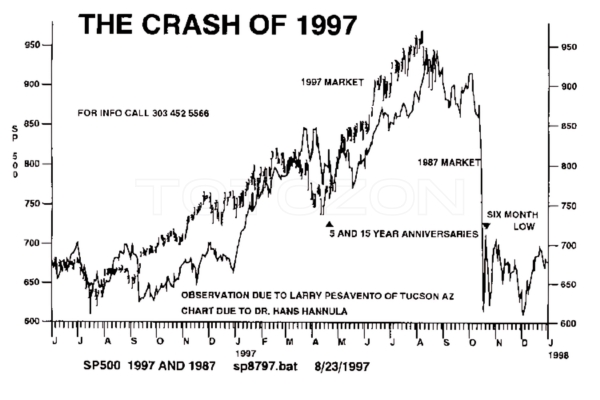 The Crash of 1997 (Article) with Hans Hannula
1 × $6.00
The Crash of 1997 (Article) with Hans Hannula
1 × $6.00 -
×
 High Probability Trading Using Elliott Wave And Fibonacci Analysis withVic Patel - Forex Training Group
1 × $10.00
High Probability Trading Using Elliott Wave And Fibonacci Analysis withVic Patel - Forex Training Group
1 × $10.00 -
×
 Algo Trading Masterclass with Ali Casey - StatOasis
1 × $23.00
Algo Trading Masterclass with Ali Casey - StatOasis
1 × $23.00 -
×
 Crystal Ball Pack PLUS bonus Live Trade By Pat Mitchell - Trick Trades
1 × $20.00
Crystal Ball Pack PLUS bonus Live Trade By Pat Mitchell - Trick Trades
1 × $20.00 -
×
 Pablo Order Flow Education with Pablo
1 × $6.00
Pablo Order Flow Education with Pablo
1 × $6.00 -
×
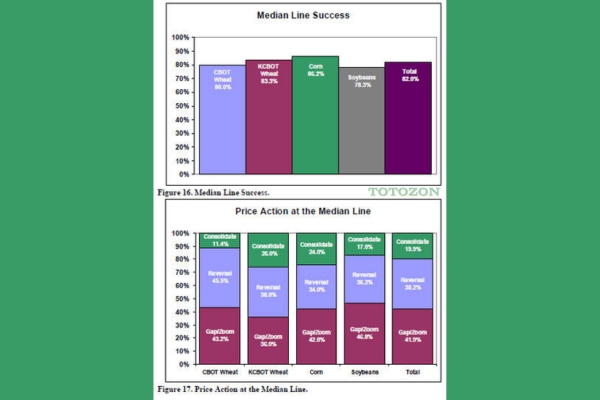 Using Median Lines as a Trading Tool with Greg Fisher
1 × $6.00
Using Median Lines as a Trading Tool with Greg Fisher
1 × $6.00 -
×
 Trading as a Business with Alexander Elder
1 × $6.00
Trading as a Business with Alexander Elder
1 × $6.00 -
×
 Complete Day Trading Course with The Trading Floor
1 × $13.00
Complete Day Trading Course with The Trading Floor
1 × $13.00 -
×
 Cecil Robles Advent Forex Course & Indicators with Adventforex
1 × $6.00
Cecil Robles Advent Forex Course & Indicators with Adventforex
1 × $6.00 -
×
 WondaFX Signature Strategy with WondaFX
1 × $5.00
WondaFX Signature Strategy with WondaFX
1 × $5.00 -
×
 Professional Chart Reading Bootcamp - 2 CDs
1 × $6.00
Professional Chart Reading Bootcamp - 2 CDs
1 × $6.00 -
×
 High Yield Investments I & II with Lance Spicer
1 × $6.00
High Yield Investments I & II with Lance Spicer
1 × $6.00 -
×
 The Market Masters: Wall Street's Top Investment Pros Reveal How to Make Money in Both Bull and Bear Markets - Kirk Kazanjian
1 × $6.00
The Market Masters: Wall Street's Top Investment Pros Reveal How to Make Money in Both Bull and Bear Markets - Kirk Kazanjian
1 × $6.00 -
×
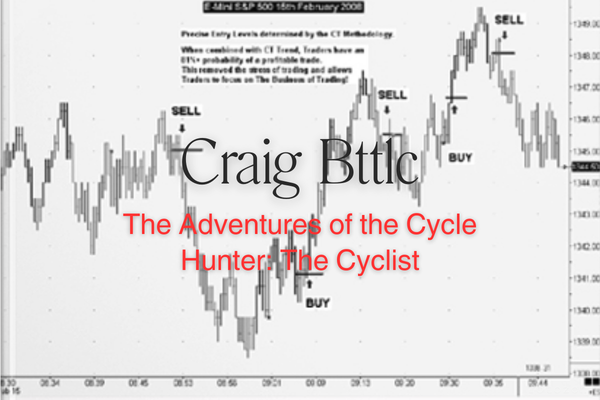 The Adventures of the Cycle Hunter. The Cyclist with Craig Bttlc
1 × $6.00
The Adventures of the Cycle Hunter. The Cyclist with Craig Bttlc
1 × $6.00 -
×
 Swing Trader Pro with Top Trade Tools
1 × $54.00
Swing Trader Pro with Top Trade Tools
1 × $54.00 -
×
 Advanced Iron Condor Course in 2021
1 × $6.00
Advanced Iron Condor Course in 2021
1 × $6.00 -
×
 Planetary Stock Trading with Bill Meridian
1 × $6.00
Planetary Stock Trading with Bill Meridian
1 × $6.00 -
×
 Online Course - Why Wave Analysis Belongs in Every Trader's Toolbox with Jeffrey Kennedy - Elliott Wave
1 × $15.00
Online Course - Why Wave Analysis Belongs in Every Trader's Toolbox with Jeffrey Kennedy - Elliott Wave
1 × $15.00
Fundamentals Trading
$6.00
File Size: Coming soon!
Delivery Time: 1–12 hours
Media Type: Online Course
Fundamentals Trading
Introduction to Fundamentals Trading
Fundamentals trading is a strategy that involves making investment decisions based on the analysis of economic, financial, and other qualitative and quantitative factors. Unlike technical analysis, which focuses on price patterns and market trends, fundamentals trading digs deeper into the intrinsic value of an asset.
Understanding Fundamental Analysis
Fundamental analysis involves evaluating a security’s underlying value by examining related economic, financial, and other qualitative and quantitative factors. This approach is essential for investors looking to make long-term investments.
Key Components of Fundamental Analysis
- Economic Indicators: GDP, unemployment rates, and inflation are crucial indicators of a country’s economic health.
- Financial Statements: Balance sheets, income statements, and cash flow statements provide insight into a company’s financial performance.
- Qualitative Factors: Management quality, industry conditions, and competitive positioning are vital for a comprehensive analysis.
Economic Indicators in Fundamentals Trading
Economic indicators play a significant role in fundamentals trading. They provide a macroeconomic perspective, helping traders make informed decisions.
Gross Domestic Product (GDP)
GDP measures a country’s overall economic output. A growing GDP indicates a healthy economy, which can positively impact stock prices.
Unemployment Rates
Lower unemployment rates typically signal a strong economy, leading to higher consumer spending and potentially boosting corporate profits.
Inflation Rates
Inflation affects purchasing power and interest rates. Moderate inflation is generally seen as a sign of a growing economy, while high inflation can erode profits.
Analyzing Financial Statements
Financial statements are the backbone of fundamental analysis. They offer a detailed view of a company’s financial health and operational efficiency.
Balance Sheet
The balance sheet provides a snapshot of a company’s assets, liabilities, and shareholders’ equity at a specific point in time.
Income Statement
The income statement shows a company’s revenues, expenses, and profits over a period. It’s crucial for assessing profitability.
Cash Flow Statement
The cash flow statement tracks the flow of cash in and out of a company. It helps determine the company’s liquidity and financial flexibility.
Qualitative Analysis in Fundamentals Trading
Qualitative analysis complements quantitative analysis by assessing non-numeric factors that can impact a company’s performance.
Management Quality
The effectiveness of a company’s management team can significantly influence its success. Experienced and competent leadership is a positive sign.
Industry Conditions
Understanding the dynamics of the industry in which a company operates is essential. This includes analyzing competitive pressures and market demand.
Competitive Positioning
A company’s market position relative to its competitors can provide insights into its long-term prospects.
Applying Fundamentals Trading Strategies
Successful fundamentals trading requires a systematic approach to analyzing and interpreting data.
Value Investing
Value investing involves identifying undervalued stocks with strong fundamentals. Investors look for stocks trading below their intrinsic value.
Growth Investing
Growth investors focus on companies with high growth potential. They prioritize companies with strong revenue and earnings growth.
Income Investing
Income investors seek stocks that provide regular dividends. These are typically stable, established companies with consistent cash flow.
Practical Examples of Fundamentals Trading
Let’s explore some practical examples to see how fundamental analysis works in real trading scenarios.
Example 1: Analyzing a Tech Company
When analyzing a tech company, look at its innovation pipeline, market share, and R&D spending. These factors can indicate future growth potential.
Example 2: Investing in Consumer Goods
For consumer goods companies, assess consumer demand trends, brand strength, and distribution networks. These elements impact long-term stability and growth.
Benefits of Fundamentals Trading
Fundamentals trading offers several advantages for long-term investors.
Long-Term Perspective
Fundamentals trading focuses on long-term value, reducing the impact of short-term market volatility.
Informed Decision Making
By understanding a company’s intrinsic value, investors can make more informed decisions, minimizing the risk of speculative losses.
Diversification
Fundamentals trading encourages diversification by investing in various sectors and industries, spreading risk.
Common Mistakes in Fundamentals Trading
Avoiding common pitfalls can enhance the effectiveness of your fundamentals trading strategy.
Overlooking Qualitative Factors
Quantitative analysis is crucial, but ignoring qualitative factors like management quality can lead to incomplete assessments.
Ignoring Market Conditions
Economic conditions and market trends should be considered. Fundamentals trading doesn’t occur in a vacuum.
Overconfidence in Analysis
It’s essential to remain objective and not become overconfident in your analysis. Always be open to new information and insights.
Tips for Successful Fundamentals Trading
Here are some tips to help you succeed in fundamentals trading.
Tip 1: Stay Informed
Regularly update your knowledge of economic indicators, financial statements, and industry conditions.
Tip 2: Use Multiple Sources
Diversify your information sources to get a well-rounded view of the market and specific companies.
Tip 3: Be Patient
Fundamentals trading is a long-term strategy. Patience is crucial for seeing the benefits of your investments.
Tip 4: Manage Risk
Implement risk management strategies, such as diversification and setting stop-loss orders.
Conclusion
Fundamentals trading is a robust strategy that relies on in-depth analysis of economic indicators, financial statements, and qualitative factors. By focusing on intrinsic value, investors can make informed decisions and build a diversified portfolio poised for long-term success.
FAQs
1. What is fundamentals trading?
Fundamentals trading involves making investment decisions based on the analysis of economic, financial, and qualitative factors to determine a security’s intrinsic value.
2. How do economic indicators impact fundamentals trading?
Economic indicators like GDP, unemployment, and inflation rates provide insights into the overall economic health, influencing market trends and investment decisions.
3. What are the key financial statements used in fundamental analysis?
The key financial statements are the balance sheet, income statement, and cash flow statement, which provide detailed insights into a company’s financial performance.
4. Why is qualitative analysis important in fundamentals trading?
Qualitative analysis assesses non-numeric factors such as management quality and industry conditions, offering a comprehensive view of a company’s potential.
5. How can I start with fundamentals trading?
Begin by educating yourself on economic indicators, financial statements, and qualitative factors. Develop a systematic approach to analyzing data and making informed investment decisions.
Be the first to review “Fundamentals Trading”
You must be logged in to post a review.
Related products

Original price was: $310.00.$23.00Current price is: $23.00.

Original price was: $895.00.$15.00Current price is: $15.00.

Original price was: $1,200.00.$23.00Current price is: $23.00.

Forex Trading
Original price was: $249.00.$15.00Current price is: $15.00.

Forex Trading
Original price was: $397.00.$31.00Current price is: $31.00.

Forex Trading
Original price was: $697.00.$5.00Current price is: $5.00.
Forex Trading
The Complete Guide to Multiple Time Frame Analysis & Reading Price Action with Aiman Almansoori
Original price was: $1,399.00.$13.00Current price is: $13.00.
Original price was: $497.00.$31.00Current price is: $31.00.

Forex Trading
Original price was: $500.00.$5.00Current price is: $5.00.
Forex Trading
Original price was: $550.00.$5.00Current price is: $5.00.

Forex Trading
Original price was: $4,997.00.$27.00Current price is: $27.00.
Original price was: $139.00.$23.00Current price is: $23.00.
Forex Trading
Original price was: $797.00.$10.00Current price is: $10.00.
Original price was: $649.00.$20.00Current price is: $20.00.

Original price was: $2,120.00.$15.00Current price is: $15.00.

Forex Trading
Original price was: $239.00.$8.00Current price is: $8.00.

Original price was: $450.00.$23.00Current price is: $23.00.

Original price was: $197.00.$5.00Current price is: $5.00.

Original price was: $497.00.$11.00Current price is: $11.00.
Original price was: $1,800.00.$54.00Current price is: $54.00.

Reviews
There are no reviews yet.