
-
×
 Traders World Past Issue Articles on CD with Magazine
1 × $6.00
Traders World Past Issue Articles on CD with Magazine
1 × $6.00 -
×
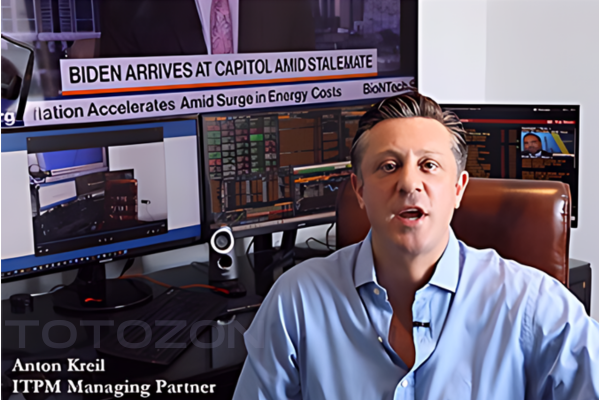 Professional Level Trading (IPLT) Online Video Series with Anton Kreil
1 × $6.00
Professional Level Trading (IPLT) Online Video Series with Anton Kreil
1 × $6.00 -
×
 How I Trade for a Living with Gary Smith
1 × $6.00
How I Trade for a Living with Gary Smith
1 × $6.00 -
×
 Daily Market Review 2009-2012 (Video 16 GB) with David Vallieres
1 × $6.00
Daily Market Review 2009-2012 (Video 16 GB) with David Vallieres
1 × $6.00 -
×
 The Handbook of Chaos Control with H.G.Schuster
1 × $6.00
The Handbook of Chaos Control with H.G.Schuster
1 × $6.00 -
×
 Futures Spreads Crash Course with Base Camp Trading
1 × $54.00
Futures Spreads Crash Course with Base Camp Trading
1 × $54.00 -
×
 Consistently Profitable Trader with Pollinate Trading
1 × $13.00
Consistently Profitable Trader with Pollinate Trading
1 × $13.00 -
×
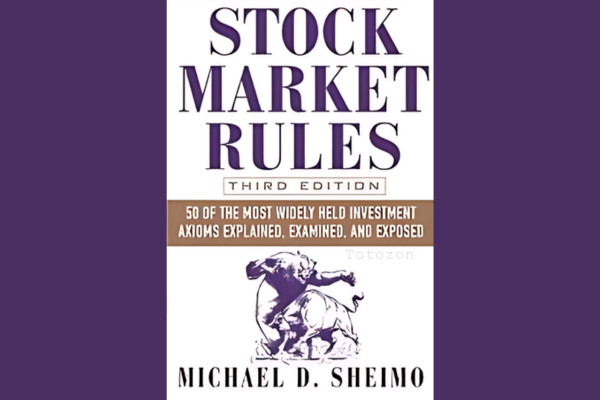 Stock Market Rules (3rd Ed.) with Michael Sheimo
1 × $6.00
Stock Market Rules (3rd Ed.) with Michael Sheimo
1 × $6.00 -
×
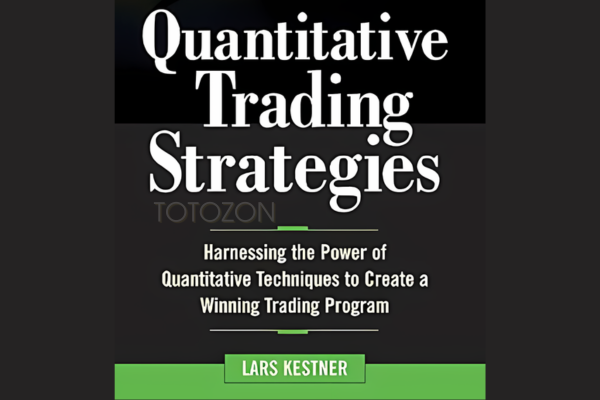 Quantitative Trading Strategies (1st Edition) with Lars Kestner
1 × $6.00
Quantitative Trading Strategies (1st Edition) with Lars Kestner
1 × $6.00 -
×
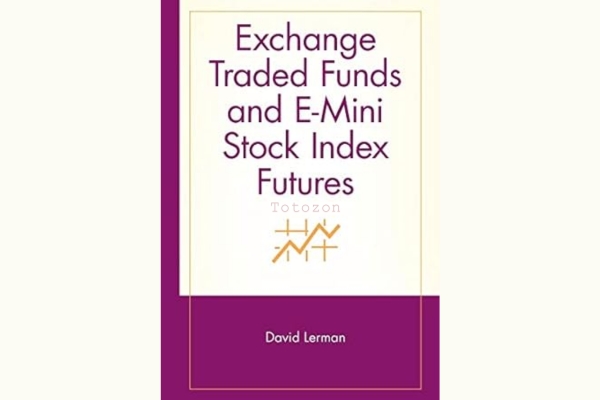 Exchange Traded Funds & E-Mini Stock Index Futures with David Lerman
1 × $6.00
Exchange Traded Funds & E-Mini Stock Index Futures with David Lerman
1 × $6.00 -
×
 The Delphi Scalper 4 - Video + Metatrader Indicators with Jason Fielder
1 × $6.00
The Delphi Scalper 4 - Video + Metatrader Indicators with Jason Fielder
1 × $6.00 -
×
 Best of the Best: Collars with Amy Meissner & Scott Ruble
1 × $15.00
Best of the Best: Collars with Amy Meissner & Scott Ruble
1 × $15.00 -
×
 Forex Mentor Seminar with Peter Bain
1 × $6.00
Forex Mentor Seminar with Peter Bain
1 × $6.00 -
×
 The A14 Weekly Option Strategy Workshop with Amy Meissner
1 × $23.00
The A14 Weekly Option Strategy Workshop with Amy Meissner
1 × $23.00 -
×
 An Empirical Ananlysis of Stock Market Sentiment (Article) with Andrea Terzi
1 × $6.00
An Empirical Ananlysis of Stock Market Sentiment (Article) with Andrea Terzi
1 × $6.00 -
×
 Pre-Previews. 23 Articles and Forecasts
1 × $6.00
Pre-Previews. 23 Articles and Forecasts
1 × $6.00 -
×
 Pristine - Noble DraKoln – The Complete Liverpool Futures Seminar Series
1 × $6.00
Pristine - Noble DraKoln – The Complete Liverpool Futures Seminar Series
1 × $6.00 -
×
 AI For Traders with Trading Markets
1 × $31.00
AI For Traders with Trading Markets
1 × $31.00 -
×
 How To Read The Market Professionally with TradeSmart
1 × $27.00
How To Read The Market Professionally with TradeSmart
1 × $27.00 -
×
 Master Trader with InvestingSimple
1 × $15.00
Master Trader with InvestingSimple
1 × $15.00 -
×
 Emini Bonds
1 × $23.00
Emini Bonds
1 × $23.00 -
×
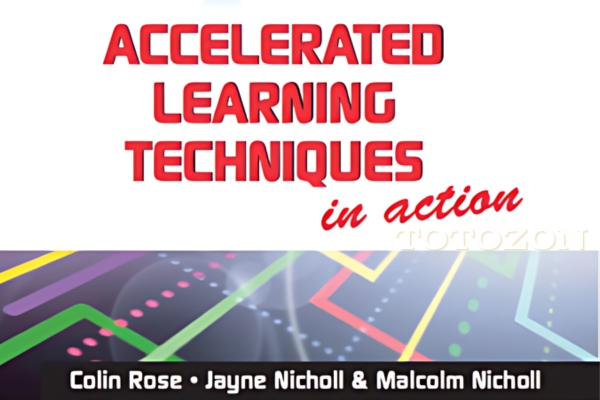 Accelerated Learning Techniques in Action with Colin Rose, Jayne Nicholl & Malcolm Nicholl
1 × $6.00
Accelerated Learning Techniques in Action with Colin Rose, Jayne Nicholl & Malcolm Nicholl
1 × $6.00 -
×
 WondaFX Signature Strategy with WondaFX
1 × $5.00
WondaFX Signature Strategy with WondaFX
1 × $5.00 -
×
 ENG Renko Mastery with International Scalpers
1 × $10.00
ENG Renko Mastery with International Scalpers
1 × $10.00 -
×
 A Treasure House of Bayer. 32 Articles and Forecasts with George Bayer
1 × $6.00
A Treasure House of Bayer. 32 Articles and Forecasts with George Bayer
1 × $6.00 -
×
 Master Trader Technical Strategies with Greg Capra - Master Trader
1 × $5.00
Master Trader Technical Strategies with Greg Capra - Master Trader
1 × $5.00 -
×
 Change Happens. Do You Profit Or Does Someone Else (Traders Expo Las Vegas Dec 2005) by Tobin Smith
1 × $6.00
Change Happens. Do You Profit Or Does Someone Else (Traders Expo Las Vegas Dec 2005) by Tobin Smith
1 × $6.00 -
×
 TRADING NFX Course with Andrew NFX
1 × $5.00
TRADING NFX Course with Andrew NFX
1 × $5.00 -
×
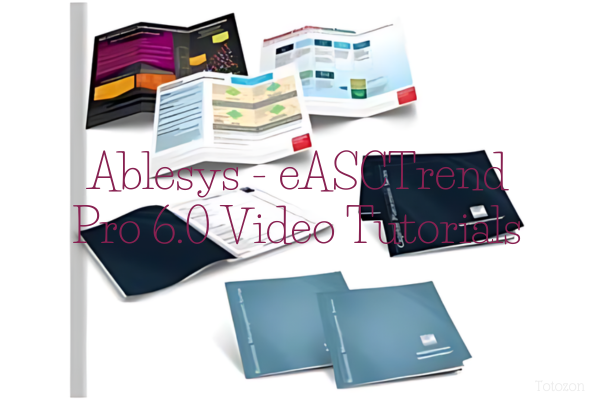 eASCTrend Pro 6.0 Video Tutorials with Ablesys
1 × $6.00
eASCTrend Pro 6.0 Video Tutorials with Ablesys
1 × $6.00 -
×
 Sovereign Man Confidential
1 × $6.00
Sovereign Man Confidential
1 × $6.00 -
×
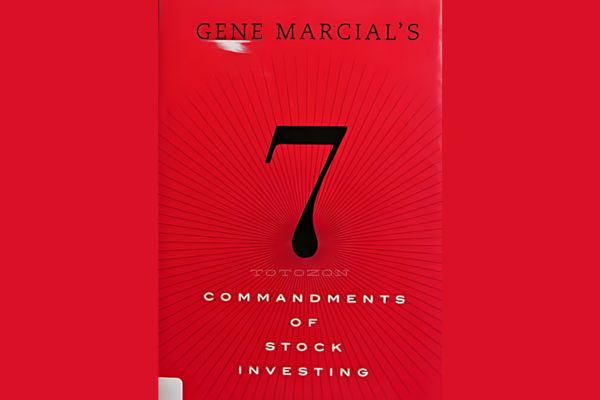 7 Commandments of Stock Investing with Gene Marcial
1 × $6.00
7 Commandments of Stock Investing with Gene Marcial
1 × $6.00 -
×
 TradeCraft: Your Path to Peak Performance Trading By Adam Grimes
1 × $15.00
TradeCraft: Your Path to Peak Performance Trading By Adam Grimes
1 × $15.00 -
×
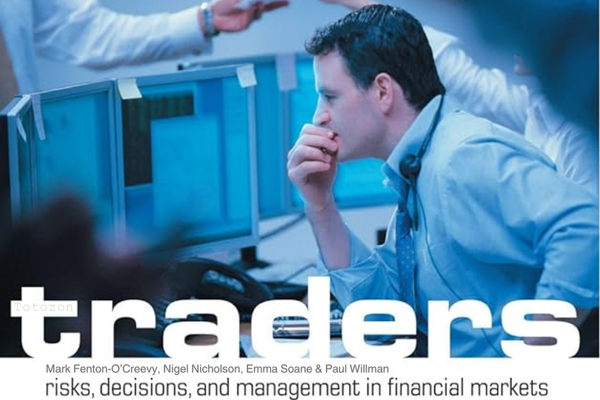 Traders: Risks, Decisions, and Management in Financial Markets - Mark Fenton-O’Creevy, Nigel Nicholson, Emma Soane & Paul Willman
1 × $6.00
Traders: Risks, Decisions, and Management in Financial Markets - Mark Fenton-O’Creevy, Nigel Nicholson, Emma Soane & Paul Willman
1 × $6.00 -
×
 Secret Forex Society Economic Reports (2006-2007) with Felix Homogratus
1 × $6.00
Secret Forex Society Economic Reports (2006-2007) with Felix Homogratus
1 × $6.00 -
×
 Quantifiable Edges – Gold Subscription with Rob Hanna
1 × $54.00
Quantifiable Edges – Gold Subscription with Rob Hanna
1 × $54.00 -
×
 The Naked Eye: Raw Data Analytics with Edgar Torres - Raw Data Analytics
1 × $8.00
The Naked Eye: Raw Data Analytics with Edgar Torres - Raw Data Analytics
1 × $8.00 -
×
 A14 Weekly Options Strategy Workshop 2023 with Amy Meissner - Aeromir
1 × $23.00
A14 Weekly Options Strategy Workshop 2023 with Amy Meissner - Aeromir
1 × $23.00 -
×
 Day Trading Stocks - Gap Trading
1 × $23.00
Day Trading Stocks - Gap Trading
1 × $23.00 -
×
 Bond Market Course with The Macro Compass
1 × $15.00
Bond Market Course with The Macro Compass
1 × $15.00 -
×
 Quantamentals - The Next Great Forefront Of Trading and Investing with Trading Markets
1 × $8.00
Quantamentals - The Next Great Forefront Of Trading and Investing with Trading Markets
1 × $8.00 -
×
 Trading Strategies with Larry Sanders
1 × $6.00
Trading Strategies with Larry Sanders
1 × $6.00 -
×
 Asset Prices, Booms & Recessions (2nd Ed.) with Willi Semmler
1 × $6.00
Asset Prices, Booms & Recessions (2nd Ed.) with Willi Semmler
1 × $6.00 -
×
 0 DTE Options Trading Workshop with Aeromir Corporation
1 × $15.00
0 DTE Options Trading Workshop with Aeromir Corporation
1 × $15.00 -
×
 Technical Timing Patterns
1 × $6.00
Technical Timing Patterns
1 × $6.00 -
×
 All Candlestick Patterns Tested And Ranked with Quantified Strategies
1 × $8.00
All Candlestick Patterns Tested And Ranked with Quantified Strategies
1 × $8.00 -
×
 Forex Robotron (Unlocked)
1 × $6.00
Forex Robotron (Unlocked)
1 × $6.00 -
×
 SNR Trader Course with Ariff T
1 × $6.00
SNR Trader Course with Ariff T
1 × $6.00 -
×
 Trading Mindset, and Three Steps To Profitable Trading with Bruce Banks
1 × $6.00
Trading Mindset, and Three Steps To Profitable Trading with Bruce Banks
1 × $6.00 -
×
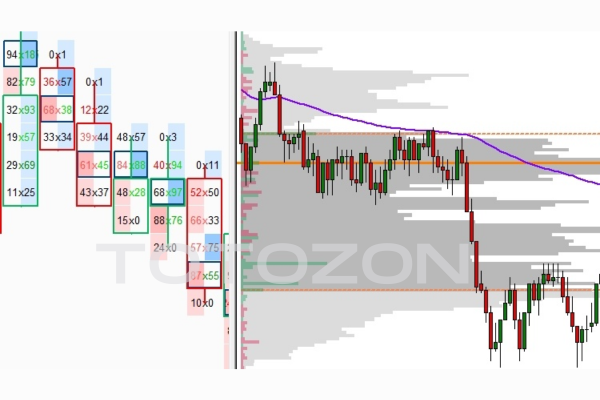 Day Trading with Volume Profile and Orderflow - Price Action Volume Trader
1 × $6.00
Day Trading with Volume Profile and Orderflow - Price Action Volume Trader
1 × $6.00 -
×
 Fierce 10 On Demand Coaching Program with High Performance Trading
1 × $5.00
Fierce 10 On Demand Coaching Program with High Performance Trading
1 × $5.00 -
×
 The Aggressive Conservative Investor with Martin Whitman & Martin Shubik
1 × $6.00
The Aggressive Conservative Investor with Martin Whitman & Martin Shubik
1 × $6.00 -
×
 High Powered Investing with Amine Bouchentouf
1 × $6.00
High Powered Investing with Amine Bouchentouf
1 × $6.00 -
×
 Steve Jobs. The Greatest Second Act in the History of Business with Young Simon
1 × $6.00
Steve Jobs. The Greatest Second Act in the History of Business with Young Simon
1 × $6.00 -
×
 How to Value & Sell your Business with Andrew Heslop
1 × $6.00
How to Value & Sell your Business with Andrew Heslop
1 × $6.00 -
×
 The Complete Guide to Multiple Time Frame Analysis & Reading Price Action with Aiman Almansoori
1 × $13.00
The Complete Guide to Multiple Time Frame Analysis & Reading Price Action with Aiman Almansoori
1 × $13.00 -
×
 Developing & Implementing Pattern-Based Trading Systems with Tushar S.Chande
1 × $6.00
Developing & Implementing Pattern-Based Trading Systems with Tushar S.Chande
1 × $6.00 -
×
 Trading Full Circle the Complete Underground Trader System for Timing with Jea Yu
1 × $6.00
Trading Full Circle the Complete Underground Trader System for Timing with Jea Yu
1 × $6.00 -
×
 The Michanics of Futures Trading - Roy Habben
1 × $6.00
The Michanics of Futures Trading - Roy Habben
1 × $6.00 -
×
 The Best Option Trading Course with David Jaffee - Best Stock Strategy
1 × $15.00
The Best Option Trading Course with David Jaffee - Best Stock Strategy
1 × $15.00 -
×
 Algo Trading Masterclass with Ali Casey - StatOasis
1 × $23.00
Algo Trading Masterclass with Ali Casey - StatOasis
1 × $23.00 -
×
 The Orderflows Trade Opportunities Encyclopedia with Michael Valtos
1 × $8.00
The Orderflows Trade Opportunities Encyclopedia with Michael Valtos
1 × $8.00 -
×
 The Best of the Professional Traders Journal. Market Timing with Larry Connors
1 × $6.00
The Best of the Professional Traders Journal. Market Timing with Larry Connors
1 × $6.00 -
×
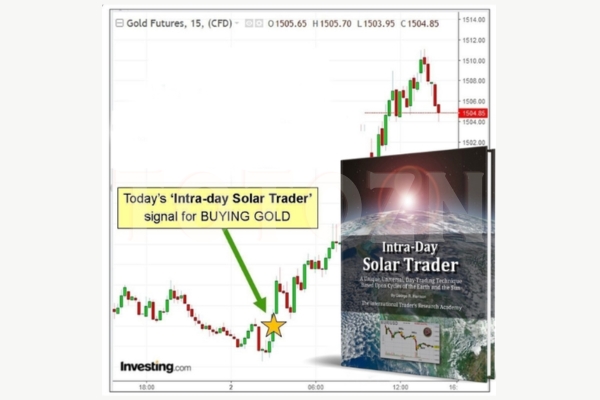 Intra-day Solar Trader with George Harrison
1 × $17.00
Intra-day Solar Trader with George Harrison
1 × $17.00 -
×
 Core Strategy Program + Extended Learning Track with Ota Courses
1 × $124.00
Core Strategy Program + Extended Learning Track with Ota Courses
1 × $124.00 -
×
 Scalp Strategy and Flipping Small Accounts with Opes Trading Group
1 × $5.00
Scalp Strategy and Flipping Small Accounts with Opes Trading Group
1 × $5.00 -
×
 Technical Analysis for Short-Term Traders
1 × $6.00
Technical Analysis for Short-Term Traders
1 × $6.00 -
×
 Advanced Spread Trading with Guy Bower - MasterClass Trader
1 × $15.00
Advanced Spread Trading with Guy Bower - MasterClass Trader
1 × $15.00 -
×
 Stock Trading Wizard
1 × $6.00
Stock Trading Wizard
1 × $6.00 -
×
 Option Trading: Pricing and Volatility Strategies and Techniques with Euan Sinclair
1 × $6.00
Option Trading: Pricing and Volatility Strategies and Techniques with Euan Sinclair
1 × $6.00 -
×
 Team Bull Trading Academy
1 × $5.00
Team Bull Trading Academy
1 × $5.00 -
×
 Fast Start Barter System with Bob Meyer
1 × $31.00
Fast Start Barter System with Bob Meyer
1 × $31.00 -
×
 Sea Lanes & Pipelines with Bernard D.Cole
1 × $6.00
Sea Lanes & Pipelines with Bernard D.Cole
1 × $6.00 -
×
 Risk Management Toolkit with Peter Bain
1 × $6.00
Risk Management Toolkit with Peter Bain
1 × $6.00 -
×
 Ultimate Trading Course with Dodgy's Dungeon
1 × $8.00
Ultimate Trading Course with Dodgy's Dungeon
1 × $8.00 -
×
 Finding Alpha: The Search for Alpha When Risk and Return Break Down with Eric Falkenstein
1 × $6.00
Finding Alpha: The Search for Alpha When Risk and Return Break Down with Eric Falkenstein
1 × $6.00 -
×
 Electronic Trading "TNT" I Gorilla Trading Stuff with Joe Ross & Mark Cherlin
1 × $6.00
Electronic Trading "TNT" I Gorilla Trading Stuff with Joe Ross & Mark Cherlin
1 × $6.00 -
×
 Matrix Spread Options Trading Course with Base Camp Trading
1 × $31.00
Matrix Spread Options Trading Course with Base Camp Trading
1 × $31.00 -
×
 Advanced Trader with Nikos Trading Academy
1 × $5.00
Advanced Trader with Nikos Trading Academy
1 × $5.00 -
×
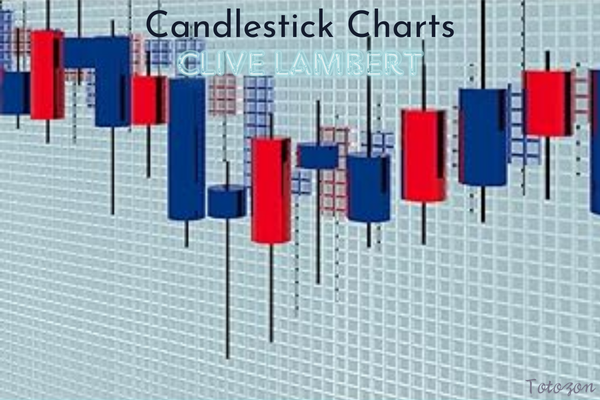 Candlestick Charts with Clive Lambert
1 × $6.00
Candlestick Charts with Clive Lambert
1 × $6.00 -
×
 Pyrapoint with D.E.Hall
1 × $6.00
Pyrapoint with D.E.Hall
1 × $6.00 -
×
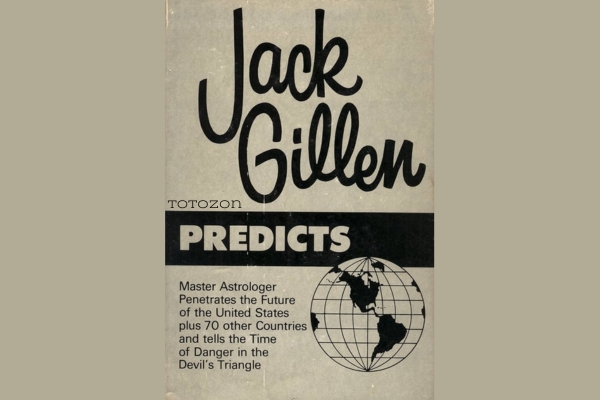 Gillen Predicts with Jack Gillen
1 × $6.00
Gillen Predicts with Jack Gillen
1 × $6.00 -
×
 Mastertrader – Mastering Swing Trading
1 × $31.00
Mastertrader – Mastering Swing Trading
1 × $31.00 -
×
 Forecast 2024 Clarification with Larry Williams
1 × $15.00
Forecast 2024 Clarification with Larry Williams
1 × $15.00

Fundamentals Trading
$6.00
File Size: Coming soon!
Delivery Time: 1–12 hours
Media Type: Online Course
Fundamentals Trading
Introduction to Fundamentals Trading
Fundamentals trading is a strategy that involves making investment decisions based on the analysis of economic, financial, and other qualitative and quantitative factors. Unlike technical analysis, which focuses on price patterns and market trends, fundamentals trading digs deeper into the intrinsic value of an asset.
Understanding Fundamental Analysis
Fundamental analysis involves evaluating a security’s underlying value by examining related economic, financial, and other qualitative and quantitative factors. This approach is essential for investors looking to make long-term investments.
Key Components of Fundamental Analysis
- Economic Indicators: GDP, unemployment rates, and inflation are crucial indicators of a country’s economic health.
- Financial Statements: Balance sheets, income statements, and cash flow statements provide insight into a company’s financial performance.
- Qualitative Factors: Management quality, industry conditions, and competitive positioning are vital for a comprehensive analysis.
Economic Indicators in Fundamentals Trading
Economic indicators play a significant role in fundamentals trading. They provide a macroeconomic perspective, helping traders make informed decisions.
Gross Domestic Product (GDP)
GDP measures a country’s overall economic output. A growing GDP indicates a healthy economy, which can positively impact stock prices.
Unemployment Rates
Lower unemployment rates typically signal a strong economy, leading to higher consumer spending and potentially boosting corporate profits.
Inflation Rates
Inflation affects purchasing power and interest rates. Moderate inflation is generally seen as a sign of a growing economy, while high inflation can erode profits.
Analyzing Financial Statements
Financial statements are the backbone of fundamental analysis. They offer a detailed view of a company’s financial health and operational efficiency.
Balance Sheet
The balance sheet provides a snapshot of a company’s assets, liabilities, and shareholders’ equity at a specific point in time.
Income Statement
The income statement shows a company’s revenues, expenses, and profits over a period. It’s crucial for assessing profitability.
Cash Flow Statement
The cash flow statement tracks the flow of cash in and out of a company. It helps determine the company’s liquidity and financial flexibility.
Qualitative Analysis in Fundamentals Trading
Qualitative analysis complements quantitative analysis by assessing non-numeric factors that can impact a company’s performance.
Management Quality
The effectiveness of a company’s management team can significantly influence its success. Experienced and competent leadership is a positive sign.
Industry Conditions
Understanding the dynamics of the industry in which a company operates is essential. This includes analyzing competitive pressures and market demand.
Competitive Positioning
A company’s market position relative to its competitors can provide insights into its long-term prospects.
Applying Fundamentals Trading Strategies
Successful fundamentals trading requires a systematic approach to analyzing and interpreting data.
Value Investing
Value investing involves identifying undervalued stocks with strong fundamentals. Investors look for stocks trading below their intrinsic value.
Growth Investing
Growth investors focus on companies with high growth potential. They prioritize companies with strong revenue and earnings growth.
Income Investing
Income investors seek stocks that provide regular dividends. These are typically stable, established companies with consistent cash flow.
Practical Examples of Fundamentals Trading
Let’s explore some practical examples to see how fundamental analysis works in real trading scenarios.
Example 1: Analyzing a Tech Company
When analyzing a tech company, look at its innovation pipeline, market share, and R&D spending. These factors can indicate future growth potential.
Example 2: Investing in Consumer Goods
For consumer goods companies, assess consumer demand trends, brand strength, and distribution networks. These elements impact long-term stability and growth.
Benefits of Fundamentals Trading
Fundamentals trading offers several advantages for long-term investors.
Long-Term Perspective
Fundamentals trading focuses on long-term value, reducing the impact of short-term market volatility.
Informed Decision Making
By understanding a company’s intrinsic value, investors can make more informed decisions, minimizing the risk of speculative losses.
Diversification
Fundamentals trading encourages diversification by investing in various sectors and industries, spreading risk.
Common Mistakes in Fundamentals Trading
Avoiding common pitfalls can enhance the effectiveness of your fundamentals trading strategy.
Overlooking Qualitative Factors
Quantitative analysis is crucial, but ignoring qualitative factors like management quality can lead to incomplete assessments.
Ignoring Market Conditions
Economic conditions and market trends should be considered. Fundamentals trading doesn’t occur in a vacuum.
Overconfidence in Analysis
It’s essential to remain objective and not become overconfident in your analysis. Always be open to new information and insights.
Tips for Successful Fundamentals Trading
Here are some tips to help you succeed in fundamentals trading.
Tip 1: Stay Informed
Regularly update your knowledge of economic indicators, financial statements, and industry conditions.
Tip 2: Use Multiple Sources
Diversify your information sources to get a well-rounded view of the market and specific companies.
Tip 3: Be Patient
Fundamentals trading is a long-term strategy. Patience is crucial for seeing the benefits of your investments.
Tip 4: Manage Risk
Implement risk management strategies, such as diversification and setting stop-loss orders.
Conclusion
Fundamentals trading is a robust strategy that relies on in-depth analysis of economic indicators, financial statements, and qualitative factors. By focusing on intrinsic value, investors can make informed decisions and build a diversified portfolio poised for long-term success.
FAQs
1. What is fundamentals trading?
Fundamentals trading involves making investment decisions based on the analysis of economic, financial, and qualitative factors to determine a security’s intrinsic value.
2. How do economic indicators impact fundamentals trading?
Economic indicators like GDP, unemployment, and inflation rates provide insights into the overall economic health, influencing market trends and investment decisions.
3. What are the key financial statements used in fundamental analysis?
The key financial statements are the balance sheet, income statement, and cash flow statement, which provide detailed insights into a company’s financial performance.
4. Why is qualitative analysis important in fundamentals trading?
Qualitative analysis assesses non-numeric factors such as management quality and industry conditions, offering a comprehensive view of a company’s potential.
5. How can I start with fundamentals trading?
Begin by educating yourself on economic indicators, financial statements, and qualitative factors. Develop a systematic approach to analyzing data and making informed investment decisions.
Be the first to review “Fundamentals Trading”
You must be logged in to post a review.
Related products
Original price was: $999.00.$5.00Current price is: $5.00.

Original price was: $700.00.$39.00Current price is: $39.00.

Original price was: $695.00.$41.00Current price is: $41.00.
Forex Trading
Quantamentals – The Next Great Forefront Of Trading and Investing with Trading Markets
Original price was: $1,495.00.$8.00Current price is: $8.00.

Forex Trading
Original price was: $797.00.$10.00Current price is: $10.00.
Forex Trading
Original price was: $999.00.$15.00Current price is: $15.00.
Forex Trading
Original price was: $239.00.$8.00Current price is: $8.00.

Original price was: $2,120.00.$15.00Current price is: $15.00.

Original price was: $649.00.$20.00Current price is: $20.00.
Original price was: $310.00.$23.00Current price is: $23.00.

Forex Trading
Original price was: $2,997.00.$23.00Current price is: $23.00.
Forex Trading
Original price was: $500.00.$5.00Current price is: $5.00.
Original price was: $299.00.$8.00Current price is: $8.00.
Original price was: $997.00.$8.00Current price is: $8.00.

Original price was: $450.00.$23.00Current price is: $23.00.

Original price was: $1,800.00.$54.00Current price is: $54.00.
Original price was: $799.00.$15.00Current price is: $15.00.

Original price was: $1,200.00.$23.00Current price is: $23.00.
Original price was: $497.00.$31.00Current price is: $31.00.

Original price was: $197.00.$5.00Current price is: $5.00.

Reviews
There are no reviews yet.