
-
×
 3 Hour Calendar Class With Bonus 3 Months Daily Analysis!
1 × $23.00
3 Hour Calendar Class With Bonus 3 Months Daily Analysis!
1 × $23.00 -
×
 The Complete Guide to Multiple Time Frame Analysis & Reading Price Action with Aiman Almansoori
1 × $13.00
The Complete Guide to Multiple Time Frame Analysis & Reading Price Action with Aiman Almansoori
1 × $13.00 -
×
 0 DTE Options Trading Workshop with Aeromir Corporation
1 × $15.00
0 DTE Options Trading Workshop with Aeromir Corporation
1 × $15.00 -
×
 YouAreTheIndicator Online Course 1.0
1 × $6.00
YouAreTheIndicator Online Course 1.0
1 × $6.00 -
×
 TRADING NFX Course with Andrew NFX
1 × $5.00
TRADING NFX Course with Andrew NFX
1 × $5.00 -
×
 Home Run Options Trading Course with Dave Aquino - Base Camp Trading
1 × $11.00
Home Run Options Trading Course with Dave Aquino - Base Camp Trading
1 × $11.00 -
×
 The Orderflows Trade Opportunities Encyclopedia with Michael Valtos
1 × $8.00
The Orderflows Trade Opportunities Encyclopedia with Michael Valtos
1 × $8.00 -
×
 Trading Short TermSame Day Trades Sep 2023 with Dan Sheridan & Mark Fenton - Sheridan Options Mentoring
1 × $31.00
Trading Short TermSame Day Trades Sep 2023 with Dan Sheridan & Mark Fenton - Sheridan Options Mentoring
1 × $31.00 -
×
 The A14 Weekly Option Strategy Workshop with Amy Meissner
1 × $23.00
The A14 Weekly Option Strategy Workshop with Amy Meissner
1 × $23.00 -
×
 Quantamentals - The Next Great Forefront Of Trading and Investing with Trading Markets
1 × $8.00
Quantamentals - The Next Great Forefront Of Trading and Investing with Trading Markets
1 × $8.00 -
×
 Butterfly and Condor Workshop with Aeromir
1 × $15.00
Butterfly and Condor Workshop with Aeromir
1 × $15.00 -
×
 60 Seconds Sure Shot Strategy with Albert E
1 × $6.00
60 Seconds Sure Shot Strategy with Albert E
1 × $6.00 -
×
 Ultimate Trading Course with Dodgy's Dungeon
1 × $8.00
Ultimate Trading Course with Dodgy's Dungeon
1 × $8.00 -
×
 The Prop Trading Code with Brannigan Barrett - Axia Futures
1 × $23.00
The Prop Trading Code with Brannigan Barrett - Axia Futures
1 × $23.00 -
×
 Bond Market Course with The Macro Compass
1 × $15.00
Bond Market Course with The Macro Compass
1 × $15.00 -
×
 Price Action Forex Trading Strategies Training Course & Members Videos with Nial Fuller
1 × $28.00
Price Action Forex Trading Strategies Training Course & Members Videos with Nial Fuller
1 × $28.00 -
×
 SQX Mentorship with Tip Toe Hippo
1 × $23.00
SQX Mentorship with Tip Toe Hippo
1 × $23.00 -
×
 WondaFX Signature Strategy with WondaFX
1 × $5.00
WondaFX Signature Strategy with WondaFX
1 × $5.00 -
×
 WinXgo + Manual (moneytide.com)
1 × $6.00
WinXgo + Manual (moneytide.com)
1 × $6.00 -
×
 Candlestick and Pivot Point Trading Triggers with John Person
1 × $6.00
Candlestick and Pivot Point Trading Triggers with John Person
1 × $6.00 -
×
 White Phoenix’s The Smart (Money) Approach to Trading with Jayson Casper
1 × $39.00
White Phoenix’s The Smart (Money) Approach to Trading with Jayson Casper
1 × $39.00 -
×
 Best of the Best: Collars with Amy Meissner & Scott Ruble
1 × $15.00
Best of the Best: Collars with Amy Meissner & Scott Ruble
1 × $15.00 -
×
 Trendfund.com - Scalping, Options, Advanced Options
1 × $4.00
Trendfund.com - Scalping, Options, Advanced Options
1 × $4.00 -
×
 Compass Trading System with Right Line Trading
1 × $39.00
Compass Trading System with Right Line Trading
1 × $39.00 -
×
 W. D Gann 's Square Of 9 Applied To Modern Markets with Sean Avidar - Hexatrade350
1 × $23.00
W. D Gann 's Square Of 9 Applied To Modern Markets with Sean Avidar - Hexatrade350
1 × $23.00 -
×
 Wealthpress Jump Trade Package (Course Only, None-elert)
1 × $85.00
Wealthpress Jump Trade Package (Course Only, None-elert)
1 × $85.00 -
×
 Scalp Strategy and Flipping Small Accounts with Opes Trading Group
1 × $5.00
Scalp Strategy and Flipping Small Accounts with Opes Trading Group
1 × $5.00 -
×
 Trade for Life 7-day Intensive Training Course - Oliver Velez & Dan Gibby
1 × $6.00
Trade for Life 7-day Intensive Training Course - Oliver Velez & Dan Gibby
1 × $6.00 -
×
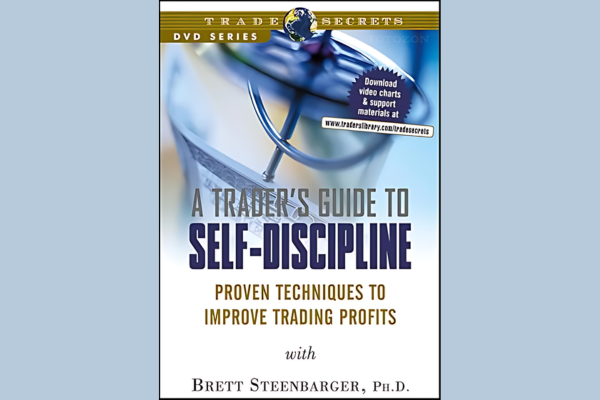 A Trader's Guide to Self-Discipline: Proven Techniques to Improve Trading Profits
1 × $6.00
A Trader's Guide to Self-Discipline: Proven Techniques to Improve Trading Profits
1 × $6.00 -
×
 The Thirty-Second Jewel in PDF with Constance Brown
1 × $8.00
The Thirty-Second Jewel in PDF with Constance Brown
1 × $8.00 -
×
 Channels & Cycles. A Tribute to J.M.Hurst with Brian J.Millard
1 × $6.00
Channels & Cycles. A Tribute to J.M.Hurst with Brian J.Millard
1 × $6.00 -
×
 Deep Dive Butterfly Trading Strategy Class with SJG Trades
1 × $41.00
Deep Dive Butterfly Trading Strategy Class with SJG Trades
1 × $41.00 -
×
 $20 – 52k 20 pips a day challange with Rafał Zuchowicz - TopMasterTrader
1 × $5.00
$20 – 52k 20 pips a day challange with Rafał Zuchowicz - TopMasterTrader
1 × $5.00 -
×
 Zen8 Forex Hedging Program with Hugh Kimura - Trading Heroes
1 × $5.00
Zen8 Forex Hedging Program with Hugh Kimura - Trading Heroes
1 × $5.00 -
×
 Advanced Gap Trading Strategies with Master Trader
1 × $31.00
Advanced Gap Trading Strategies with Master Trader
1 × $31.00 -
×
 Trend Trading: Timing Market Tides with Kedrick Brown
1 × $6.00
Trend Trading: Timing Market Tides with Kedrick Brown
1 × $6.00 -
×
 Wyckoff Stock Market Institute
1 × $5.00
Wyckoff Stock Market Institute
1 × $5.00 -
×
 ICT Prodigy Trading Course – $650K in Payouts with Alex Solignani
1 × $15.00
ICT Prodigy Trading Course – $650K in Payouts with Alex Solignani
1 × $15.00 -
×
 Toolkit For Thinkorswim with Bigtrends
1 × $54.00
Toolkit For Thinkorswim with Bigtrends
1 × $54.00 -
×
 A Grand Supercycle Top Webinar with Steven Hochberg
1 × $6.00
A Grand Supercycle Top Webinar with Steven Hochberg
1 × $6.00 -
×
 Forecast 2024 Clarification with Larry Williams
1 × $15.00
Forecast 2024 Clarification with Larry Williams
1 × $15.00 -
×
 Advanced Price Action Course with ZenFX
1 × $5.00
Advanced Price Action Course with ZenFX
1 × $5.00 -
×
 Crypto Trading Academy with Cheeky Investor - Aussie Day Trader
1 × $13.00
Crypto Trading Academy with Cheeky Investor - Aussie Day Trader
1 × $13.00 -
×
 6 Dynamic Trader Real Time and End Of Day
1 × $39.00
6 Dynamic Trader Real Time and End Of Day
1 × $39.00 -
×
 Using Robert’s Indicators with Rob Hoffman
1 × $6.00
Using Robert’s Indicators with Rob Hoffman
1 × $6.00 -
×
 Annual Forecast Reports - Forecast 2023 with Larry Williams
1 × $8.00
Annual Forecast Reports - Forecast 2023 with Larry Williams
1 × $8.00 -
×
 How To Read The Market Professionally with TradeSmart
1 × $27.00
How To Read The Market Professionally with TradeSmart
1 × $27.00 -
×
 All in One Forex Course with VintagEducation
1 × $31.00
All in One Forex Course with VintagEducation
1 × $31.00 -
×
 The Naked Eye: Raw Data Analytics with Edgar Torres - Raw Data Analytics
1 × $8.00
The Naked Eye: Raw Data Analytics with Edgar Torres - Raw Data Analytics
1 × $8.00 -
×
 Activedaytrader - Workshop: Practical Money Management
1 × $23.00
Activedaytrader - Workshop: Practical Money Management
1 × $23.00 -
×
 Basic Astrotech
1 × $6.00
Basic Astrotech
1 × $6.00 -
×
 Backtrade Marathon NEW with Real Life Trading
1 × $23.00
Backtrade Marathon NEW with Real Life Trading
1 × $23.00 -
×
 ART Trading - Fine Tuning Your Money Management Skills & Controlling Your Trade Risk
1 × $15.00
ART Trading - Fine Tuning Your Money Management Skills & Controlling Your Trade Risk
1 × $15.00 -
×
 The Best Option Trading Course with David Jaffee - Best Stock Strategy
1 × $15.00
The Best Option Trading Course with David Jaffee - Best Stock Strategy
1 × $15.00 -
×
 Acclimation Course with Base Camp Trading
1 × $10.00
Acclimation Course with Base Camp Trading
1 × $10.00 -
×
 Analysis of Equity Investments: Valuation with John Stowe, Thomas Robinson, Jerald Pinto & Dennis McLeavey
1 × $6.00
Analysis of Equity Investments: Valuation with John Stowe, Thomas Robinson, Jerald Pinto & Dennis McLeavey
1 × $6.00 -
×
 Order flow self-study training program with iMFtracker
1 × $10.00
Order flow self-study training program with iMFtracker
1 × $10.00 -
×
 High Probability Trading Using Elliott Wave And Fibonacci Analysis withVic Patel - Forex Training Group
1 × $10.00
High Probability Trading Using Elliott Wave And Fibonacci Analysis withVic Patel - Forex Training Group
1 × $10.00 -
×
 5 Steps to Investment Success with Tyler Bolhorn
1 × $6.00
5 Steps to Investment Success with Tyler Bolhorn
1 × $6.00 -
×
 Base Camp Trading – Bundle 5 Courses
1 × $5.00
Base Camp Trading – Bundle 5 Courses
1 × $5.00 -
×
 ActiveBeta Indexes. Capturing Systematic Sources of Active Equity Returns (HTML) with Andrew Lo
1 × $6.00
ActiveBeta Indexes. Capturing Systematic Sources of Active Equity Returns (HTML) with Andrew Lo
1 × $6.00 -
×
 Active Investing courses notes with Alan Hull
1 × $6.00
Active Investing courses notes with Alan Hull
1 × $6.00 -
×
 Activedaytrader - Workshop: Unusual Options
1 × $6.00
Activedaytrader - Workshop: Unusual Options
1 × $6.00 -
×
 Matrix Spread Options Trading Course with Base Camp Trading
1 × $31.00
Matrix Spread Options Trading Course with Base Camp Trading
1 × $31.00 -
×
 AI For Traders with Trading Markets
1 × $31.00
AI For Traders with Trading Markets
1 × $31.00 -
×
 7 DAY INTENSIVE ONLINE TRADER TRAINING PROGRAMME with The Trading Framework
1 × $15.00
7 DAY INTENSIVE ONLINE TRADER TRAINING PROGRAMME with The Trading Framework
1 × $15.00 -
×
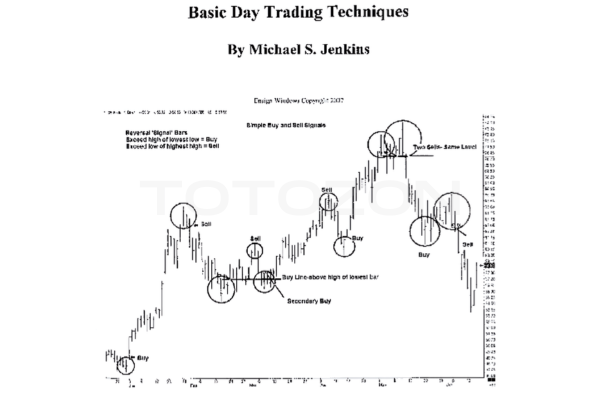 Basic Day Trading Techniques with Michael Jenkins
1 × $6.00
Basic Day Trading Techniques with Michael Jenkins
1 × $6.00 -
×
 5-Week Portfolio (No Bonus) - Criticaltrading
1 × $39.00
5-Week Portfolio (No Bonus) - Criticaltrading
1 × $39.00 -
×
 Activedaytrader - 3 Important Ways to Manage Your Options Position
1 × $15.00
Activedaytrader - 3 Important Ways to Manage Your Options Position
1 × $15.00 -
×
 Essentials in Quantitative Trading QT01 By HangukQuant's
1 × $23.00
Essentials in Quantitative Trading QT01 By HangukQuant's
1 × $23.00 -
×
 Balance Trader – Market Profile Trading Course
1 × $23.00
Balance Trader – Market Profile Trading Course
1 × $23.00 -
×
 Aspectos Generales del Mercado de Valores with A.Bachiller
1 × $6.00
Aspectos Generales del Mercado de Valores with A.Bachiller
1 × $6.00 -
×
 ADR Pro For Metatrader 4.0 with Compass FX
1 × $15.00
ADR Pro For Metatrader 4.0 with Compass FX
1 × $15.00 -
×
 Crystal Ball Pack PLUS bonus Live Trade By Pat Mitchell - Trick Trades
1 × $20.00
Crystal Ball Pack PLUS bonus Live Trade By Pat Mitchell - Trick Trades
1 × $20.00 -
×
 Bookmap Masterclass with Trading To Win
1 × $6.00
Bookmap Masterclass with Trading To Win
1 × $6.00 -
×
 Trading Non-Farm Payroll Report
1 × $6.00
Trading Non-Farm Payroll Report
1 × $6.00 -
×
 What Products to Watch and Why Class with Don Kaufman
1 × $6.00
What Products to Watch and Why Class with Don Kaufman
1 × $6.00 -
×
 The Trading Blueprint with Brad Goh - The Trading Geek
1 × $5.00
The Trading Blueprint with Brad Goh - The Trading Geek
1 × $5.00 -
×
 Trading Power Tools with Ryan Litchfield
1 × $6.00
Trading Power Tools with Ryan Litchfield
1 × $6.00 -
×
 Attracting Abundance with EFT by Carol Look
1 × $6.00
Attracting Abundance with EFT by Carol Look
1 × $6.00
Developing Profitable Systems from Discretionary to Mechanical with Fred Shutzman
$6.00
File Size: Coming soon!
Delivery Time: 1–12 hours
Media Type: Online Course
Content Proof: Watch Here!
You may check content proof of “Developing Profitable Systems from Discretionary to Mechanical with Fred Shutzman” below:
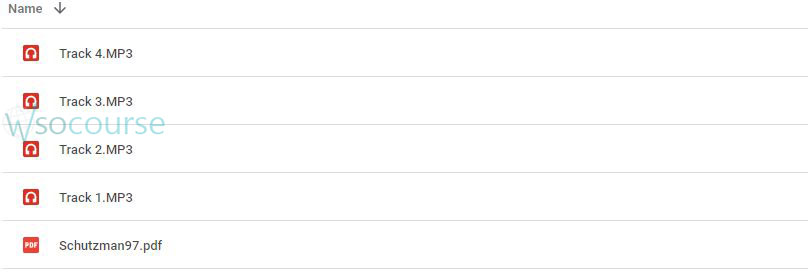
Developing Profitable Systems from Discretionary to Mechanical with Fred Shutzman
In the evolving landscape of financial trading, the transition from discretionary to mechanical trading systems marks a significant evolution. Fred Shutzman, an expert in algorithmic trading, offers a structured approach to this transformation, aiming to enhance profitability through disciplined and systematic strategies.
Introduction to Trading Systems
Trading systems govern how traders enter and exit the market. The shift from discretionary methods, where decisions are made manually, to mechanical systems, which use predefined rules, can dramatically increase efficiency and consistency.
What is a Discretionary Trading System?
Discretionary trading relies on the trader’s judgement for making trading decisions. This method requires a deep understanding of the market and a high level of intuition and experience.
Challenges of Discretionary Trading
While offering flexibility, discretionary trading is often limited by human emotions and biases, potentially leading to inconsistent results.
Benefits of Mechanical Trading Systems
Mechanical trading systems operate on algorithms and pre-set rules, aiming to eliminate emotional decision-making and improve trade execution.
Consistency and Efficiency
By automating trade decisions, mechanical systems ensure consistency in applying strategy, thus potentially improving long-term profitability.
Reduced Emotional Trading
Removing emotional responses from trading decisions helps maintain discipline, crucial during volatile market conditions.
Fred Shutzman’s Approach to System Development
Fred Shutzman advocates for a meticulous approach to developing mechanical trading systems, emphasizing the importance of backtesting and optimization.
Key Principles of System Development
Shutzman’s principles focus on defining clear entry and exit rules, risk management strategies, and criteria for system evaluation.
Integration of Technology in Trading
Utilizing advanced software and programming, Shutzman’s methods facilitate the transition from traditional to algorithmic trading, enhancing precision and control.
Creating a Profitable Trading System
The journey from a discretionary to a mechanical system involves several critical steps, each contributing to the system’s effectiveness and profitability.
Step 1: Define Your Trading Philosophy
Understanding your market philosophy and risk tolerance is essential before developing any trading system.
Step 2: Develop Clear Trading Rules
Set specific criteria for entering and exiting trades, which can be quantified and tested.
Step 3: Backtesting Your System
Testing your system against historical data is crucial to understand its effectiveness and to make necessary adjustments.
Step 4: Optimization and Forward Testing
After backtesting, optimize your system to refine its performance, followed by forward testing in real-time conditions.
Step 5: Implementation and Continuous Evaluation
Implement the system in live trading with real capital, continuously monitor its performance, and make adjustments as needed.
Transition Challenges and Solutions
Switching from discretionary to mechanical systems poses challenges, including the complexity of system design and the need for ongoing adjustment based on market changes.
Addressing Overfitting
It’s crucial to avoid overfitting, where a system is too closely tailored to past data, which may not perform well in future market conditions.
Maintaining System Flexibility
While systems are mostly automated, maintaining some flexibility to adjust to new market conditions is essential for long-term success.
Conclusion
Developing profitable trading systems from discretionary to mechanical, as guided by Fred Shutzman, offers a robust framework for traders seeking consistency and efficiency. This systematic approach minimizes emotional bias and enhances decision-making through disciplined, rule-based trading.
FAQs
- What is the difference between discretionary and mechanical trading systems?
- Discretionary systems rely on the trader’s judgment and intuition, while mechanical systems use predefined rules and algorithms for decision-making.
- How can mechanical systems improve trading profitability?
- Mechanical systems enhance consistency, reduce emotional bias, and increase the efficiency of trade execution, which can lead to improved profitability.
- What are the key steps in developing a mechanical trading system?
- Key steps include defining trading philosophy, developing clear rules, backtesting, optimization, and continuous system evaluation.
- What challenges might one face when transitioning to mechanical trading?
- Challenges include system complexity, the potential for overfitting, and the need for ongoing adjustments to adapt to new market conditions.
- How important is backtesting in system development?
- Backtesting is crucial as it helps validate the effectiveness of the trading system against historical data, identifying strengths and areas for improvement.
Be the first to review “Developing Profitable Systems from Discretionary to Mechanical with Fred Shutzman”
You must be logged in to post a review.
Related products

Forex Trading
Original price was: $2,000.00.$23.00Current price is: $23.00.
Original price was: $497.00.$11.00Current price is: $11.00.
Forex Trading
Original price was: $1,898.00.$10.00Current price is: $10.00.
Forex Trading
Original price was: $499.00.$15.00Current price is: $15.00.
Original price was: $997.00.$13.00Current price is: $13.00.
Forex Trading
Quantamentals – The Next Great Forefront Of Trading and Investing with Trading Markets
Original price was: $1,495.00.$8.00Current price is: $8.00.

Original price was: $895.00.$15.00Current price is: $15.00.
Forex Trading
Original price was: $850.00.$23.00Current price is: $23.00.
Original price was: $1,200.00.$23.00Current price is: $23.00.
Forex Trading
Original price was: $249.00.$15.00Current price is: $15.00.
Forex Trading
Original price was: $799.00.$15.00Current price is: $15.00.
Original price was: $299.00.$8.00Current price is: $8.00.

Original price was: $1,800.00.$54.00Current price is: $54.00.
Original price was: $649.00.$20.00Current price is: $20.00.
Forex Trading
Original price was: $500.00.$5.00Current price is: $5.00.

Original price was: $450.00.$23.00Current price is: $23.00.
Original price was: $2,120.00.$15.00Current price is: $15.00.
Forex Trading
Original price was: $1,098.00.$39.00Current price is: $39.00.
Forex Trading
The Complete Guide to Multiple Time Frame Analysis & Reading Price Action with Aiman Almansoori
Original price was: $1,399.00.$13.00Current price is: $13.00.
Original price was: $799.00.$15.00Current price is: $15.00.

Reviews
There are no reviews yet.