
-
×
 Pattern Trader Pro with ForexStore
1 × $6.00
Pattern Trader Pro with ForexStore
1 × $6.00 -
×
 $20 – 52k 20 pips a day challange with Rafał Zuchowicz - TopMasterTrader
1 × $5.00
$20 – 52k 20 pips a day challange with Rafał Zuchowicz - TopMasterTrader
1 × $5.00 -
×
 HST Mobile
1 × $31.00
HST Mobile
1 × $31.00 -
×
 White Phoenix’s The Smart (Money) Approach to Trading with Jayson Casper
1 × $39.00
White Phoenix’s The Smart (Money) Approach to Trading with Jayson Casper
1 × $39.00 -
×
 ETF and Leveraged ETF Trading Summit
1 × $23.00
ETF and Leveraged ETF Trading Summit
1 × $23.00 -
×
 Behavior and Performance of Investment Newsletter Analysts (Article) with Alok Kumar
1 × $6.00
Behavior and Performance of Investment Newsletter Analysts (Article) with Alok Kumar
1 × $6.00 -
×
 Consistent Intraday Strategies and Setups Class with Don Kaufman
1 × $6.00
Consistent Intraday Strategies and Setups Class with Don Kaufman
1 × $6.00 -
×
 Algo Trading Masterclass with Ali Casey - StatOasis
1 × $23.00
Algo Trading Masterclass with Ali Casey - StatOasis
1 × $23.00 -
×
 Traders Workshop – Forex Full Course with Jason Stapleton
1 × $6.00
Traders Workshop – Forex Full Course with Jason Stapleton
1 × $6.00 -
×
 The Prop Trading Code with Brannigan Barrett - Axia Futures
1 × $23.00
The Prop Trading Code with Brannigan Barrett - Axia Futures
1 × $23.00 -
×
 Trading Short TermSame Day Trades Sep 2023 with Dan Sheridan & Mark Fenton - Sheridan Options Mentoring
1 × $31.00
Trading Short TermSame Day Trades Sep 2023 with Dan Sheridan & Mark Fenton - Sheridan Options Mentoring
1 × $31.00 -
×
 The Aggressive Investor. Case Studies with Colin Nicholson
1 × $6.00
The Aggressive Investor. Case Studies with Colin Nicholson
1 × $6.00 -
×
 The Orderflow Masterclass with PrimeTrading
1 × $17.00
The Orderflow Masterclass with PrimeTrading
1 × $17.00 -
×
 AI For Traders with Trading Markets
1 × $31.00
AI For Traders with Trading Markets
1 × $31.00 -
×
 Trade Like a Pro in Currency Trading with Don Schellenberg
1 × $6.00
Trade Like a Pro in Currency Trading with Don Schellenberg
1 × $6.00 -
×
 Quantitative Trading Strategies (1st Edition) with Lars Kestner
1 × $6.00
Quantitative Trading Strategies (1st Edition) with Lars Kestner
1 × $6.00 -
×
 FX Funding Mate Course
1 × $5.00
FX Funding Mate Course
1 × $5.00 -
×
 How To Build An Automated Trading Robot In Excel with Peter Titus - Marwood Research
1 × $15.00
How To Build An Automated Trading Robot In Excel with Peter Titus - Marwood Research
1 × $15.00 -
×
 Show Tax Losses On Your 1040, Yet Show Lenders You Are Making Money! with Information Services Unlimited
1 × $6.00
Show Tax Losses On Your 1040, Yet Show Lenders You Are Making Money! with Information Services Unlimited
1 × $6.00 -
×
 Finding Astrocycles with an Ephemeris - Hans Hannula
1 × $6.00
Finding Astrocycles with an Ephemeris - Hans Hannula
1 × $6.00 -
×
 Investment Titans: Investment Insights from the Minds that Move Wall Street with Jonathan Burton
1 × $6.00
Investment Titans: Investment Insights from the Minds that Move Wall Street with Jonathan Burton
1 × $6.00 -
×
 High Rollers Mega Course Bundle - 13 Market Moves
1 × $39.00
High Rollers Mega Course Bundle - 13 Market Moves
1 × $39.00 -
×
 Path to Profits By Scott Redler - T3 Live
1 × $6.00
Path to Profits By Scott Redler - T3 Live
1 × $6.00 -
×
 PFAZoneSuite [Trading Indicator] 2017
1 × $109.00
PFAZoneSuite [Trading Indicator] 2017
1 × $109.00 -
×
 The Compleat Day Trader with Jake Bernstein
1 × $6.00
The Compleat Day Trader with Jake Bernstein
1 × $6.00 -
×
 Day Trading Institution 2.0 with Raul Gonzalez
1 × $5.00
Day Trading Institution 2.0 with Raul Gonzalez
1 × $5.00 -
×
 Researching your Trade
1 × $6.00
Researching your Trade
1 × $6.00 -
×
 Arcane 2.0 Course
1 × $6.00
Arcane 2.0 Course
1 × $6.00 -
×
 Profitable Strategies with Gemify Academy
1 × $10.00
Profitable Strategies with Gemify Academy
1 × $10.00 -
×
 Who is Afraid of Word Trade Organization with Kent Jones
1 × $6.00
Who is Afraid of Word Trade Organization with Kent Jones
1 × $6.00 -
×
 Crypto Trading Academy with Cheeky Investor - Aussie Day Trader
1 × $13.00
Crypto Trading Academy with Cheeky Investor - Aussie Day Trader
1 × $13.00 -
×
 Investing Smart. How to Pick Stocks with Investors Business Daily By Dhun H.Sethna
1 × $4.00
Investing Smart. How to Pick Stocks with Investors Business Daily By Dhun H.Sethna
1 × $4.00 -
×
 Trading For A Living Course with Yvan Byeajee - Trading Composure
1 × $6.00
Trading For A Living Course with Yvan Byeajee - Trading Composure
1 × $6.00 -
×
 Trading Academy 2024 with Tradeciety
1 × $5.00
Trading Academy 2024 with Tradeciety
1 × $5.00 -
×
 The Handbook of Pairs Trading with Douglas Ehrman
1 × $6.00
The Handbook of Pairs Trading with Douglas Ehrman
1 × $6.00 -
×
 The Deadly 7 Sins of Investing with Maury Fertig
1 × $6.00
The Deadly 7 Sins of Investing with Maury Fertig
1 × $6.00 -
×
 The Beginners Guide to Commodities Investing with Brian & Gayle Rice
1 × $6.00
The Beginners Guide to Commodities Investing with Brian & Gayle Rice
1 × $6.00 -
×
 CAT 2007 Seminar with Stephen W.Bigalow
1 × $6.00
CAT 2007 Seminar with Stephen W.Bigalow
1 × $6.00 -
×
 Trading 3SMA System with Hector DeVille
1 × $6.00
Trading 3SMA System with Hector DeVille
1 × $6.00 -
×
 How To Write High Converting Copy with Tej Dosa
1 × $6.00
How To Write High Converting Copy with Tej Dosa
1 × $6.00 -
×
 Essentials in Quantitative Trading QT01 By HangukQuant's
1 × $23.00
Essentials in Quantitative Trading QT01 By HangukQuant's
1 × $23.00 -
×
 Pristine - Greg Capra – Sentiment Internal Indicators. Winning Swing & Position Trading
1 × $6.00
Pristine - Greg Capra – Sentiment Internal Indicators. Winning Swing & Position Trading
1 × $6.00 -
×
 Investment Performance Measurement with Bruce Feibel
1 × $6.00
Investment Performance Measurement with Bruce Feibel
1 × $6.00 -
×
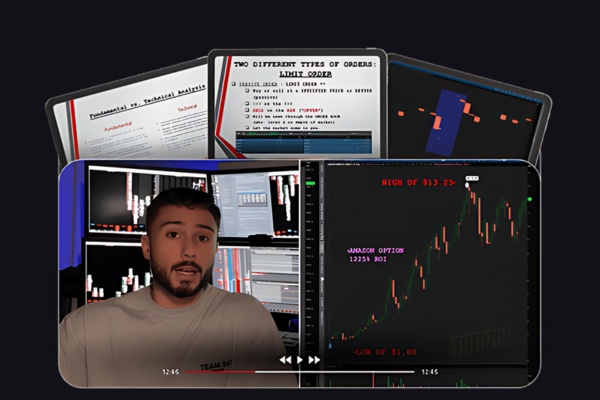 A-Z Course with InvestiTrade Academy
1 × $5.00
A-Z Course with InvestiTrade Academy
1 × $5.00 -
×
 Crystal Ball Pack PLUS bonus Live Trade By Pat Mitchell - Trick Trades
1 × $20.00
Crystal Ball Pack PLUS bonus Live Trade By Pat Mitchell - Trick Trades
1 × $20.00 -
×
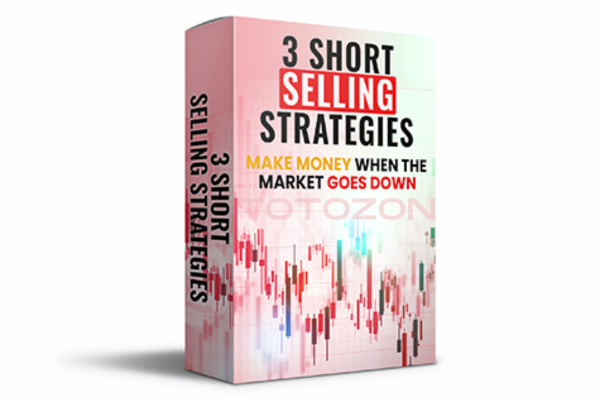 3 Short Selling Strategies - Trading Strategy Bundles – Quantified Strategies
1 × $39.00
3 Short Selling Strategies - Trading Strategy Bundles – Quantified Strategies
1 × $39.00 -
×
 How To Read The Market Professionally with TradeSmart
1 × $27.00
How To Read The Market Professionally with TradeSmart
1 × $27.00 -
×
 The Complete 32 Plus Hour Video Course Bundle with Rob Hoffman - Become a Better Trader
1 × $6.00
The Complete 32 Plus Hour Video Course Bundle with Rob Hoffman - Become a Better Trader
1 × $6.00 -
×
 A Non-Random Walk Down Wall Street with Andrew W.Lo
1 × $6.00
A Non-Random Walk Down Wall Street with Andrew W.Lo
1 × $6.00 -
×
 Commitments of Traders : Strategies for Tracking the Market and Trading Profitably with Floyd Upperman
1 × $6.00
Commitments of Traders : Strategies for Tracking the Market and Trading Profitably with Floyd Upperman
1 × $6.00 -
×
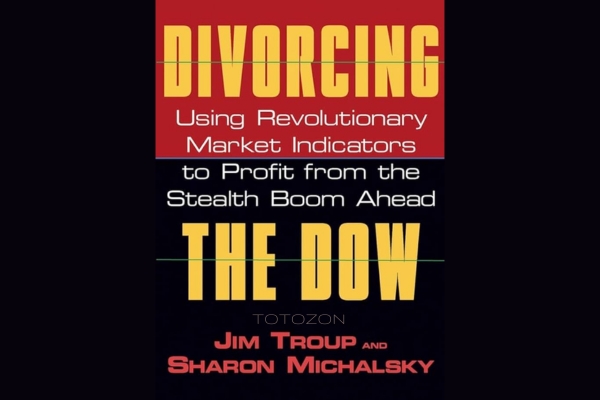 Divorcing the Dow: Using Revolutionary Market Indicators to Profit from the Stealth Boom Ahead - Jim Troup & Sharon Michalsky
1 × $6.00
Divorcing the Dow: Using Revolutionary Market Indicators to Profit from the Stealth Boom Ahead - Jim Troup & Sharon Michalsky
1 × $6.00 -
×
 Traders Edge with Steven Dux
1 × $5.00
Traders Edge with Steven Dux
1 × $5.00 -
×
 Order flow self-study training program with iMFtracker
1 × $10.00
Order flow self-study training program with iMFtracker
1 × $10.00
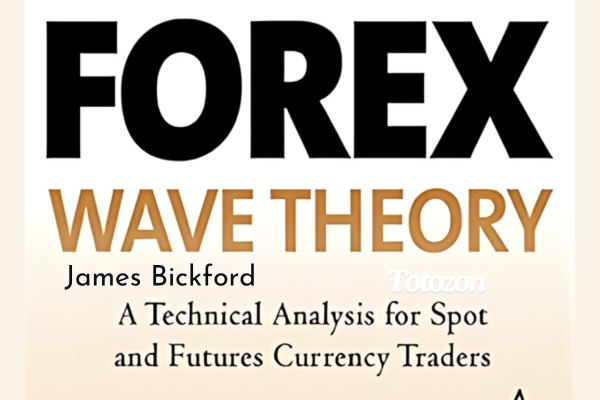
Forex Wave Theory: A Technical Analysis for Spot and Futures Curency Traders – James Bickford
$6.00
File Size: Coming soon!
Delivery Time: 1–12 hours
Media Type: Online Course
Content Proof: Watch Here!
You may check content proof of “Forex Wave Theory: A Technical Analysis for Spot and Futures Curency Traders – James Bickford” below:

Forex Wave Theory: A Technical Analysis for Spot and Futures Currency Traders – James Bickford
Navigating the complex world of forex trading requires a robust understanding of market dynamics. James Bickford’s “Forex Wave Theory” offers a comprehensive guide for spot and futures currency traders. This article delves into the key principles of Forex Wave Theory and how it can enhance your trading strategy.
Understanding Forex Wave Theory
What is Forex Wave Theory?
Forex Wave Theory is a technical analysis method that uses price wave patterns to predict future market movements. It is rooted in the Elliott Wave Principle, which posits that financial markets move in predictable cycles.
The Origins of Wave Theory
Wave Theory was developed by Ralph Nelson Elliott in the 1930s. He observed that market movements follow a repetitive pattern of waves.
Key Components of Wave Theory
Impulse Waves
Impulse waves are the primary driving force in market trends. They consist of five waves: three motive waves (1, 3, 5) and two corrective waves (2, 4).
Corrective Waves
Corrective waves are counter-trend movements that occur in three patterns: zigzag, flat, and triangle. They consist of three waves: A, B, and C.
Applying Wave Theory to Forex Trading
Identifying Wave Patterns
Traders use wave patterns to forecast market trends. By identifying the current wave structure, traders can predict the next market move.
Using Fibonacci Retracement
Fibonacci retracement levels are used to identify potential support and resistance levels. These levels are often used in conjunction with wave patterns to enhance trading accuracy.
Wave Theory in Spot vs. Futures Markets
Spot Forex Market
In the spot forex market, traders buy and sell currency pairs at current market rates. Wave Theory helps traders identify entry and exit points in real-time.
Futures Forex Market
In the futures market, traders buy and sell currency contracts for future delivery. Wave Theory aids in predicting long-term market trends and determining contract values.
Technical Analysis Tools
Moving Averages
Moving averages smooth out price data to identify trends. They are often used alongside wave patterns to confirm trend direction.
Relative Strength Index (RSI)
RSI measures the speed and change of price movements. It helps traders identify overbought or oversold conditions within wave structures.
MACD Indicator
The Moving Average Convergence Divergence (MACD) indicator shows the relationship between two moving averages. It helps in identifying trend reversals.
Practical Examples of Wave Theory
Case Study 1: Spot Forex Trade
A trader identifies a five-wave impulse pattern in the EUR/USD pair. Using Wave Theory, the trader predicts a trend continuation and enters a long position.
Case Study 2: Futures Forex Trade
A trader spots a corrective wave pattern in the GBP/USD futures contract. The trader anticipates a reversal and exits the position to avoid losses.
Common Mistakes in Wave Theory Analysis
Misidentifying Waves
One of the biggest challenges is correctly identifying wave patterns. Misinterpretation can lead to incorrect trading decisions.
Ignoring Market Context
Wave Theory should not be used in isolation. Traders must consider broader market conditions and other technical indicators.
Advanced Wave Theory Techniques
Complex Corrections
Complex corrections involve multiple wave patterns. Understanding these can provide deeper insights into market behavior.
Wave Extensions
Wave extensions occur when a wave, typically the third wave in an impulse sequence, extends beyond the typical length. Recognizing extensions can signal strong market trends.
The Psychological Aspect of Wave Trading
Managing Emotions
Trading based on Wave Theory requires discipline and emotional control. Sticking to the analysis and avoiding impulsive decisions is key.
Building Confidence
Confidence in Wave Theory grows with experience. Regular practice and analysis improve accuracy and trading outcomes.
Conclusion
Forex Wave Theory, as explained by James Bickford, offers a powerful framework for analyzing market movements. By understanding and applying the principles of wave patterns, traders can make informed decisions in both spot and futures markets. Remember, successful trading combines technical analysis with emotional discipline and market awareness.

FAQs
1. What is the primary benefit of using Forex Wave Theory?
Forex Wave Theory helps traders predict market trends and identify optimal entry and exit points, enhancing trading decisions.
2. Can Wave Theory be used in isolation?
While powerful, Wave Theory should be combined with other technical indicators and market analysis for best results.
3. How do I start learning Wave Theory?
Begin with basic resources and gradually move to advanced studies. Practice identifying wave patterns in historical market data.
4. What are common pitfalls in Wave Theory analysis?
Common mistakes include misidentifying wave patterns and ignoring broader market context. Continuous learning and practice can mitigate these errors.
5. Is Forex Wave Theory applicable to other markets?
Yes, Wave Theory principles can be applied to various financial markets, including stocks, commodities, and cryptocurrencies.
Be the first to review “Forex Wave Theory: A Technical Analysis for Spot and Futures Curency Traders – James Bickford”
You must be logged in to post a review.
Related products
Original price was: $197.00.$5.00Current price is: $5.00.

Original price was: $497.00.$11.00Current price is: $11.00.
Forex Trading
Original price was: $4,997.00.$27.00Current price is: $27.00.

Original price was: $895.00.$15.00Current price is: $15.00.

Forex Trading
Original price was: $550.00.$5.00Current price is: $5.00.

Forex Trading
Original price was: $239.00.$8.00Current price is: $8.00.

Original price was: $799.00.$15.00Current price is: $15.00.
Original price was: $700.00.$39.00Current price is: $39.00.

Original price was: $1,800.00.$54.00Current price is: $54.00.

Forex Trading
Original price was: $797.00.$10.00Current price is: $10.00.

Forex Trading
Original price was: $499.00.$15.00Current price is: $15.00.

Forex Trading
Original price was: $500.00.$5.00Current price is: $5.00.

Forex Trading
Original price was: $799.00.$15.00Current price is: $15.00.
Forex Trading
Original price was: $125.00.$17.00Current price is: $17.00.

Original price was: $310.00.$23.00Current price is: $23.00.
Forex Trading
Original price was: $850.00.$23.00Current price is: $23.00.

Forex Trading
Original price was: $2,997.00.$23.00Current price is: $23.00.

Forex Trading
Original price was: $697.00.$5.00Current price is: $5.00.

Original price was: $2,120.00.$15.00Current price is: $15.00.

Original price was: $1,849.00.$15.00Current price is: $15.00.
Reviews
There are no reviews yet.