
-
×
 WondaFX Signature Strategy with WondaFX
1 × $5.00
WondaFX Signature Strategy with WondaFX
1 × $5.00 -
×
 Set and Forget with Alex Gonzalez - Swing Trading Lab
1 × $5.00
Set and Forget with Alex Gonzalez - Swing Trading Lab
1 × $5.00 -
×
 Perfect Publishing System Elite with Johnny Andrews
1 × $6.00
Perfect Publishing System Elite with Johnny Andrews
1 × $6.00 -
×
 Global Equity Investing By Alberto Vivanti & Perry Kaufman
1 × $6.00
Global Equity Investing By Alberto Vivanti & Perry Kaufman
1 × $6.00 -
×
 Secret Weapon to Trading Options on ETF's Class with Don Kaufman
1 × $6.00
Secret Weapon to Trading Options on ETF's Class with Don Kaufman
1 × $6.00 -
×
 Beginners Guide to Swing Trading Growth Stocks with Brandon Chapman
1 × $5.00
Beginners Guide to Swing Trading Growth Stocks with Brandon Chapman
1 × $5.00 -
×
 Butterfly's Guide to Weekly Returns with Don Kaufman
1 × $6.00
Butterfly's Guide to Weekly Returns with Don Kaufman
1 × $6.00 -
×
 Street-Smart Chart Reading – Volume 2 – Digging Deeper with Donald G.Worden
1 × $6.00
Street-Smart Chart Reading – Volume 2 – Digging Deeper with Donald G.Worden
1 × $6.00 -
×
 How to Avoid Tax on Your Stock Market Profits with Lee Hadnum
1 × $6.00
How to Avoid Tax on Your Stock Market Profits with Lee Hadnum
1 × $6.00 -
×
 The HV7 Option Trading System with Amy Meissner – Aeromir
1 × $8.00
The HV7 Option Trading System with Amy Meissner – Aeromir
1 × $8.00 -
×
 Advance Gap Trading with Master Trader
1 × $39.00
Advance Gap Trading with Master Trader
1 × $39.00 -
×
 Streetsmart Guide To Valuing a Stock (2nd Ed.) with Gary Gray
1 × $6.00
Streetsmart Guide To Valuing a Stock (2nd Ed.) with Gary Gray
1 × $6.00 -
×
 Price Action Trading 101 By Steve Burns
1 × $15.00
Price Action Trading 101 By Steve Burns
1 × $15.00 -
×
 Pit Bull with Martin Schwartz
1 × $6.00
Pit Bull with Martin Schwartz
1 × $6.00 -
×
 The Insured Portfolio: Your Gateway to Stress-Free Global Investments with Erika Nolan, Marc-Andre Sola & Shannon Crouch
1 × $6.00
The Insured Portfolio: Your Gateway to Stress-Free Global Investments with Erika Nolan, Marc-Andre Sola & Shannon Crouch
1 × $6.00 -
×
 Sacredscience - Sepharial Arcana – Rubber
1 × $6.00
Sacredscience - Sepharial Arcana – Rubber
1 × $6.00 -
×
 Sequence Trading Course with Kevin Haggerty
1 × $4.00
Sequence Trading Course with Kevin Haggerty
1 × $4.00 -
×
 7 DAY INTENSIVE ONLINE TRADER TRAINING PROGRAMME with The Trading Framework
1 × $15.00
7 DAY INTENSIVE ONLINE TRADER TRAINING PROGRAMME with The Trading Framework
1 × $15.00 -
×
 Trade with a Day Job USA v2010 with Markets Mastered
1 × $6.00
Trade with a Day Job USA v2010 with Markets Mastered
1 × $6.00 -
×
 Cycle Hunter Support with Brian James Sklenka
1 × $6.00
Cycle Hunter Support with Brian James Sklenka
1 × $6.00 -
×
 Earnings Reaction Gaps Workshop with John Pocorobba
1 × $27.00
Earnings Reaction Gaps Workshop with John Pocorobba
1 × $27.00 -
×
 CAT 2007 Seminar with Stephen W.Bigalow
1 × $6.00
CAT 2007 Seminar with Stephen W.Bigalow
1 × $6.00 -
×
 Scalpathon by Trading Research Group
1 × $23.00
Scalpathon by Trading Research Group
1 × $23.00 -
×
 Stochastic Calculus with Alan Bain
1 × $6.00
Stochastic Calculus with Alan Bain
1 × $6.00 -
×
 Covered Calls Income Generation for Your Stocks With Don Kaufman
1 × $6.00
Covered Calls Income Generation for Your Stocks With Don Kaufman
1 × $6.00 -
×
 Strategy Factory Workshop with Kevin Davey - KJ Trading Systems
1 × $5.00
Strategy Factory Workshop with Kevin Davey - KJ Trading Systems
1 × $5.00 -
×
 CFA Level 2 - Sample Item Sets 2003
1 × $6.00
CFA Level 2 - Sample Item Sets 2003
1 × $6.00 -
×
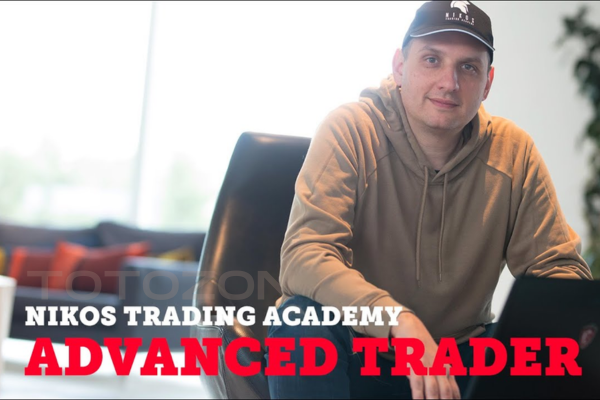 Advanced Trader with Nikos Trading Academy
1 × $5.00
Advanced Trader with Nikos Trading Academy
1 × $5.00 -
×
 An Ultimate Guide to Successful Investing with Trading Tuitions
1 × $23.00
An Ultimate Guide to Successful Investing with Trading Tuitions
1 × $23.00 -
×
 Investing in Corporate Bonds and Credit Risk with Frank Hagenstein
1 × $6.00
Investing in Corporate Bonds and Credit Risk with Frank Hagenstein
1 × $6.00 -
×
 Crash Profits Make Money When Stocks Sink and Soar with Martin D.Weiss
1 × $6.00
Crash Profits Make Money When Stocks Sink and Soar with Martin D.Weiss
1 × $6.00 -
×
 Trading with Wave59 with Earik Beann
1 × $6.00
Trading with Wave59 with Earik Beann
1 × $6.00 -
×
 Advanced Bond Trading Course
1 × $62.00
Advanced Bond Trading Course
1 × $62.00 -
×
 George Bayer Squarring the Circle for Excel
1 × $6.00
George Bayer Squarring the Circle for Excel
1 × $6.00 -
×
 Risk Management Toolkit with Peter Bain
1 × $6.00
Risk Management Toolkit with Peter Bain
1 × $6.00 -
×
 CBOT Seminar on Market Profile (101 & 102) with Alex Benjamin
1 × $6.00
CBOT Seminar on Market Profile (101 & 102) with Alex Benjamin
1 × $6.00 -
×
 The Best Option Trading Course with David Jaffee - Best Stock Strategy
1 × $15.00
The Best Option Trading Course with David Jaffee - Best Stock Strategy
1 × $15.00
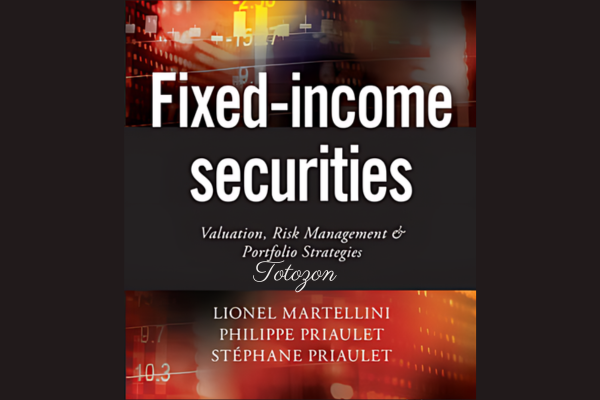
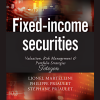
Fixed-Income Securities: Valuation, Risk Management and Portfolio Strategies – Lionel Martellini, Philippe Priaulet & Stéphane Priaulet
Original price was: $93.00.$6.00Current price is: $6.00.
File Size: Coming soon!
Delivery Time: 1–12 hours
Media Type: Online Course
Content Proof: Watch Here!
You may check content proof of “Fixed-Income Securities: Valuation, Risk Management and Portfolio Strategies – Lionel Martellini, Philippe Priaulet & Stéphane Priaulet” below:

Fixed-Income Securities: Valuation, Risk Management, and Portfolio Strategies
In the realm of finance, fixed-income securities play a crucial role. These instruments, known for providing steady returns, are essential components of diversified investment portfolios. This article delves into the comprehensive guide provided by Lionel Martellini, Philippe Priaulet, and Stéphane Priaulet on the valuation, risk management, and portfolio strategies for fixed-income securities.
Understanding Fixed-Income Securities
What are Fixed-Income Securities?
Fixed-income securities are investment vehicles that pay fixed interest or dividend payments until maturity. Examples include bonds, treasury bills, and municipal bonds.
Importance of Fixed-Income Securities
These securities offer stable returns and are less volatile compared to equities, making them ideal for risk-averse investors seeking regular income.
Valuation of Fixed-Income Securities
Principles of Valuation
Valuation of fixed-income securities involves calculating the present value of future cash flows. The key factors include interest rates, the time to maturity, and credit risk.
Discounted Cash Flow (DCF) Analysis
DCF analysis is a fundamental method for valuing fixed-income securities. It involves discounting future cash flows back to their present value using an appropriate discount rate.
Yield to Maturity (YTM)
YTM is a critical measure, representing the total return an investor can expect if the security is held until maturity. It incorporates interest payments and capital gains or losses.
Risk Management in Fixed-Income Securities
Types of Risks
Interest Rate Risk
Interest rate fluctuations impact the value of fixed-income securities. When rates rise, bond prices fall, and vice versa.
Credit Risk
Credit risk refers to the possibility of the issuer defaulting on interest or principal payments.
Inflation Risk
Inflation erodes the purchasing power of future cash flows, making them less valuable in real terms.
Mitigating Risks
Diversification
Spreading investments across various issuers and maturities can reduce exposure to specific risks.
Duration Management
Duration measures a bond’s sensitivity to interest rate changes. Managing duration helps in aligning the portfolio’s risk with the investor’s tolerance.
Credit Analysis
Assessing the creditworthiness of issuers can minimize credit risk. This involves evaluating financial statements and credit ratings.
Portfolio Strategies for Fixed-Income Securities
Buy and Hold Strategy
This strategy involves purchasing securities and holding them until maturity. It provides predictable income and minimizes transaction costs.
Laddering Strategy
Laddering involves investing in bonds with varying maturities. This reduces interest rate risk and ensures a steady stream of income.
Barbell Strategy
The barbell strategy combines short-term and long-term bonds, avoiding intermediate maturities. It balances the higher yields of long-term bonds with the liquidity of short-term bonds.
Active Bond Management
Active management involves frequent buying and selling of bonds to capitalize on market opportunities. It requires expertise and continuous market monitoring.
Case Studies in Fixed-Income Portfolio Management
Case Study: Corporate Bond Portfolio
A corporate bond portfolio can provide higher yields but comes with increased credit risk. Proper credit analysis and diversification are essential.
Case Study: Municipal Bond Portfolio
Municipal bonds offer tax advantages, making them attractive for high-net-worth individuals. Evaluating the creditworthiness of municipalities is crucial.
Technological Advancements in Fixed-Income Investing
Algorithmic Trading
Algorithmic trading uses complex algorithms to execute trades at high speeds. It enhances efficiency and reduces transaction costs.
Robo-Advisors
Robo-advisors provide automated, algorithm-driven financial planning services. They offer cost-effective solutions for managing fixed-income portfolios.
Regulatory Environment
Impact of Regulations
Regulations ensure the stability and transparency of financial markets. Compliance with regulations is vital for both issuers and investors.
Regulatory Bodies
Key regulatory bodies include the Securities and Exchange Commission (SEC) and the Financial Industry Regulatory Authority (FINRA).
Conclusion
Fixed-income securities are a cornerstone of prudent investment portfolios. By understanding their valuation, managing risks, and employing effective portfolio strategies, investors can achieve stable and predictable returns. The insights provided by Lionel Martellini, Philippe Priaulet, and Stéphane Priaulet are invaluable for navigating the complexities of fixed-income investing.
FAQs
1. What are the main types of fixed-income securities?
The main types include government bonds, corporate bonds, municipal bonds, and treasury bills.
2. How does interest rate risk affect fixed-income securities?
When interest rates rise, the value of fixed-income securities typically falls, and vice versa.
3. What is the significance of Yield to Maturity (YTM)?
YTM represents the total return an investor can expect if the security is held until maturity, accounting for interest payments and capital gains or losses.
4. How can investors mitigate credit risk?
Investors can mitigate credit risk by diversifying their investments and conducting thorough credit analysis of issuers.
5. What are the benefits of a laddering strategy in fixed-income investing?
Laddering reduces interest rate risk and ensures a steady stream of income by investing in bonds with varying maturities.
Be the first to review “Fixed-Income Securities: Valuation, Risk Management and Portfolio Strategies – Lionel Martellini, Philippe Priaulet & Stéphane Priaulet”
You must be logged in to post a review.
Related products
Original price was: $1,849.00.$15.00Current price is: $15.00.

Original price was: $2,120.00.$15.00Current price is: $15.00.

Original price was: $197.00.$5.00Current price is: $5.00.

Forex Trading
Quantamentals – The Next Great Forefront Of Trading and Investing with Trading Markets
Original price was: $1,495.00.$8.00Current price is: $8.00.

Forex Trading
Original price was: $2,000.00.$23.00Current price is: $23.00.

Forex Trading
Original price was: $239.00.$8.00Current price is: $8.00.

Forex Trading
Original price was: $697.00.$5.00Current price is: $5.00.

Original price was: $450.00.$23.00Current price is: $23.00.

Original price was: $695.00.$41.00Current price is: $41.00.

Original price was: $997.00.$13.00Current price is: $13.00.

Forex Trading
Original price was: $1,098.00.$39.00Current price is: $39.00.

Forex Trading
Original price was: $1,898.00.$10.00Current price is: $10.00.

Original price was: $649.00.$20.00Current price is: $20.00.

Original price was: $310.00.$23.00Current price is: $23.00.

Forex Trading
The Complete Guide to Multiple Time Frame Analysis & Reading Price Action with Aiman Almansoori
Original price was: $1,399.00.$13.00Current price is: $13.00.

Forex Trading
Original price was: $2,995.00.$31.00Current price is: $31.00.

Original price was: $497.00.$31.00Current price is: $31.00.

Forex Trading
Original price was: $499.00.$15.00Current price is: $15.00.

Original price was: $1,800.00.$54.00Current price is: $54.00.

Original price was: $999.00.$5.00Current price is: $5.00.
Reviews
There are no reviews yet.