
-
×
 Study Guide for Technical Analysis Explained (1st Edition) with Martin Pring
1 × $6.00
Study Guide for Technical Analysis Explained (1st Edition) with Martin Pring
1 × $6.00 -
×
 The Aftermath + Jack Savage Extras (How To Trade Gold) with FXSavages
1 × $6.00
The Aftermath + Jack Savage Extras (How To Trade Gold) with FXSavages
1 × $6.00 -
×
 All About Technical Analysis with Constance Brown
1 × $6.00
All About Technical Analysis with Constance Brown
1 × $6.00 -
×
 Acclimation Course with Base Camp Trading
1 × $10.00
Acclimation Course with Base Camp Trading
1 × $10.00 -
×
 Compass Trading System with Right Line Trading
1 × $39.00
Compass Trading System with Right Line Trading
1 × $39.00 -
×
 Master Class with Gerald Appel
1 × $6.00
Master Class with Gerald Appel
1 × $6.00 -
×
 Trading Short TermSame Day Trades Sep 2023 with Dan Sheridan & Mark Fenton - Sheridan Options Mentoring
1 × $31.00
Trading Short TermSame Day Trades Sep 2023 with Dan Sheridan & Mark Fenton - Sheridan Options Mentoring
1 × $31.00 -
×
 SnD SMC Course
1 × $10.00
SnD SMC Course
1 × $10.00 -
×
 Guide to Scanning for Potential Stock Trades class with Jeff Bierman
1 × $6.00
Guide to Scanning for Potential Stock Trades class with Jeff Bierman
1 × $6.00 -
×
 Divorcing the Dow: Using Revolutionary Market Indicators to Profit from the Stealth Boom Ahead - Jim Troup & Sharon Michalsky
1 × $6.00
Divorcing the Dow: Using Revolutionary Market Indicators to Profit from the Stealth Boom Ahead - Jim Troup & Sharon Michalsky
1 × $6.00 -
×
 Forex Wave Theory: A Technical Analysis for Spot and Futures Curency Traders - James Bickford
1 × $6.00
Forex Wave Theory: A Technical Analysis for Spot and Futures Curency Traders - James Bickford
1 × $6.00 -
×
 Pristine - Dan Gibby – Market Preparation Trading Gaps & Trading the Open
1 × $6.00
Pristine - Dan Gibby – Market Preparation Trading Gaps & Trading the Open
1 × $6.00 -
×
 Selected Articles by the Late by George Lindsay
1 × $6.00
Selected Articles by the Late by George Lindsay
1 × $6.00 -
×
 How to Trade a Vertical Market with Armstrong Economics
1 × $155.00
How to Trade a Vertical Market with Armstrong Economics
1 × $155.00 -
×
 Matrix Spread Options Trading Course with Base Camp Trading
1 × $31.00
Matrix Spread Options Trading Course with Base Camp Trading
1 × $31.00 -
×
 Exploring MetaStock Advanced with Martin Pring
1 × $6.00
Exploring MetaStock Advanced with Martin Pring
1 × $6.00 -
×
 FX Capital Online
1 × $5.00
FX Capital Online
1 × $5.00 -
×
 War Room Psychology Vol. 1 with Pat Mitchell – Trick Trades
1 × $23.00
War Room Psychology Vol. 1 with Pat Mitchell – Trick Trades
1 × $23.00 -
×
 How to Capture Big Profits from Explosive Markets with Glen Ring
1 × $6.00
How to Capture Big Profits from Explosive Markets with Glen Ring
1 × $6.00 -
×
 FestX Main Online video Course with Clint Fester
1 × $5.00
FestX Main Online video Course with Clint Fester
1 × $5.00 -
×
 Futures Trading Secrets Home Study with Bill McCready
1 × $6.00
Futures Trading Secrets Home Study with Bill McCready
1 × $6.00 -
×
 Connors on Advanced Trading Strategies with Larry Connors
1 × $6.00
Connors on Advanced Trading Strategies with Larry Connors
1 × $6.00 -
×
 Building Your E-Mini Trading Strategy with Daniel Gramza
1 × $6.00
Building Your E-Mini Trading Strategy with Daniel Gramza
1 × $6.00 -
×
 TECHNICAL ANALYSIS MODULE
1 × $6.00
TECHNICAL ANALYSIS MODULE
1 × $6.00 -
×
 Forex Income Engine 1.0 with Bill Poulos
1 × $6.00
Forex Income Engine 1.0 with Bill Poulos
1 × $6.00 -
×
 The Complete 12 Week Transformation Course
1 × $31.00
The Complete 12 Week Transformation Course
1 × $31.00 -
×
 Selling Options for Income, Profits & Opportunistic Hedge Trading Management with Powercycletrading
1 × $69.00
Selling Options for Income, Profits & Opportunistic Hedge Trading Management with Powercycletrading
1 × $69.00 -
×
 Investment Leadership & Portfolio Management with Brian Singer
1 × $6.00
Investment Leadership & Portfolio Management with Brian Singer
1 × $6.00 -
×
 Developing & Implementing Pattern-Based Trading Systems with Tushar S.Chande
1 × $6.00
Developing & Implementing Pattern-Based Trading Systems with Tushar S.Chande
1 × $6.00 -
×
 How You Can Be Right While the Crowd Loses with Jack Bernstein
1 × $6.00
How You Can Be Right While the Crowd Loses with Jack Bernstein
1 × $6.00 -
×
 Candlestick Patterns to Master Forex Trading Price Action with Federico Sellitti
1 × $6.00
Candlestick Patterns to Master Forex Trading Price Action with Federico Sellitti
1 × $6.00 -
×
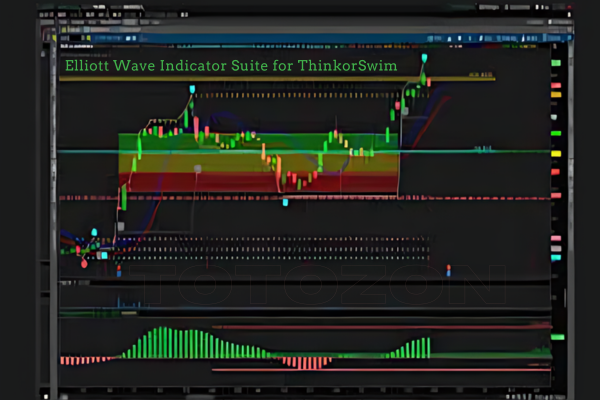 Elliott Wave Indicator Suite for ThinkorSwim
1 × $15.00
Elliott Wave Indicator Suite for ThinkorSwim
1 × $15.00 -
×
 Trading Course 2024 with ZMC x BMO
1 × $17.00
Trading Course 2024 with ZMC x BMO
1 × $17.00 -
×
 Home Run Options Trading Course with Dave Aquino - Base Camp Trading
1 × $11.00
Home Run Options Trading Course with Dave Aquino - Base Camp Trading
1 × $11.00 -
×
 Scalp Strategy and Flipping Small Accounts with Opes Trading Group
1 × $5.00
Scalp Strategy and Flipping Small Accounts with Opes Trading Group
1 × $5.00 -
×
 ICT Prodigy Trading Course – $650K in Payouts with Alex Solignani
1 × $15.00
ICT Prodigy Trading Course – $650K in Payouts with Alex Solignani
1 × $15.00
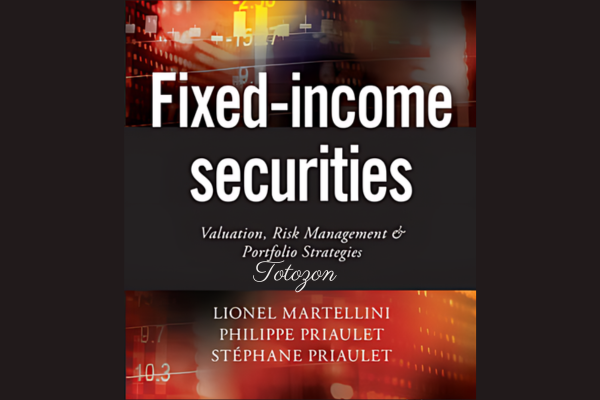
Fixed-Income Securities: Valuation, Risk Management and Portfolio Strategies – Lionel Martellini, Philippe Priaulet & Stéphane Priaulet
Original price was: $93.00.$6.00Current price is: $6.00.
File Size: Coming soon!
Delivery Time: 1–12 hours
Media Type: Online Course
Content Proof: Watch Here!
You may check content proof of “Fixed-Income Securities: Valuation, Risk Management and Portfolio Strategies – Lionel Martellini, Philippe Priaulet & Stéphane Priaulet” below:

Fixed-Income Securities: Valuation, Risk Management, and Portfolio Strategies
In the realm of finance, fixed-income securities play a crucial role. These instruments, known for providing steady returns, are essential components of diversified investment portfolios. This article delves into the comprehensive guide provided by Lionel Martellini, Philippe Priaulet, and Stéphane Priaulet on the valuation, risk management, and portfolio strategies for fixed-income securities.
Understanding Fixed-Income Securities
What are Fixed-Income Securities?
Fixed-income securities are investment vehicles that pay fixed interest or dividend payments until maturity. Examples include bonds, treasury bills, and municipal bonds.
Importance of Fixed-Income Securities
These securities offer stable returns and are less volatile compared to equities, making them ideal for risk-averse investors seeking regular income.
Valuation of Fixed-Income Securities
Principles of Valuation
Valuation of fixed-income securities involves calculating the present value of future cash flows. The key factors include interest rates, the time to maturity, and credit risk.
Discounted Cash Flow (DCF) Analysis
DCF analysis is a fundamental method for valuing fixed-income securities. It involves discounting future cash flows back to their present value using an appropriate discount rate.
Yield to Maturity (YTM)
YTM is a critical measure, representing the total return an investor can expect if the security is held until maturity. It incorporates interest payments and capital gains or losses.
Risk Management in Fixed-Income Securities
Types of Risks
Interest Rate Risk
Interest rate fluctuations impact the value of fixed-income securities. When rates rise, bond prices fall, and vice versa.
Credit Risk
Credit risk refers to the possibility of the issuer defaulting on interest or principal payments.
Inflation Risk
Inflation erodes the purchasing power of future cash flows, making them less valuable in real terms.
Mitigating Risks
Diversification
Spreading investments across various issuers and maturities can reduce exposure to specific risks.
Duration Management
Duration measures a bond’s sensitivity to interest rate changes. Managing duration helps in aligning the portfolio’s risk with the investor’s tolerance.
Credit Analysis
Assessing the creditworthiness of issuers can minimize credit risk. This involves evaluating financial statements and credit ratings.
Portfolio Strategies for Fixed-Income Securities
Buy and Hold Strategy
This strategy involves purchasing securities and holding them until maturity. It provides predictable income and minimizes transaction costs.
Laddering Strategy
Laddering involves investing in bonds with varying maturities. This reduces interest rate risk and ensures a steady stream of income.
Barbell Strategy
The barbell strategy combines short-term and long-term bonds, avoiding intermediate maturities. It balances the higher yields of long-term bonds with the liquidity of short-term bonds.
Active Bond Management
Active management involves frequent buying and selling of bonds to capitalize on market opportunities. It requires expertise and continuous market monitoring.
Case Studies in Fixed-Income Portfolio Management
Case Study: Corporate Bond Portfolio
A corporate bond portfolio can provide higher yields but comes with increased credit risk. Proper credit analysis and diversification are essential.
Case Study: Municipal Bond Portfolio
Municipal bonds offer tax advantages, making them attractive for high-net-worth individuals. Evaluating the creditworthiness of municipalities is crucial.
Technological Advancements in Fixed-Income Investing
Algorithmic Trading
Algorithmic trading uses complex algorithms to execute trades at high speeds. It enhances efficiency and reduces transaction costs.
Robo-Advisors
Robo-advisors provide automated, algorithm-driven financial planning services. They offer cost-effective solutions for managing fixed-income portfolios.
Regulatory Environment
Impact of Regulations
Regulations ensure the stability and transparency of financial markets. Compliance with regulations is vital for both issuers and investors.
Regulatory Bodies
Key regulatory bodies include the Securities and Exchange Commission (SEC) and the Financial Industry Regulatory Authority (FINRA).
Conclusion
Fixed-income securities are a cornerstone of prudent investment portfolios. By understanding their valuation, managing risks, and employing effective portfolio strategies, investors can achieve stable and predictable returns. The insights provided by Lionel Martellini, Philippe Priaulet, and Stéphane Priaulet are invaluable for navigating the complexities of fixed-income investing.
FAQs
1. What are the main types of fixed-income securities?
The main types include government bonds, corporate bonds, municipal bonds, and treasury bills.
2. How does interest rate risk affect fixed-income securities?
When interest rates rise, the value of fixed-income securities typically falls, and vice versa.
3. What is the significance of Yield to Maturity (YTM)?
YTM represents the total return an investor can expect if the security is held until maturity, accounting for interest payments and capital gains or losses.
4. How can investors mitigate credit risk?
Investors can mitigate credit risk by diversifying their investments and conducting thorough credit analysis of issuers.
5. What are the benefits of a laddering strategy in fixed-income investing?
Laddering reduces interest rate risk and ensures a steady stream of income by investing in bonds with varying maturities.
Be the first to review “Fixed-Income Securities: Valuation, Risk Management and Portfolio Strategies – Lionel Martellini, Philippe Priaulet & Stéphane Priaulet”
You must be logged in to post a review.
Related products

Original price was: $450.00.$23.00Current price is: $23.00.
Forex Trading
Original price was: $1,098.00.$39.00Current price is: $39.00.

Forex Trading
Original price was: $125.00.$17.00Current price is: $17.00.

Forex Trading
Original price was: $239.00.$8.00Current price is: $8.00.

Forex Trading
Original price was: $850.00.$23.00Current price is: $23.00.

Forex Trading
Quantamentals – The Next Great Forefront Of Trading and Investing with Trading Markets
Original price was: $1,495.00.$8.00Current price is: $8.00.

Original price was: $700.00.$39.00Current price is: $39.00.

Forex Trading
Original price was: $2,995.00.$31.00Current price is: $31.00.

Forex Trading
Original price was: $2,000.00.$23.00Current price is: $23.00.

Forex Trading
Original price was: $799.00.$15.00Current price is: $15.00.

Original price was: $1,849.00.$15.00Current price is: $15.00.

Forex Trading
Original price was: $500.00.$5.00Current price is: $5.00.

Forex Trading
Original price was: $550.00.$5.00Current price is: $5.00.

Forex Trading
Original price was: $1,898.00.$10.00Current price is: $10.00.

Original price was: $139.00.$23.00Current price is: $23.00.

Original price was: $695.00.$41.00Current price is: $41.00.

Forex Trading
Original price was: $499.00.$15.00Current price is: $15.00.

Original price was: $1,800.00.$54.00Current price is: $54.00.
Original price was: $2,120.00.$15.00Current price is: $15.00.
Forex Trading
Original price was: $397.00.$31.00Current price is: $31.00.
Reviews
There are no reviews yet.