
-
×
 Candlesticks Explained with Martin Pring
1 × $6.00
Candlesticks Explained with Martin Pring
1 × $6.00 -
×
 All About Mutual Funds with Bruce Jacobs
1 × $6.00
All About Mutual Funds with Bruce Jacobs
1 × $6.00 -
×
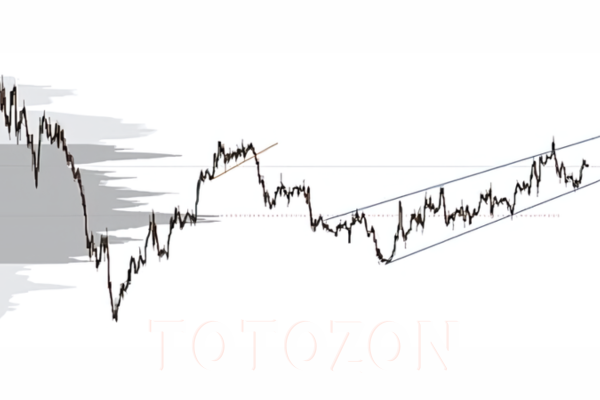 Complete Price Action, Volume Profile and Orderflow Trading Bundle with Price Action Volume Trader
1 × $78.00
Complete Price Action, Volume Profile and Orderflow Trading Bundle with Price Action Volume Trader
1 × $78.00 -
×
 Knowing Where the Energy is Coming From with Charles Drummond
1 × $6.00
Knowing Where the Energy is Coming From with Charles Drummond
1 × $6.00 -
×
 Essentials in Quantitative Trading QT01 By HangukQuant's
1 × $23.00
Essentials in Quantitative Trading QT01 By HangukQuant's
1 × $23.00 -
×
 Best of Livestock with Timothy Sykes
1 × $5.00
Best of Livestock with Timothy Sykes
1 × $5.00 -
×
 Yes You Can Time the Market! with Ben Stein
1 × $6.00
Yes You Can Time the Market! with Ben Stein
1 × $6.00 -
×
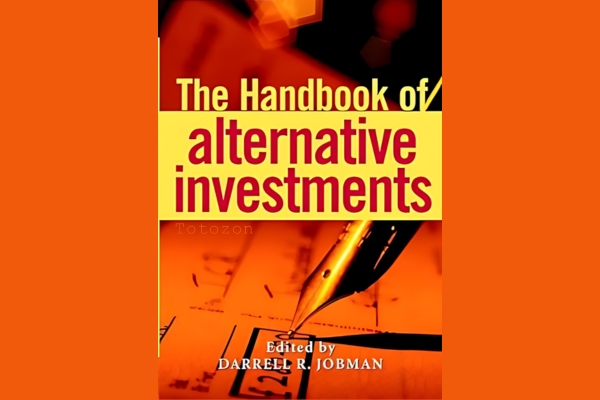 The Handbook of Alternative Investments with Darrell R.Jobman
1 × $6.00
The Handbook of Alternative Investments with Darrell R.Jobman
1 × $6.00 -
×
 Master Trader with InvestingSimple
1 × $15.00
Master Trader with InvestingSimple
1 × $15.00 -
×
 7 DAY INTENSIVE ONLINE TRADER TRAINING PROGRAMME with The Trading Framework
1 × $15.00
7 DAY INTENSIVE ONLINE TRADER TRAINING PROGRAMME with The Trading Framework
1 × $15.00 -
×
 How To Be a Profitable Forex Trader with Corey Halliday
1 × $6.00
How To Be a Profitable Forex Trader with Corey Halliday
1 × $6.00 -
×
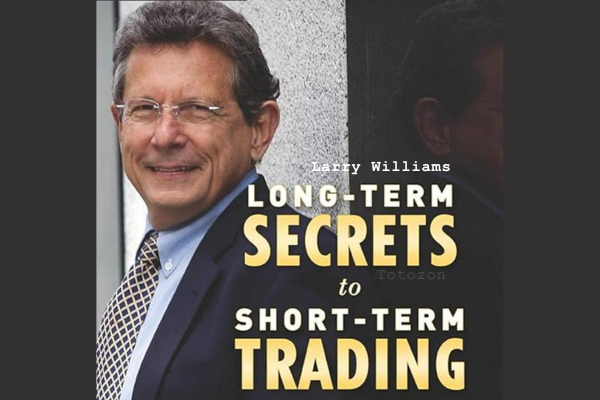 Secrets to Short Term Trading with Larry Williams
1 × $6.00
Secrets to Short Term Trading with Larry Williams
1 × $6.00 -
×
 The Indices Orderflow Masterclass with The Forex Scalpers
1 × $23.00
The Indices Orderflow Masterclass with The Forex Scalpers
1 × $23.00 -
×
 The HV7 Option Trading System with Amy Meissner – Aeromir
1 × $8.00
The HV7 Option Trading System with Amy Meissner – Aeromir
1 × $8.00 -
×
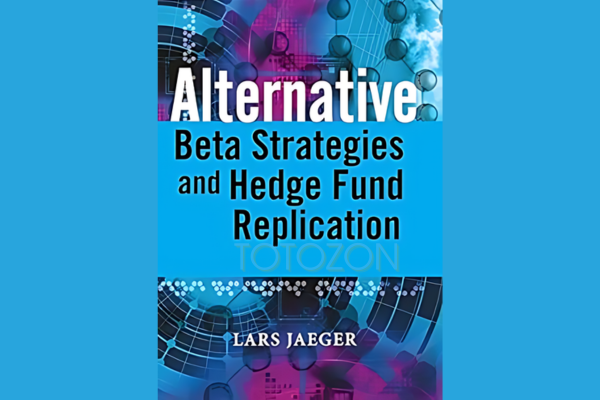 Alternative Beta Strategies & Hedge Fund Replication with Lars Jaeger & Jeffrey Pease
1 × $6.00
Alternative Beta Strategies & Hedge Fund Replication with Lars Jaeger & Jeffrey Pease
1 × $6.00 -
×
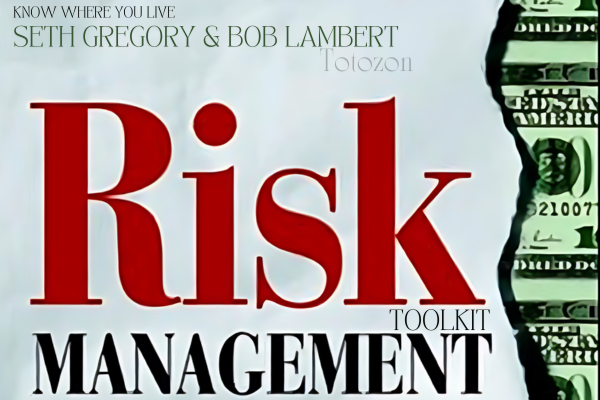 Know Where You Live. Risk Management Toolkit - Seth Gregory & Bob Lambert
1 × $6.00
Know Where You Live. Risk Management Toolkit - Seth Gregory & Bob Lambert
1 × $6.00 -
×
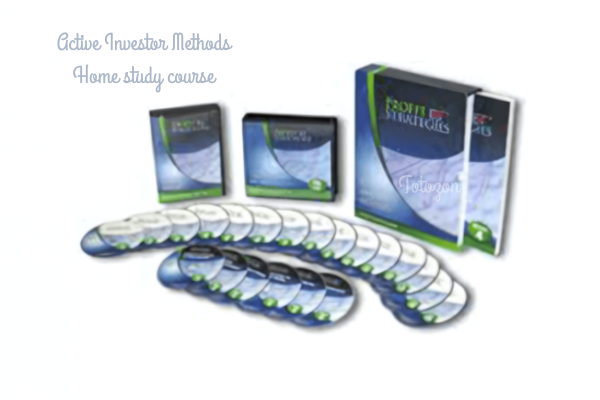 Activedaytrader - Elite Earnings Pusuit
1 × $54.00
Activedaytrader - Elite Earnings Pusuit
1 × $54.00 -
×
 The Orderflow Masterclass with PrimeTrading
1 × $17.00
The Orderflow Masterclass with PrimeTrading
1 × $17.00 -
×
 SQX Mentorship with Tip Toe Hippo
1 × $23.00
SQX Mentorship with Tip Toe Hippo
1 × $23.00 -
×
 Trading Short TermSame Day Trades Sep 2023 with Dan Sheridan & Mark Fenton - Sheridan Options Mentoring
1 × $31.00
Trading Short TermSame Day Trades Sep 2023 with Dan Sheridan & Mark Fenton - Sheridan Options Mentoring
1 × $31.00 -
×
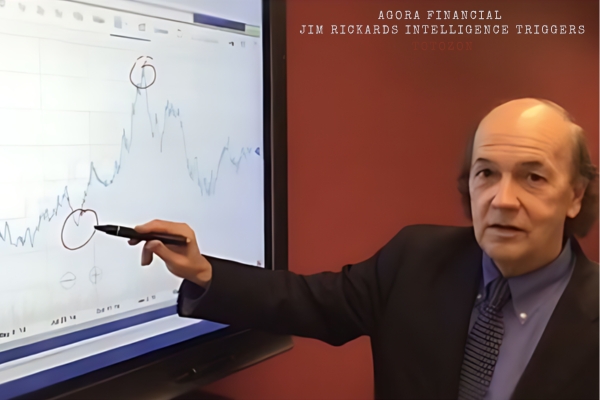 Jim Rickards Intelligence Triggers with Agora Financial
1 × $5.00
Jim Rickards Intelligence Triggers with Agora Financial
1 × $5.00 -
×
 The Aggressive Conservative Investor with Martin Whitman & Martin Shubik
1 × $6.00
The Aggressive Conservative Investor with Martin Whitman & Martin Shubik
1 × $6.00 -
×
 The Psychology of Risk (Audio) with Ari Kiev
1 × $6.00
The Psychology of Risk (Audio) with Ari Kiev
1 × $6.00 -
×
 Exchange-Traded Derivatives with Erik Banks
1 × $6.00
Exchange-Traded Derivatives with Erik Banks
1 × $6.00 -
×
 $20 – 52k 20 pips a day challange with Rafał Zuchowicz - TopMasterTrader
1 × $5.00
$20 – 52k 20 pips a day challange with Rafał Zuchowicz - TopMasterTrader
1 × $5.00 -
×
 Best of AM Review (Volume 1-3) with Peter Bain
1 × $6.00
Best of AM Review (Volume 1-3) with Peter Bain
1 × $6.00 -
×
 Quantamentals - The Next Great Forefront Of Trading and Investing with Trading Markets
1 × $8.00
Quantamentals - The Next Great Forefront Of Trading and Investing with Trading Markets
1 × $8.00 -
×
 How to Capture Big Profits from Explosive Markets with Glen Ring
1 × $6.00
How to Capture Big Profits from Explosive Markets with Glen Ring
1 × $6.00 -
×
 Butterfly and Condor Workshop with Aeromir
1 × $15.00
Butterfly and Condor Workshop with Aeromir
1 × $15.00 -
×
 Practical Astro with Ruth Miller & Iam Williams
1 × $6.00
Practical Astro with Ruth Miller & Iam Williams
1 × $6.00 -
×
 Better Trading with the Guppy Multiple Moving Average by Daryl Guppy
1 × $6.00
Better Trading with the Guppy Multiple Moving Average by Daryl Guppy
1 × $6.00 -
×
 PRO COURSE Order Flow Strategy with Gova Trading Academy
1 × $5.00
PRO COURSE Order Flow Strategy with Gova Trading Academy
1 × $5.00 -
×
 From Walden to Wall Street: Frontiers of Conservation Finance with James Levitt
1 × $6.00
From Walden to Wall Street: Frontiers of Conservation Finance with James Levitt
1 × $6.00 -
×
 Money & European Union with Stephen Frank Overturf
1 × $6.00
Money & European Union with Stephen Frank Overturf
1 × $6.00 -
×
 How to Call the Top in a Stock (To the Penny!) and Earn 9-11% Annualized Cash Yields Doing It with Dan Ferris
1 × $6.00
How to Call the Top in a Stock (To the Penny!) and Earn 9-11% Annualized Cash Yields Doing It with Dan Ferris
1 × $6.00 -
×
 AI For Traders with Trading Markets
1 × $31.00
AI For Traders with Trading Markets
1 × $31.00 -
×
 DaVinci FX Course
1 × $6.00
DaVinci FX Course
1 × $6.00 -
×
 Floor Traders Edge Mentorship Program with Market Geeks
1 × $6.00
Floor Traders Edge Mentorship Program with Market Geeks
1 × $6.00 -
×
 Essentials Course & Day Trading Strategies with Bear Bull Traders
1 × $13.00
Essentials Course & Day Trading Strategies with Bear Bull Traders
1 × $13.00 -
×
 Confidence to Hypnotize
1 × $6.00
Confidence to Hypnotize
1 × $6.00 -
×
 Dominate Stocks (Swing Trading) 2023 with J. Bravo
1 × $5.00
Dominate Stocks (Swing Trading) 2023 with J. Bravo
1 × $5.00 -
×
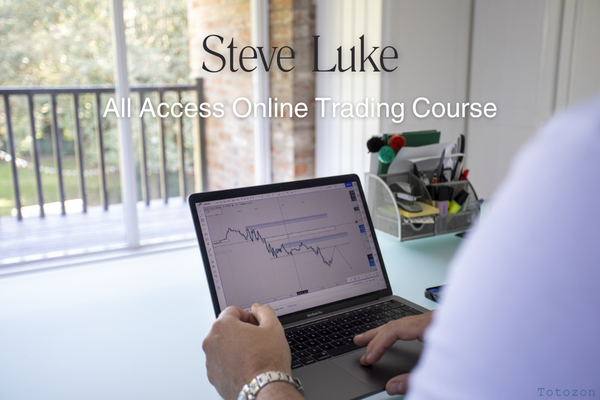 All Access Online Trading Course with Steve Luke
1 × $6.00
All Access Online Trading Course with Steve Luke
1 × $6.00 -
×
 Ahead of the Curve with Joseph Ellis
1 × $6.00
Ahead of the Curve with Joseph Ellis
1 × $6.00 -
×
 The Best Option Trading Course with David Jaffee - Best Stock Strategy
1 × $15.00
The Best Option Trading Course with David Jaffee - Best Stock Strategy
1 × $15.00
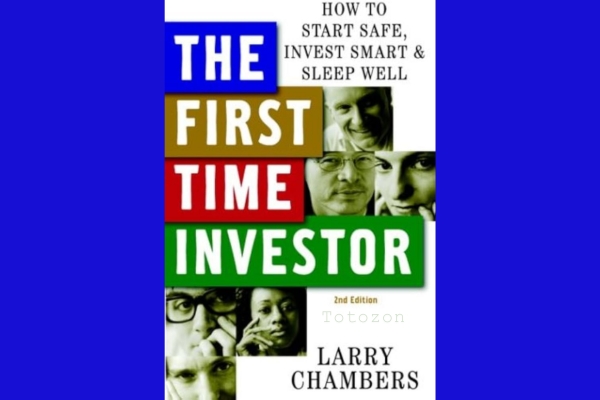
The First Time Investor: How to Start Safe, Invest Smart and Sleep Well (2nd Edition) with Larry Chambers
$6.00
File Size: Coming soon!
Delivery Time: 1–12 hours
Media Type: Online Course
Content Proof: Watch Here!
You may check content proof of “The First Time Investor: How to Start Safe, Invest Smart and Sleep Well (2nd Edition) with Larry Chambers” below:

The First Time Investor: How to Start Safe, Invest Smart and Sleep Well (2nd Edition) with Larry Chambers
Introduction to First Time Investing
Investing for the first time can be a daunting experience. The second edition of “The First Time Investor: How to Start Safe, Invest Smart and Sleep Well” by Larry Chambers aims to ease this journey. This guide is designed to help new investors navigate the complex world of investing with confidence and peace of mind.
Why First Time Investing is Important
Building Financial Security
Investing is crucial for building long-term financial security. By starting early, you can take advantage of compound interest and grow your wealth over time.
Achieving Financial Goals
Whether it’s buying a home, funding education, or planning for retirement, investing helps you achieve your financial goals more effectively than saving alone.
Understanding the Basics
What is Investing?
Investing involves putting money into financial instruments like stocks, bonds, and mutual funds with the expectation of generating returns.
Types of Investments
Stocks
Stocks represent ownership in a company. They offer high potential returns but come with higher risks.
Bonds
Bonds are debt securities issued by corporations or governments. They provide regular interest income and are generally considered safer than stocks.
Mutual Funds
Mutual funds pool money from many investors to invest in a diversified portfolio of stocks, bonds, or other securities.
Starting Safe: Key Strategies
Educate Yourself
Before diving into the market, it’s essential to educate yourself. Books like Larry Chambers’ guide provide valuable insights and practical advice.
Set Clear Goals
Define your financial goals. Knowing what you want to achieve will help you make informed investment decisions.
Create a Budget
Establish a budget that includes savings for investments. Ensure that you only invest money you can afford to set aside for the long term.
Emergency Fund
Build an emergency fund with three to six months’ worth of expenses. This safety net ensures you don’t have to liquidate investments during financial crises.
Investing Smart: Practical Tips
Diversify Your Portfolio
What is Diversification?
Diversification involves spreading your investments across different asset classes to reduce risk.
How to Diversify
- Stocks and Bonds: Balance your portfolio with a mix of stocks and bonds.
- Geographical Diversification: Invest in international markets to mitigate regional risks.
- Sector Diversification: Invest in various sectors like technology, healthcare, and consumer goods.
Understand Risk Tolerance
Assess your risk tolerance before investing. Your risk tolerance depends on your financial situation, goals, and comfort level with market fluctuations.
Start with Low-Cost Index Funds
Index funds offer broad market exposure at a low cost. They are ideal for beginners due to their simplicity and diversification benefits.
Regularly Review Your Portfolio
Monitor your investments and make adjustments as needed. Regular reviews help ensure your portfolio remains aligned with your goals and risk tolerance.
Avoid Emotional Investing
Investing based on emotions can lead to poor decisions. Stick to your plan and avoid reacting to short-term market movements.
Sleep Well: Managing Investment Stress
Long-Term Perspective
Adopt a long-term perspective to reduce stress. Focus on your long-term goals rather than short-term market fluctuations.
Stay Informed but Not Obsessed
Keep yourself informed about the market, but avoid obsessing over daily changes. Regular updates are sufficient to stay on track.
Professional Advice
Consider seeking advice from a financial advisor. A professional can provide personalized guidance and help you make sound investment decisions.
Conclusion
Investing for the first time doesn’t have to be overwhelming. With the right knowledge and strategies, you can start safe, invest smart, and sleep well. Larry Chambers’ “The First Time Investor” provides a comprehensive guide to help you navigate this journey confidently. Remember to educate yourself, set clear goals, diversify your portfolio, and maintain a long-term perspective.
FAQs
What is the best way to start investing?
The best way to start investing is to educate yourself, set clear financial goals, and begin with low-cost index funds. Diversifying your portfolio and understanding your risk tolerance are also crucial steps.
How much money do I need to start investing?
You don’t need a large amount of money to start investing. Many brokerage firms offer accounts with no minimum balance, allowing you to start with whatever amount you are comfortable with.
What is the importance of an emergency fund?
An emergency fund provides a financial safety net, ensuring you don’t have to sell your investments during financial crises. It helps you manage unexpected expenses without disrupting your investment strategy.
How often should I review my investment portfolio?
It’s advisable to review your investment portfolio at least once a year. Regular reviews help ensure your investments remain aligned with your financial goals and risk tolerance.
Can I invest without a financial advisor?
Yes, you can invest without a financial advisor by educating yourself and using online brokerage platforms. However, if you prefer personalized guidance, a financial advisor can provide valuable insights and help you make informed decisions.
Be the first to review “The First Time Investor: How to Start Safe, Invest Smart and Sleep Well (2nd Edition) with Larry Chambers”
You must be logged in to post a review.
Related products

Original price was: $895.00.$15.00Current price is: $15.00.
Forex Trading
Original price was: $2,995.00.$31.00Current price is: $31.00.

Original price was: $700.00.$39.00Current price is: $39.00.

Original price was: $2,120.00.$15.00Current price is: $15.00.

Forex Trading
Original price was: $499.00.$15.00Current price is: $15.00.

Original price was: $649.00.$20.00Current price is: $20.00.
Forex Trading
Original price was: $799.00.$15.00Current price is: $15.00.

Original price was: $299.00.$8.00Current price is: $8.00.

Original price was: $4,995.00.$15.00Current price is: $15.00.
Original price was: $197.00.$5.00Current price is: $5.00.
Original price was: $1,849.00.$15.00Current price is: $15.00.

Forex Trading
Original price was: $249.00.$15.00Current price is: $15.00.

Original price was: $695.00.$41.00Current price is: $41.00.

Original price was: $999.00.$5.00Current price is: $5.00.

Original price was: $799.00.$15.00Current price is: $15.00.
Original price was: $450.00.$23.00Current price is: $23.00.

Forex Trading
Original price was: $2,000.00.$23.00Current price is: $23.00.

Original price was: $497.00.$11.00Current price is: $11.00.

Original price was: $139.00.$23.00Current price is: $23.00.

Forex Trading
Original price was: $4,997.00.$27.00Current price is: $27.00.

Reviews
There are no reviews yet.