
-
×
 Rounded Bottom Breakout Multimedia Course
1 × $31.00
Rounded Bottom Breakout Multimedia Course
1 × $31.00 -
×
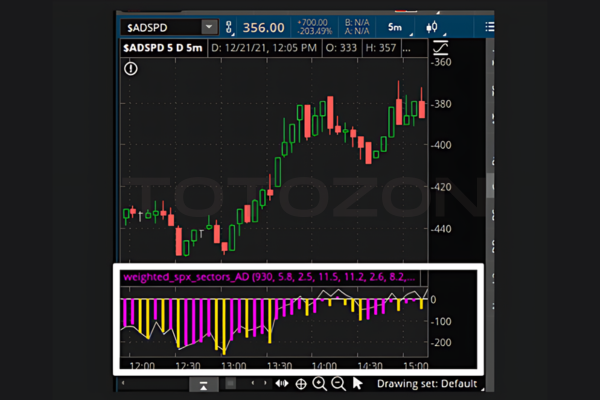 ShadowTrader Weighted S&P Advance Decline Line thinkScript with Peter Reznicek - ShadowTrader
1 × $23.00
ShadowTrader Weighted S&P Advance Decline Line thinkScript with Peter Reznicek - ShadowTrader
1 × $23.00 -
×
 Asset Allocation for the Individual Investor with CFA Institute
1 × $6.00
Asset Allocation for the Individual Investor with CFA Institute
1 × $6.00 -
×
 On Board Fanta Sea One Seminar with Felix Homogratus
1 × $6.00
On Board Fanta Sea One Seminar with Felix Homogratus
1 × $6.00 -
×
 Advanced Price Action Course with ZenFX
1 × $5.00
Advanced Price Action Course with ZenFX
1 × $5.00 -
×
 ApexFX Pro
1 × $5.00
ApexFX Pro
1 × $5.00 -
×
 Teresa Lo's PowerSwings EOD for eSignal (powerswings.com)
1 × $6.00
Teresa Lo's PowerSwings EOD for eSignal (powerswings.com)
1 × $6.00 -
×
 Earnings Reaction Gaps Workshop with John Pocorobba
1 × $27.00
Earnings Reaction Gaps Workshop with John Pocorobba
1 × $27.00 -
×
 Profit Generating System with Brian Williams
1 × $6.00
Profit Generating System with Brian Williams
1 × $6.00 -
×
 Flow Indicator Software Perfect for Futures Ninjatrader
1 × $23.00
Flow Indicator Software Perfect for Futures Ninjatrader
1 × $23.00 -
×
 Get Rich with Dividends
1 × $6.00
Get Rich with Dividends
1 × $6.00 -
×
 Top 20 SP500 Trading Strategies Course with Larry Connors
1 × $23.00
Top 20 SP500 Trading Strategies Course with Larry Connors
1 × $23.00 -
×
 OrderFlows Trader Package, (Sep 2015)
1 × $54.00
OrderFlows Trader Package, (Sep 2015)
1 × $54.00 -
×
 How to Make a Living Trading Foreign Exchange: A Guaranteed Income for Life with Courtney Smith
1 × $6.00
How to Make a Living Trading Foreign Exchange: A Guaranteed Income for Life with Courtney Smith
1 × $6.00 -
×
 Spread Trading
1 × $6.00
Spread Trading
1 × $6.00 -
×
 Fractal Based Point Processes with Steven Bradley Lowen & Malvin Carl Teich
1 × $6.00
Fractal Based Point Processes with Steven Bradley Lowen & Malvin Carl Teich
1 × $6.00 -
×
 Practical Elliott Wave Trading Strategies with Robert Miner
1 × $6.00
Practical Elliott Wave Trading Strategies with Robert Miner
1 × $6.00 -
×
 Random Walk Trading - J.L.Lord - One Strategy for All Markets
1 × $6.00
Random Walk Trading - J.L.Lord - One Strategy for All Markets
1 × $6.00 -
×
 Daytrade (Italian) with Guiuseppe Migliorino
1 × $6.00
Daytrade (Italian) with Guiuseppe Migliorino
1 × $6.00 -
×
 Yes You Can Time the Market! with Ben Stein
1 × $6.00
Yes You Can Time the Market! with Ben Stein
1 × $6.00 -
×
 Gillen Predicts with Jack Gillen
1 × $6.00
Gillen Predicts with Jack Gillen
1 × $6.00 -
×
 Fibonacci Trading & Dynamic Profit Targeting with Base Camp Trading
1 × $15.00
Fibonacci Trading & Dynamic Profit Targeting with Base Camp Trading
1 × $15.00 -
×
 Oportunities in Forex Calendar Trading Patterns with Anduril Analytics
1 × $6.00
Oportunities in Forex Calendar Trading Patterns with Anduril Analytics
1 × $6.00 -
×
 New Generation Market Profile (May 2014)
1 × $15.00
New Generation Market Profile (May 2014)
1 × $15.00 -
×
 Alternative Assets and Strategic Allocation with John Abbink
1 × $6.00
Alternative Assets and Strategic Allocation with John Abbink
1 × $6.00 -
×
 The Compleat DayTrader I & II with Jack Bernstein
1 × $6.00
The Compleat DayTrader I & II with Jack Bernstein
1 × $6.00 -
×
 Imperial FX Academy
1 × $5.00
Imperial FX Academy
1 × $5.00 -
×
 A PLAN TO MAKE $4K MONTHLY ON $20K with Dan Sheridan - Sheridan Options Mentoring
1 × $15.00
A PLAN TO MAKE $4K MONTHLY ON $20K with Dan Sheridan - Sheridan Options Mentoring
1 × $15.00 -
×
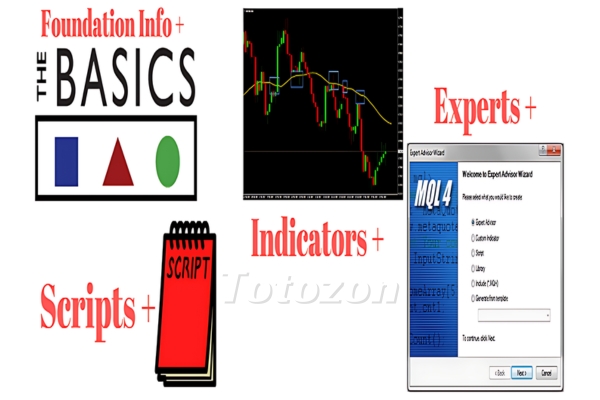 Mql4 Bundle: Basics, Scripts, Indicators, Experts with Jim Hodges
1 × $15.00
Mql4 Bundle: Basics, Scripts, Indicators, Experts with Jim Hodges
1 × $15.00 -
×
 Frontline Forex Vol 1-3 with Steve Nison - Candle Charts
1 × $54.00
Frontline Forex Vol 1-3 with Steve Nison - Candle Charts
1 × $54.00 -
×
 PDFT (Price Driven Forex Trading) Course with Avi Frister
1 × $6.00
PDFT (Price Driven Forex Trading) Course with Avi Frister
1 × $6.00 -
×
 Trade What You See How To Profit from Pattern Recognition with Larry Pesavento & Leslie Jouflas
1 × $6.00
Trade What You See How To Profit from Pattern Recognition with Larry Pesavento & Leslie Jouflas
1 × $6.00 -
×
 Options On Futures Class By Mark Fenton - Sheridan Options Mentoring
1 × $6.00
Options On Futures Class By Mark Fenton - Sheridan Options Mentoring
1 × $6.00 -
×
 Master Forecasting Method & Unpublished Stock Market Forecasting Courses with W.D.Gann
1 × $6.00
Master Forecasting Method & Unpublished Stock Market Forecasting Courses with W.D.Gann
1 × $6.00 -
×
 Advanced Spread Trading with Guy Bower - MasterClass Trader
1 × $15.00
Advanced Spread Trading with Guy Bower - MasterClass Trader
1 × $15.00 -
×
 The Ten Most Powerful Option Trading Secrets with Bernie Schaeffer
1 × $6.00
The Ten Most Powerful Option Trading Secrets with Bernie Schaeffer
1 × $6.00 -
×
 The Psychology of the Foreign Exchange Market with Thomas Oberlechner
1 × $6.00
The Psychology of the Foreign Exchange Market with Thomas Oberlechner
1 × $6.00 -
×
 Small Account Growth Class – Strategies Course
1 × $23.00
Small Account Growth Class – Strategies Course
1 × $23.00 -
×
 The A14 Weekly Option Strategy Workshop with Amy Meissner
1 × $23.00
The A14 Weekly Option Strategy Workshop with Amy Meissner
1 × $23.00
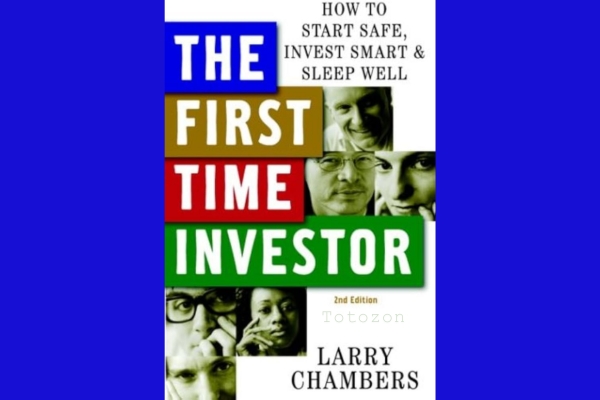
The First Time Investor: How to Start Safe, Invest Smart and Sleep Well (2nd Edition) with Larry Chambers
$6.00
File Size: Coming soon!
Delivery Time: 1–12 hours
Media Type: Online Course
Content Proof: Watch Here!
You may check content proof of “The First Time Investor: How to Start Safe, Invest Smart and Sleep Well (2nd Edition) with Larry Chambers” below:

The First Time Investor: How to Start Safe, Invest Smart and Sleep Well (2nd Edition) with Larry Chambers
Introduction to First Time Investing
Investing for the first time can be a daunting experience. The second edition of “The First Time Investor: How to Start Safe, Invest Smart and Sleep Well” by Larry Chambers aims to ease this journey. This guide is designed to help new investors navigate the complex world of investing with confidence and peace of mind.
Why First Time Investing is Important
Building Financial Security
Investing is crucial for building long-term financial security. By starting early, you can take advantage of compound interest and grow your wealth over time.
Achieving Financial Goals
Whether it’s buying a home, funding education, or planning for retirement, investing helps you achieve your financial goals more effectively than saving alone.
Understanding the Basics
What is Investing?
Investing involves putting money into financial instruments like stocks, bonds, and mutual funds with the expectation of generating returns.
Types of Investments
Stocks
Stocks represent ownership in a company. They offer high potential returns but come with higher risks.
Bonds
Bonds are debt securities issued by corporations or governments. They provide regular interest income and are generally considered safer than stocks.
Mutual Funds
Mutual funds pool money from many investors to invest in a diversified portfolio of stocks, bonds, or other securities.
Starting Safe: Key Strategies
Educate Yourself
Before diving into the market, it’s essential to educate yourself. Books like Larry Chambers’ guide provide valuable insights and practical advice.
Set Clear Goals
Define your financial goals. Knowing what you want to achieve will help you make informed investment decisions.
Create a Budget
Establish a budget that includes savings for investments. Ensure that you only invest money you can afford to set aside for the long term.
Emergency Fund
Build an emergency fund with three to six months’ worth of expenses. This safety net ensures you don’t have to liquidate investments during financial crises.
Investing Smart: Practical Tips
Diversify Your Portfolio
What is Diversification?
Diversification involves spreading your investments across different asset classes to reduce risk.
How to Diversify
- Stocks and Bonds: Balance your portfolio with a mix of stocks and bonds.
- Geographical Diversification: Invest in international markets to mitigate regional risks.
- Sector Diversification: Invest in various sectors like technology, healthcare, and consumer goods.
Understand Risk Tolerance
Assess your risk tolerance before investing. Your risk tolerance depends on your financial situation, goals, and comfort level with market fluctuations.
Start with Low-Cost Index Funds
Index funds offer broad market exposure at a low cost. They are ideal for beginners due to their simplicity and diversification benefits.
Regularly Review Your Portfolio
Monitor your investments and make adjustments as needed. Regular reviews help ensure your portfolio remains aligned with your goals and risk tolerance.
Avoid Emotional Investing
Investing based on emotions can lead to poor decisions. Stick to your plan and avoid reacting to short-term market movements.
Sleep Well: Managing Investment Stress
Long-Term Perspective
Adopt a long-term perspective to reduce stress. Focus on your long-term goals rather than short-term market fluctuations.
Stay Informed but Not Obsessed
Keep yourself informed about the market, but avoid obsessing over daily changes. Regular updates are sufficient to stay on track.
Professional Advice
Consider seeking advice from a financial advisor. A professional can provide personalized guidance and help you make sound investment decisions.
Conclusion
Investing for the first time doesn’t have to be overwhelming. With the right knowledge and strategies, you can start safe, invest smart, and sleep well. Larry Chambers’ “The First Time Investor” provides a comprehensive guide to help you navigate this journey confidently. Remember to educate yourself, set clear goals, diversify your portfolio, and maintain a long-term perspective.
FAQs
What is the best way to start investing?
The best way to start investing is to educate yourself, set clear financial goals, and begin with low-cost index funds. Diversifying your portfolio and understanding your risk tolerance are also crucial steps.
How much money do I need to start investing?
You don’t need a large amount of money to start investing. Many brokerage firms offer accounts with no minimum balance, allowing you to start with whatever amount you are comfortable with.
What is the importance of an emergency fund?
An emergency fund provides a financial safety net, ensuring you don’t have to sell your investments during financial crises. It helps you manage unexpected expenses without disrupting your investment strategy.
How often should I review my investment portfolio?
It’s advisable to review your investment portfolio at least once a year. Regular reviews help ensure your investments remain aligned with your financial goals and risk tolerance.
Can I invest without a financial advisor?
Yes, you can invest without a financial advisor by educating yourself and using online brokerage platforms. However, if you prefer personalized guidance, a financial advisor can provide valuable insights and help you make informed decisions.
Be the first to review “The First Time Investor: How to Start Safe, Invest Smart and Sleep Well (2nd Edition) with Larry Chambers”
You must be logged in to post a review.
Related products

Original price was: $700.00.$39.00Current price is: $39.00.

Forex Trading
Original price was: $249.00.$15.00Current price is: $15.00.

Original price was: $497.00.$11.00Current price is: $11.00.

Original price was: $999.00.$5.00Current price is: $5.00.

Forex Trading
Original price was: $550.00.$5.00Current price is: $5.00.
Original price was: $310.00.$23.00Current price is: $23.00.

Forex Trading
Original price was: $4,997.00.$27.00Current price is: $27.00.

Forex Trading
Original price was: $2,995.00.$31.00Current price is: $31.00.

Original price was: $139.00.$23.00Current price is: $23.00.

Original price was: $4,995.00.$15.00Current price is: $15.00.

Forex Trading
Original price was: $397.00.$31.00Current price is: $31.00.

Original price was: $695.00.$41.00Current price is: $41.00.

Forex Trading
Original price was: $2,997.00.$23.00Current price is: $23.00.

Original price was: $1,200.00.$23.00Current price is: $23.00.

Original price was: $997.00.$13.00Current price is: $13.00.

Forex Trading
Original price was: $797.00.$10.00Current price is: $10.00.

Original price was: $497.00.$31.00Current price is: $31.00.

Forex Trading
Original price was: $499.00.$15.00Current price is: $15.00.

Original price was: $649.00.$20.00Current price is: $20.00.

Forex Trading
Original price was: $1,898.00.$10.00Current price is: $10.00.

Reviews
There are no reviews yet.