
-
×
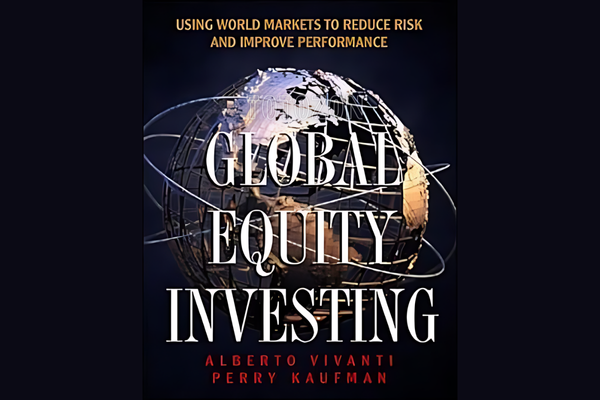 Global Equity Investing By Alberto Vivanti & Perry Kaufman
1 × $6.00
Global Equity Investing By Alberto Vivanti & Perry Kaufman
1 × $6.00 -
×
 TC Top & Bottom Finder with Trader Confident
1 × $93.00
TC Top & Bottom Finder with Trader Confident
1 × $93.00 -
×
 Fundamental Analysis with CA Rachana Ranade
1 × $5.00
Fundamental Analysis with CA Rachana Ranade
1 × $5.00 -
×
 Forex Eye
1 × $5.00
Forex Eye
1 × $5.00 -
×
 Larry Williams Newsletters (1994-1997)
1 × $6.00
Larry Williams Newsletters (1994-1997)
1 × $6.00 -
×
 Compound Stock Earnings Advanced Charting (Video 1.19 GB)
1 × $15.00
Compound Stock Earnings Advanced Charting (Video 1.19 GB)
1 × $15.00 -
×
 Tradeguider - Wyckoff VSA eBook Collection
1 × $23.00
Tradeguider - Wyckoff VSA eBook Collection
1 × $23.00 -
×
 OTC Oracle Course - PENNY WHALE with Simple Trade
1 × $31.00
OTC Oracle Course - PENNY WHALE with Simple Trade
1 × $31.00 -
×
 Reading The Tape Trade Series with CompassFX
1 × $10.00
Reading The Tape Trade Series with CompassFX
1 × $10.00 -
×
 The Blueprint for Successful Stock Trading with Jeff Tompkins
1 × $6.00
The Blueprint for Successful Stock Trading with Jeff Tompkins
1 × $6.00 -
×
 Learn to Trade Course with Mike Aston
1 × $6.00
Learn to Trade Course with Mike Aston
1 × $6.00 -
×
 Investment Management
1 × $6.00
Investment Management
1 × $6.00 -
×
 Astro-Cycles and Speculative Markets with L.J.Jensen
1 × $6.00
Astro-Cycles and Speculative Markets with L.J.Jensen
1 × $6.00 -
×
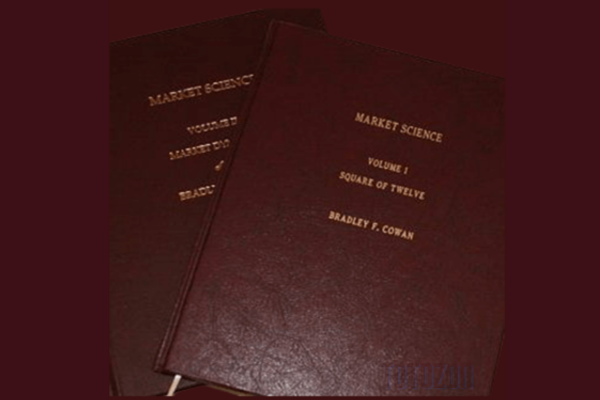 Market Science Volumes I & II Square of Twelve & Market Dynamics with Bradley Cowan
1 × $4.00
Market Science Volumes I & II Square of Twelve & Market Dynamics with Bradley Cowan
1 × $4.00 -
×
 Elite Core Advance Course with Urban Forex
1 × $5.00
Elite Core Advance Course with Urban Forex
1 × $5.00 -
×
 The Complete Guide to Multiple Time Frame Analysis & Reading Price Action with Aiman Almansoori
1 × $179.00
The Complete Guide to Multiple Time Frame Analysis & Reading Price Action with Aiman Almansoori
1 × $179.00 -
×
 SRs Trend Rider 2.0
1 × $6.00
SRs Trend Rider 2.0
1 × $6.00 -
×
 Master Forecasting Method & Unpublished Stock Market Forecasting Courses with W.D.Gann
1 × $6.00
Master Forecasting Method & Unpublished Stock Market Forecasting Courses with W.D.Gann
1 × $6.00 -
×
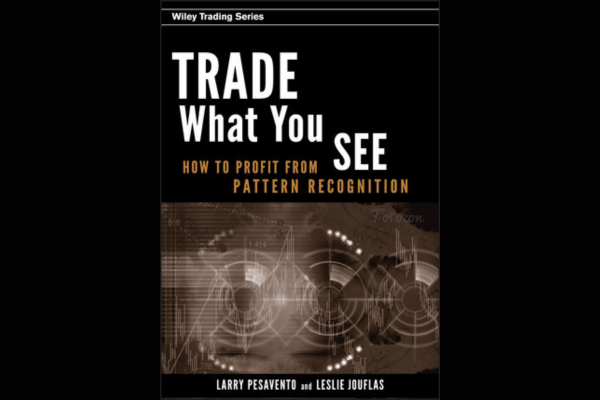 Trade What You See How To Profit from Pattern Recognition with Larry Pesavento & Leslie Jouflas
1 × $6.00
Trade What You See How To Profit from Pattern Recognition with Larry Pesavento & Leslie Jouflas
1 × $6.00 -
×
 News Profiteer System Manual & Members Area Videos with Henry Liu
1 × $6.00
News Profiteer System Manual & Members Area Videos with Henry Liu
1 × $6.00 -
×
 Precision Timing Your Options Trades Using Fibonacci with Trading Analysis
1 × $15.00
Precision Timing Your Options Trades Using Fibonacci with Trading Analysis
1 × $15.00 -
×
 Speculator King 1967 with Jesse Livermore
1 × $6.00
Speculator King 1967 with Jesse Livermore
1 × $6.00 -
×
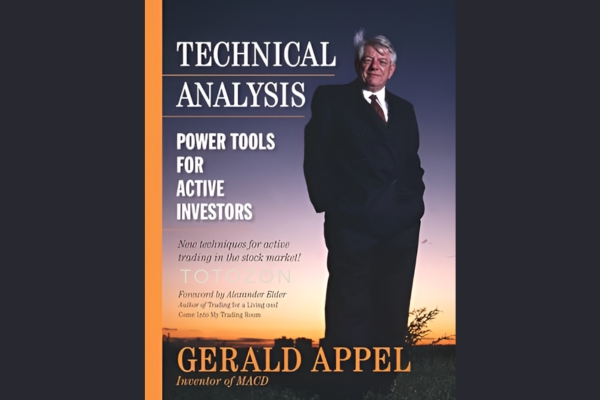 Technical Analysis: Power Tools for Active Investors with Gerald Appel
1 × $6.00
Technical Analysis: Power Tools for Active Investors with Gerald Appel
1 × $6.00 -
×
 SE ELITE COURSE with SE TRADINGX
1 × $5.00
SE ELITE COURSE with SE TRADINGX
1 × $5.00 -
×
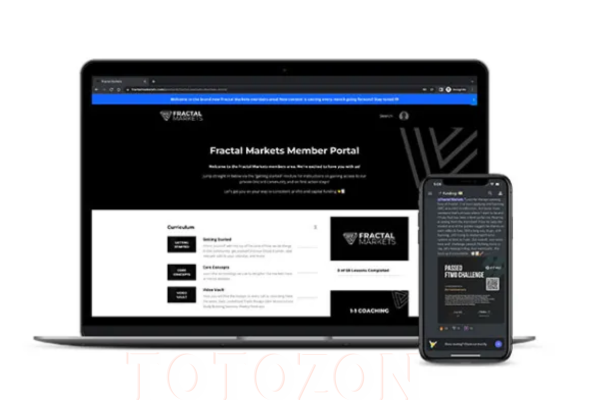 Fractal Markets SFX with Tyson Bieniek
1 × $5.00
Fractal Markets SFX with Tyson Bieniek
1 × $5.00 -
×
 How To Trade Fundamental News Release 2022 with Patrick Muke
1 × $6.00
How To Trade Fundamental News Release 2022 with Patrick Muke
1 × $6.00 -
×
 Slim Miller's Cycle Analysis Workshop with Steve "Slim" Miller
1 × $6.00
Slim Miller's Cycle Analysis Workshop with Steve "Slim" Miller
1 × $6.00 -
×
 Optimize Funding Program with Solo Network
1 × $5.00
Optimize Funding Program with Solo Network
1 × $5.00 -
×
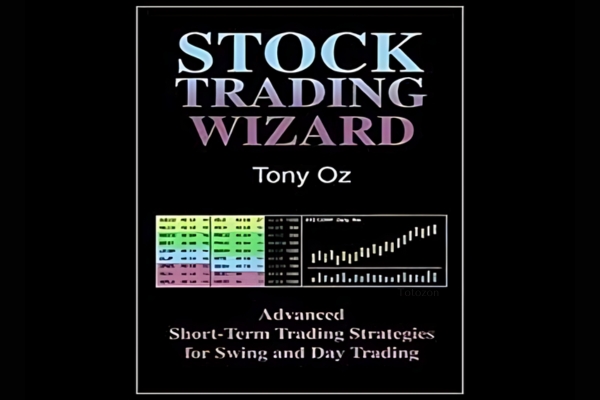 Stock Trading Wizard
1 × $6.00
Stock Trading Wizard
1 × $6.00 -
×
 Outsmarting the Smart Money with Lawrence A.Cunningham
1 × $6.00
Outsmarting the Smart Money with Lawrence A.Cunningham
1 × $6.00 -
×
 Practical Approach to Amibroker Backtesting with Rajandran R
1 × $6.00
Practical Approach to Amibroker Backtesting with Rajandran R
1 × $6.00 -
×
 Market Maker Strategy Video Course with Fractal Flow Pro
1 × $6.00
Market Maker Strategy Video Course with Fractal Flow Pro
1 × $6.00 -
×
 Math for the Trades with LearningExpress
1 × $6.00
Math for the Trades with LearningExpress
1 × $6.00 -
×
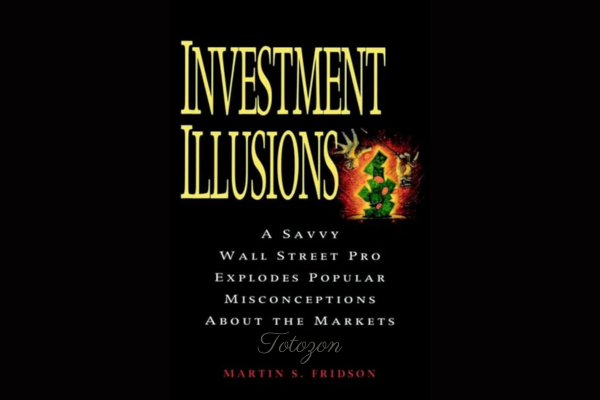 Investment Illusions with Martin S.Fridson
1 × $6.00
Investment Illusions with Martin S.Fridson
1 × $6.00 -
×
 Market Profile E-Course with Charles Gough - Pirate Traders
1 × $17.00
Market Profile E-Course with Charles Gough - Pirate Traders
1 × $17.00 -
×
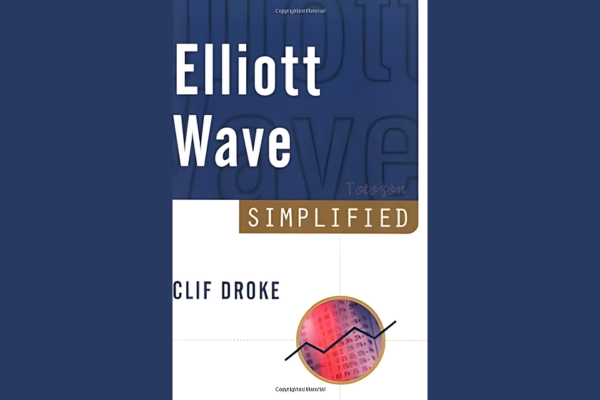 Elliott Wave Simplified with Clif Droke
1 × $6.00
Elliott Wave Simplified with Clif Droke
1 × $6.00 -
×
 Growth Traders Toolbox Course with Julian Komar
1 × $5.00
Growth Traders Toolbox Course with Julian Komar
1 × $5.00 -
×
 TenfoldFX Academy Course with Kenneth John
1 × $17.00
TenfoldFX Academy Course with Kenneth John
1 × $17.00 -
×
 Mastering Momentum Gaps with Toni Hansen
1 × $6.00
Mastering Momentum Gaps with Toni Hansen
1 × $6.00 -
×
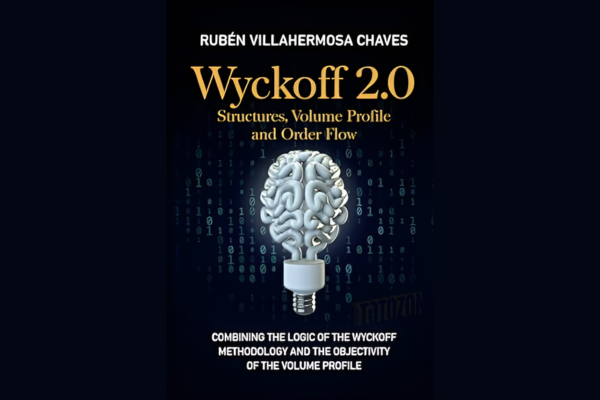 Wyckoff 2.0: Structures, Volume Profile and Order Flow (Trading and Investing Course: Advanced Technical Analysis) by Rubén Villahermosa
1 × $5.00
Wyckoff 2.0: Structures, Volume Profile and Order Flow (Trading and Investing Course: Advanced Technical Analysis) by Rubén Villahermosa
1 × $5.00 -
×
 High Rollers Mega Course Bundle - 13 Market Moves
1 × $39.00
High Rollers Mega Course Bundle - 13 Market Moves
1 × $39.00 -
×
 Spotting Solid Short-Term Opportunities
1 × $6.00
Spotting Solid Short-Term Opportunities
1 × $6.00 -
×
 Price Ladder Training
1 × $15.00
Price Ladder Training
1 × $15.00 -
×
 Master NFTs in 7 Days with Ben Yu
1 × $23.00
Master NFTs in 7 Days with Ben Yu
1 × $23.00 -
×
 Rise Precision Latest Course
1 × $10.00
Rise Precision Latest Course
1 × $10.00 -
×
 The Day Trader: From the Pit to the PC with Lewis Borsellino
1 × $6.00
The Day Trader: From the Pit to the PC with Lewis Borsellino
1 × $6.00 -
×
 Pentagonal Time Cycle Theory
1 × $6.00
Pentagonal Time Cycle Theory
1 × $6.00 -
×
 Ichimokutrade - Ichimoku 101
1 × $15.00
Ichimokutrade - Ichimoku 101
1 × $15.00 -
×
 Price Action Trading with Bill Eykyn
1 × $6.00
Price Action Trading with Bill Eykyn
1 × $6.00 -
×
 Road Map to Riches with Steve Wirrick
1 × $6.00
Road Map to Riches with Steve Wirrick
1 × $6.00 -
×
 Fibonacci Swing Trader 2.0 with Frank Paul - Forexmentor
1 × $6.00
Fibonacci Swing Trader 2.0 with Frank Paul - Forexmentor
1 × $6.00 -
×
 E75 Forex System with James de Wet
1 × $6.00
E75 Forex System with James de Wet
1 × $6.00 -
×
 Private Seminar with Alan Andrew
1 × $6.00
Private Seminar with Alan Andrew
1 × $6.00 -
×
 Market Magic: Riding the Greatest Bull Market of the Century with Louise Yamada
1 × $6.00
Market Magic: Riding the Greatest Bull Market of the Century with Louise Yamada
1 × $6.00 -
×
 JokerSZN Course with David
1 × $20.00
JokerSZN Course with David
1 × $20.00 -
×
 Marber on Markets – How to Make Money from Charts with Brian Marber
1 × $6.00
Marber on Markets – How to Make Money from Charts with Brian Marber
1 × $6.00 -
×
 Evolutionary Decision Trees for Stock Index Options and Futures Arbitrage by S.Markose, E.Tsang,H.Er
1 × $6.00
Evolutionary Decision Trees for Stock Index Options and Futures Arbitrage by S.Markose, E.Tsang,H.Er
1 × $6.00 -
×
 Trading Ist Ein Geschaft (German) (tradingeducators.com)
1 × $6.00
Trading Ist Ein Geschaft (German) (tradingeducators.com)
1 × $6.00 -
×
 Portfolio Management in Practice with Christine Brentani
1 × $6.00
Portfolio Management in Practice with Christine Brentani
1 × $6.00 -
×
 Game Plan of a Winning Trader with Mike Podwojski & Vic Noble
1 × $6.00
Game Plan of a Winning Trader with Mike Podwojski & Vic Noble
1 × $6.00 -
×
 Pristine - Trading the Pristine Method 2
1 × $6.00
Pristine - Trading the Pristine Method 2
1 × $6.00 -
×
 The Adventures of the Cycle Hunter. The Cyclist with Craig Bttlc
1 × $6.00
The Adventures of the Cycle Hunter. The Cyclist with Craig Bttlc
1 × $6.00 -
×
 Forex Profit Formula System with Jason Fielder
1 × $6.00
Forex Profit Formula System with Jason Fielder
1 × $6.00 -
×
 FruitFly For Consistent Income with Matt Williamson
1 × $6.00
FruitFly For Consistent Income with Matt Williamson
1 × $6.00 -
×
 Ultimate Trading Course with Dodgy's Dungeon
1 × $8.00
Ultimate Trading Course with Dodgy's Dungeon
1 × $8.00 -
×
 Romeo’s University of Turtle Soup with Romeo
1 × $6.00
Romeo’s University of Turtle Soup with Romeo
1 × $6.00 -
×
 Golden Pips Generator - DMA HACK with Hooman
1 × $62.00
Golden Pips Generator - DMA HACK with Hooman
1 × $62.00 -
×
 TradeCraft: Your Path to Peak Performance Trading By Adam Grimes
1 × $15.00
TradeCraft: Your Path to Peak Performance Trading By Adam Grimes
1 × $15.00
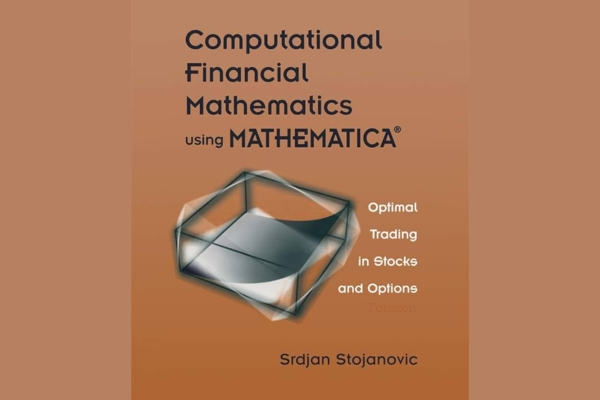
Computational Financial Mathematics with Mathematica
$6.00
File Size: Coming soon!
Delivery Time: 1–12 hours
Media Type: Online Course
Computational Financial Mathematics with Mathematica
Introduction
In the fast-paced world of finance, computational tools play a crucial role in analyzing and predicting market trends. Mathematica, developed by Wolfram Research, is one such powerful tool that offers extensive capabilities for financial mathematics. This article explores how Mathematica can be used in computational financial mathematics, its key features, and the benefits it brings to financial analysts and traders.
What is Computational Financial Mathematics?
Overview
Computational financial mathematics involves the application of mathematical models and computational techniques to solve problems in finance. It encompasses a wide range of areas, including risk management, option pricing, portfolio optimization, and financial forecasting.
Importance in Finance
- Risk Management: Helps in identifying and mitigating financial risks.
- Option Pricing: Provides accurate pricing models for derivatives.
- Portfolio Optimization: Aids in constructing portfolios that maximize returns for a given risk level.
- Forecasting: Enhances the prediction of market trends and financial outcomes.
Why Mathematica?
Advanced Computational Capabilities
Mathematica is renowned for its powerful computational engine that can handle complex mathematical models and large datasets.
Versatility
It supports a wide range of mathematical and statistical functions, making it suitable for various financial applications.
User-Friendly Interface
With its intuitive interface, Mathematica is accessible to both novice and experienced users.
Key Features of Mathematica for Financial Mathematics
Symbolic Computation
Algebraic Manipulation
- Simplifying Expressions: Automatically simplifies complex algebraic expressions.
- Solving Equations: Solves linear and nonlinear equations symbolically.
Differentiation and Integration
- Symbolic Differentiation: Calculates derivatives of functions symbolically.
- Symbolic Integration: Computes integrals, both definite and indefinite, symbolically.
Numerical Computation
Precision Control
- Arbitrary Precision: Performs calculations with arbitrary precision, crucial for financial models.
- Error Management: Manages numerical errors effectively.
Optimization
- Linear Programming: Solves linear optimization problems.
- Nonlinear Optimization: Handles complex nonlinear optimization problems.
Statistical Analysis
Descriptive Statistics
- Summary Statistics: Provides summary statistics like mean, median, variance, and standard deviation.
- Data Visualization: Creates histograms, box plots, and other visualizations.
Inferential Statistics
- Hypothesis Testing: Conducts various hypothesis tests.
- Regression Analysis: Performs linear and nonlinear regression analysis.
Financial Modeling
Time Series Analysis
- Data Manipulation: Handles time series data effectively.
- Forecasting Models: Develops and tests forecasting models.
Option Pricing
- Black-Scholes Model: Implements the Black-Scholes option pricing model.
- Monte Carlo Simulations: Performs Monte Carlo simulations for option pricing.
Practical Applications of Mathematica in Finance
Risk Management
Value at Risk (VaR)
- Calculation: Computes VaR for different confidence levels.
- Stress Testing: Conducts stress tests to evaluate financial resilience.
Portfolio Optimization
Markowitz Model
- Mean-Variance Optimization: Constructs an optimal portfolio based on the Markowitz model.
- Efficient Frontier: Plots the efficient frontier for portfolio selection.
Option Pricing
Black-Scholes Model
- Implementation: Uses Mathematica to implement and visualize the Black-Scholes model.
- Sensitivity Analysis: Conducts sensitivity analysis for various parameters.
Financial Forecasting
ARIMA Models
- Building Models: Develops ARIMA models for time series forecasting.
- Model Validation: Validates models using statistical tests and diagnostics.
Benefits of Using Mathematica
Accuracy
Mathematica provides high-precision computations, ensuring accurate financial analysis.
Efficiency
Automates complex calculations and data analysis, saving time and effort.
Flexibility
Adapts to various financial models and scenarios, making it a versatile tool for financial analysts.
Visualization
Creates high-quality visualizations that enhance the interpretation of financial data.
Getting Started with Mathematica
Installation
- Download: Obtain Mathematica from Wolfram Research’s official website.
- Setup: Follow the installation instructions to set up the software.
Basic Operations
- Interface Overview: Familiarize yourself with the Mathematica interface.
- Basic Commands: Learn essential commands for performing basic operations.
Advanced Techniques
- Custom Functions: Create custom functions for specific financial models.
- Automation: Automate repetitive tasks to improve efficiency.
Success Stories
Financial Institutions
Many financial institutions use Mathematica for risk management, portfolio optimization, and market analysis.
Individual Traders
Individual traders leverage Mathematica to develop and test trading strategies, enhancing their decision-making process.
Common Challenges and Solutions
Complexity of Models
Start with simpler models and gradually move to more complex ones to build confidence and understanding.
Data Integration
Ensure seamless integration of data sources to enhance the accuracy of your analysis.
Learning Curve
Utilize online tutorials, forums, and support from Wolfram Research to overcome the learning curve.
Conclusion
Computational financial mathematics with Mathematica offers unparalleled capabilities for financial analysis and modeling. Its advanced computational power, versatility, and user-friendly interface make it an essential tool for financial professionals. By leveraging Mathematica, you can enhance your analytical skills, improve decision-making, and achieve better financial outcomes.
FAQs
1. What is Computational Financial Mathematics?
It involves applying mathematical models and computational techniques to solve problems in finance.
2. Why use Mathematica for financial mathematics?
Mathematica offers powerful computational capabilities, versatility, and a user-friendly interface, making it ideal for financial analysis.
3. What are the key features of Mathematica?
Key features include symbolic and numerical computation, statistical analysis, financial modeling, and high-quality visualization.
4. How can Mathematica be used in risk management?
It can compute Value at Risk (VaR), conduct stress tests, and perform other risk management analyses.
5. What are some practical applications of Mathematica in finance?
Applications include risk management, portfolio optimization, option pricing, and financial forecasting.
Be the first to review “Computational Financial Mathematics with Mathematica”
You must be logged in to post a review.
Related products

Forex Trading
Original price was: $2,997.00.$23.00Current price is: $23.00.

Original price was: $1,800.00.$54.00Current price is: $54.00.

Forex Trading
Original price was: $2,000.00.$23.00Current price is: $23.00.

Original price was: $450.00.$23.00Current price is: $23.00.

Forex Trading
Quantamentals – The Next Great Forefront Of Trading and Investing with Trading Markets
Original price was: $1,495.00.$8.00Current price is: $8.00.

Forex Trading
Original price was: $2,995.00.$31.00Current price is: $31.00.

Original price was: $999.00.$5.00Current price is: $5.00.

Forex Trading
Original price was: $799.00.$15.00Current price is: $15.00.

Original price was: $695.00.$41.00Current price is: $41.00.

Original price was: $997.00.$8.00Current price is: $8.00.
Original price was: $4,995.00.$15.00Current price is: $15.00.

Original price was: $649.00.$20.00Current price is: $20.00.

Original price was: $139.00.$23.00Current price is: $23.00.

Forex Trading
Original price was: $397.00.$31.00Current price is: $31.00.

Forex Trading
Original price was: $4,997.00.$27.00Current price is: $27.00.

Forex Trading
Original price was: $550.00.$5.00Current price is: $5.00.

Original price was: $799.00.$15.00Current price is: $15.00.
Forex Trading
Original price was: $239.00.$8.00Current price is: $8.00.

Forex Trading
The Complete Guide to Multiple Time Frame Analysis & Reading Price Action with Aiman Almansoori
Original price was: $1,399.00.$13.00Current price is: $13.00.

Original price was: $299.00.$8.00Current price is: $8.00.
Reviews
There are no reviews yet.