
-
×
 The PPS Trading System with Curtis Arnold
1 × $6.00
The PPS Trading System with Curtis Arnold
1 × $6.00 -
×
 The Psychology of Investing with John Nofsinger
1 × $6.00
The Psychology of Investing with John Nofsinger
1 × $6.00 -
×
 You AreThe Indicator Online Course
1 × $31.00
You AreThe Indicator Online Course
1 × $31.00 -
×
 Options Trading Course with Consistent Options Income
1 × $5.00
Options Trading Course with Consistent Options Income
1 × $5.00 -
×
 Level II Trading Warfare - The Undergroundtrader's Powerful Weapons for Winning - Jea Yu
1 × $6.00
Level II Trading Warfare - The Undergroundtrader's Powerful Weapons for Winning - Jea Yu
1 × $6.00 -
×
 Contrarian Trading Class with Jeff Bierman
1 × $6.00
Contrarian Trading Class with Jeff Bierman
1 × $6.00 -
×
 RiskDoctor RD2 – Intermediate Course to Options Trading the RiskDoctor Way - Charles Cottle
1 × $6.00
RiskDoctor RD2 – Intermediate Course to Options Trading the RiskDoctor Way - Charles Cottle
1 × $6.00 -
×
 The Trading Blueprint with Brad Goh - The Trading Geek
1 × $5.00
The Trading Blueprint with Brad Goh - The Trading Geek
1 × $5.00 -
×
 Expert Forex Systems with Andrew Fields
1 × $6.00
Expert Forex Systems with Andrew Fields
1 × $6.00 -
×
 Cycle Hunter Book 4 with Brian James Sklenka
1 × $6.00
Cycle Hunter Book 4 with Brian James Sklenka
1 × $6.00 -
×
 Simple Smart Forex Renko Program with Nikos Mermigas
1 × $10.00
Simple Smart Forex Renko Program with Nikos Mermigas
1 × $10.00 -
×
 Profiletraders - MARKET PROFILE TACTICAL STRATEGIES FOR DAY TRADING
1 × $23.00
Profiletraders - MARKET PROFILE TACTICAL STRATEGIES FOR DAY TRADING
1 × $23.00 -
×
 Sacredscience - Edward Johndro – Collected Articles
1 × $6.00
Sacredscience - Edward Johndro – Collected Articles
1 × $6.00 -
×
 Candlestick Patterns to Master Forex Trading Price Action with Federico Sellitti
1 × $6.00
Candlestick Patterns to Master Forex Trading Price Action with Federico Sellitti
1 × $6.00 -
×
 Fibonacci Analysis with Constance Brown
1 × $6.00
Fibonacci Analysis with Constance Brown
1 × $6.00 -
×
 Matrix Spread Options Trading Course with Base Camp Trading
1 × $31.00
Matrix Spread Options Trading Course with Base Camp Trading
1 × $31.00 -
×
 Jack Corsellis Bundle 2021 Full Course with Jack Corsellis
1 × $5.00
Jack Corsellis Bundle 2021 Full Course with Jack Corsellis
1 × $5.00 -
×
 Fibonacci – CCI Workshop Recording Series (2006 & 2008)
1 × $6.00
Fibonacci – CCI Workshop Recording Series (2006 & 2008)
1 × $6.00 -
×
 Option Hydra - June 2020 Edition - Basics By Rajandran R
1 × $23.00
Option Hydra - June 2020 Edition - Basics By Rajandran R
1 × $23.00 -
×
 Long-Term Secrets to Short-Term Trading (Ebook) with Larry Williams
1 × $6.00
Long-Term Secrets to Short-Term Trading (Ebook) with Larry Williams
1 × $6.00 -
×
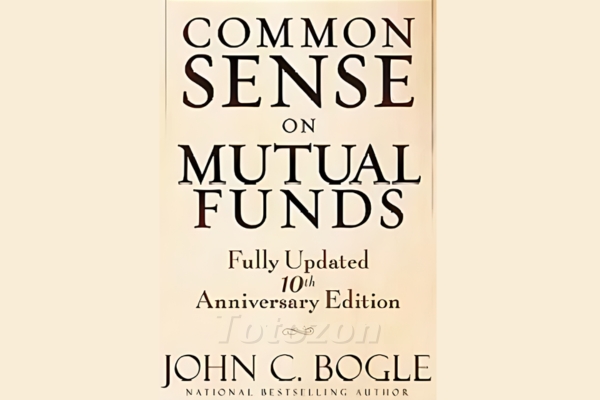 Common Sense on Mutual Funds: Fully Updated 10th Anniversary Edition with John Bogle
1 × $6.00
Common Sense on Mutual Funds: Fully Updated 10th Anniversary Edition with John Bogle
1 × $6.00 -
×
 Gold. Symmetrycs Trading Method with Joseph Rondione
1 × $6.00
Gold. Symmetrycs Trading Method with Joseph Rondione
1 × $6.00 -
×
 Spread Trading Webinar
1 × $6.00
Spread Trading Webinar
1 × $6.00 -
×
 KP Trading Room w/ Paladin and JadeCapFX
1 × $5.00
KP Trading Room w/ Paladin and JadeCapFX
1 × $5.00 -
×
 Chart Pattern Profits
1 × $6.00
Chart Pattern Profits
1 × $6.00 -
×
 E75 Forex System with James de Wet
1 × $6.00
E75 Forex System with James de Wet
1 × $6.00 -
×
 Predicting Market Trends with Periodic Number Cycle
1 × $6.00
Predicting Market Trends with Periodic Number Cycle
1 × $6.00 -
×
 Sacredscience - W.F.Whitehead – Occultism Simplified
1 × $6.00
Sacredscience - W.F.Whitehead – Occultism Simplified
1 × $6.00 -
×
 Market Neutral Strategies with Bruce I.Jacobs & Kenneth N.Levy
1 × $6.00
Market Neutral Strategies with Bruce I.Jacobs & Kenneth N.Levy
1 × $6.00 -
×
 Smart Money Trading Course with Prosperity Academy
1 × $5.00
Smart Money Trading Course with Prosperity Academy
1 × $5.00 -
×
 The A14 Weekly Option Strategy Workshop with Amy Meissner
1 × $23.00
The A14 Weekly Option Strategy Workshop with Amy Meissner
1 × $23.00 -
×
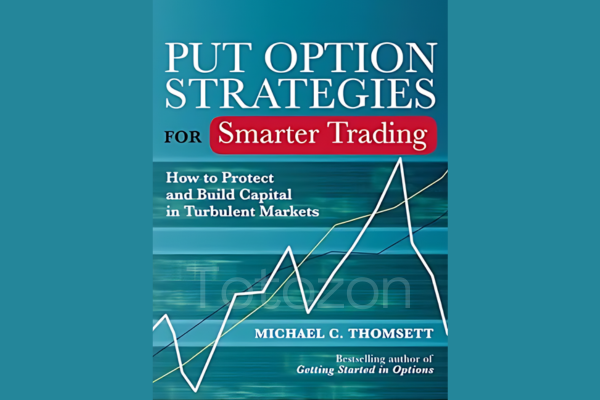 Put Option Strategies for Smarter Trading with Michael Thomsett
1 × $6.00
Put Option Strategies for Smarter Trading with Michael Thomsett
1 × $6.00 -
×
 Foundations of Forex Trading with TradeSmart University
1 × $6.00
Foundations of Forex Trading with TradeSmart University
1 × $6.00 -
×
 Order flow self-study training program with iMFtracker
1 × $10.00
Order flow self-study training program with iMFtracker
1 × $10.00 -
×
 Buying and Selling Volatility with Kevin B.Connolly
1 × $6.00
Buying and Selling Volatility with Kevin B.Connolly
1 × $6.00 -
×
 Crypto Trading Academy with Cheeky Investor - Aussie Day Trader
1 × $13.00
Crypto Trading Academy with Cheeky Investor - Aussie Day Trader
1 × $13.00 -
×
 Elliott Wave Forex Course
1 × $6.00
Elliott Wave Forex Course
1 × $6.00 -
×
 A Trader’s Guide To Discipline
1 × $6.00
A Trader’s Guide To Discipline
1 × $6.00 -
×
 Trading Calendar Spreads with Option Pit
1 × $39.00
Trading Calendar Spreads with Option Pit
1 × $39.00 -
×
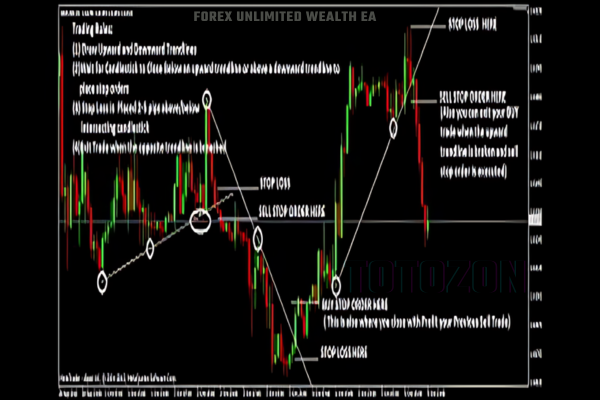 FOREX UNLIMITED WEALTH EA
1 × $6.00
FOREX UNLIMITED WEALTH EA
1 × $6.00 -
×
 Ultimate Trading Course with Dodgy's Dungeon
1 × $8.00
Ultimate Trading Course with Dodgy's Dungeon
1 × $8.00
Expectations Investing with Alfred Rappaport
$6.00
File Size: Cooming soon!
Delivery Time: 1–12 hours
Media Type: Online Course
Content Proof: Watch Here!
You may check content proof of “Expectations Investing with Alfred Rappaport” below:

Expectations Investing with Alfred Rappaport
Introduction
Investing can often seem like a game of chance, but with the right strategies, it becomes a disciplined approach to building wealth. Alfred Rappaport’s concept of Expectations Investing is one such strategy that can help investors make informed decisions. This guide will delve into the principles of Expectations Investing and how you can apply them to enhance your investment portfolio.
Understanding Expectations Investing
What is Expectations Investing?
Expectations Investing is a methodology developed by Alfred Rappaport that focuses on understanding the expectations embedded in stock prices. It helps investors to anticipate the market’s future expectations and to make informed investment decisions accordingly.
Why is Expectations Investing Important?
This approach shifts the focus from traditional valuation metrics to understanding market expectations. By analyzing these expectations, investors can identify mispriced stocks and capitalize on market inefficiencies.
Core Principles of Expectations Investing
1. Analyzing Market Expectations
The first step is to determine the market’s expectations for a company’s future performance. This involves analyzing the stock price to uncover the growth and profitability assumptions embedded in it.
2. Identifying Gaps
Next, investors should identify any gaps between market expectations and their own forecasts. These gaps can indicate potential investment opportunities.
3. Making Informed Decisions
Finally, investors use this information to make informed investment decisions, buying undervalued stocks and selling overvalued ones.
Steps to Implement Expectations Investing
1. Conduct Thorough Research
Begin by gathering information about the company’s financial health, industry position, and competitive advantages. Look at historical performance and future growth prospects.
2. Understand the Current Stock Price
Analyze the current stock price to determine the market’s expectations. This includes examining price-to-earnings ratios, revenue growth rates, and other financial metrics.
3. Develop Your Own Forecast
Based on your research, develop your own forecasts for the company’s future performance. Compare these forecasts with the market’s expectations to identify any discrepancies.
4. Identify Mispriced Stocks
Look for stocks where your expectations differ significantly from the market’s. These mispriced stocks can offer profitable investment opportunities.
5. Make Investment Decisions
Use the insights gained to make informed investment decisions. Buy stocks that are undervalued according to your expectations and consider selling those that are overvalued.
Benefits of Expectations Investing
Enhanced Decision-Making
By focusing on market expectations, investors can make more informed decisions, reducing the risk of emotional investing.
Identifying Opportunities
This approach helps in identifying investment opportunities that might be overlooked by traditional valuation methods.
Improved Portfolio Performance
By capitalizing on mispriced stocks, investors can potentially improve their portfolio performance and achieve better returns.
Challenges of Expectations Investing
Complex Analysis
This methodology requires a deep understanding of financial analysis and forecasting, which can be challenging for novice investors.
Market Volatility
Market expectations can change rapidly due to various factors, making it essential to stay updated with market trends and news.
Data-Driven Approach
A significant amount of data analysis is required, which might be time-consuming and requires access to reliable financial information.
Real-World Application of Expectations Investing
Case Study: Tech Industry
In the tech industry, market expectations are often high due to rapid innovation and growth. Using Expectations Investing, investors can analyze whether these high expectations are justified or if there are opportunities for investment.
Analyzing a Company
For instance, by analyzing a leading tech company’s stock price and market expectations, investors can determine if the current price reflects overly optimistic growth prospects or if the stock is undervalued.
Making Investment Decisions
Based on this analysis, investors can make informed decisions, such as buying undervalued stocks or avoiding overpriced ones.
Conclusion
Expectations Investing with Alfred Rappaport provides a robust framework for making informed investment decisions. By understanding market expectations and identifying discrepancies, investors can uncover valuable opportunities and enhance their portfolio performance. This approach requires thorough research and analysis but offers significant benefits for those willing to invest the time and effort.
Frequently Asked Questions
1. What is the main advantage of Expectations Investing?
The main advantage is the ability to make informed investment decisions based on market expectations rather than solely on traditional valuation metrics.
2. How can I start with Expectations Investing?
Begin by conducting thorough research on the company’s financials and market expectations. Develop your own forecasts and compare them with the market’s.
3. What tools are needed for Expectations Investing?
Tools for financial analysis, forecasting, and access to reliable financial data are essential for implementing this methodology.
4. Can Expectations Investing be applied to all industries?
Yes, this approach can be applied to any industry, though the analysis might differ based on the industry’s specific characteristics.
5. How often should I review my investments?
Regular reviews, at least annually or more frequently if there are significant market changes, are recommended to stay aligned with market expectations.
Be the first to review “Expectations Investing with Alfred Rappaport”
You must be logged in to post a review.
Related products

Forex Trading
Original price was: $850.00.$23.00Current price is: $23.00.

Original price was: $799.00.$15.00Current price is: $15.00.

Original price was: $450.00.$23.00Current price is: $23.00.

Forex Trading
Original price was: $2,000.00.$23.00Current price is: $23.00.

Original price was: $649.00.$20.00Current price is: $20.00.

Forex Trading
Original price was: $499.00.$15.00Current price is: $15.00.

Forex Trading
Original price was: $4,997.00.$27.00Current price is: $27.00.

Forex Trading
Original price was: $2,997.00.$23.00Current price is: $23.00.
Original price was: $310.00.$23.00Current price is: $23.00.

Original price was: $1,200.00.$23.00Current price is: $23.00.
Forex Trading
Original price was: $697.00.$5.00Current price is: $5.00.

Original price was: $497.00.$11.00Current price is: $11.00.

Forex Trading
Original price was: $397.00.$31.00Current price is: $31.00.

Original price was: $895.00.$15.00Current price is: $15.00.

Forex Trading
Original price was: $799.00.$15.00Current price is: $15.00.

Original price was: $139.00.$23.00Current price is: $23.00.

Forex Trading
Original price was: $2,995.00.$31.00Current price is: $31.00.

Forex Trading
Original price was: $1,098.00.$39.00Current price is: $39.00.

Forex Trading
Original price was: $125.00.$17.00Current price is: $17.00.

Forex Trading
Original price was: $550.00.$5.00Current price is: $5.00.

Reviews
There are no reviews yet.