
-
×
 Crash Course Special Edition Set with Chris Martenson
1 × $6.00
Crash Course Special Edition Set with Chris Martenson
1 × $6.00 -
×
 Flagship Trading Course with Llewelyn James
1 × $23.00
Flagship Trading Course with Llewelyn James
1 × $23.00 -
×
 Iconic Trader Program with Urban Forex
1 × $5.00
Iconic Trader Program with Urban Forex
1 × $5.00 -
×
 Trend Hunter Strategy
1 × $5.00
Trend Hunter Strategy
1 × $5.00 -
×
 Fierce 10 On Demand Coaching Program with High Performance Trading
1 × $5.00
Fierce 10 On Demand Coaching Program with High Performance Trading
1 × $5.00 -
×
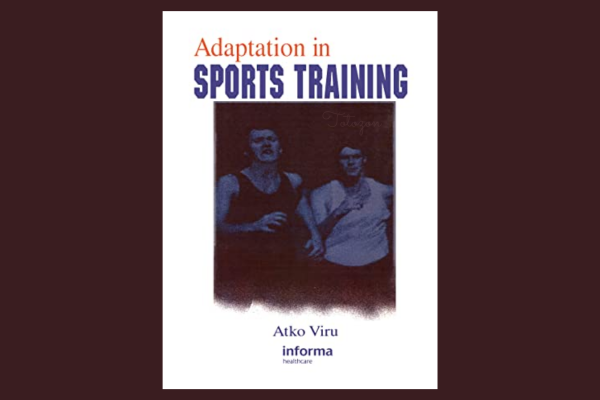 Adaptation in Sports Training (1995) with Atko Viru
1 × $23.00
Adaptation in Sports Training (1995) with Atko Viru
1 × $23.00 -
×
 Harmonic Pattern Detection Indicator
1 × $6.00
Harmonic Pattern Detection Indicator
1 × $6.00 -
×
 Scalp Strategy and Flipping Small Accounts with Opes Trading Group
1 × $5.00
Scalp Strategy and Flipping Small Accounts with Opes Trading Group
1 × $5.00 -
×
 ChartEngineers Course
1 × $5.00
ChartEngineers Course
1 × $5.00 -
×
 Trading Mastery Course 2009
1 × $6.00
Trading Mastery Course 2009
1 × $6.00 -
×
 Vertical Spreads. Strategy Intensive
1 × $4.00
Vertical Spreads. Strategy Intensive
1 × $4.00 -
×
 Lessons from the Greatest Stock Traders of all Time with John Boik
1 × $6.00
Lessons from the Greatest Stock Traders of all Time with John Boik
1 × $6.00 -
×
 One Week S&P Workshop II with Linda Raschke
1 × $5.00
One Week S&P Workshop II with Linda Raschke
1 × $5.00 -
×
 Galactic Trader Seminar
1 × $15.00
Galactic Trader Seminar
1 × $15.00 -
×
 Stock Options Mastery with Jeremy Lefebvre
1 × $23.00
Stock Options Mastery with Jeremy Lefebvre
1 × $23.00 -
×
 Ultimate Gann Course Coaching Safety in The Market COMPLETE 12 Modules with Aaron Lynch
1 × $6.00
Ultimate Gann Course Coaching Safety in The Market COMPLETE 12 Modules with Aaron Lynch
1 × $6.00 -
×
 Understanding the Markets with David Loader
1 × $6.00
Understanding the Markets with David Loader
1 × $6.00 -
×
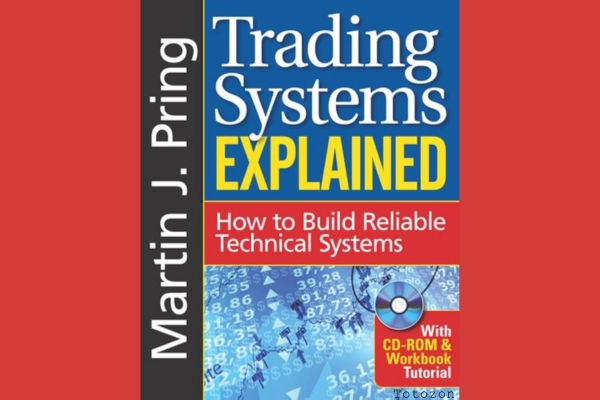 Trading Systems Explained with Martin Pring
1 × $6.00
Trading Systems Explained with Martin Pring
1 × $6.00 -
×
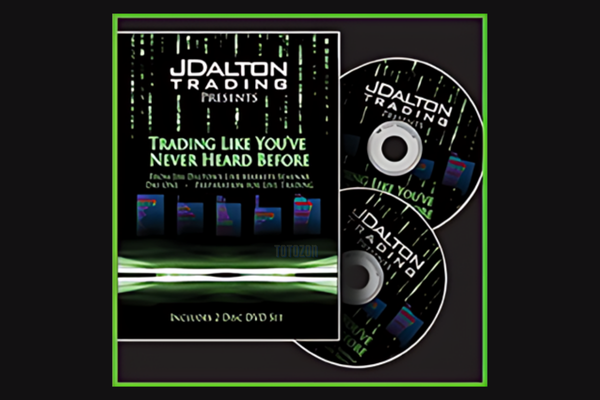 Trading Like You’ve Never Heard Before – Digital Download
1 × $15.00
Trading Like You’ve Never Heard Before – Digital Download
1 × $15.00 -
×
 Crypto Trading Academy with Cheeky Investor - Aussie Day Trader
1 × $13.00
Crypto Trading Academy with Cheeky Investor - Aussie Day Trader
1 × $13.00 -
×
 Advanced Spread Trading with Guy Bower - MasterClass Trader
1 × $15.00
Advanced Spread Trading with Guy Bower - MasterClass Trader
1 × $15.00 -
×
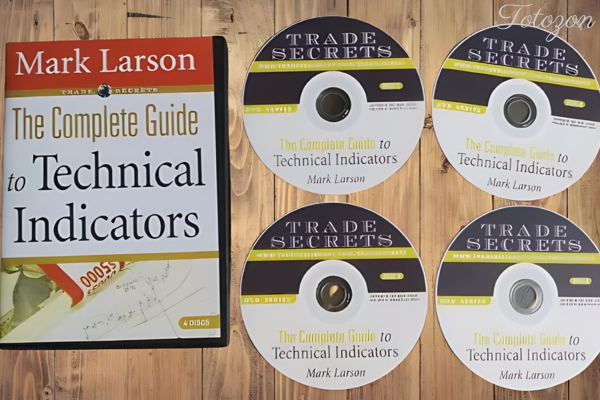 The Complete Guide to Technical Indicators with Mark Larson
1 × $6.00
The Complete Guide to Technical Indicators with Mark Larson
1 × $6.00 -
×
 Hit & Run Trading: The Short-Term Stock Traders Bible (1996) with Jeff Cooper
1 × $6.00
Hit & Run Trading: The Short-Term Stock Traders Bible (1996) with Jeff Cooper
1 × $6.00 -
×
 Trading Using Ocean Theory with Pat Raffolovich
1 × $4.00
Trading Using Ocean Theory with Pat Raffolovich
1 × $4.00 -
×
 Index Funds with Mark Hebner
1 × $6.00
Index Funds with Mark Hebner
1 × $6.00 -
×
 How To Read The Market Professionally with TradeSmart
1 × $27.00
How To Read The Market Professionally with TradeSmart
1 × $27.00 -
×
 Research And Trade Like The Pros with Lex Van Dam & James Helliwell
1 × $15.00
Research And Trade Like The Pros with Lex Van Dam & James Helliwell
1 × $15.00 -
×
 Professional Training Program with OpenTrader
1 × $6.00
Professional Training Program with OpenTrader
1 × $6.00 -
×
 Yield Farming MasterClass Course (2022) with Boss Financial
1 × $5.00
Yield Farming MasterClass Course (2022) with Boss Financial
1 × $5.00 -
×
 The Mango Trade 2017
1 × $6.00
The Mango Trade 2017
1 × $6.00 -
×
 Analysis & Interpretation in Qualitative Market Research with Gill Ereaut
1 × $6.00
Analysis & Interpretation in Qualitative Market Research with Gill Ereaut
1 × $6.00 -
×
 The Prop Trading Code with Brannigan Barrett - Axia Futures
1 × $23.00
The Prop Trading Code with Brannigan Barrett - Axia Futures
1 × $23.00 -
×
 Volume Analysis – Smart Money
1 × $6.00
Volume Analysis – Smart Money
1 × $6.00 -
×
 Four Steps to Trading Economic Indicators
1 × $6.00
Four Steps to Trading Economic Indicators
1 × $6.00 -
×
 Forecast 2024 Clarification with Larry Williams
1 × $15.00
Forecast 2024 Clarification with Larry Williams
1 × $15.00 -
×
 The First Time Investors Workbook with Joe Jonh Duran & Larry Chambers
1 × $6.00
The First Time Investors Workbook with Joe Jonh Duran & Larry Chambers
1 × $6.00 -
×
 Universal Clock with Jeanne Long
1 × $6.00
Universal Clock with Jeanne Long
1 × $6.00 -
×
 Into The Abbys with Black Rabbit
1 × $18.00
Into The Abbys with Black Rabbit
1 × $18.00 -
×
 Vajex Trading Mentorship Program
1 × $13.00
Vajex Trading Mentorship Program
1 × $13.00 -
×
 AI For Traders with Trading Markets
1 × $31.00
AI For Traders with Trading Markets
1 × $31.00 -
×
 Trend Trader PRO Suite Training Course
1 × $5.00
Trend Trader PRO Suite Training Course
1 × $5.00 -
×
 Exploiting Volatility: Mastering Equity and Index Options with David Lerman
1 × $6.00
Exploiting Volatility: Mastering Equity and Index Options with David Lerman
1 × $6.00 -
×
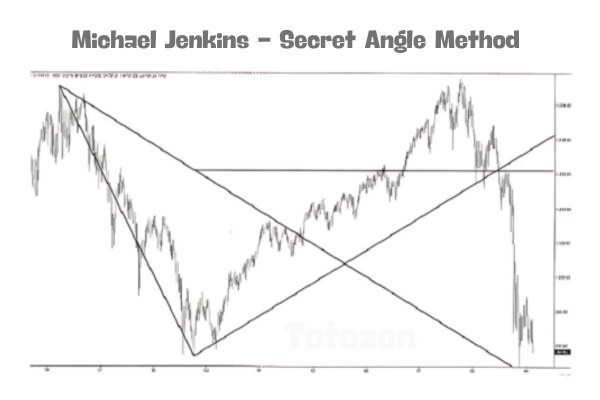 Secret Angle Method with Michael Jenkins
1 × $4.00
Secret Angle Method with Michael Jenkins
1 × $4.00 -
×
 W.D. Gann’s Best Trading Systems with Myles Wilson-Walker
1 × $27.00
W.D. Gann’s Best Trading Systems with Myles Wilson-Walker
1 × $27.00 -
×
 Ultimate Trading Course with Dodgy's Dungeon
1 × $8.00
Ultimate Trading Course with Dodgy's Dungeon
1 × $8.00 -
×
 XJO Quant - High Probability Trading Setups on ASX 200 Index
1 × $31.00
XJO Quant - High Probability Trading Setups on ASX 200 Index
1 × $31.00 -
×
 The Perfect Execution 1-Minute Strategy Course
1 × $6.00
The Perfect Execution 1-Minute Strategy Course
1 × $6.00 -
×
 Volume Trader Course (SMART MONEY SYSTEM-in German)
1 × $139.00
Volume Trader Course (SMART MONEY SYSTEM-in German)
1 × $139.00 -
×
 WondaFX Signature Strategy with WondaFX
1 × $5.00
WondaFX Signature Strategy with WondaFX
1 × $5.00 -
×
 Quantamentals - The Next Great Forefront Of Trading and Investing with Trading Markets
1 × $8.00
Quantamentals - The Next Great Forefront Of Trading and Investing with Trading Markets
1 × $8.00 -
×
 ETFMax
1 × $31.00
ETFMax
1 × $31.00 -
×
 The Traders Battle Plan
1 × $6.00
The Traders Battle Plan
1 × $6.00 -
×
 Option Trader Magazine (optionstradermag.com) with Magazine
1 × $6.00
Option Trader Magazine (optionstradermag.com) with Magazine
1 × $6.00 -
×
 Learn to Trade Forex and Stocks – From Beginner to Advanced
1 × $6.00
Learn to Trade Forex and Stocks – From Beginner to Advanced
1 × $6.00 -
×
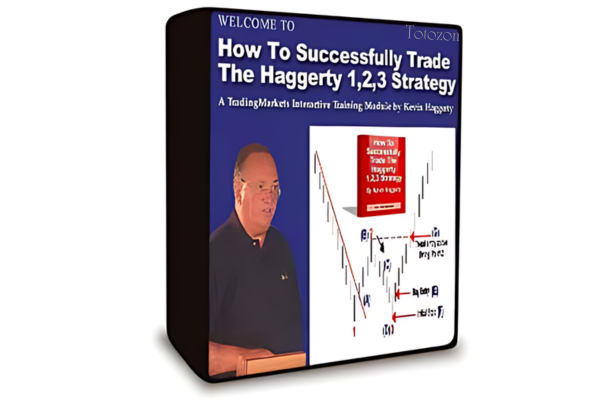 How To Successfully Trade The Haggerty 1,2,3 Strategy Home Study Trading Course with Kevin Haggerty
1 × $6.00
How To Successfully Trade The Haggerty 1,2,3 Strategy Home Study Trading Course with Kevin Haggerty
1 × $6.00 -
×
 Complete Book Set
1 × $8.00
Complete Book Set
1 × $8.00 -
×
 Three Point Reversal Method of Point & Figure Stock Market Trading with A.W.Cohen
1 × $6.00
Three Point Reversal Method of Point & Figure Stock Market Trading with A.W.Cohen
1 × $6.00 -
×
 Evolution Course with Kevin Trades
1 × $15.00
Evolution Course with Kevin Trades
1 × $15.00
ETFs for the Long Run: What They Are, How They Work, and Simple Strategies for Successful Long-Term Investing – Lawrence Carrel
Original price was: $18.00.$6.00Current price is: $6.00.
File Size: Coming soon!
Delivery Time: 1–12 hours
Media Type: Online Course
ETFs for the Long Run: What They Are, How They Work, and Simple Strategies for Successful Long-Term Investing – Lawrence Carrel
Investing can be a daunting task, especially when planning for the long run. Exchange-Traded Funds (ETFs) offer a versatile and efficient way to achieve long-term investment goals. Lawrence Carrel, an expert in the field, provides valuable insights into understanding and leveraging ETFs for successful long-term investing. In this article, we’ll explore what ETFs are, how they function, and effective strategies to maximize their potential.
What are ETFs?
ETFs, or Exchange-Traded Funds, are investment funds traded on stock exchanges, much like individual stocks. They hold assets such as stocks, commodities, or bonds and typically operate with an arbitrage mechanism designed to keep trading close to its net asset value.
Key Features of ETFs
- Diverse Portfolio: ETFs often track an index, offering exposure to a wide range of assets.
- Liquidity: They can be bought and sold throughout the trading day.
- Cost-Effective: Generally, ETFs have lower expense ratios compared to mutual funds.
- Transparency: Holdings of ETFs are usually disclosed daily.
How Do ETFs Work?
ETFs function by pooling together money from many investors to buy a diversified portfolio of assets. They aim to replicate the performance of a specific index or asset class.
Creation and Redemption Mechanism
ETFs are created and redeemed in large units by institutional investors. This process involves the following steps:
- Creation: An institution provides a basket of securities to the ETF provider in exchange for ETF shares.
- Redemption: ETF shares are exchanged for the underlying securities, reducing the ETF supply.
Tracking the Index
ETFs track their respective indexes closely through a process called indexing. This involves replicating the performance of an index by holding the same securities in similar proportions.
Benefits of Investing in ETFs for the Long Run
Investing in ETFs offers several advantages for long-term investors:
Diversification
ETFs provide broad exposure to various asset classes, reducing the risk associated with investing in individual securities.
Cost Efficiency
With typically lower fees and expenses, ETFs help in maximizing returns over the long term.
Flexibility
ETFs can be traded like stocks, allowing investors to react to market conditions and adjust their portfolios accordingly.
Tax Efficiency
ETFs are structured to be tax-efficient, minimizing capital gains taxes through in-kind transfers during creation and redemption.
Simple Strategies for Successful Long-Term Investing with ETFs
Lawrence Carrel emphasizes the importance of a strategic approach to long-term investing in ETFs. Here are some key strategies:
1. Start with a Clear Investment Plan
Define your investment goals, risk tolerance, and time horizon. A clear plan helps in selecting the right ETFs and maintaining discipline.
2. Diversify Across Asset Classes
Investing in ETFs that cover different asset classes (stocks, bonds, commodities) can spread risk and enhance returns.
Examples of Diversified ETFs
- Stock ETFs: SPDR S&P 500 ETF (SPY)
- Bond ETFs: iShares Core U.S. Aggregate Bond ETF (AGG)
- Commodity ETFs: SPDR Gold Shares (GLD)
3. Consider Low-Cost Options
Focus on ETFs with low expense ratios to keep costs down and returns high.
4. Rebalance Your Portfolio Regularly
Periodically review and adjust your portfolio to maintain your desired asset allocation.
5. Stay Informed and Adapt
Keep up with market trends and economic conditions. Adjust your strategy as needed to stay aligned with your long-term goals.
Common Mistakes to Avoid with ETFs
While ETFs offer many benefits, it’s important to avoid common pitfalls:
Overtrading
Frequent buying and selling can erode returns. Stick to your long-term plan and avoid the temptation to time the market.
Ignoring Fees
While ETFs are generally low-cost, some have higher fees than others. Always check the expense ratio before investing.
Failing to Diversify
Investing too heavily in a single ETF or sector can increase risk. Diversify across multiple ETFs to spread risk.
Conclusion
ETFs are a powerful tool for long-term investing, offering diversification, cost efficiency, and flexibility. By understanding how they work and employing strategic investment approaches, you can harness their full potential for your financial goals. Lawrence Carrel’s insights provide a valuable guide for anyone looking to leverage ETFs for successful long-term investing.
FAQs
1. What are ETFs?
- ETFs, or Exchange-Traded Funds, are investment funds traded on stock exchanges that hold a diversified portfolio of assets.
2. How do ETFs work?
- ETFs function by pooling money from investors to buy a diversified portfolio, tracking the performance of a specific index or asset class.
3. What are the benefits of long-term investing in ETFs?
- Benefits include diversification, cost efficiency, flexibility, and tax efficiency.
4. What are some strategies for successful long-term investing with ETFs?
- Strategies include having a clear investment plan, diversifying across asset classes, considering low-cost options, rebalancing regularly, and staying informed.
5. What common mistakes should be avoided with ETFs?
- Avoid overtrading, ignoring fees, and failing to diversify your investments.
Be the first to review “ETFs for the Long Run: What They Are, How They Work, and Simple Strategies for Successful Long-Term Investing – Lawrence Carrel”
You must be logged in to post a review.
Related products
Original price was: $24.00.$6.00Current price is: $6.00.

Original price was: $247.00.$28.00Current price is: $28.00.
Original price was: $997.00.$69.00Current price is: $69.00.

Original price was: $297.00.$31.00Current price is: $31.00.

Original price was: $89.00.$6.00Current price is: $6.00.
Original price was: $1,997.00.$78.00Current price is: $78.00.

Original price was: $72.00.$6.00Current price is: $6.00.
Original price was: $51.00.$6.00Current price is: $6.00.
Original price was: $1,497.00.$15.00Current price is: $15.00.
Reviews
There are no reviews yet.