
-
×
 Sell Premium & Minimize Risk Class with Don Kaufman
1 × $6.00
Sell Premium & Minimize Risk Class with Don Kaufman
1 × $6.00 -
×
 Simpler Options - Double Diagonals Class
1 × $6.00
Simpler Options - Double Diagonals Class
1 × $6.00 -
×
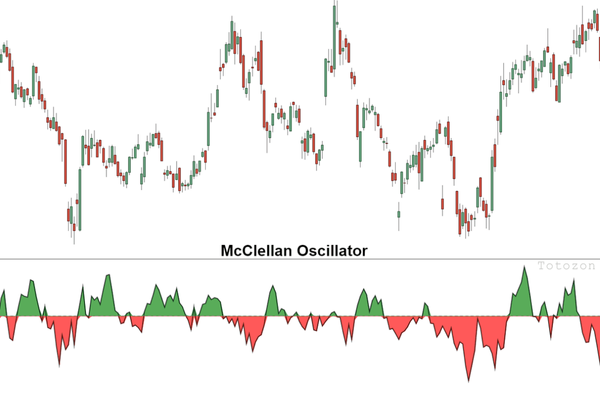 The McClellan Oscillator and Other Tools for with Tom McClellan
1 × $6.00
The McClellan Oscillator and Other Tools for with Tom McClellan
1 × $6.00 -
×
 Traders Edge with Steven Dux
1 × $5.00
Traders Edge with Steven Dux
1 × $5.00 -
×
 Game Plan of a Winning Trader with Mike Podwojski & Vic Noble
1 × $6.00
Game Plan of a Winning Trader with Mike Podwojski & Vic Noble
1 × $6.00 -
×
 Gann Masters II with Hallikers Inc
1 × $6.00
Gann Masters II with Hallikers Inc
1 × $6.00 -
×
 David Landry On Swing Trading
1 × $6.00
David Landry On Swing Trading
1 × $6.00 -
×
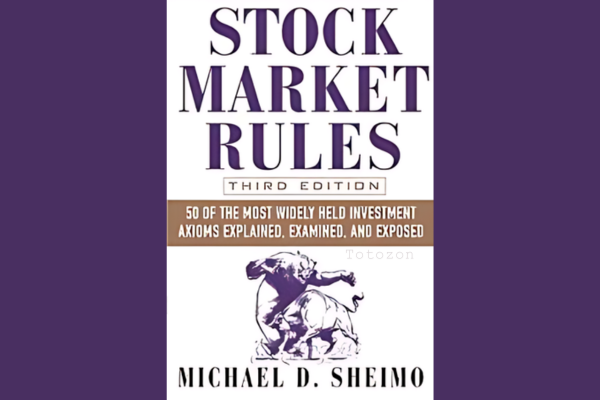 Stock Market Rules (2nd Ed.) with Michael Sheimo
1 × $6.00
Stock Market Rules (2nd Ed.) with Michael Sheimo
1 × $6.00 -
×
 Mastering Risk Modeling with Excel by Alastair Day
1 × $6.00
Mastering Risk Modeling with Excel by Alastair Day
1 × $6.00 -
×
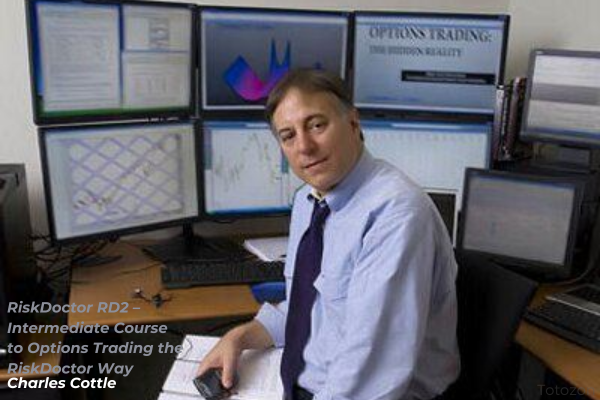 RiskDoctor RD2 – Intermediate Course to Options Trading the RiskDoctor Way - Charles Cottle
1 × $6.00
RiskDoctor RD2 – Intermediate Course to Options Trading the RiskDoctor Way - Charles Cottle
1 × $6.00 -
×
 Derivates Demystified
1 × $6.00
Derivates Demystified
1 × $6.00 -
×
 Pristine - Oliver Velez – Swing Trading Tactics 2001
1 × $6.00
Pristine - Oliver Velez – Swing Trading Tactics 2001
1 × $6.00 -
×
 IncomeMAX Spreads and Straddles with Hari Swaminathan
1 × $15.00
IncomeMAX Spreads and Straddles with Hari Swaminathan
1 × $15.00 -
×
 Slapped by the Invisible Hand: The Panic of 2007 with Gary Gorton
1 × $6.00
Slapped by the Invisible Hand: The Panic of 2007 with Gary Gorton
1 × $6.00 -
×
 Trader University Course
1 × $5.00
Trader University Course
1 × $5.00 -
×
 Get to know the VIX Index (aka The Fear Index)
1 × $15.00
Get to know the VIX Index (aka The Fear Index)
1 × $15.00 -
×
 Pattern, Price & Time: Using Gann Theory in Trading Systems (1st Edition) with James Hyerczyk
1 × $6.00
Pattern, Price & Time: Using Gann Theory in Trading Systems (1st Edition) with James Hyerczyk
1 × $6.00 -
×
 Come Into My Trading Room: A Complete Guide to Trading with Alexander Elder
1 × $6.00
Come Into My Trading Room: A Complete Guide to Trading with Alexander Elder
1 × $6.00 -
×
 DFX Scalping Strategy Course with Disciplined FX
1 × $23.00
DFX Scalping Strategy Course with Disciplined FX
1 × $23.00 -
×
 Advanced Options Trading: Approaches, Tools, and Techniques for Professionals Traders with Kevin Kraus
1 × $6.00
Advanced Options Trading: Approaches, Tools, and Techniques for Professionals Traders with Kevin Kraus
1 × $6.00 -
×
 The Psychology of Investing with John Nofsinger
1 × $6.00
The Psychology of Investing with John Nofsinger
1 × $6.00 -
×
 TradeCraft: Your Path to Peak Performance Trading By Adam Grimes
1 × $15.00
TradeCraft: Your Path to Peak Performance Trading By Adam Grimes
1 × $15.00 -
×
 Square The Range Trading System with Michael Jenkins
1 × $6.00
Square The Range Trading System with Michael Jenkins
1 × $6.00 -
×
 Charting the Major Forex Pairs: Focus on Major Currencies with James Bickford
1 × $6.00
Charting the Major Forex Pairs: Focus on Major Currencies with James Bickford
1 × $6.00 -
×
 Price Action Trading Manual 2010
1 × $6.00
Price Action Trading Manual 2010
1 × $6.00 -
×
 Cracking The Forex Code with Kevin Adams
1 × $6.00
Cracking The Forex Code with Kevin Adams
1 × $6.00 -
×
 The Aggressive Investor. Case Studies with Colin Nicholson
1 × $6.00
The Aggressive Investor. Case Studies with Colin Nicholson
1 × $6.00 -
×
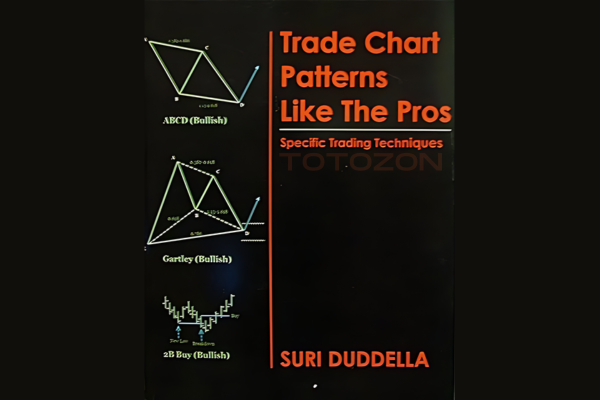 Trade Chart Patterns Like The Pros with Suri Duddella
1 × $6.00
Trade Chart Patterns Like The Pros with Suri Duddella
1 × $6.00 -
×
 Candlestick Secrets For Profiting In Options
1 × $23.00
Candlestick Secrets For Profiting In Options
1 × $23.00 -
×
 E-mini Weekly Options Income with Peter Titus
1 × $15.00
E-mini Weekly Options Income with Peter Titus
1 × $15.00 -
×
 The Random Character of Interest Rates with Joseph Murphy
1 × $6.00
The Random Character of Interest Rates with Joseph Murphy
1 × $6.00 -
×
 Flux Investor Package v2.2.1, (Jan 2016) with Back To The Future Trading
1 × $85.00
Flux Investor Package v2.2.1, (Jan 2016) with Back To The Future Trading
1 × $85.00 -
×
 The Adventures of the Cycle Hunter. The Analyst with Craig Bttlc
1 × $6.00
The Adventures of the Cycle Hunter. The Analyst with Craig Bttlc
1 × $6.00 -
×
 RSD - Alex’s Natural Instinct Method Manifesto
1 × $6.00
RSD - Alex’s Natural Instinct Method Manifesto
1 × $6.00 -
×
 Butterfly and Condor Workshop with Aeromir
1 × $15.00
Butterfly and Condor Workshop with Aeromir
1 × $15.00
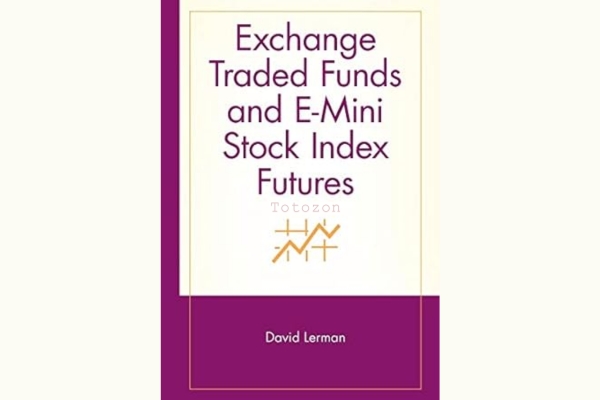
Exchange Traded Funds & E-Mini Stock Index Futures with David Lerman
$6.00
File Size: Coming soon!
Delivery Time: 1–12 hours
Media Type: Online Course
Content Proof: Watch Here!
You may check content proof of “Exchange Traded Funds & E-Mini Stock Index Futures with David Lerman” below:

Exchange Traded Funds & E-Mini Stock Index Futures with David Lerman
Introduction
Navigating the complexities of financial markets can be challenging, but understanding Exchange Traded Funds (ETFs) and E-Mini Stock Index Futures can provide significant advantages. David Lerman, a seasoned financial expert, offers invaluable insights into these instruments. In this article, we explore the nuances of ETFs and E-Mini Stock Index Futures, guided by Lerman’s expertise.
What are Exchange Traded Funds (ETFs)?
ETFs are investment funds traded on stock exchanges, much like stocks. They hold assets such as stocks, commodities, or bonds and generally operate with an arbitrage mechanism designed to keep trading close to its net asset value.
Benefits of ETFs
ETFs offer several advantages:
- Diversification: Spread investments across a wide range of assets.
- Liquidity: Easily tradable on stock exchanges.
- Cost Efficiency: Lower expense ratios compared to mutual funds.
- Transparency: Holdings are publicly disclosed on a daily basis.
Types of ETFs
- Equity ETFs: Invest in stocks.
- Bond ETFs: Invest in bonds.
- Commodity ETFs: Invest in commodities like gold or oil.
- Sector and Industry ETFs: Focus on specific sectors like technology or healthcare.
How to Invest in ETFs
Investing in ETFs involves selecting the right funds that match your investment goals. Consider factors like expense ratios, liquidity, and the fund’s performance history.
Understanding E-Mini Stock Index Futures
E-Mini Stock Index Futures are electronically traded futures contracts that represent a fraction of the value of standard futures contracts. They offer a way to gain exposure to stock market indices.
Benefits of E-Mini Futures
E-Mini Futures provide several advantages:
- Leverage: Control a large position with a relatively small amount of capital.
- Liquidity: High trading volume ensures easy entry and exit.
- Flexibility: Trade nearly 24 hours a day.
- Cost Efficiency: Lower margin requirements compared to full-sized contracts.
Popular E-Mini Contracts
- E-Mini S&P 500: Tracks the S&P 500 Index.
- E-Mini NASDAQ-100: Tracks the NASDAQ-100 Index.
- E-Mini Dow: Tracks the Dow Jones Industrial Average.
Trading Strategies for E-Mini Futures
Developing effective trading strategies is crucial for success with E-Mini Futures. Consider both technical and fundamental analysis.
Technical Analysis Tools
- Moving Averages: Identify trends and reversals.
- Relative Strength Index (RSI): Measure the speed and change of price movements.
- Fibonacci Retracement: Identify potential support and resistance levels.
Fundamental Analysis
Understanding economic indicators and market news can provide insights into the underlying factors driving price movements in E-Mini Futures.
David Lerman’s Approach to ETFs and E-Mini Futures
David Lerman advocates a balanced approach, combining both ETFs and E-Mini Futures to achieve diversified exposure and leverage market opportunities.
Integrating ETFs and E-Mini Futures
Lerman suggests using ETFs for long-term investments and E-Mini Futures for short-term trading strategies, capitalizing on market volatility.
Benefits of Integration
- Diversification: Spread risk across different asset classes.
- Leverage: Use E-Mini Futures to amplify returns.
- Flexibility: Adapt to changing market conditions with a mix of long-term and short-term positions.
Risk Management Techniques
Lerman emphasizes the importance of risk management in trading.
Setting Stop-Loss Orders
Stop-loss orders help limit potential losses by automatically closing a position at a predetermined price.
Position Sizing
Determine the appropriate size for each trade based on your risk tolerance and account size.
Practical Applications
Applying Lerman’s strategies can enhance your trading performance and investment outcomes.
Building a Diversified Portfolio
Use ETFs to build a diversified portfolio that aligns with your investment goals. Combine different types of ETFs to balance risk and return.
Active Trading with E-Mini Futures
Utilize E-Mini Futures for active trading strategies, taking advantage of short-term market movements. Apply technical and fundamental analysis to make informed trading decisions.
Common Mistakes to Avoid
Avoiding common pitfalls can improve your trading success.
Overleveraging
Excessive use of leverage can amplify losses. Use leverage judiciously and within your risk tolerance.
Ignoring Risk Management
Neglecting risk management can lead to significant losses. Always use stop-loss orders and position sizing to manage risk effectively.
Emotional Trading
Avoid making trading decisions based on emotions. Stick to your trading plan and strategies.
Conclusion
Understanding ETFs and E-Mini Stock Index Futures with guidance from David Lerman can significantly enhance your trading and investment strategies. By combining these instruments, employing effective risk management techniques, and avoiding common mistakes, you can achieve diversified exposure and leverage market opportunities for better financial outcomes.
FAQs
1. What are the main benefits of ETFs?
ETFs offer diversification, liquidity, cost efficiency, and transparency, making them an attractive option for investors.
2. How do E-Mini Stock Index Futures work?
E-Mini Futures are electronically traded contracts that represent a fraction of the value of standard futures contracts, providing leveraged exposure to stock market indices.
3. What strategies does David Lerman recommend for E-Mini Futures?
Lerman recommends using a combination of technical and fundamental analysis to develop effective trading strategies for E-Mini Futures.
4. How can I manage risk when trading ETFs and E-Mini Futures?
Risk management techniques include setting stop-loss orders, using appropriate position sizing, and avoiding overleveraging.
5. Why is diversification important in investing?
Diversification helps spread risk across different asset classes, reducing the impact of any single investment on your overall portfolio.
Be the first to review “Exchange Traded Funds & E-Mini Stock Index Futures with David Lerman”
You must be logged in to post a review.
Related products

Forex Trading
Original price was: $2,997.00.$23.00Current price is: $23.00.

Original price was: $1,849.00.$15.00Current price is: $15.00.

Original price was: $197.00.$5.00Current price is: $5.00.

Original price was: $997.00.$8.00Current price is: $8.00.

Forex Trading
Quantamentals – The Next Great Forefront Of Trading and Investing with Trading Markets
Original price was: $1,495.00.$8.00Current price is: $8.00.

Forex Trading
Original price was: $249.00.$15.00Current price is: $15.00.

Forex Trading
Original price was: $999.00.$15.00Current price is: $15.00.

Original price was: $497.00.$31.00Current price is: $31.00.

Original price was: $799.00.$15.00Current price is: $15.00.
Forex Trading
Original price was: $799.00.$15.00Current price is: $15.00.

Original price was: $299.00.$8.00Current price is: $8.00.

Forex Trading
Original price was: $4,997.00.$27.00Current price is: $27.00.

Forex Trading
Original price was: $550.00.$5.00Current price is: $5.00.

Original price was: $1,800.00.$54.00Current price is: $54.00.

Original price was: $695.00.$41.00Current price is: $41.00.

Forex Trading
Original price was: $1,098.00.$39.00Current price is: $39.00.

Original price was: $2,120.00.$15.00Current price is: $15.00.

Original price was: $497.00.$11.00Current price is: $11.00.

Forex Trading
Original price was: $2,995.00.$31.00Current price is: $31.00.

Forex Trading
Original price was: $697.00.$5.00Current price is: $5.00.
Reviews
There are no reviews yet.