
-
×
 Essentials in Quantitative Trading QT01 By HangukQuant's
1 × $23.00
Essentials in Quantitative Trading QT01 By HangukQuant's
1 × $23.00 -
×
 Ultimate Trading Course with Dodgy's Dungeon
1 × $8.00
Ultimate Trading Course with Dodgy's Dungeon
1 × $8.00 -
×
 Turtle Soup Course with ICT Trader Romeo
1 × $5.00
Turtle Soup Course with ICT Trader Romeo
1 × $5.00 -
×
 Ultimate Guide Technical Trading
1 × $23.00
Ultimate Guide Technical Trading
1 × $23.00 -
×
 The Trading Blueprint with Brad Goh - The Trading Geek
1 × $5.00
The Trading Blueprint with Brad Goh - The Trading Geek
1 × $5.00 -
×
 W. D Gann 's Square Of 9 Applied To Modern Markets with Sean Avidar - Hexatrade350
1 × $23.00
W. D Gann 's Square Of 9 Applied To Modern Markets with Sean Avidar - Hexatrade350
1 × $23.00 -
×
 Order flow self-study training program with iMFtracker
1 × $10.00
Order flow self-study training program with iMFtracker
1 × $10.00 -
×
 Tutorials in Applied Technical Analysis with Daryl Guppy
1 × $4.00
Tutorials in Applied Technical Analysis with Daryl Guppy
1 × $4.00 -
×
 Home Run Options Trading Course with Dave Aquino - Base Camp Trading
1 × $11.00
Home Run Options Trading Course with Dave Aquino - Base Camp Trading
1 × $11.00 -
×
 Compass Trading System with Right Line Trading
1 × $39.00
Compass Trading System with Right Line Trading
1 × $39.00 -
×
 TradeCraft: Your Path to Peak Performance Trading By Adam Grimes
1 × $15.00
TradeCraft: Your Path to Peak Performance Trading By Adam Grimes
1 × $15.00 -
×
 Forecast 2024 Clarification with Larry Williams
1 × $15.00
Forecast 2024 Clarification with Larry Williams
1 × $15.00 -
×
 Trading Short TermSame Day Trades Sep 2023 with Dan Sheridan & Mark Fenton - Sheridan Options Mentoring
1 × $31.00
Trading Short TermSame Day Trades Sep 2023 with Dan Sheridan & Mark Fenton - Sheridan Options Mentoring
1 × $31.00 -
×
 Best of the Best: Collars with Amy Meissner & Scott Ruble
1 × $15.00
Best of the Best: Collars with Amy Meissner & Scott Ruble
1 × $15.00 -
×
 Crypto Trading Academy with Cheeky Investor - Aussie Day Trader
1 × $13.00
Crypto Trading Academy with Cheeky Investor - Aussie Day Trader
1 × $13.00 -
×
 The FOREX Blueprint with The Swag Academy
1 × $5.00
The FOREX Blueprint with The Swag Academy
1 × $5.00 -
×
 ICT Prodigy Trading Course – $650K in Payouts with Alex Solignani
1 × $15.00
ICT Prodigy Trading Course – $650K in Payouts with Alex Solignani
1 × $15.00 -
×
 Algo Trading Masterclass with Ali Casey - StatOasis
1 × $23.00
Algo Trading Masterclass with Ali Casey - StatOasis
1 × $23.00 -
×
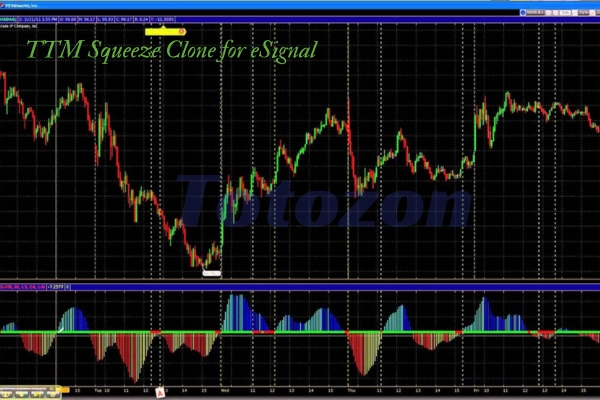 TTM Squeeze Clone for eSignal
1 × $6.00
TTM Squeeze Clone for eSignal
1 × $6.00 -
×
 The Orderflows Trade Opportunities Encyclopedia with Michael Valtos
1 × $8.00
The Orderflows Trade Opportunities Encyclopedia with Michael Valtos
1 × $8.00 -
×
 Two Simple Setups For All Markets (Parts 1, 2, 3) with Rob Hoffman
1 × $31.00
Two Simple Setups For All Markets (Parts 1, 2, 3) with Rob Hoffman
1 × $31.00 -
×
 NQ Full Order Flow Course with Scott Pulcini Trader
1 × $8.00
NQ Full Order Flow Course with Scott Pulcini Trader
1 × $8.00 -
×
 AI For Traders with Trading Markets
1 × $31.00
AI For Traders with Trading Markets
1 × $31.00 -
×
 Trend Following Stocks - Complete Breakout System with Joe Marwood
1 × $6.00
Trend Following Stocks - Complete Breakout System with Joe Marwood
1 × $6.00 -
×
 $20 – 52k 20 pips a day challange with Rafał Zuchowicz - TopMasterTrader
1 × $5.00
$20 – 52k 20 pips a day challange with Rafał Zuchowicz - TopMasterTrader
1 × $5.00 -
×
 The Forex Equinox
1 × $54.00
The Forex Equinox
1 × $54.00 -
×
 The Prop Trading Code with Brannigan Barrett - Axia Futures
1 × $23.00
The Prop Trading Code with Brannigan Barrett - Axia Futures
1 × $23.00 -
×
 Matrix Spread Options Trading Course with Base Camp Trading
1 × $31.00
Matrix Spread Options Trading Course with Base Camp Trading
1 × $31.00 -
×
 Options Trading & Ultimate MasterClass With Tyrone Abela - FX Evolution
1 × $54.00
Options Trading & Ultimate MasterClass With Tyrone Abela - FX Evolution
1 × $54.00 -
×
 0 DTE Options Trading Workshop with Aeromir Corporation
1 × $15.00
0 DTE Options Trading Workshop with Aeromir Corporation
1 × $15.00 -
×
 Momentum Explained. Vol.2 with Martin Pring
1 × $4.00
Momentum Explained. Vol.2 with Martin Pring
1 × $4.00 -
×
 Ultimate Guide to Trading a Portfolio Margin Account
1 × $54.00
Ultimate Guide to Trading a Portfolio Margin Account
1 × $54.00 -
×
 Quantamentals - The Next Great Forefront Of Trading and Investing with Trading Markets
1 × $8.00
Quantamentals - The Next Great Forefront Of Trading and Investing with Trading Markets
1 × $8.00 -
×
 The Situational Order Flow Trading Course with Mike Valtos
1 × $20.00
The Situational Order Flow Trading Course with Mike Valtos
1 × $20.00 -
×
 Crystal Ball Pack PLUS bonus Live Trade By Pat Mitchell - Trick Trades
1 × $20.00
Crystal Ball Pack PLUS bonus Live Trade By Pat Mitchell - Trick Trades
1 × $20.00 -
×
 Ultimate Guide to Stock Investing
1 × $6.00
Ultimate Guide to Stock Investing
1 × $6.00 -
×
 The Best Option Trading Course with David Jaffee - Best Stock Strategy
1 × $15.00
The Best Option Trading Course with David Jaffee - Best Stock Strategy
1 × $15.00 -
×
 The Forex Trading Course: A Self-Study Guide To Becoming a Successful Currency Trader with Abe Cofnas
1 × $6.00
The Forex Trading Course: A Self-Study Guide To Becoming a Successful Currency Trader with Abe Cofnas
1 × $6.00 -
×
 How To Read The Market Professionally with TradeSmart
1 × $27.00
How To Read The Market Professionally with TradeSmart
1 × $27.00 -
×
 Turnaround Trader Formula with Ifan Wei - T3 Live
1 × $23.00
Turnaround Trader Formula with Ifan Wei - T3 Live
1 × $23.00 -
×
 The Orderflow Masterclass with PrimeTrading
1 × $17.00
The Orderflow Masterclass with PrimeTrading
1 × $17.00 -
×
 The Naked Eye: Raw Data Analytics with Edgar Torres - Raw Data Analytics
1 × $8.00
The Naked Eye: Raw Data Analytics with Edgar Torres - Raw Data Analytics
1 × $8.00 -
×
 Scalp Strategy and Flipping Small Accounts with Opes Trading Group
1 × $5.00
Scalp Strategy and Flipping Small Accounts with Opes Trading Group
1 × $5.00 -
×
 WondaFX Signature Strategy with WondaFX
1 × $5.00
WondaFX Signature Strategy with WondaFX
1 × $5.00 -
×
 Two Options Strategies for Every Investor with Karim Rahemtulla
1 × $6.00
Two Options Strategies for Every Investor with Karim Rahemtulla
1 × $6.00 -
×
 TRADING NFX Course with Andrew NFX
1 × $5.00
TRADING NFX Course with Andrew NFX
1 × $5.00 -
×
 Butterfly and Condor Workshop with Aeromir
1 × $15.00
Butterfly and Condor Workshop with Aeromir
1 × $15.00 -
×
 ADVANCED Swing Trading Strategy - Forex Trading Stock Trading
1 × $15.00
ADVANCED Swing Trading Strategy - Forex Trading Stock Trading
1 × $15.00 -
×
 Transparent FX Course
1 × $6.00
Transparent FX Course
1 × $6.00 -
×
 SQX Mentorship with Tip Toe Hippo
1 × $23.00
SQX Mentorship with Tip Toe Hippo
1 × $23.00 -
×
 Deep Dive Butterfly Trading Strategy Class with SJG Trades
1 × $41.00
Deep Dive Butterfly Trading Strategy Class with SJG Trades
1 × $41.00 -
×
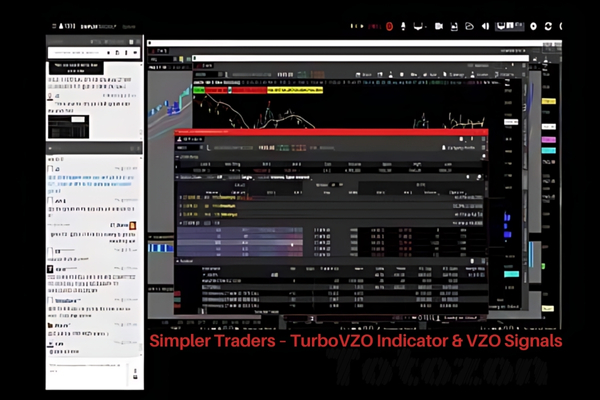 TurboVZO Indicator & VZO Signals (PREMIUM)
1 × $54.00
TurboVZO Indicator & VZO Signals (PREMIUM)
1 × $54.00 -
×
 University Tutorial
1 × $6.00
University Tutorial
1 × $6.00 -
×
 High Probability Trading Using Elliott Wave And Fibonacci Analysis withVic Patel - Forex Training Group
1 × $10.00
High Probability Trading Using Elliott Wave And Fibonacci Analysis withVic Patel - Forex Training Group
1 × $10.00 -
×
 The Complete Guide to Multiple Time Frame Analysis & Reading Price Action with Aiman Almansoori
1 × $13.00
The Complete Guide to Multiple Time Frame Analysis & Reading Price Action with Aiman Almansoori
1 × $13.00 -
×
 The Complete FTMO Challenge Course with Petko Aleksandrov - EA Trading Academy
1 × $5.00
The Complete FTMO Challenge Course with Petko Aleksandrov - EA Trading Academy
1 × $5.00 -
×
 The Indices Orderflow Masterclass with The Forex Scalpers
1 × $23.00
The Indices Orderflow Masterclass with The Forex Scalpers
1 × $23.00 -
×
 Bond Market Course with The Macro Compass
1 × $15.00
Bond Market Course with The Macro Compass
1 × $15.00 -
×
 With LIVE Examples of Forex Trading
1 × $6.00
With LIVE Examples of Forex Trading
1 × $6.00 -
×
 One-way Formula for Trading in Stocks and Commodities with William Dunnigan
1 × $6.00
One-way Formula for Trading in Stocks and Commodities with William Dunnigan
1 × $6.00 -
×
 Advanced Spread Trading with Guy Bower - MasterClass Trader
1 × $15.00
Advanced Spread Trading with Guy Bower - MasterClass Trader
1 × $15.00 -
×
 Winning in Options with Elliott Wave + 5 Options Strategies with Todd Gordon
1 × $23.00
Winning in Options with Elliott Wave + 5 Options Strategies with Todd Gordon
1 × $23.00

ETF Trading Strategies Revealed with David Vomund
$6.00
File Size: Coming soon!
Delivery Time: 1–12 hours
Media Type: Online Course
Content Proof: Watch Here!
You may check content proof of “ETF Trading Strategies Revealed with David Vomund” below:

ETF Trading Strategies Revealed with David Vomund
Exchange-Traded Funds (ETFs) have become increasingly popular among investors due to their flexibility, diversification, and cost-effectiveness. David Vomund, a renowned market analyst, offers valuable insights into effective ETF trading strategies. This article delves into Vomund’s methodologies, providing a comprehensive guide to mastering ETF trading.
Introduction to ETF Trading
What are ETFs?
ETFs are investment funds that trade on stock exchanges, similar to individual stocks. They hold a diversified portfolio of assets, including stocks, bonds, and commodities, offering investors a way to gain exposure to various market sectors.
Who is David Vomund?
David Vomund is a market analyst and author known for his expertise in ETF trading. His strategies focus on leveraging market trends, technical analysis, and risk management to achieve consistent returns.
Core Principles of ETF Trading
1. Diversification
Spreading Risk
ETFs provide built-in diversification by holding a basket of assets. This reduces the risk associated with investing in individual securities.
Sector Exposure
Investors can gain exposure to specific sectors, such as technology, healthcare, or energy, through sector-specific ETFs.
2. Cost-Effectiveness
Low Fees
ETFs typically have lower expense ratios compared to mutual funds, making them a cost-effective investment option.
Tax Efficiency
ETFs are generally more tax-efficient due to their unique structure, which minimizes capital gains distributions.
David Vomund’s ETF Trading Strategies
1. Trend Following
Identifying Trends
Vomund emphasizes the importance of identifying and following market trends. ETFs that track trending sectors or indices can provide substantial returns.
Technical Indicators
Using technical indicators such as moving averages, RSI, and MACD helps identify trends and make informed trading decisions.
2. Mean Reversion
Exploiting Overreactions
Mean reversion strategy involves exploiting market overreactions. When an ETF’s price deviates significantly from its average, it is likely to revert to the mean.
Statistical Tools
Vomund suggests using statistical tools to identify mean reversion opportunities, such as Bollinger Bands and standard deviation channels.
3. Sector Rotation
Cyclical Sectors
Sector rotation involves shifting investments between sectors based on economic cycles. For instance, during economic expansions, cyclical sectors like technology and consumer discretionary may outperform.
Defensive Sectors
During economic downturns, defensive sectors such as utilities and healthcare tend to perform better. Vomund advises rotating into these sectors to protect against market volatility.
Implementing ETF Trading Strategies
1. Developing a Trading Plan
Setting Objectives
Define your investment objectives, risk tolerance, and time horizon to create a tailored ETF trading plan.
2. Choosing the Right ETFs
Research and Selection
Conduct thorough research to select ETFs that align with your trading strategy. Consider factors such as expense ratios, liquidity, and underlying assets.
3. Technical Analysis
Chart Patterns
Identify chart patterns such as head and shoulders, double tops, and triangles to predict future price movements.
Volume Analysis
Analyze trading volume to confirm trends and gauge market strength.
4. Risk Management
Stop-Loss Orders
Use stop-loss orders to limit potential losses by automatically selling ETFs when they reach a predetermined price.
Position Sizing
Determine the size of each trade based on your risk tolerance and account size to avoid overexposure.
Common Challenges and Solutions
1. Market Volatility
Adapting Strategies
Be prepared to adapt your trading strategies in response to changing market conditions. Flexibility is key to managing volatility.
2. Emotional Trading
Maintaining Discipline
Avoid making trading decisions based on emotions. Stick to your trading plan and predefined rules.
3. Overtrading
Quality Over Quantity
Focus on high-quality trading opportunities rather than trying to trade frequently. Overtrading can lead to unnecessary losses.
Case Studies: Success with Vomund’s Strategies
1. Trend Following Success
Real-World Example
A trader uses moving averages to identify a strong uptrend in a technology ETF and enters a long position, resulting in substantial gains.
2. Sector Rotation Success
Rotating into Defensive Sectors
During an economic downturn, a trader rotates investments into healthcare and utilities ETFs, protecting the portfolio from significant losses.
Advanced Techniques for ETF Trading
1. Leveraged ETFs
Amplifying Returns
Leveraged ETFs aim to amplify the returns of the underlying index, providing higher potential gains but also increased risk.
2. Inverse ETFs
Profiting from Declines
Inverse ETFs allow traders to profit from declines in the underlying index, offering a way to hedge against market downturns.
Risk Management in ETF Trading
1. Diversification
Spreading Risk
Diversify your ETF holdings across different sectors and asset classes to reduce overall risk.
2. Continuous Learning
Staying Informed
Stay updated on market news, trends, and economic indicators to make informed trading decisions.
Conclusion
David Vomund’s ETF trading strategies offer a comprehensive approach to capitalizing on market opportunities. By incorporating his techniques and maintaining discipline, traders can enhance their success in the financial markets. Remember, effective risk management and continuous learning are crucial components of successful ETF trading.
FAQs
1. What are ETFs?
ETFs are investment funds that trade on stock exchanges and hold a diversified portfolio of assets, offering investors exposure to various market sectors.
2. Who is David Vomund?
David Vomund is a market analyst and author known for his expertise in ETF trading strategies.
3. What is trend following in ETF trading?
Trend following involves identifying and following market trends to capitalize on the momentum of ETFs tracking trending sectors or indices.
4. How can I manage risk in ETF trading?
Use stop-loss orders, position sizing, and diversification to manage risk effectively in ETF trading.
5. What are leveraged ETFs?
Leveraged ETFs aim to amplify the returns of the underlying index, providing higher potential gains but also increased risk.
Be the first to review “ETF Trading Strategies Revealed with David Vomund”
You must be logged in to post a review.
Related products
Original price was: $450.00.$23.00Current price is: $23.00.
Forex Trading
Original price was: $2,000.00.$23.00Current price is: $23.00.
Original price was: $1,200.00.$23.00Current price is: $23.00.
Original price was: $197.00.$5.00Current price is: $5.00.
Original price was: $895.00.$15.00Current price is: $15.00.

Original price was: $310.00.$23.00Current price is: $23.00.
Forex Trading
Original price was: $499.00.$15.00Current price is: $15.00.
Forex Trading
Original price was: $797.00.$10.00Current price is: $10.00.
Forex Trading
Original price was: $125.00.$17.00Current price is: $17.00.

Original price was: $700.00.$39.00Current price is: $39.00.
Forex Trading
Original price was: $799.00.$15.00Current price is: $15.00.
Original price was: $649.00.$20.00Current price is: $20.00.
Forex Trading
Original price was: $1,098.00.$39.00Current price is: $39.00.
Forex Trading
Original price was: $2,997.00.$23.00Current price is: $23.00.
Original price was: $799.00.$15.00Current price is: $15.00.
Original price was: $299.00.$8.00Current price is: $8.00.
Forex Trading
Original price was: $2,995.00.$31.00Current price is: $31.00.
Original price was: $997.00.$13.00Current price is: $13.00.
Original price was: $497.00.$31.00Current price is: $31.00.
Original price was: $497.00.$11.00Current price is: $11.00.
Reviews
There are no reviews yet.