
-
×
 Quant Edge with T3 Live
1 × $6.00
Quant Edge with T3 Live
1 × $6.00 -
×
 ICT – Inner Circle Trader 2020 Weekly Review
1 × $20.00
ICT – Inner Circle Trader 2020 Weekly Review
1 × $20.00 -
×
 The A to Z of Mathematics: A Basic Guide with Thomas Sidebotham
1 × $6.00
The A to Z of Mathematics: A Basic Guide with Thomas Sidebotham
1 × $6.00 -
×
 The Master Indicator 2023 with Lance Ippolito
1 × $101.00
The Master Indicator 2023 with Lance Ippolito
1 × $101.00 -
×
 Futures Commodity Trading with G. Scott Martin
1 × $6.00
Futures Commodity Trading with G. Scott Martin
1 × $6.00 -
×
 Commodity Options: Trading and Hedging Volatility in the World’s Most Lucrative Market with Carley Garner & Paul Brittain
1 × $6.00
Commodity Options: Trading and Hedging Volatility in the World’s Most Lucrative Market with Carley Garner & Paul Brittain
1 × $6.00 -
×
 Getting Started in Forex Trading Strategies with Michael Duane Archer
1 × $6.00
Getting Started in Forex Trading Strategies with Michael Duane Archer
1 × $6.00 -
×
 The Ticker Investment Digest Articles
1 × $6.00
The Ticker Investment Digest Articles
1 × $6.00 -
×
 Technical Analysis for Short-Term Traders
1 × $6.00
Technical Analysis for Short-Term Traders
1 × $6.00 -
×
 DFX Scalping Strategy Course with Disciplined FX
1 × $23.00
DFX Scalping Strategy Course with Disciplined FX
1 × $23.00 -
×
 Commodity Trading Video Course with Bob Buran
1 × $6.00
Commodity Trading Video Course with Bob Buran
1 × $6.00 -
×
 Algo Trading Masterclass with Ali Casey - StatOasis
1 × $23.00
Algo Trading Masterclass with Ali Casey - StatOasis
1 × $23.00 -
×
 BD FX Course with FX Learning
1 × $6.00
BD FX Course with FX Learning
1 × $6.00 -
×
 Forex Commander Package by Amin Sadak
1 × $6.00
Forex Commander Package by Amin Sadak
1 × $6.00 -
×
 eASCTrend Pro 6.0 Video Tutorials with Ablesys
1 × $6.00
eASCTrend Pro 6.0 Video Tutorials with Ablesys
1 × $6.00 -
×
 The London Close Trade Strategy with Shirley Hudson & Vic Noble
1 × $4.00
The London Close Trade Strategy with Shirley Hudson & Vic Noble
1 × $4.00 -
×
 The Instagram DM Automation Playbook with Natasha Takahashi
1 × $6.00
The Instagram DM Automation Playbook with Natasha Takahashi
1 × $6.00 -
×
 Crash Profits Make Money When Stocks Sink and Soar with Martin D.Weiss
1 × $6.00
Crash Profits Make Money When Stocks Sink and Soar with Martin D.Weiss
1 × $6.00 -
×
 Fibonacci – CCI Workshop Recording Series (2006 & 2008)
1 × $6.00
Fibonacci – CCI Workshop Recording Series (2006 & 2008)
1 × $6.00 -
×
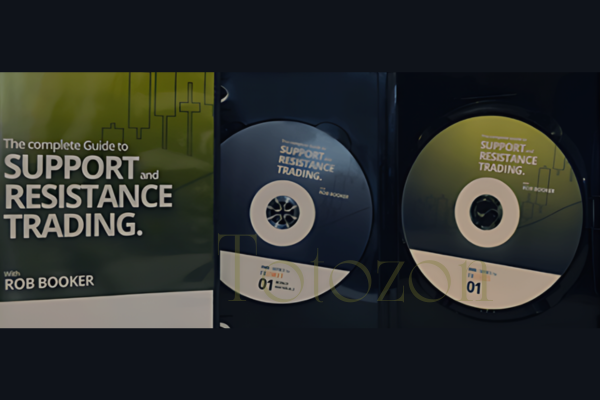 Support and Resistance Trading with Rob Booker
1 × $6.00
Support and Resistance Trading with Rob Booker
1 × $6.00 -
×
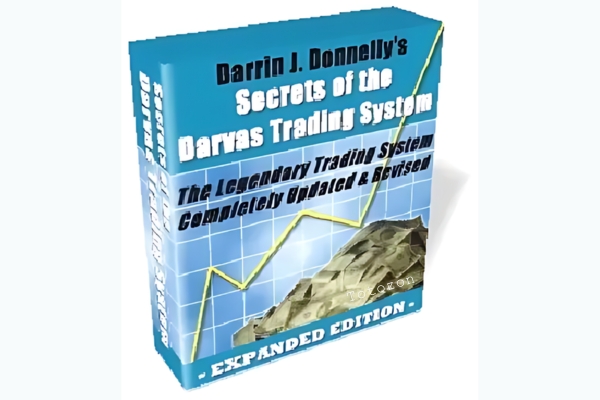 Secrets of the Darvas Trading System
1 × $6.00
Secrets of the Darvas Trading System
1 × $6.00 -
×
 The Naked Eye: Raw Data Analytics with Edgar Torres - Raw Data Analytics
1 × $8.00
The Naked Eye: Raw Data Analytics with Edgar Torres - Raw Data Analytics
1 × $8.00 -
×
 Read the Greed – LIVE!: Vol. II with Mike Reed
1 × $6.00
Read the Greed – LIVE!: Vol. II with Mike Reed
1 × $6.00 -
×
 Supply and Demand Video Course with JamesFXS
1 × $13.00
Supply and Demand Video Course with JamesFXS
1 × $13.00 -
×
 Developing the Psychological Trader’s Edge with Robin Dayne
1 × $6.00
Developing the Psychological Trader’s Edge with Robin Dayne
1 × $6.00 -
×
 Star Traders Forex Intermediate Course I with Karen Foo
1 × $8.00
Star Traders Forex Intermediate Course I with Karen Foo
1 × $8.00 -
×
 Best of Livestock with Timothy Sykes
1 × $5.00
Best of Livestock with Timothy Sykes
1 × $5.00 -
×
 How Do You Read Charts? A Guide to Classic Price Pattern Recognition Class with Professor Jeff Bierman
1 × $6.00
How Do You Read Charts? A Guide to Classic Price Pattern Recognition Class with Professor Jeff Bierman
1 × $6.00 -
×
 Butterfly and Condor Workshop with Aeromir
1 × $15.00
Butterfly and Condor Workshop with Aeromir
1 × $15.00 -
×
 Candlesticks Explained with Martin Pring
1 × $6.00
Candlesticks Explained with Martin Pring
1 × $6.00 -
×
 THE ART OF ADJUSTING IN 2017
1 × $6.00
THE ART OF ADJUSTING IN 2017
1 × $6.00 -
×
 The Correlation Code with Jason Fielder
1 × $6.00
The Correlation Code with Jason Fielder
1 × $6.00 -
×
 Technical Analysis Applications in the Global Currency Markets (2nd Ed.) with Cornelius Luca
1 × $6.00
Technical Analysis Applications in the Global Currency Markets (2nd Ed.) with Cornelius Luca
1 × $6.00 -
×
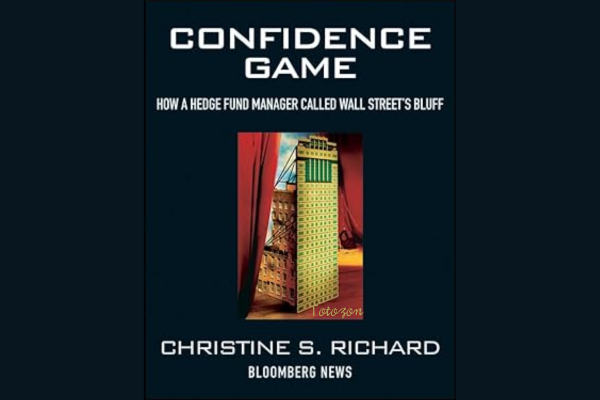 Confidence Game. How a Hadge Fund Manager Called Wall Street’s Bluff with Christine Richard
1 × $6.00
Confidence Game. How a Hadge Fund Manager Called Wall Street’s Bluff with Christine Richard
1 × $6.00 -
×
 The 80% Solution S&P Systems with Bruce Babcock
1 × $6.00
The 80% Solution S&P Systems with Bruce Babcock
1 × $6.00 -
×
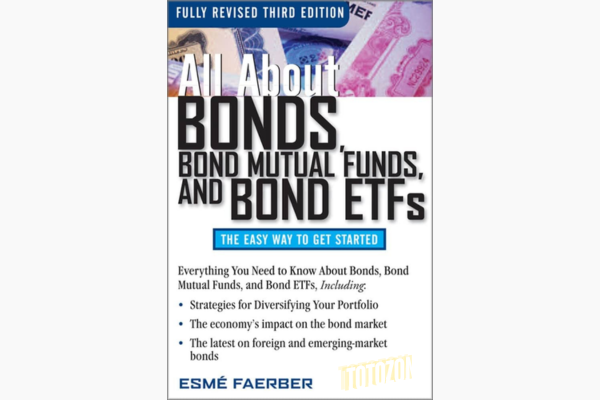 All About Bonds, Bond Mutual Funds & Bond ETFs (3rd Ed.) with Esme Faerber
1 × $6.00
All About Bonds, Bond Mutual Funds & Bond ETFs (3rd Ed.) with Esme Faerber
1 × $6.00 -
×
 Traders Secret Success Package. Symmetry Wave Trading with Michael Gur Dillon
1 × $6.00
Traders Secret Success Package. Symmetry Wave Trading with Michael Gur Dillon
1 × $6.00 -
×
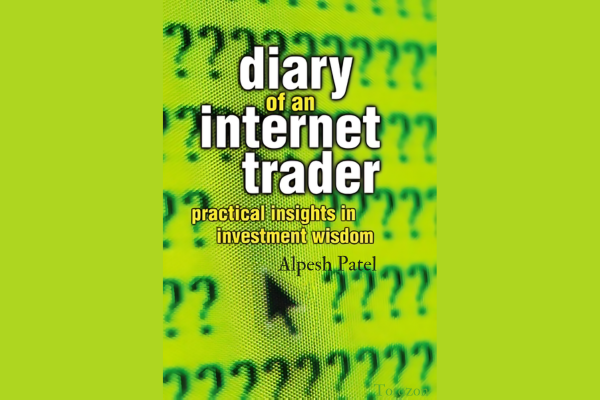 Diary of an Internet Trader with Alpesh Patel
1 × $6.00
Diary of an Internet Trader with Alpesh Patel
1 × $6.00 -
×
 The 10%ers with Trader Mike
1 × $5.00
The 10%ers with Trader Mike
1 × $5.00 -
×
 Exchange-Traded Derivatives with Erik Banks
1 × $6.00
Exchange-Traded Derivatives with Erik Banks
1 × $6.00 -
×
 The Mathematics of Money Management. Risk Analysis Techniques for Traders
1 × $6.00
The Mathematics of Money Management. Risk Analysis Techniques for Traders
1 × $6.00 -
×
 Concerning The More Certain Fundamentals Of Astrology
1 × $6.00
Concerning The More Certain Fundamentals Of Astrology
1 × $6.00 -
×
 Dynamic Time and Price Analysis of Market Trends with Bruce Gilmore
1 × $6.00
Dynamic Time and Price Analysis of Market Trends with Bruce Gilmore
1 × $6.00 -
×
 Forecast 2024 Clarification with Larry Williams
1 × $15.00
Forecast 2024 Clarification with Larry Williams
1 × $15.00 -
×
 Trading Connors VIX Reversals Tradestation Files with Laurence A. Connors & Gregory J. Che
1 × $6.00
Trading Connors VIX Reversals Tradestation Files with Laurence A. Connors & Gregory J. Che
1 × $6.00 -
×
 A Comparison of Twelve Technical Trading Systems with Louis Lukac
1 × $6.00
A Comparison of Twelve Technical Trading Systems with Louis Lukac
1 × $6.00 -
×
 The Orderflow Masterclass with PrimeTrading
1 × $17.00
The Orderflow Masterclass with PrimeTrading
1 × $17.00 -
×
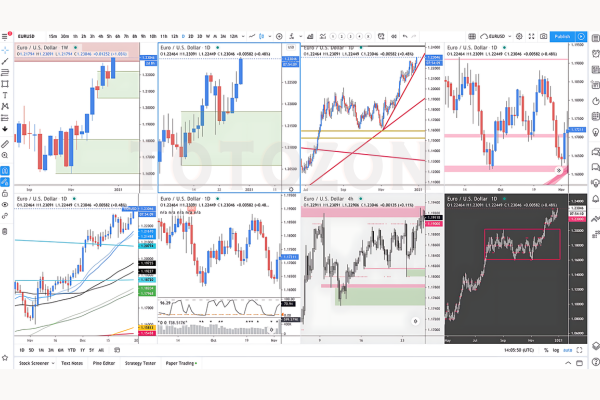 Supply And Demand Zone Trading Course with Trading180
1 × $5.00
Supply And Demand Zone Trading Course with Trading180
1 × $5.00 -
×
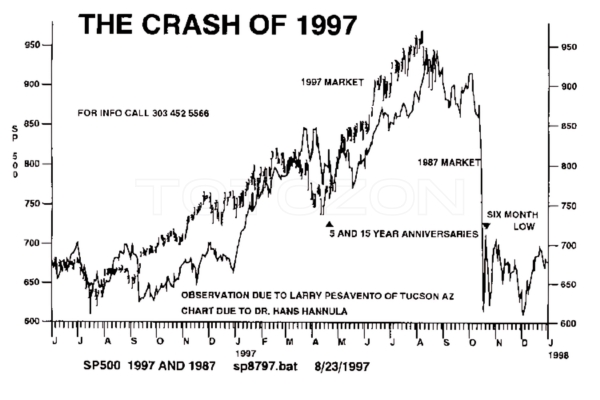 The Crash of 1997 (Article) with Hans Hannula
1 × $6.00
The Crash of 1997 (Article) with Hans Hannula
1 × $6.00 -
×
 SQX Mentorship with Tip Toe Hippo
1 × $23.00
SQX Mentorship with Tip Toe Hippo
1 × $23.00 -
×
 Options 201: Vertical and Calendar Spread Essentials 5 Part Class with Don Kaufman On Demand Replay
1 × $6.00
Options 201: Vertical and Calendar Spread Essentials 5 Part Class with Don Kaufman On Demand Replay
1 × $6.00 -
×
 How To Write High Converting Copy with Tej Dosa
1 × $6.00
How To Write High Converting Copy with Tej Dosa
1 × $6.00 -
×
 The Orderflows Trade Opportunities Encyclopedia with Michael Valtos
1 × $8.00
The Orderflows Trade Opportunities Encyclopedia with Michael Valtos
1 × $8.00 -
×
 Dominate Stocks (Swing Trading) 2023 with J. Bravo
1 × $5.00
Dominate Stocks (Swing Trading) 2023 with J. Bravo
1 × $5.00 -
×
 The Insider's Guide to 52 Homes in 52 Weeks: Acquire Your Real Estate Fortune Today with Dolf De Roos
1 × $6.00
The Insider's Guide to 52 Homes in 52 Weeks: Acquire Your Real Estate Fortune Today with Dolf De Roos
1 × $6.00 -
×
 Volume Profile 2023 (Order Flow Pack) with Trader Dale
1 × $5.00
Volume Profile 2023 (Order Flow Pack) with Trader Dale
1 × $5.00 -
×
 How To Read The Market Professionally with TradeSmart
1 × $27.00
How To Read The Market Professionally with TradeSmart
1 × $27.00 -
×
 Sixpart Study Guide to Market Profile
1 × $6.00
Sixpart Study Guide to Market Profile
1 × $6.00 -
×
 Fundamentals Trading
1 × $6.00
Fundamentals Trading
1 × $6.00 -
×
 The Traders Battle Plan
1 × $6.00
The Traders Battle Plan
1 × $6.00 -
×
 Intro To Trading - 3 Module Bundle
1 × $23.00
Intro To Trading - 3 Module Bundle
1 × $23.00 -
×
 Trading Short TermSame Day Trades Sep 2023 with Dan Sheridan & Mark Fenton - Sheridan Options Mentoring
1 × $31.00
Trading Short TermSame Day Trades Sep 2023 with Dan Sheridan & Mark Fenton - Sheridan Options Mentoring
1 × $31.00 -
×
 Quantamentals - The Next Great Forefront Of Trading and Investing with Trading Markets
1 × $8.00
Quantamentals - The Next Great Forefront Of Trading and Investing with Trading Markets
1 × $8.00 -
×
 Selling Options For A Living Class with Don Kaufman
1 × $6.00
Selling Options For A Living Class with Don Kaufman
1 × $6.00 -
×
 The Sweep Show with Scott Pulcini Trader
1 × $23.00
The Sweep Show with Scott Pulcini Trader
1 × $23.00 -
×
 $20 – 52k 20 pips a day challange with Rafał Zuchowicz - TopMasterTrader
1 × $5.00
$20 – 52k 20 pips a day challange with Rafał Zuchowicz - TopMasterTrader
1 × $5.00
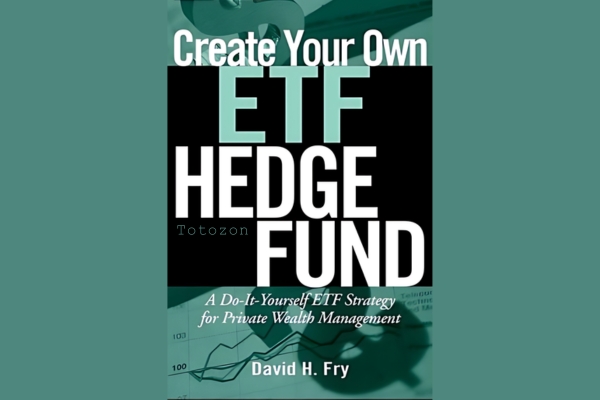
Create Your Own ETF Hedge Fund: A Do-It-Yourself ETF Strategy for Private Wealth Management with David Fry
$6.00
File Size: Coming soon!
Delivery Time: 1–12 hours
Media Type: Online Course
Content Proof: Watch Here!
You may check content proof of “Create Your Own ETF Hedge Fund: A Do-It-Yourself ETF Strategy for Private Wealth Management with David Fry” below:

Create Your Own ETF Hedge Fund: A Do-It-Yourself ETF Strategy for Private Wealth Management with David Fry
Introduction
Creating your own ETF hedge fund can be a powerful strategy for private wealth management. David Fry, a renowned financial expert, provides a comprehensive guide on how to construct and manage a personal ETF hedge fund. This article will delve into Fry’s methodologies, offering practical steps to help you build and optimize your ETF strategy.
What is an ETF Hedge Fund?
An ETF hedge fund is an investment strategy that uses exchange-traded funds (ETFs) to achieve hedging and speculative objectives. Unlike traditional hedge funds, which might require significant capital and complex structures, an ETF hedge fund can be created with relatively modest resources and simpler management.
Benefits of ETF Hedge Funds
- Diversification: Spread risk across various asset classes.
- Liquidity: Easy to buy and sell on major exchanges.
- Cost Efficiency: Lower fees compared to traditional hedge funds.
- Transparency: Clear visibility of holdings and performance.
Diversification
By investing in a broad range of assets through ETFs, you can reduce the risk associated with any single investment.
Liquidity
ETFs are traded like stocks, offering high liquidity which allows for quick adjustments to your portfolio.
Getting Started with Your ETF Hedge Fund
Step 1: Define Your Investment Goals
Establish clear objectives for your ETF hedge fund. Are you looking to generate steady income, achieve capital growth, or protect against market downturns?
Setting SMART Goals
- Specific: Clearly define what you want to achieve.
- Measurable: Set criteria for measuring progress.
- Achievable: Ensure your goals are realistic.
- Relevant: Align with your overall financial objectives.
- Time-bound: Set a deadline for achieving your goals.
Step 2: Understand Different Types of ETFs
There are various types of ETFs, each with its own characteristics and investment focus.
Types of ETFs
- Equity ETFs: Invest in stocks.
- Bond ETFs: Focus on fixed-income securities.
- Commodity ETFs: Invest in physical commodities like gold or oil.
- Sector and Industry ETFs: Target specific sectors such as technology or healthcare.
Equity ETFs
Equity ETFs allow you to invest in a basket of stocks, providing exposure to the stock market while mitigating individual stock risk.
Step 3: Develop a Diversified Portfolio
A well-diversified portfolio reduces risk and enhances potential returns.
Diversification Strategies
- Asset Allocation: Distribute investments across different asset classes.
- Geographical Diversification: Invest in markets from different regions.
- Sector Diversification: Spread investments across various industries.
Step 4: Implement Risk Management Techniques
Managing risk is crucial to the success of your ETF hedge fund.
Risk Management Strategies
- Stop-Loss Orders: Automatically sell investments that fall below a certain price to limit losses.
- Hedging: Use inverse ETFs or options to protect against market downturns.
- Rebalancing: Regularly adjust your portfolio to maintain your desired asset allocation.
Advanced Strategies for Your ETF Hedge Fund
Using Leverage
Leverage can amplify returns but also increases risk. Leveraged ETFs use financial derivatives and debt to magnify the returns of an underlying index.
Pros and Cons of Leveraged ETFs
- Pros: Potential for higher returns.
- Cons: Increased risk and potential for significant losses.
Short Selling
Short selling involves borrowing and selling securities with the intention of buying them back at a lower price.
Short Selling Strategies
- Bearish Market Protection: Profit from declining markets.
- Hedging: Offset potential losses in other investments.
Combining Multiple ETFs
Combining various ETFs can provide comprehensive market exposure and enhance diversification.
Multi-ETF Strategies
- Core-Satellite Approach: Use a core ETF for broad market exposure and satellite ETFs for specific sectors or strategies.
- Thematic Investing: Focus on ETFs that track emerging trends or specific themes like renewable energy or technology innovation.
Monitoring and Adjusting Your Portfolio
Regular Review
Consistently review your portfolio to ensure it aligns with your investment goals and market conditions.
Performance Metrics
- Return on Investment (ROI): Measure the profitability of your investments.
- Sharpe Ratio: Assess risk-adjusted returns.
- Beta: Gauge the volatility relative to the market.
Rebalancing Your Portfolio
Regular rebalancing maintains your desired asset allocation and risk level.
Rebalancing Techniques
- Periodic Rebalancing: Adjust your portfolio at regular intervals (e.g., quarterly, annually).
- Threshold Rebalancing: Rebalance when your asset allocation deviates significantly from your target.
Conclusion
Creating your own ETF hedge fund with guidance from David Fry’s strategies can be a rewarding approach to private wealth management. By understanding the basics, setting clear goals, diversifying your portfolio, and implementing risk management techniques, you can build a robust investment strategy that aligns with your financial objectives.
FAQs
1. What are the benefits of an ETF hedge fund?
An ETF hedge fund offers diversification, liquidity, cost efficiency, and transparency, making it an attractive option for private investors.
2. How do I start an ETF hedge fund?
Start by defining your investment goals, understanding different types of ETFs, developing a diversified portfolio, and implementing risk management techniques.
3. What types of ETFs should I consider for my portfolio?
Consider equity, bond, commodity, and sector-specific ETFs to achieve a well-rounded and diversified portfolio.
4. How often should I review and rebalance my ETF hedge fund?
Regularly review your portfolio’s performance and rebalance at set intervals or when your asset allocation significantly deviates from your target.
5. Can I use leverage in my ETF hedge fund?
Yes, but leverage increases both potential returns and risks, so it should be used cautiously and strategically.
Be the first to review “Create Your Own ETF Hedge Fund: A Do-It-Yourself ETF Strategy for Private Wealth Management with David Fry”
You must be logged in to post a review.
Related products
Forex Trading
Quantamentals – The Next Great Forefront Of Trading and Investing with Trading Markets
Original price was: $1,495.00.$8.00Current price is: $8.00.

Original price was: $2,120.00.$15.00Current price is: $15.00.

Original price was: $1,800.00.$54.00Current price is: $54.00.

Forex Trading
Original price was: $999.00.$15.00Current price is: $15.00.

Original price was: $700.00.$39.00Current price is: $39.00.

Forex Trading
Original price was: $499.00.$15.00Current price is: $15.00.

Forex Trading
Original price was: $239.00.$8.00Current price is: $8.00.

Original price was: $799.00.$15.00Current price is: $15.00.

Original price was: $997.00.$13.00Current price is: $13.00.
Original price was: $299.00.$8.00Current price is: $8.00.

Original price was: $895.00.$15.00Current price is: $15.00.

Forex Trading
Original price was: $2,995.00.$31.00Current price is: $31.00.

Forex Trading
Original price was: $1,098.00.$39.00Current price is: $39.00.

Forex Trading
Original price was: $1,898.00.$10.00Current price is: $10.00.
Forex Trading
Original price was: $249.00.$15.00Current price is: $15.00.

Original price was: $649.00.$20.00Current price is: $20.00.

Original price was: $497.00.$31.00Current price is: $31.00.
Original price was: $997.00.$8.00Current price is: $8.00.
Forex Trading
Original price was: $397.00.$31.00Current price is: $31.00.

Original price was: $695.00.$41.00Current price is: $41.00.
Reviews
There are no reviews yet.