
-
×
 What Every Investor Shoud Know About Accounting Fraud with Jeff Madura
1 × $6.00
What Every Investor Shoud Know About Accounting Fraud with Jeff Madura
1 × $6.00 -
×
 Wave Trading Masterclass: Elliott's Wave Theory/Fibonacci Principles with Wave Trader
1 × $116.00
Wave Trading Masterclass: Elliott's Wave Theory/Fibonacci Principles with Wave Trader
1 × $116.00 -
×
 Speculating with Futures and Traditional Commodities Part II (Liverpool Group) - Noble DraKoln
1 × $6.00
Speculating with Futures and Traditional Commodities Part II (Liverpool Group) - Noble DraKoln
1 × $6.00 -
×
 Amibroker CBT Intensive Course with Matt Radtke
1 × $31.00
Amibroker CBT Intensive Course with Matt Radtke
1 × $31.00 -
×
 Advanced Breakthroughs in Day Trading DVD course with George Angell
1 × $6.00
Advanced Breakthroughs in Day Trading DVD course with George Angell
1 × $6.00 -
×
 FlowRider Trading Course with Boris Schlossberg and Kathy Lien - Bkforex
1 × $15.00
FlowRider Trading Course with Boris Schlossberg and Kathy Lien - Bkforex
1 × $15.00 -
×
 Beat The Market Maker
1 × $62.00
Beat The Market Maker
1 × $62.00 -
×
 7 DAY INTENSIVE ONLINE TRADER TRAINING PROGRAMME with The Trading Framework
1 × $15.00
7 DAY INTENSIVE ONLINE TRADER TRAINING PROGRAMME with The Trading Framework
1 × $15.00 -
×
 Module III - Peak Formation Trades with FX MindShift
1 × $6.00
Module III - Peak Formation Trades with FX MindShift
1 × $6.00 -
×
 Advanced Course with Dimitri Wallace - Gold Minds Global
1 × $6.00
Advanced Course with Dimitri Wallace - Gold Minds Global
1 × $6.00 -
×
 CarterFX Membership with Duran Carter
1 × $23.00
CarterFX Membership with Duran Carter
1 × $23.00 -
×
 Trading double Diagonals 2023 with Dan Sheridan - Sheridan Options Mentoring
1 × $39.00
Trading double Diagonals 2023 with Dan Sheridan - Sheridan Options Mentoring
1 × $39.00 -
×
 WondaFX Signature Strategy with WondaFX
1 × $5.00
WondaFX Signature Strategy with WondaFX
1 × $5.00 -
×
 Learn to Trade Course with Mike Aston
1 × $6.00
Learn to Trade Course with Mike Aston
1 × $6.00 -
×
 ICT Prodigy Trading Course – $650K in Payouts with Alex Solignani
1 × $15.00
ICT Prodigy Trading Course – $650K in Payouts with Alex Solignani
1 × $15.00 -
×
 Buy, Sell or Hold Manage Your Portfolio for Maximum Gain with Michaal Thomsett
1 × $6.00
Buy, Sell or Hold Manage Your Portfolio for Maximum Gain with Michaal Thomsett
1 × $6.00 -
×
 Trading Short TermSame Day Trades Sep 2023 with Dan Sheridan & Mark Fenton - Sheridan Options Mentoring
1 × $31.00
Trading Short TermSame Day Trades Sep 2023 with Dan Sheridan & Mark Fenton - Sheridan Options Mentoring
1 × $31.00 -
×
 We Fund Traders - The Whale Order
1 × $5.00
We Fund Traders - The Whale Order
1 × $5.00 -
×
 The Best of the Professional Traders Journal: Options Trading and Volatility Trading with Larry Connors
1 × $6.00
The Best of the Professional Traders Journal: Options Trading and Volatility Trading with Larry Connors
1 × $6.00 -
×
 Market Controller Course with Controller FX
1 × $5.00
Market Controller Course with Controller FX
1 × $5.00 -
×
 BSAPPS FX Course with Ben Barker
1 × $6.00
BSAPPS FX Course with Ben Barker
1 × $6.00 -
×
 Advanced Nasdaq Trading Techniques with Alan Rich
1 × $6.00
Advanced Nasdaq Trading Techniques with Alan Rich
1 × $6.00 -
×
 Complete Guide to Online Stock Market Investing (2nd Edition) with Alexander Davidson
1 × $6.00
Complete Guide to Online Stock Market Investing (2nd Edition) with Alexander Davidson
1 × $6.00 -
×
 Trading Forex With Market Profile
1 × $15.00
Trading Forex With Market Profile
1 × $15.00 -
×
 W. D Gann 's Square Of 9 Applied To Modern Markets with Sean Avidar - Hexatrade350
1 × $23.00
W. D Gann 's Square Of 9 Applied To Modern Markets with Sean Avidar - Hexatrade350
1 × $23.00 -
×
 Advanced Calculus with Applications in Statistics
1 × $6.00
Advanced Calculus with Applications in Statistics
1 × $6.00 -
×
 How to Trade Stock Options Course
1 × $6.00
How to Trade Stock Options Course
1 × $6.00 -
×
 Advanced Price Action Course with ZenFX
1 × $5.00
Advanced Price Action Course with ZenFX
1 × $5.00 -
×
 Crystal Ball Pack PLUS bonus Live Trade By Pat Mitchell - Trick Trades
1 × $20.00
Crystal Ball Pack PLUS bonus Live Trade By Pat Mitchell - Trick Trades
1 × $20.00 -
×
 Nora Bystra Legacy International Complete Course
1 × $6.00
Nora Bystra Legacy International Complete Course
1 × $6.00 -
×
 Tradingriot Bootcamp + Blueprint 3.0
1 × $6.00
Tradingriot Bootcamp + Blueprint 3.0
1 × $6.00 -
×
 A Non-Random Walk Down Wall Street with Andrew W.Lo
1 × $6.00
A Non-Random Walk Down Wall Street with Andrew W.Lo
1 × $6.00 -
×
 Video Bundle - 4d & "Into The Abyss" with Blackrabbitfx
1 × $6.00
Video Bundle - 4d & "Into The Abyss" with Blackrabbitfx
1 × $6.00 -
×
 Charting Made Easy with John J.Murphy
1 × $6.00
Charting Made Easy with John J.Murphy
1 × $6.00 -
×
 WYCKOFF TRADING COURSE (WTC) PART I – ANALYSIS (Fall 2021) with Roman Bogomazov
1 × $209.00
WYCKOFF TRADING COURSE (WTC) PART I – ANALYSIS (Fall 2021) with Roman Bogomazov
1 × $209.00 -
×
 Beat the Market with Edward O.Thorp
1 × $6.00
Beat the Market with Edward O.Thorp
1 × $6.00 -
×
 9-Day Calendar Deep Dive 2023 with Jay Bailey - Sheridan Options Mentoring
1 × $31.00
9-Day Calendar Deep Dive 2023 with Jay Bailey - Sheridan Options Mentoring
1 × $31.00 -
×
 Market Maker Strategy Video Course with Fractal Flow Pro
1 × $6.00
Market Maker Strategy Video Course with Fractal Flow Pro
1 × $6.00 -
×
 The Ticker Investment Digest Articles
1 × $6.00
The Ticker Investment Digest Articles
1 × $6.00 -
×
 D5 Render Course with Nuno Silva
1 × $27.00
D5 Render Course with Nuno Silva
1 × $27.00 -
×
 The Blueprint for Successful Stock Trading with Jeff Tompkins
1 × $6.00
The Blueprint for Successful Stock Trading with Jeff Tompkins
1 × $6.00 -
×
 NetPicks - Universal Market Trader Course
1 × $6.00
NetPicks - Universal Market Trader Course
1 × $6.00 -
×
 Contrarian Trading Class with Jeff Bierman
1 × $6.00
Contrarian Trading Class with Jeff Bierman
1 × $6.00 -
×
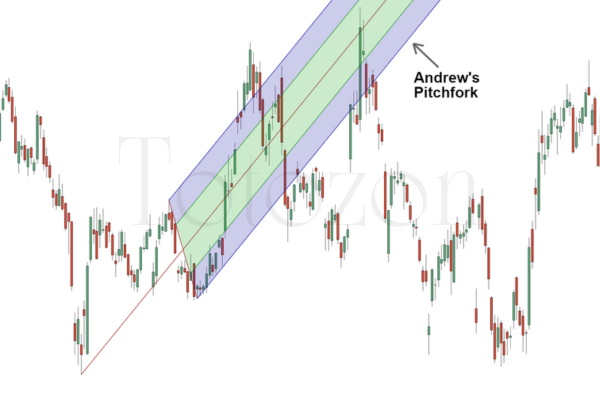 Andrews Pitchfork Basic
1 × $6.00
Andrews Pitchfork Basic
1 × $6.00 -
×
 TRADING NFX Course with Andrew NFX
1 × $5.00
TRADING NFX Course with Andrew NFX
1 × $5.00
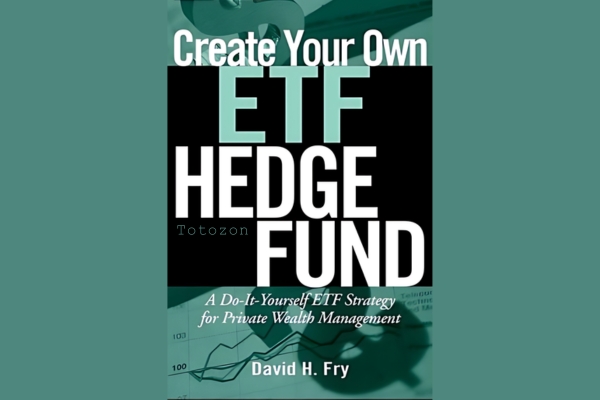
Create Your Own ETF Hedge Fund: A Do-It-Yourself ETF Strategy for Private Wealth Management with David Fry
$6.00
File Size: Coming soon!
Delivery Time: 1–12 hours
Media Type: Online Course
Content Proof: Watch Here!
You may check content proof of “Create Your Own ETF Hedge Fund: A Do-It-Yourself ETF Strategy for Private Wealth Management with David Fry” below:

Create Your Own ETF Hedge Fund: A Do-It-Yourself ETF Strategy for Private Wealth Management with David Fry
Introduction
Creating your own ETF hedge fund can be a powerful strategy for private wealth management. David Fry, a renowned financial expert, provides a comprehensive guide on how to construct and manage a personal ETF hedge fund. This article will delve into Fry’s methodologies, offering practical steps to help you build and optimize your ETF strategy.
What is an ETF Hedge Fund?
An ETF hedge fund is an investment strategy that uses exchange-traded funds (ETFs) to achieve hedging and speculative objectives. Unlike traditional hedge funds, which might require significant capital and complex structures, an ETF hedge fund can be created with relatively modest resources and simpler management.
Benefits of ETF Hedge Funds
- Diversification: Spread risk across various asset classes.
- Liquidity: Easy to buy and sell on major exchanges.
- Cost Efficiency: Lower fees compared to traditional hedge funds.
- Transparency: Clear visibility of holdings and performance.
Diversification
By investing in a broad range of assets through ETFs, you can reduce the risk associated with any single investment.
Liquidity
ETFs are traded like stocks, offering high liquidity which allows for quick adjustments to your portfolio.
Getting Started with Your ETF Hedge Fund
Step 1: Define Your Investment Goals
Establish clear objectives for your ETF hedge fund. Are you looking to generate steady income, achieve capital growth, or protect against market downturns?
Setting SMART Goals
- Specific: Clearly define what you want to achieve.
- Measurable: Set criteria for measuring progress.
- Achievable: Ensure your goals are realistic.
- Relevant: Align with your overall financial objectives.
- Time-bound: Set a deadline for achieving your goals.
Step 2: Understand Different Types of ETFs
There are various types of ETFs, each with its own characteristics and investment focus.
Types of ETFs
- Equity ETFs: Invest in stocks.
- Bond ETFs: Focus on fixed-income securities.
- Commodity ETFs: Invest in physical commodities like gold or oil.
- Sector and Industry ETFs: Target specific sectors such as technology or healthcare.
Equity ETFs
Equity ETFs allow you to invest in a basket of stocks, providing exposure to the stock market while mitigating individual stock risk.
Step 3: Develop a Diversified Portfolio
A well-diversified portfolio reduces risk and enhances potential returns.
Diversification Strategies
- Asset Allocation: Distribute investments across different asset classes.
- Geographical Diversification: Invest in markets from different regions.
- Sector Diversification: Spread investments across various industries.
Step 4: Implement Risk Management Techniques
Managing risk is crucial to the success of your ETF hedge fund.
Risk Management Strategies
- Stop-Loss Orders: Automatically sell investments that fall below a certain price to limit losses.
- Hedging: Use inverse ETFs or options to protect against market downturns.
- Rebalancing: Regularly adjust your portfolio to maintain your desired asset allocation.
Advanced Strategies for Your ETF Hedge Fund
Using Leverage
Leverage can amplify returns but also increases risk. Leveraged ETFs use financial derivatives and debt to magnify the returns of an underlying index.
Pros and Cons of Leveraged ETFs
- Pros: Potential for higher returns.
- Cons: Increased risk and potential for significant losses.
Short Selling
Short selling involves borrowing and selling securities with the intention of buying them back at a lower price.
Short Selling Strategies
- Bearish Market Protection: Profit from declining markets.
- Hedging: Offset potential losses in other investments.
Combining Multiple ETFs
Combining various ETFs can provide comprehensive market exposure and enhance diversification.
Multi-ETF Strategies
- Core-Satellite Approach: Use a core ETF for broad market exposure and satellite ETFs for specific sectors or strategies.
- Thematic Investing: Focus on ETFs that track emerging trends or specific themes like renewable energy or technology innovation.
Monitoring and Adjusting Your Portfolio
Regular Review
Consistently review your portfolio to ensure it aligns with your investment goals and market conditions.
Performance Metrics
- Return on Investment (ROI): Measure the profitability of your investments.
- Sharpe Ratio: Assess risk-adjusted returns.
- Beta: Gauge the volatility relative to the market.
Rebalancing Your Portfolio
Regular rebalancing maintains your desired asset allocation and risk level.
Rebalancing Techniques
- Periodic Rebalancing: Adjust your portfolio at regular intervals (e.g., quarterly, annually).
- Threshold Rebalancing: Rebalance when your asset allocation deviates significantly from your target.
Conclusion
Creating your own ETF hedge fund with guidance from David Fry’s strategies can be a rewarding approach to private wealth management. By understanding the basics, setting clear goals, diversifying your portfolio, and implementing risk management techniques, you can build a robust investment strategy that aligns with your financial objectives.
FAQs
1. What are the benefits of an ETF hedge fund?
An ETF hedge fund offers diversification, liquidity, cost efficiency, and transparency, making it an attractive option for private investors.
2. How do I start an ETF hedge fund?
Start by defining your investment goals, understanding different types of ETFs, developing a diversified portfolio, and implementing risk management techniques.
3. What types of ETFs should I consider for my portfolio?
Consider equity, bond, commodity, and sector-specific ETFs to achieve a well-rounded and diversified portfolio.
4. How often should I review and rebalance my ETF hedge fund?
Regularly review your portfolio’s performance and rebalance at set intervals or when your asset allocation significantly deviates from your target.
5. Can I use leverage in my ETF hedge fund?
Yes, but leverage increases both potential returns and risks, so it should be used cautiously and strategically.
Be the first to review “Create Your Own ETF Hedge Fund: A Do-It-Yourself ETF Strategy for Private Wealth Management with David Fry”
You must be logged in to post a review.
Related products

Forex Trading
Original price was: $797.00.$10.00Current price is: $10.00.

Original price was: $997.00.$13.00Current price is: $13.00.

Forex Trading
Original price was: $125.00.$17.00Current price is: $17.00.

Forex Trading
Original price was: $799.00.$15.00Current price is: $15.00.
Original price was: $139.00.$23.00Current price is: $23.00.

Forex Trading
Original price was: $2,997.00.$23.00Current price is: $23.00.

Original price was: $1,200.00.$23.00Current price is: $23.00.

Forex Trading
Original price was: $4,997.00.$27.00Current price is: $27.00.
Forex Trading
Original price was: $397.00.$31.00Current price is: $31.00.

Original price was: $299.00.$8.00Current price is: $8.00.

Forex Trading
Original price was: $239.00.$8.00Current price is: $8.00.
Forex Trading
Original price was: $500.00.$5.00Current price is: $5.00.

Forex Trading
Original price was: $1,898.00.$10.00Current price is: $10.00.
Original price was: $2,120.00.$15.00Current price is: $15.00.

Original price was: $997.00.$8.00Current price is: $8.00.
Original price was: $649.00.$20.00Current price is: $20.00.

Original price was: $4,995.00.$15.00Current price is: $15.00.

Forex Trading
Original price was: $2,000.00.$23.00Current price is: $23.00.

Original price was: $1,849.00.$15.00Current price is: $15.00.

Original price was: $310.00.$23.00Current price is: $23.00.
Reviews
There are no reviews yet.