
-
×
 Candlesticks Explained with Martin Pring
1 × $6.00
Candlesticks Explained with Martin Pring
1 × $6.00 -
×
 Compass Trading System with Right Line Trading
1 × $39.00
Compass Trading System with Right Line Trading
1 × $39.00 -
×
 Floor Traders Edge Mentorship Program with Market Geeks
1 × $6.00
Floor Traders Edge Mentorship Program with Market Geeks
1 × $6.00 -
×
 The Complete Guide to Option Selling, 2nd 2009 with James Cordier & Michael Gross
1 × $6.00
The Complete Guide to Option Selling, 2nd 2009 with James Cordier & Michael Gross
1 × $6.00 -
×
 The Next Great Bull Market with Matthew McCall
1 × $6.00
The Next Great Bull Market with Matthew McCall
1 × $6.00 -
×
 FOREX Master Blueprint 2010 - 1 DVD + Manual with Forexmentor Frank Paul
1 × $6.00
FOREX Master Blueprint 2010 - 1 DVD + Manual with Forexmentor Frank Paul
1 × $6.00 -
×
 Forex Candlestick System. High Profit Forex Trading with B.M.Davis
1 × $6.00
Forex Candlestick System. High Profit Forex Trading with B.M.Davis
1 × $6.00 -
×
 Boomer Quick Profits Day Trading Course
1 × $23.00
Boomer Quick Profits Day Trading Course
1 × $23.00 -
×
 SJG Trading - Butterflies Class with Steve Ganz
1 × $31.00
SJG Trading - Butterflies Class with Steve Ganz
1 × $31.00 -
×
 Traders Secret Code Complete Course with Mark McRae
1 × $6.00
Traders Secret Code Complete Course with Mark McRae
1 × $6.00 -
×
 The Orderflow Masterclass with PrimeTrading
1 × $17.00
The Orderflow Masterclass with PrimeTrading
1 × $17.00 -
×
 Wealth Management with Dimitris Chorafas
1 × $6.00
Wealth Management with Dimitris Chorafas
1 × $6.00 -
×
 Advances in International Investments: Traditional and Alternative Approaches with Hung-Gay Fung, Xiaoqing Eleanor Xu & Jot Yau
1 × $6.00
Advances in International Investments: Traditional and Alternative Approaches with Hung-Gay Fung, Xiaoqing Eleanor Xu & Jot Yau
1 × $6.00 -
×
 Candlestick Charts with Clive Lambert
1 × $6.00
Candlestick Charts with Clive Lambert
1 × $6.00 -
×
 Candlestick and Pivot Point Trading Triggers with John Person
1 × $6.00
Candlestick and Pivot Point Trading Triggers with John Person
1 × $6.00 -
×
 European Members - March 2023 with Stockbee
1 × $5.00
European Members - March 2023 with Stockbee
1 × $5.00 -
×
 The Complete Guide to Multiple Time Frame Analysis & Reading Price Action with Aiman Almansoori
1 × $13.00
The Complete Guide to Multiple Time Frame Analysis & Reading Price Action with Aiman Almansoori
1 × $13.00 -
×
 Day Trading and Swing Trading Futures with Price Action by Humberto Malaspina
1 × $5.00
Day Trading and Swing Trading Futures with Price Action by Humberto Malaspina
1 × $5.00 -
×
 A Comparison of Popular Trading Systems (2nd Ed.) with Lars Kestner
1 × $6.00
A Comparison of Popular Trading Systems (2nd Ed.) with Lars Kestner
1 × $6.00 -
×
 Engineering Analysis: Interactive Methods and Programs with FORTRAN, QuickBASIC, MATLAB, and Mathematica with Yen-Ching Pao
1 × $6.00
Engineering Analysis: Interactive Methods and Programs with FORTRAN, QuickBASIC, MATLAB, and Mathematica with Yen-Ching Pao
1 × $6.00 -
×
 Secrets of the Darvas Trading System
1 × $6.00
Secrets of the Darvas Trading System
1 × $6.00 -
×
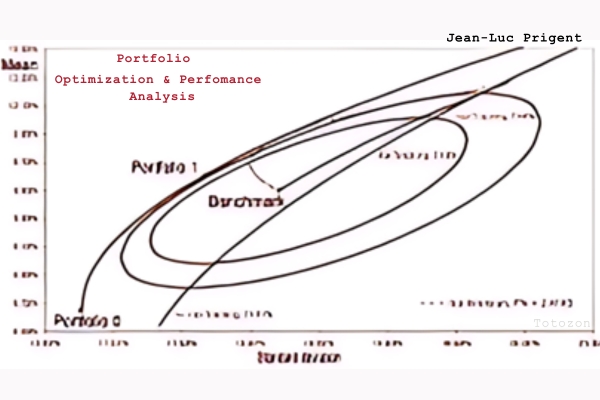 Portfolio Optimization & Perfomance Analysis with Jean-Luc Prigent
1 × $6.00
Portfolio Optimization & Perfomance Analysis with Jean-Luc Prigent
1 × $6.00 -
×
 Forex Trading Plan - Learn How To Set SMART Trading Goals! with Anas Abba & FXMindTrix Academy
1 × $6.00
Forex Trading Plan - Learn How To Set SMART Trading Goals! with Anas Abba & FXMindTrix Academy
1 × $6.00 -
×
 The Precision Profit Float Indicator (TS Code & Setups) with Steve Woods
1 × $6.00
The Precision Profit Float Indicator (TS Code & Setups) with Steve Woods
1 × $6.00 -
×
 Confidence to Hypnotize
1 × $6.00
Confidence to Hypnotize
1 × $6.00 -
×
 Supply and Demand Video Course with JamesFXS
1 × $13.00
Supply and Demand Video Course with JamesFXS
1 × $13.00 -
×
 Capital Asset Investment with Anthony F.Herbst
1 × $6.00
Capital Asset Investment with Anthony F.Herbst
1 × $6.00 -
×
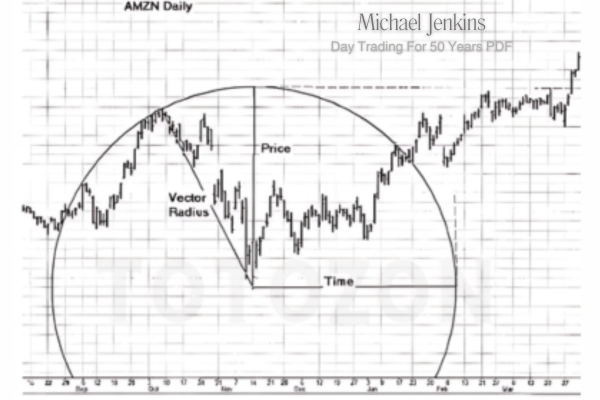 Day Trading For 50 Years PDF with Michael Jenkins
1 × $6.00
Day Trading For 50 Years PDF with Michael Jenkins
1 × $6.00 -
×
 Capital with Charles D.Ellis
1 × $6.00
Capital with Charles D.Ellis
1 × $6.00 -
×
 High Probability Trading Using Elliott Wave And Fibonacci Analysis withVic Patel - Forex Training Group
1 × $10.00
High Probability Trading Using Elliott Wave And Fibonacci Analysis withVic Patel - Forex Training Group
1 × $10.00 -
×
 Sacredscience - Edward Johndro – Collected Articles
1 × $6.00
Sacredscience - Edward Johndro – Collected Articles
1 × $6.00 -
×
 The Python for Traders Masterclass with Mr James
1 × $10.00
The Python for Traders Masterclass with Mr James
1 × $10.00 -
×
 Essentials in Quantitative Trading QT01 By HangukQuant's
1 × $23.00
Essentials in Quantitative Trading QT01 By HangukQuant's
1 × $23.00 -
×
 The Best of the Professional Traders Journal. Market Timing with Larry Connors
1 × $6.00
The Best of the Professional Traders Journal. Market Timing with Larry Connors
1 × $6.00 -
×
 Complete Times Course with Afshin Taghechian
1 × $6.00
Complete Times Course with Afshin Taghechian
1 × $6.00 -
×
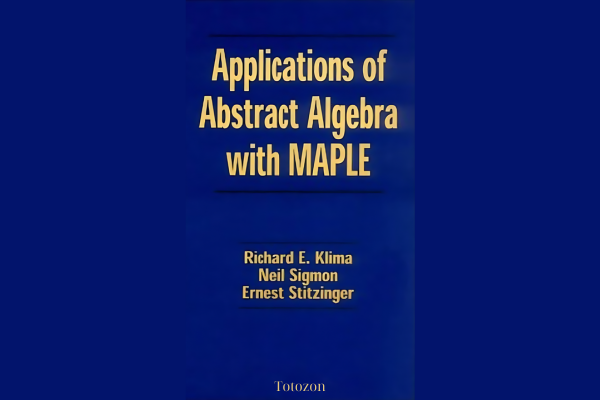 Applications of Abstract Algebra with Maple - Richard E.Kline, Neil Sigmon, Ernst Stitzinger
1 × $6.00
Applications of Abstract Algebra with Maple - Richard E.Kline, Neil Sigmon, Ernst Stitzinger
1 × $6.00 -
×
 Equity Valuation for Analysts and Investors: A Unique Stock Valuation Tool for Financial Statement Analysis and Model-Building with James Kelleher
1 × $6.00
Equity Valuation for Analysts and Investors: A Unique Stock Valuation Tool for Financial Statement Analysis and Model-Building with James Kelleher
1 × $6.00 -
×
 Short Swing Trading v6.0 with David Smith
1 × $6.00
Short Swing Trading v6.0 with David Smith
1 × $6.00 -
×
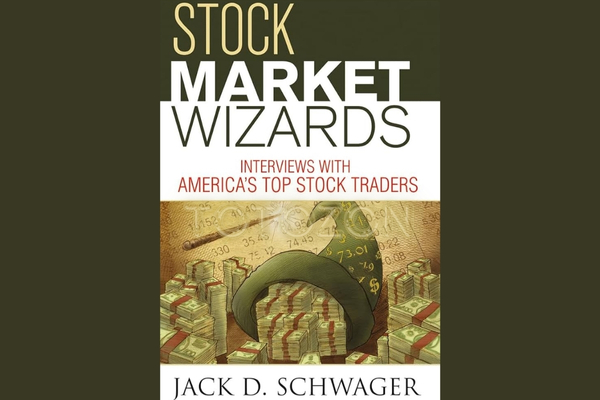 Stock Market Wizards Interviews with America’s Top Stock Traders - Jack Schwager
1 × $6.00
Stock Market Wizards Interviews with America’s Top Stock Traders - Jack Schwager
1 × $6.00 -
×
 The M21 Strategy
1 × $15.00
The M21 Strategy
1 × $15.00 -
×
 Stock Selection Course with Dave Landry
1 × $6.00
Stock Selection Course with Dave Landry
1 × $6.00 -
×
 Stock Trader`s Almanac 2012 with Jeffrey Hirsch & Yale Hirsch
1 × $6.00
Stock Trader`s Almanac 2012 with Jeffrey Hirsch & Yale Hirsch
1 × $6.00 -
×
 Selective Forex Trading with Don Snellgrove
1 × $6.00
Selective Forex Trading with Don Snellgrove
1 × $6.00 -
×
 Forex Time Machine with Bill Poulos
1 × $6.00
Forex Time Machine with Bill Poulos
1 × $6.00 -
×
 Capital On Demand Masterclass with Attorney & Nate Dodson
1 × $311.00
Capital On Demand Masterclass with Attorney & Nate Dodson
1 × $311.00 -
×
 Investing Guide For New Investor with Alfred Scillitani
1 × $6.00
Investing Guide For New Investor with Alfred Scillitani
1 × $6.00 -
×
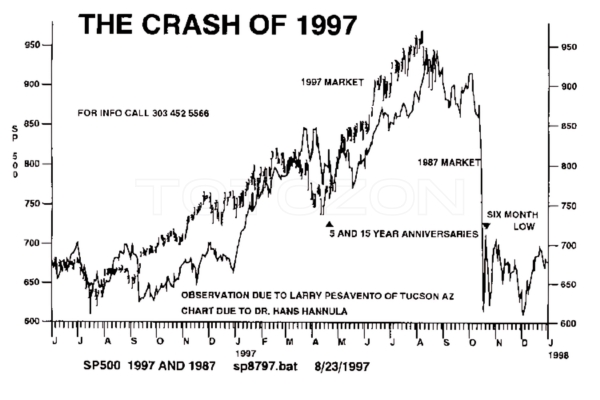 The Crash of 1997 (Article) with Hans Hannula
1 × $6.00
The Crash of 1997 (Article) with Hans Hannula
1 × $6.00 -
×
 Trading with Wave59 with Earik Beann
1 × $6.00
Trading with Wave59 with Earik Beann
1 × $6.00 -
×
 Cotton Trading Manual with Terry Townsend
1 × $6.00
Cotton Trading Manual with Terry Townsend
1 × $6.00 -
×
 Asset Allocation for the Individual Investor with CFA Institute
1 × $6.00
Asset Allocation for the Individual Investor with CFA Institute
1 × $6.00 -
×
 The Geography of Money with Benjamin J.Cohen
1 × $6.00
The Geography of Money with Benjamin J.Cohen
1 × $6.00 -
×
 An Introduction to Option Trading Success with James Bittman
1 × $6.00
An Introduction to Option Trading Success with James Bittman
1 × $6.00 -
×
 Teresa Lo's PowerTools for eSignal (Dec. 2006) (powerswings.com)
1 × $6.00
Teresa Lo's PowerTools for eSignal (Dec. 2006) (powerswings.com)
1 × $6.00 -
×
 7 DAY INTENSIVE ONLINE TRADER TRAINING PROGRAMME with The Trading Framework
1 × $15.00
7 DAY INTENSIVE ONLINE TRADER TRAINING PROGRAMME with The Trading Framework
1 × $15.00 -
×
 Home Run Options Trading Course with Dave Aquino - Base Camp Trading
1 × $11.00
Home Run Options Trading Course with Dave Aquino - Base Camp Trading
1 × $11.00

Analysis of Equity Investments: Valuation with John Stowe, Thomas Robinson, Jerald Pinto & Dennis McLeavey
$6.00
File Size: Coming soon!
Delivery Time: 1–12 hours
Media Type: Online Course
Content Proof: Watch Here!
You may check content proof of “Analysis of Equity Investments: Valuation with John Stowe, Thomas Robinson, Jerald Pinto & Dennis McLeavey ” below:

Analysis of Equity Investments: Valuation with John Stowe, Thomas Robinson, Jerald Pinto & Dennis McLeavey
Investing in equities requires a deep understanding of valuation techniques to make informed decisions. “Analysis of Equity Investments: Valuation” by John Stowe, Thomas Robinson, Jerald Pinto, and Dennis McLeavey provides comprehensive insights into this critical aspect of investing. In this article, we will explore key concepts and methodologies presented in their work, helping you grasp the essentials of equity valuation.
Introduction to Equity Valuation
What is Equity Valuation?
Equity valuation is the process of determining the intrinsic value of a company’s stock. It involves analyzing financial statements, market conditions, and various valuation models to estimate a fair price.
Why is Equity Valuation Important?
Understanding the true value of a stock helps investors make better decisions, avoid overpaying, and identify undervalued opportunities.
Core Concepts in Equity Valuation
Intrinsic Value
The intrinsic value is the perceived true value of a company, calculated through various valuation methods. It differs from the market value, which can be influenced by market sentiment.
Market Efficiency
Market efficiency refers to how quickly and accurately stock prices reflect all available information. The Efficient Market Hypothesis (EMH) suggests that it is difficult to consistently outperform the market through expert stock selection or market timing.
Valuation Methods
Discounted Cash Flow (DCF) Analysis
DCF analysis involves estimating future cash flows and discounting them to present value. This method is widely used for its detailed approach to valuing a company’s financial health.
Steps in DCF Analysis
- Estimate Future Cash Flows: Project the company’s free cash flows over a specific period.
- Determine the Discount Rate: Often the company’s weighted average cost of capital (WACC).
- Calculate Present Value: Discount future cash flows to their present value.
- Sum the Present Values: This gives the intrinsic value of the company.
Relative Valuation
Relative valuation compares a company’s value to that of its peers using multiples like Price/Earnings (P/E), Price/Book (P/B), and EV/EBITDA.
Common Multiples Used
- P/E Ratio: Price per share divided by earnings per share.
- P/B Ratio: Price per share divided by book value per share.
- EV/EBITDA: Enterprise value divided by earnings before interest, taxes, depreciation, and amortization.
Asset-Based Valuation
This method values a company based on the value of its assets minus liabilities. It is particularly useful for firms with significant tangible assets.
Advanced Valuation Techniques
Residual Income Model
The residual income model focuses on the income generated by a company after accounting for the cost of capital. It is useful for valuing firms with irregular cash flows.
Economic Value Added (EVA)
EVA is a measure of a company’s financial performance based on residual wealth, calculated by deducting the cost of capital from its operating profit.
Factors Affecting Valuation
Macroeconomic Factors
Economic indicators such as interest rates, inflation, and GDP growth impact stock valuation. For instance, rising interest rates may lower stock prices as borrowing costs increase.
Industry Trends
Industry-specific trends and competitive dynamics can significantly influence a company’s valuation.
Company-Specific Factors
These include the firm’s management quality, competitive position, financial health, and growth prospects.
Common Pitfalls in Equity Valuation
Over-Reliance on Models
While models provide a structured approach, over-reliance on them without considering qualitative factors can lead to inaccurate valuations.
Ignoring Macroeconomic Conditions
Failing to account for broader economic conditions can skew valuation results.
Inaccurate Financial Projections
Unrealistic financial projections can lead to erroneous intrinsic value calculations.
Practical Applications of Equity Valuation
Investment Decision Making
Equity valuation is crucial for making informed investment decisions, whether buying, selling, or holding stocks.
Portfolio Management
Valuation helps in maintaining a balanced portfolio by identifying overvalued and undervalued stocks.
Conclusion
Equity valuation is an indispensable tool for investors aiming to make sound financial decisions. “Analysis of Equity Investments: Valuation” by John Stowe, Thomas Robinson, Jerald Pinto, and Dennis McLeavey offers an in-depth exploration of these concepts, providing a solid foundation for both novice and experienced investors.
FAQs
1. What is the difference between intrinsic value and market value?
Intrinsic value is the perceived true value of a stock based on fundamental analysis, while market value is the current price at which the stock trades in the market.
2. Why is the Discounted Cash Flow (DCF) method popular?
DCF is popular because it provides a detailed and thorough analysis of a company’s future cash flows and discounts them to present value, offering a clear picture of its financial health.
3. How does market efficiency affect stock prices?
Market efficiency ensures that stock prices reflect all available information, making it challenging to consistently outperform the market through stock selection or timing.
4. What are the key factors influencing equity valuation?
Key factors include macroeconomic conditions, industry trends, and company-specific factors such as management quality and financial health.
5. Why is it important to consider qualitative factors in valuation?
Qualitative factors, such as management quality and industry dynamics, provide context and insights that purely quantitative models might miss, leading to a more accurate valuation.
Be the first to review “Analysis of Equity Investments: Valuation with John Stowe, Thomas Robinson, Jerald Pinto & Dennis McLeavey”
You must be logged in to post a review.
Related products

Original price was: $4,995.00.$15.00Current price is: $15.00.
Original price was: $497.00.$11.00Current price is: $11.00.

Original price was: $450.00.$23.00Current price is: $23.00.

Original price was: $1,849.00.$15.00Current price is: $15.00.

Original price was: $997.00.$8.00Current price is: $8.00.
Forex Trading
Original price was: $797.00.$10.00Current price is: $10.00.

Forex Trading
Original price was: $4,997.00.$27.00Current price is: $27.00.

Forex Trading
Original price was: $697.00.$5.00Current price is: $5.00.

Forex Trading
Original price was: $500.00.$5.00Current price is: $5.00.

Forex Trading
Original price was: $499.00.$15.00Current price is: $15.00.

Original price was: $799.00.$15.00Current price is: $15.00.

Original price was: $2,120.00.$15.00Current price is: $15.00.

Forex Trading
Original price was: $799.00.$15.00Current price is: $15.00.

Original price was: $895.00.$15.00Current price is: $15.00.

Original price was: $695.00.$41.00Current price is: $41.00.

Forex Trading
Original price was: $550.00.$5.00Current price is: $5.00.
Forex Trading
Original price was: $125.00.$17.00Current price is: $17.00.

Original price was: $1,800.00.$54.00Current price is: $54.00.

Forex Trading
Original price was: $239.00.$8.00Current price is: $8.00.

Original price was: $700.00.$39.00Current price is: $39.00.

Reviews
There are no reviews yet.