
-
×
 Euro Trading Course with Bkforex
1 × $6.00
Euro Trading Course with Bkforex
1 × $6.00 -
×
 Stock Market Rules (3rd Ed.) with Michael Sheimo
1 × $6.00
Stock Market Rules (3rd Ed.) with Michael Sheimo
1 × $6.00 -
×
 The 4 Horsemen CD with David Elliott
1 × $6.00
The 4 Horsemen CD with David Elliott
1 × $6.00 -
×
 Ezaih Academy 2024 Mentorship with Ezaih
1 × $54.00
Ezaih Academy 2024 Mentorship with Ezaih
1 × $54.00 -
×
 X-Factor Day-Trading
1 × $5.00
X-Factor Day-Trading
1 × $5.00 -
×
 How I Turned 500 USD to 6 Figures in 2 months Trading Options with The Money Printers
1 × $8.00
How I Turned 500 USD to 6 Figures in 2 months Trading Options with The Money Printers
1 × $8.00 -
×
 The A14 Weekly Option Strategy Workshop with Amy Meissner
1 × $23.00
The A14 Weekly Option Strategy Workshop with Amy Meissner
1 × $23.00 -
×
 Asset Allocation for the Individual Investor with CFA Institute
1 × $6.00
Asset Allocation for the Individual Investor with CFA Institute
1 × $6.00 -
×
 Systems Mastery Course with Chris Dover - Pollinate Trading
1 × $5.00
Systems Mastery Course with Chris Dover - Pollinate Trading
1 × $5.00 -
×
 $20 – 52k 20 pips a day challange with Rafał Zuchowicz - TopMasterTrader
1 × $5.00
$20 – 52k 20 pips a day challange with Rafał Zuchowicz - TopMasterTrader
1 × $5.00 -
×
 7 Steps to Success Trading Options Online with Larry Spears
1 × $4.00
7 Steps to Success Trading Options Online with Larry Spears
1 × $4.00 -
×
 Order flow self-study training program with iMFtracker
1 × $10.00
Order flow self-study training program with iMFtracker
1 × $10.00 -
×
 The Any Hour Trading System with Markets Mastered
1 × $6.00
The Any Hour Trading System with Markets Mastered
1 × $6.00 -
×
 WYCKOFF TRADING COURSE (WTC) PART I – ANALYSIS (Fall 2021) with Roman Bogomazov
1 × $209.00
WYCKOFF TRADING COURSE (WTC) PART I – ANALYSIS (Fall 2021) with Roman Bogomazov
1 × $209.00 -
×
 A Complete Course in Option Trading Fundamentals with Joseph Frey
1 × $6.00
A Complete Course in Option Trading Fundamentals with Joseph Frey
1 × $6.00 -
×
 Capital Asset Investment with Anthony F.Herbst
1 × $6.00
Capital Asset Investment with Anthony F.Herbst
1 × $6.00 -
×
 The Trading Masterclass with Chris Capre
1 × $23.00
The Trading Masterclass with Chris Capre
1 × $23.00 -
×
 Simpler Options - Insider’s Guide to Generating Income using Options Strategies Course (Oct 2014)
1 × $6.00
Simpler Options - Insider’s Guide to Generating Income using Options Strategies Course (Oct 2014)
1 × $6.00 -
×
 Trading Natural Resources in a Volatile Market with Kevin Kerr
1 × $6.00
Trading Natural Resources in a Volatile Market with Kevin Kerr
1 × $6.00 -
×
 Examination Morning Session – Essay (2003) with CFA Level 3
1 × $6.00
Examination Morning Session – Essay (2003) with CFA Level 3
1 × $6.00 -
×
 The Dynamic Trading Master Course with Robert Miner
1 × $54.00
The Dynamic Trading Master Course with Robert Miner
1 × $54.00 -
×
 Best of the Best: Collars with Amy Meissner & Scott Ruble
1 × $15.00
Best of the Best: Collars with Amy Meissner & Scott Ruble
1 × $15.00 -
×
 Forex Strategy Master with Russ Horn
1 × $6.00
Forex Strategy Master with Russ Horn
1 × $6.00 -
×
 What Products to Watch and Why Class with Don Kaufman
1 × $6.00
What Products to Watch and Why Class with Don Kaufman
1 × $6.00 -
×
 Candlestick & Pivot Point Strategies with John L.Person
1 × $6.00
Candlestick & Pivot Point Strategies with John L.Person
1 × $6.00 -
×
 Wyckoff Analytics Courses Collection
1 × $27.00
Wyckoff Analytics Courses Collection
1 × $27.00 -
×
 Forex Breakthrough Academy
1 × $31.00
Forex Breakthrough Academy
1 × $31.00 -
×
 Technical Analysis for Short-Term Traders
1 × $6.00
Technical Analysis for Short-Term Traders
1 × $6.00 -
×
 Big Boy Volume Spread Analysis + Advanced Price Action Mastery Course with Kai Sheng Chew
1 × $15.00
Big Boy Volume Spread Analysis + Advanced Price Action Mastery Course with Kai Sheng Chew
1 × $15.00 -
×
 Technical Analysis for the Trading Professional with Constance Brown
1 × $6.00
Technical Analysis for the Trading Professional with Constance Brown
1 × $6.00 -
×
 The Ultimate Trading Resource with Clayton Bell, Alex Viscusi & Ben Chaffee
1 × $6.00
The Ultimate Trading Resource with Clayton Bell, Alex Viscusi & Ben Chaffee
1 × $6.00 -
×
 Pattern- Price & Time. Using Gann Theory in Trading Systems (2nd Ed.)
1 × $6.00
Pattern- Price & Time. Using Gann Theory in Trading Systems (2nd Ed.)
1 × $6.00 -
×
 AllStreet Investing - Master the Market LEVEL 2 - DAYTRADING
1 × $23.00
AllStreet Investing - Master the Market LEVEL 2 - DAYTRADING
1 × $23.00 -
×
 Master The Markets 2.0 with French Trader
1 × $6.00
Master The Markets 2.0 with French Trader
1 × $6.00 -
×
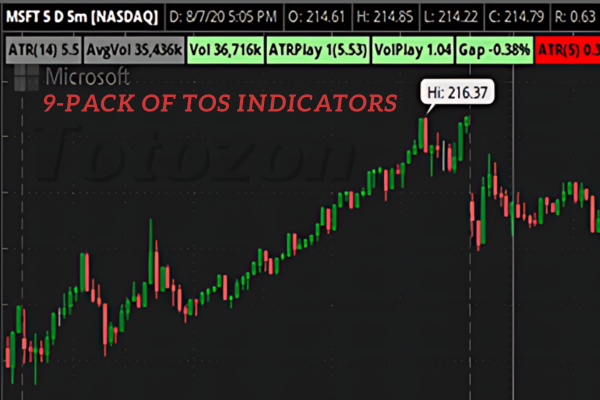 9-Pack of TOS Indicators
1 × $6.00
9-Pack of TOS Indicators
1 × $6.00 -
×
 Empirical Market Microstructure
1 × $6.00
Empirical Market Microstructure
1 × $6.00 -
×
 Equities with Peter Martin
1 × $6.00
Equities with Peter Martin
1 × $6.00 -
×
 A Course in Trading with Donald Mack & Wetsel Market Bureau
1 × $6.00
A Course in Trading with Donald Mack & Wetsel Market Bureau
1 × $6.00 -
×
 Secrets of An Electronic Futures Trader with Larry Levin
1 × $6.00
Secrets of An Electronic Futures Trader with Larry Levin
1 × $6.00 -
×
 The Methodology Revealed with Nick Santiago & Gareth Soloway - InTheMoneyStocks
1 × $209.00
The Methodology Revealed with Nick Santiago & Gareth Soloway - InTheMoneyStocks
1 × $209.00 -
×
 A PLAN TO MAKE $4K MONTHLY ON $20K with Dan Sheridan - Sheridan Options Mentoring
1 × $15.00
A PLAN TO MAKE $4K MONTHLY ON $20K with Dan Sheridan - Sheridan Options Mentoring
1 × $15.00 -
×
 Trade Options Like a DPM with The Admiral Webinar Series with Hamzei Analytics
1 × $6.00
Trade Options Like a DPM with The Admiral Webinar Series with Hamzei Analytics
1 × $6.00 -
×
 Formula to a Fortune with Steve Briese, Glen Ring
1 × $6.00
Formula to a Fortune with Steve Briese, Glen Ring
1 × $6.00 -
×
 The Afluent Desktop Currency Trader with Amin Sadak
1 × $6.00
The Afluent Desktop Currency Trader with Amin Sadak
1 × $6.00 -
×
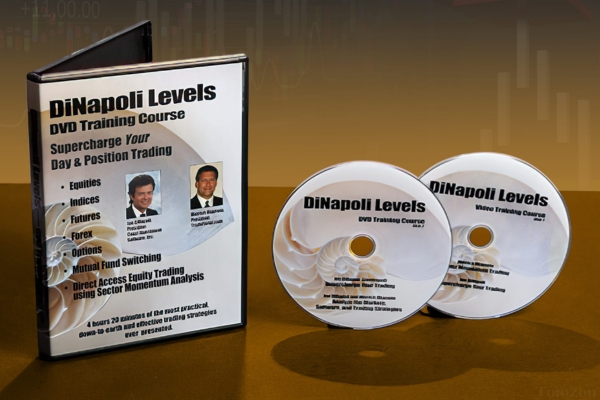 DiNapoli Levels Training Course with Joe DiNapoli & Merrick Okamoto
1 × $6.00
DiNapoli Levels Training Course with Joe DiNapoli & Merrick Okamoto
1 × $6.00 -
×
 Big Profit Patterns Using Candlestick Signals & Gaps with Stephen W.Bigalow
1 × $6.00
Big Profit Patterns Using Candlestick Signals & Gaps with Stephen W.Bigalow
1 × $6.00 -
×
 The Adventures of the Cycle Hunter. The Analyst with Craig Bttlc
1 × $6.00
The Adventures of the Cycle Hunter. The Analyst with Craig Bttlc
1 × $6.00 -
×
 Profit Before Work System with John Piper
1 × $6.00
Profit Before Work System with John Piper
1 × $6.00 -
×
 Gillen Predicts with Jack Gillen
1 × $6.00
Gillen Predicts with Jack Gillen
1 × $6.00 -
×
 The Trading Blueprint with Brad Goh - The Trading Geek
1 × $5.00
The Trading Blueprint with Brad Goh - The Trading Geek
1 × $5.00 -
×
 Psycho-Paper 96 with Charles Drummond
1 × $6.00
Psycho-Paper 96 with Charles Drummond
1 × $6.00 -
×
 The Ten Most Powerful Option Trading Secrets with Bernie Schaeffer
1 × $6.00
The Ten Most Powerful Option Trading Secrets with Bernie Schaeffer
1 × $6.00 -
×
 Five Trading Trends of 2005 with Dan Denning
1 × $6.00
Five Trading Trends of 2005 with Dan Denning
1 × $6.00 -
×
 Trading Options Effectively with Paul Forchione
1 × $4.00
Trading Options Effectively with Paul Forchione
1 × $4.00 -
×
 Traders Classroom Collection Volume 1-4 with Jeffrey Kennedy
1 × $15.00
Traders Classroom Collection Volume 1-4 with Jeffrey Kennedy
1 × $15.00 -
×
 Floor Traders Edge Mentorship Program with Market Geeks
1 × $6.00
Floor Traders Edge Mentorship Program with Market Geeks
1 × $6.00 -
×
 Deep Dive Butterfly Trading Strategy Class with SJG Trades
1 × $41.00
Deep Dive Butterfly Trading Strategy Class with SJG Trades
1 × $41.00

Analysis of Equity Investments: Valuation with John Stowe, Thomas Robinson, Jerald Pinto & Dennis McLeavey
$6.00
File Size: Coming soon!
Delivery Time: 1–12 hours
Media Type: Online Course
Content Proof: Watch Here!
You may check content proof of “Analysis of Equity Investments: Valuation with John Stowe, Thomas Robinson, Jerald Pinto & Dennis McLeavey ” below:

Analysis of Equity Investments: Valuation with John Stowe, Thomas Robinson, Jerald Pinto & Dennis McLeavey
Investing in equities requires a deep understanding of valuation techniques to make informed decisions. “Analysis of Equity Investments: Valuation” by John Stowe, Thomas Robinson, Jerald Pinto, and Dennis McLeavey provides comprehensive insights into this critical aspect of investing. In this article, we will explore key concepts and methodologies presented in their work, helping you grasp the essentials of equity valuation.
Introduction to Equity Valuation
What is Equity Valuation?
Equity valuation is the process of determining the intrinsic value of a company’s stock. It involves analyzing financial statements, market conditions, and various valuation models to estimate a fair price.
Why is Equity Valuation Important?
Understanding the true value of a stock helps investors make better decisions, avoid overpaying, and identify undervalued opportunities.
Core Concepts in Equity Valuation
Intrinsic Value
The intrinsic value is the perceived true value of a company, calculated through various valuation methods. It differs from the market value, which can be influenced by market sentiment.
Market Efficiency
Market efficiency refers to how quickly and accurately stock prices reflect all available information. The Efficient Market Hypothesis (EMH) suggests that it is difficult to consistently outperform the market through expert stock selection or market timing.
Valuation Methods
Discounted Cash Flow (DCF) Analysis
DCF analysis involves estimating future cash flows and discounting them to present value. This method is widely used for its detailed approach to valuing a company’s financial health.
Steps in DCF Analysis
- Estimate Future Cash Flows: Project the company’s free cash flows over a specific period.
- Determine the Discount Rate: Often the company’s weighted average cost of capital (WACC).
- Calculate Present Value: Discount future cash flows to their present value.
- Sum the Present Values: This gives the intrinsic value of the company.
Relative Valuation
Relative valuation compares a company’s value to that of its peers using multiples like Price/Earnings (P/E), Price/Book (P/B), and EV/EBITDA.
Common Multiples Used
- P/E Ratio: Price per share divided by earnings per share.
- P/B Ratio: Price per share divided by book value per share.
- EV/EBITDA: Enterprise value divided by earnings before interest, taxes, depreciation, and amortization.
Asset-Based Valuation
This method values a company based on the value of its assets minus liabilities. It is particularly useful for firms with significant tangible assets.
Advanced Valuation Techniques
Residual Income Model
The residual income model focuses on the income generated by a company after accounting for the cost of capital. It is useful for valuing firms with irregular cash flows.
Economic Value Added (EVA)
EVA is a measure of a company’s financial performance based on residual wealth, calculated by deducting the cost of capital from its operating profit.
Factors Affecting Valuation
Macroeconomic Factors
Economic indicators such as interest rates, inflation, and GDP growth impact stock valuation. For instance, rising interest rates may lower stock prices as borrowing costs increase.
Industry Trends
Industry-specific trends and competitive dynamics can significantly influence a company’s valuation.
Company-Specific Factors
These include the firm’s management quality, competitive position, financial health, and growth prospects.
Common Pitfalls in Equity Valuation
Over-Reliance on Models
While models provide a structured approach, over-reliance on them without considering qualitative factors can lead to inaccurate valuations.
Ignoring Macroeconomic Conditions
Failing to account for broader economic conditions can skew valuation results.
Inaccurate Financial Projections
Unrealistic financial projections can lead to erroneous intrinsic value calculations.
Practical Applications of Equity Valuation
Investment Decision Making
Equity valuation is crucial for making informed investment decisions, whether buying, selling, or holding stocks.
Portfolio Management
Valuation helps in maintaining a balanced portfolio by identifying overvalued and undervalued stocks.
Conclusion
Equity valuation is an indispensable tool for investors aiming to make sound financial decisions. “Analysis of Equity Investments: Valuation” by John Stowe, Thomas Robinson, Jerald Pinto, and Dennis McLeavey offers an in-depth exploration of these concepts, providing a solid foundation for both novice and experienced investors.
FAQs
1. What is the difference between intrinsic value and market value?
Intrinsic value is the perceived true value of a stock based on fundamental analysis, while market value is the current price at which the stock trades in the market.
2. Why is the Discounted Cash Flow (DCF) method popular?
DCF is popular because it provides a detailed and thorough analysis of a company’s future cash flows and discounts them to present value, offering a clear picture of its financial health.
3. How does market efficiency affect stock prices?
Market efficiency ensures that stock prices reflect all available information, making it challenging to consistently outperform the market through stock selection or timing.
4. What are the key factors influencing equity valuation?
Key factors include macroeconomic conditions, industry trends, and company-specific factors such as management quality and financial health.
5. Why is it important to consider qualitative factors in valuation?
Qualitative factors, such as management quality and industry dynamics, provide context and insights that purely quantitative models might miss, leading to a more accurate valuation.
Be the first to review “Analysis of Equity Investments: Valuation with John Stowe, Thomas Robinson, Jerald Pinto & Dennis McLeavey”
You must be logged in to post a review.
Related products

Forex Trading
Original price was: $2,997.00.$23.00Current price is: $23.00.

Forex Trading
Original price was: $4,997.00.$27.00Current price is: $27.00.

Forex Trading
Original price was: $499.00.$15.00Current price is: $15.00.

Forex Trading
Quantamentals – The Next Great Forefront Of Trading and Investing with Trading Markets
Original price was: $1,495.00.$8.00Current price is: $8.00.

Original price was: $450.00.$23.00Current price is: $23.00.

Forex Trading
Original price was: $239.00.$8.00Current price is: $8.00.

Forex Trading
Original price was: $249.00.$15.00Current price is: $15.00.

Original price was: $1,849.00.$15.00Current price is: $15.00.

Original price was: $4,995.00.$15.00Current price is: $15.00.

Original price was: $497.00.$11.00Current price is: $11.00.

Original price was: $999.00.$5.00Current price is: $5.00.

Original price was: $649.00.$20.00Current price is: $20.00.

Original price was: $1,200.00.$23.00Current price is: $23.00.

Forex Trading
Original price was: $999.00.$15.00Current price is: $15.00.

Forex Trading
Original price was: $850.00.$23.00Current price is: $23.00.

Forex Trading
Original price was: $550.00.$5.00Current price is: $5.00.

Forex Trading
The Complete Guide to Multiple Time Frame Analysis & Reading Price Action with Aiman Almansoori
Original price was: $1,399.00.$13.00Current price is: $13.00.
Original price was: $310.00.$23.00Current price is: $23.00.
Forex Trading
Original price was: $697.00.$5.00Current price is: $5.00.

Forex Trading
Original price was: $397.00.$31.00Current price is: $31.00.

Reviews
There are no reviews yet.