
-
×
 Emini Bonds
1 × $23.00
Emini Bonds
1 × $23.00 -
×
 Ezaih Academy 2024 Mentorship with Ezaih
1 × $54.00
Ezaih Academy 2024 Mentorship with Ezaih
1 × $54.00 -
×
 Essential Skills for Consistency in Trading Class with Don Kaufman
1 × $6.00
Essential Skills for Consistency in Trading Class with Don Kaufman
1 × $6.00 -
×
 An Empirical Ananlysis of Stock Market Sentiment (Article) with Andrea Terzi
1 × $6.00
An Empirical Ananlysis of Stock Market Sentiment (Article) with Andrea Terzi
1 × $6.00 -
×
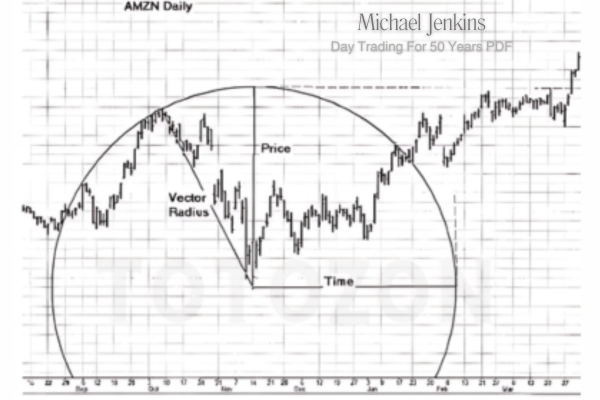 Day Trading For 50 Years PDF with Michael Jenkins
1 × $6.00
Day Trading For 50 Years PDF with Michael Jenkins
1 × $6.00 -
×
 Elliott Flat Waves CD with David Elliott
1 × $6.00
Elliott Flat Waves CD with David Elliott
1 × $6.00 -
×
 Divorcing the Dow: Using Revolutionary Market Indicators to Profit from the Stealth Boom Ahead - Jim Troup & Sharon Michalsky
1 × $6.00
Divorcing the Dow: Using Revolutionary Market Indicators to Profit from the Stealth Boom Ahead - Jim Troup & Sharon Michalsky
1 × $6.00 -
×
 George Bayer Squarring the Circle for Excel
1 × $6.00
George Bayer Squarring the Circle for Excel
1 × $6.00 -
×
 Technical Analysis 101: A Comprehensive Guide to Becoming a Better Trader Class with Jeff Bierman
1 × $6.00
Technical Analysis 101: A Comprehensive Guide to Becoming a Better Trader Class with Jeff Bierman
1 × $6.00 -
×
 The Trading Blueprint with Brad Goh - The Trading Geek
1 × $5.00
The Trading Blueprint with Brad Goh - The Trading Geek
1 × $5.00 -
×
 Advanced Gap Trading Strategies with Master Trader
1 × $31.00
Advanced Gap Trading Strategies with Master Trader
1 × $31.00 -
×
 Steve Jobs. The Greatest Second Act in the History of Business with Young Simon
1 × $6.00
Steve Jobs. The Greatest Second Act in the History of Business with Young Simon
1 × $6.00 -
×
 How to Call the Top in a Stock (To the Penny!) and Earn 9-11% Annualized Cash Yields Doing It with Dan Ferris
1 × $6.00
How to Call the Top in a Stock (To the Penny!) and Earn 9-11% Annualized Cash Yields Doing It with Dan Ferris
1 × $6.00 -
×
 The Compleat DayTrader I & II with Jack Bernstein
1 × $6.00
The Compleat DayTrader I & II with Jack Bernstein
1 × $6.00 -
×
 Simple Smart Forex Renko Program with Nikos Mermigas
1 × $10.00
Simple Smart Forex Renko Program with Nikos Mermigas
1 × $10.00 -
×
 7 Day FX Mastery Course with Market Masters
1 × $6.00
7 Day FX Mastery Course with Market Masters
1 × $6.00 -
×
 Bond Market Course with The Macro Compass
1 × $15.00
Bond Market Course with The Macro Compass
1 × $15.00 -
×
 Stock Market Crash of 1929 with Aron Abrams
1 × $6.00
Stock Market Crash of 1929 with Aron Abrams
1 × $6.00 -
×
 Simpler Options - Ultimate Guide to Debit Spreads – Nov 2014
1 × $6.00
Simpler Options - Ultimate Guide to Debit Spreads – Nov 2014
1 × $6.00 -
×
 Algo Trading Masterclass with Ali Casey - StatOasis
1 × $23.00
Algo Trading Masterclass with Ali Casey - StatOasis
1 × $23.00 -
×
 The Practical Fractal with Bill Williams
1 × $6.00
The Practical Fractal with Bill Williams
1 × $6.00 -
×
 Active Beta Indexes with Khalid Ghayur
1 × $6.00
Active Beta Indexes with Khalid Ghayur
1 × $6.00 -
×
 Cash In On Chaos with Hans Hannula
1 × $6.00
Cash In On Chaos with Hans Hannula
1 × $6.00 -
×
 The Michanics of Futures Trading - Roy Habben
1 × $6.00
The Michanics of Futures Trading - Roy Habben
1 × $6.00 -
×
 Stock Market Investing for Financial Independence & Retiring Early with Amon & Christina
1 × $15.00
Stock Market Investing for Financial Independence & Retiring Early with Amon & Christina
1 × $15.00 -
×
 TRADING NFX Course with Andrew NFX
1 × $5.00
TRADING NFX Course with Andrew NFX
1 × $5.00 -
×
 AstroFibonacci 7.3722 magisociety
1 × $6.00
AstroFibonacci 7.3722 magisociety
1 × $6.00 -
×
 Guidelines for Analysis and Establishing a Trading Plan with Charles Drummond
1 × $6.00
Guidelines for Analysis and Establishing a Trading Plan with Charles Drummond
1 × $6.00 -
×
 Options Trading & Ultimate MasterClass With Tyrone Abela - FX Evolution
1 × $54.00
Options Trading & Ultimate MasterClass With Tyrone Abela - FX Evolution
1 × $54.00 -
×
 EFT – The Art of Delivery with Gary Craig
1 × $5.00
EFT – The Art of Delivery with Gary Craig
1 × $5.00 -
×
 AI For Traders with Trading Markets
1 × $31.00
AI For Traders with Trading Markets
1 × $31.00 -
×
 Who is Afraid of Word Trade Organization with Kent Jones
1 × $6.00
Who is Afraid of Word Trade Organization with Kent Jones
1 × $6.00 -
×
 Fast Start Barter System with Bob Meyer
1 × $31.00
Fast Start Barter System with Bob Meyer
1 × $31.00 -
×
 Investing In KLSE Stocks and Futures With Japanese Candlestick with Fred Tam
1 × $6.00
Investing In KLSE Stocks and Futures With Japanese Candlestick with Fred Tam
1 × $6.00 -
×
 More on the Short Cycles of Interest Rates (Article) with Arie Melnik, Alan Kraus
1 × $6.00
More on the Short Cycles of Interest Rates (Article) with Arie Melnik, Alan Kraus
1 × $6.00 -
×
 TradeCraft: Your Path to Peak Performance Trading By Adam Grimes
1 × $15.00
TradeCraft: Your Path to Peak Performance Trading By Adam Grimes
1 × $15.00 -
×
 Real Options Analysis: Tools and Techniques for Valuing Strategic Investments and Decisions - Johnathan Mun
1 × $6.00
Real Options Analysis: Tools and Techniques for Valuing Strategic Investments and Decisions - Johnathan Mun
1 × $6.00 -
×
 Create Your Own Hedge Fund with Mark Wolfinger
1 × $6.00
Create Your Own Hedge Fund with Mark Wolfinger
1 × $6.00 -
×
 Earnings Reaction Gaps Workshop with John Pocorobba
1 × $27.00
Earnings Reaction Gaps Workshop with John Pocorobba
1 × $27.00 -
×
 Algohub 2023 Full Completed with Algohub
1 × $5.00
Algohub 2023 Full Completed with Algohub
1 × $5.00 -
×
 RiskDoctor RD1 – Introduction to Options Trading the RiskDoctor Way with Charles Cottle
1 × $6.00
RiskDoctor RD1 – Introduction to Options Trading the RiskDoctor Way with Charles Cottle
1 × $6.00 -
×
 The London Close Trade Strategy with Shirley Hudson & Vic Noble
1 × $4.00
The London Close Trade Strategy with Shirley Hudson & Vic Noble
1 × $4.00 -
×
 Compass Trading System with Right Line Trading
1 × $39.00
Compass Trading System with Right Line Trading
1 × $39.00 -
×
 WondaFX Signature Strategy with WondaFX
1 × $5.00
WondaFX Signature Strategy with WondaFX
1 × $5.00 -
×
 Trading Blox Builder 4.3.2.1
1 × $31.00
Trading Blox Builder 4.3.2.1
1 × $31.00 -
×
 The Q’s (2nd Ed.) with Darlene Nelson
1 × $6.00
The Q’s (2nd Ed.) with Darlene Nelson
1 × $6.00 -
×
 Guide to Getting Short and Collecting Income with Don Kaufman
1 × $6.00
Guide to Getting Short and Collecting Income with Don Kaufman
1 × $6.00 -
×
 Market Tide indicator with Alphashark
1 × $54.00
Market Tide indicator with Alphashark
1 × $54.00 -
×
 Scalp Strategy and Flipping Small Accounts with Opes Trading Group
1 × $5.00
Scalp Strategy and Flipping Small Accounts with Opes Trading Group
1 × $5.00
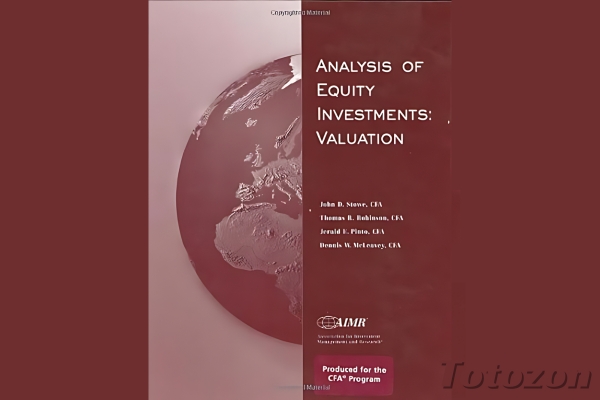
Analysis of Equity Investments: Valuation with John Stowe, Thomas Robinson, Jerald Pinto & Dennis McLeavey
$6.00
File Size: Coming soon!
Delivery Time: 1–12 hours
Media Type: Online Course
Content Proof: Watch Here!
You may check content proof of “Analysis of Equity Investments: Valuation with John Stowe, Thomas Robinson, Jerald Pinto & Dennis McLeavey ” below:

Analysis of Equity Investments: Valuation with John Stowe, Thomas Robinson, Jerald Pinto & Dennis McLeavey
Investing in equities requires a deep understanding of valuation techniques to make informed decisions. “Analysis of Equity Investments: Valuation” by John Stowe, Thomas Robinson, Jerald Pinto, and Dennis McLeavey provides comprehensive insights into this critical aspect of investing. In this article, we will explore key concepts and methodologies presented in their work, helping you grasp the essentials of equity valuation.
Introduction to Equity Valuation
What is Equity Valuation?
Equity valuation is the process of determining the intrinsic value of a company’s stock. It involves analyzing financial statements, market conditions, and various valuation models to estimate a fair price.
Why is Equity Valuation Important?
Understanding the true value of a stock helps investors make better decisions, avoid overpaying, and identify undervalued opportunities.
Core Concepts in Equity Valuation
Intrinsic Value
The intrinsic value is the perceived true value of a company, calculated through various valuation methods. It differs from the market value, which can be influenced by market sentiment.
Market Efficiency
Market efficiency refers to how quickly and accurately stock prices reflect all available information. The Efficient Market Hypothesis (EMH) suggests that it is difficult to consistently outperform the market through expert stock selection or market timing.
Valuation Methods
Discounted Cash Flow (DCF) Analysis
DCF analysis involves estimating future cash flows and discounting them to present value. This method is widely used for its detailed approach to valuing a company’s financial health.
Steps in DCF Analysis
- Estimate Future Cash Flows: Project the company’s free cash flows over a specific period.
- Determine the Discount Rate: Often the company’s weighted average cost of capital (WACC).
- Calculate Present Value: Discount future cash flows to their present value.
- Sum the Present Values: This gives the intrinsic value of the company.
Relative Valuation
Relative valuation compares a company’s value to that of its peers using multiples like Price/Earnings (P/E), Price/Book (P/B), and EV/EBITDA.
Common Multiples Used
- P/E Ratio: Price per share divided by earnings per share.
- P/B Ratio: Price per share divided by book value per share.
- EV/EBITDA: Enterprise value divided by earnings before interest, taxes, depreciation, and amortization.
Asset-Based Valuation
This method values a company based on the value of its assets minus liabilities. It is particularly useful for firms with significant tangible assets.
Advanced Valuation Techniques
Residual Income Model
The residual income model focuses on the income generated by a company after accounting for the cost of capital. It is useful for valuing firms with irregular cash flows.
Economic Value Added (EVA)
EVA is a measure of a company’s financial performance based on residual wealth, calculated by deducting the cost of capital from its operating profit.
Factors Affecting Valuation
Macroeconomic Factors
Economic indicators such as interest rates, inflation, and GDP growth impact stock valuation. For instance, rising interest rates may lower stock prices as borrowing costs increase.
Industry Trends
Industry-specific trends and competitive dynamics can significantly influence a company’s valuation.
Company-Specific Factors
These include the firm’s management quality, competitive position, financial health, and growth prospects.
Common Pitfalls in Equity Valuation
Over-Reliance on Models
While models provide a structured approach, over-reliance on them without considering qualitative factors can lead to inaccurate valuations.
Ignoring Macroeconomic Conditions
Failing to account for broader economic conditions can skew valuation results.
Inaccurate Financial Projections
Unrealistic financial projections can lead to erroneous intrinsic value calculations.
Practical Applications of Equity Valuation
Investment Decision Making
Equity valuation is crucial for making informed investment decisions, whether buying, selling, or holding stocks.
Portfolio Management
Valuation helps in maintaining a balanced portfolio by identifying overvalued and undervalued stocks.
Conclusion
Equity valuation is an indispensable tool for investors aiming to make sound financial decisions. “Analysis of Equity Investments: Valuation” by John Stowe, Thomas Robinson, Jerald Pinto, and Dennis McLeavey offers an in-depth exploration of these concepts, providing a solid foundation for both novice and experienced investors.
FAQs
1. What is the difference between intrinsic value and market value?
Intrinsic value is the perceived true value of a stock based on fundamental analysis, while market value is the current price at which the stock trades in the market.
2. Why is the Discounted Cash Flow (DCF) method popular?
DCF is popular because it provides a detailed and thorough analysis of a company’s future cash flows and discounts them to present value, offering a clear picture of its financial health.
3. How does market efficiency affect stock prices?
Market efficiency ensures that stock prices reflect all available information, making it challenging to consistently outperform the market through stock selection or timing.
4. What are the key factors influencing equity valuation?
Key factors include macroeconomic conditions, industry trends, and company-specific factors such as management quality and financial health.
5. Why is it important to consider qualitative factors in valuation?
Qualitative factors, such as management quality and industry dynamics, provide context and insights that purely quantitative models might miss, leading to a more accurate valuation.
Be the first to review “Analysis of Equity Investments: Valuation with John Stowe, Thomas Robinson, Jerald Pinto & Dennis McLeavey”
You must be logged in to post a review.
Related products
Forex Trading
Original price was: $697.00.$5.00Current price is: $5.00.

Original price was: $139.00.$23.00Current price is: $23.00.

Forex Trading
Original price was: $999.00.$15.00Current price is: $15.00.

Original price was: $695.00.$41.00Current price is: $41.00.

Forex Trading
Original price was: $397.00.$31.00Current price is: $31.00.
Forex Trading
Original price was: $499.00.$15.00Current price is: $15.00.
Original price was: $4,995.00.$15.00Current price is: $15.00.

Original price was: $997.00.$13.00Current price is: $13.00.

Original price was: $497.00.$31.00Current price is: $31.00.

Forex Trading
Original price was: $797.00.$10.00Current price is: $10.00.

Forex Trading
Original price was: $4,997.00.$27.00Current price is: $27.00.

Original price was: $799.00.$15.00Current price is: $15.00.

Original price was: $299.00.$8.00Current price is: $8.00.

Forex Trading
Quantamentals – The Next Great Forefront Of Trading and Investing with Trading Markets
Original price was: $1,495.00.$8.00Current price is: $8.00.

Original price was: $700.00.$39.00Current price is: $39.00.
Forex Trading
Original price was: $550.00.$5.00Current price is: $5.00.

Original price was: $2,120.00.$15.00Current price is: $15.00.

Original price was: $649.00.$20.00Current price is: $20.00.

Forex Trading
The Complete Guide to Multiple Time Frame Analysis & Reading Price Action with Aiman Almansoori
Original price was: $1,399.00.$13.00Current price is: $13.00.

Original price was: $497.00.$11.00Current price is: $11.00.

Reviews
There are no reviews yet.