
-
×
 The Orderflow Masterclass with PrimeTrading
1 × $17.00
The Orderflow Masterclass with PrimeTrading
1 × $17.00 -
×
 Algo Trading Masterclass with Ali Casey - StatOasis
1 × $23.00
Algo Trading Masterclass with Ali Casey - StatOasis
1 × $23.00 -
×
 How To Write High Converting Copy with Tej Dosa
1 × $6.00
How To Write High Converting Copy with Tej Dosa
1 × $6.00 -
×
 Best of the Best: Collars with Amy Meissner & Scott Ruble
1 × $15.00
Best of the Best: Collars with Amy Meissner & Scott Ruble
1 × $15.00 -
×
 Trade with a Day Job USA v2010 with Markets Mastered
1 × $6.00
Trade with a Day Job USA v2010 with Markets Mastered
1 × $6.00 -
×
 The Complete Guide to Multiple Time Frame Analysis & Reading Price Action with Aiman Almansoori
1 × $13.00
The Complete Guide to Multiple Time Frame Analysis & Reading Price Action with Aiman Almansoori
1 × $13.00 -
×
 TradeCraft: Your Path to Peak Performance Trading By Adam Grimes
1 × $15.00
TradeCraft: Your Path to Peak Performance Trading By Adam Grimes
1 × $15.00 -
×
 7 Days Options Masters Course with John Carter
1 × $54.00
7 Days Options Masters Course with John Carter
1 × $54.00 -
×
 Advanced Cycles with Nick Santiago - InTheMoneyStocks
1 × $171.00
Advanced Cycles with Nick Santiago - InTheMoneyStocks
1 × $171.00 -
×
 A Trader's Guide to Self-Discipline: Proven Techniques to Improve Trading Profits
1 × $6.00
A Trader's Guide to Self-Discipline: Proven Techniques to Improve Trading Profits
1 × $6.00 -
×
 3 Hour Calendar Class With Bonus 3 Months Daily Analysis!
1 × $23.00
3 Hour Calendar Class With Bonus 3 Months Daily Analysis!
1 × $23.00 -
×
 Commodity Trading Video Course with Bob Buran
1 × $6.00
Commodity Trading Video Course with Bob Buran
1 × $6.00 -
×
 Trading Academy 2024 with Tradeciety
1 × $5.00
Trading Academy 2024 with Tradeciety
1 × $5.00 -
×
 The Aggressive Investor. Case Studies with Colin Nicholson
1 × $6.00
The Aggressive Investor. Case Studies with Colin Nicholson
1 × $6.00 -
×
 Complete Portfolio and Stock Comparison Spreadsheet with Joseph Hogue
1 × $6.00
Complete Portfolio and Stock Comparison Spreadsheet with Joseph Hogue
1 × $6.00 -
×
 Mergers & Acquisitions From A to Z with Andrew J.Sherman
1 × $6.00
Mergers & Acquisitions From A to Z with Andrew J.Sherman
1 × $6.00 -
×
 WickOrTreat Trading Course with WickOrTreat
1 × $6.00
WickOrTreat Trading Course with WickOrTreat
1 × $6.00 -
×
 A Litle Keltner, a Litle Wycoff and of lot of Street Smarts with Linda Raschke
1 × $6.00
A Litle Keltner, a Litle Wycoff and of lot of Street Smarts with Linda Raschke
1 × $6.00 -
×
 Trading For Busy People with Josias Kere
1 × $6.00
Trading For Busy People with Josias Kere
1 × $6.00 -
×
 Crystal Ball Pack PLUS bonus Live Trade By Pat Mitchell - Trick Trades
1 × $20.00
Crystal Ball Pack PLUS bonus Live Trade By Pat Mitchell - Trick Trades
1 × $20.00 -
×
 Psychology of the Stock Market (1912) with G.C.Selden
1 × $6.00
Psychology of the Stock Market (1912) with G.C.Selden
1 × $6.00 -
×
 Trading Short TermSame Day Trades Sep 2023 with Dan Sheridan & Mark Fenton - Sheridan Options Mentoring
1 × $31.00
Trading Short TermSame Day Trades Sep 2023 with Dan Sheridan & Mark Fenton - Sheridan Options Mentoring
1 × $31.00 -
×
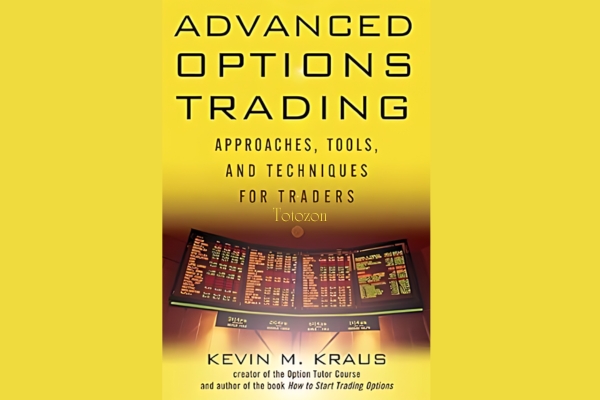 Advanced Options Trading: Approaches, Tools, and Techniques for Professionals Traders with Kevin Kraus
1 × $6.00
Advanced Options Trading: Approaches, Tools, and Techniques for Professionals Traders with Kevin Kraus
1 × $6.00 -
×
 The Prop Trading Code with Brannigan Barrett - Axia Futures
1 × $23.00
The Prop Trading Code with Brannigan Barrett - Axia Futures
1 × $23.00 -
×
 The Crypto Code with Joel Peterson - Adam Short
1 × $15.00
The Crypto Code with Joel Peterson - Adam Short
1 × $15.00 -
×
 Matrix Spread Options Trading Course with Base Camp Trading
1 × $31.00
Matrix Spread Options Trading Course with Base Camp Trading
1 × $31.00 -
×
 Forex Trading For Beginners with John Jagerson - Investopedia Academy
1 × $6.00
Forex Trading For Beginners with John Jagerson - Investopedia Academy
1 × $6.00 -
×
 The Naked Eye: Raw Data Analytics with Edgar Torres - Raw Data Analytics
1 × $8.00
The Naked Eye: Raw Data Analytics with Edgar Torres - Raw Data Analytics
1 × $8.00 -
×
 Home Run Options Trading Course with Dave Aquino - Base Camp Trading
1 × $11.00
Home Run Options Trading Course with Dave Aquino - Base Camp Trading
1 × $11.00 -
×
 Academy of Financial Trading Foundation Trading Programme Webinar
1 × $6.00
Academy of Financial Trading Foundation Trading Programme Webinar
1 × $6.00 -
×
 Create Your Own Hedge Fund with Mark Wolfinger
1 × $6.00
Create Your Own Hedge Fund with Mark Wolfinger
1 × $6.00 -
×
 Volume Profile 2023 (Order Flow Pack) with Trader Dale
1 × $5.00
Volume Profile 2023 (Order Flow Pack) with Trader Dale
1 × $5.00 -
×
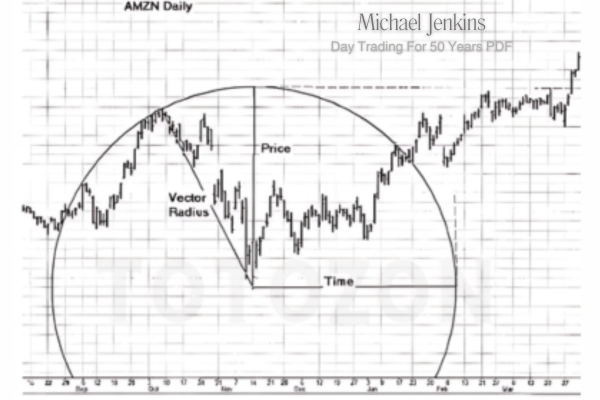 Day Trading For 50 Years PDF with Michael Jenkins
1 × $6.00
Day Trading For 50 Years PDF with Michael Jenkins
1 × $6.00 -
×
 6 (The Proper BackGround)
1 × $6.00
6 (The Proper BackGround)
1 × $6.00 -
×
 DaVinci FX Course
1 × $6.00
DaVinci FX Course
1 × $6.00 -
×
 Access All Areas with Marwood Research
1 × $54.00
Access All Areas with Marwood Research
1 × $54.00 -
×
 ALGO™ Online Retail - Version 2.9
1 × $155.00
ALGO™ Online Retail - Version 2.9
1 × $155.00 -
×
 The Random Character of Interest Rates with Joseph Murphy
1 × $6.00
The Random Character of Interest Rates with Joseph Murphy
1 × $6.00 -
×
 My Forex League - The Course
1 × $5.00
My Forex League - The Course
1 × $5.00 -
×
 Trading - Candlelight - Ryan Litchfield
1 × $6.00
Trading - Candlelight - Ryan Litchfield
1 × $6.00 -
×
 A Conservative Plan to Make $3K Monthly on $25K with Dan Sheridan – Sheridan Options Mentoring
1 × $23.00
A Conservative Plan to Make $3K Monthly on $25K with Dan Sheridan – Sheridan Options Mentoring
1 × $23.00 -
×
 A Course in Trading with Donald Mack & Wetsel Market Bureau
1 × $6.00
A Course in Trading with Donald Mack & Wetsel Market Bureau
1 × $6.00 -
×
 Bond Market Course with The Macro Compass
1 × $15.00
Bond Market Course with The Macro Compass
1 × $15.00 -
×
 HunterFX Video Course with HunterFX
1 × $6.00
HunterFX Video Course with HunterFX
1 × $6.00 -
×
 Trading With DiNapoli Levels
1 × $6.00
Trading With DiNapoli Levels
1 × $6.00 -
×
 Candlestick and Pivot Point Trading Triggers with John Person
1 × $6.00
Candlestick and Pivot Point Trading Triggers with John Person
1 × $6.00 -
×
 The Deadly 7 Sins of Investing with Maury Fertig
1 × $6.00
The Deadly 7 Sins of Investing with Maury Fertig
1 × $6.00 -
×
 Day Trading and Swing Trading Futures with Price Action by Humberto Malaspina
1 × $5.00
Day Trading and Swing Trading Futures with Price Action by Humberto Malaspina
1 × $5.00 -
×
 501 Stock Market Tips & Guidelines with Arshad Khan
1 × $6.00
501 Stock Market Tips & Guidelines with Arshad Khan
1 × $6.00 -
×
 30 Trading Classics with 3T Live
1 × $5.00
30 Trading Classics with 3T Live
1 × $5.00 -
×
 War Room Psychology Vol. 1 with Pat Mitchell – Trick Trades
1 × $23.00
War Room Psychology Vol. 1 with Pat Mitchell – Trick Trades
1 × $23.00 -
×
 7 Day FX Mastery Course with Market Masters
1 × $6.00
7 Day FX Mastery Course with Market Masters
1 × $6.00 -
×
 The Logical Trader: Applying a Method to the Madness with Mark Fisher
1 × $6.00
The Logical Trader: Applying a Method to the Madness with Mark Fisher
1 × $6.00 -
×
 Mastering Amibroker Formula Language
1 × $15.00
Mastering Amibroker Formula Language
1 × $15.00 -
×
 Order flow self-study training program with iMFtracker
1 × $10.00
Order flow self-study training program with iMFtracker
1 × $10.00 -
×
 2016 Chicago Annual Options Seminar with Dan Sheridan
1 × $23.00
2016 Chicago Annual Options Seminar with Dan Sheridan
1 × $23.00 -
×
 2010 The Market Mastery Protégé Program
1 × $31.00
2010 The Market Mastery Protégé Program
1 × $31.00 -
×
 10x Trade Formula Master Collection
1 × $54.00
10x Trade Formula Master Collection
1 × $54.00 -
×
 24-Hour Un-Education Trading Course
1 × $54.00
24-Hour Un-Education Trading Course
1 × $54.00 -
×
 W. D Gann 's Square Of 9 Applied To Modern Markets with Sean Avidar - Hexatrade350
1 × $23.00
W. D Gann 's Square Of 9 Applied To Modern Markets with Sean Avidar - Hexatrade350
1 × $23.00 -
×
 2-Phase Inducement Theorem with Vector Trading FX
1 × $6.00
2-Phase Inducement Theorem with Vector Trading FX
1 × $6.00 -
×
 $20 – 52k 20 pips a day challange with Rafał Zuchowicz - TopMasterTrader
1 × $5.00
$20 – 52k 20 pips a day challange with Rafał Zuchowicz - TopMasterTrader
1 × $5.00 -
×
 1DTE Options Crashcourse with Justin Kay
1 × $46.00
1DTE Options Crashcourse with Justin Kay
1 × $46.00 -
×
 $1,500 to $1 Million In 3 Years
1 × $39.00
$1,500 to $1 Million In 3 Years
1 × $39.00 -
×
 Compass Trading System with Right Line Trading
1 × $39.00
Compass Trading System with Right Line Trading
1 × $39.00

Equity Valuation for Analysts and Investors: A Unique Stock Valuation Tool for Financial Statement Analysis and Model-Building with James Kelleher
$6.00
File Size: Coming soon!
Delivery Time: 1–12 hours
Media Type: Online Course
Equity Valuation for Analysts and Investors: A Unique Stock Valuation Tool for Financial Statement Analysis and Model-Building with James Kelleher
In the world of finance, accurately valuing stocks is crucial for analysts and investors. James Kelleher’s approach to equity valuation provides a unique and effective tool for financial statement analysis and model-building. This article will delve into the key methods and techniques used in Kelleher’s framework, offering practical insights for both seasoned professionals and newcomers to the field.
Introduction to Equity Valuation
What is Equity Valuation?
Equity valuation is the process of determining the fair market value of a company’s shares. It involves analyzing financial statements, market conditions, and various other factors to estimate a company’s intrinsic value.
Why is Equity Valuation Important?
Understanding a stock’s value helps investors make informed decisions, ensuring they buy undervalued stocks and avoid overvalued ones. For analysts, it provides a basis for issuing recommendations and forecasts.
James Kelleher’s Unique Approach
Overview of Kelleher’s Method
James Kelleher’s approach combines traditional valuation techniques with innovative financial modeling. His method emphasizes a deep understanding of financial statements and the use of sophisticated models to predict future performance.
Key Components of the Approach
- Financial Statement Analysis
- Discounted Cash Flow (DCF) Models
- Relative Valuation
- Economic and Market Analysis
Financial Statement Analysis
Understanding Financial Statements
Financial statements are the backbone of equity valuation. They include the balance sheet, income statement, and cash flow statement, each providing critical information about a company’s financial health.
Balance Sheet Analysis
The balance sheet offers a snapshot of a company’s assets, liabilities, and equity at a specific point in time. Analyzing these components helps determine a company’s net worth and financial stability.
Income Statement Analysis
The income statement shows a company’s revenues, expenses, and profits over a period. It is essential for assessing profitability and operational efficiency.
Cash Flow Statement Analysis
The cash flow statement tracks the inflows and outflows of cash, highlighting a company’s liquidity and cash management practices.
Valuation Techniques
Discounted Cash Flow (DCF) Model
The DCF model estimates the value of an investment based on its expected future cash flows, discounted back to their present value. This method is highly regarded for its thoroughness and accuracy.
Steps in Building a DCF Model
- Project Future Cash Flows
- Determine the Discount Rate
- Calculate the Present Value of Cash Flows
- Sum the Present Values to Get the Intrinsic Value
Relative Valuation
Relative valuation involves comparing a company’s valuation metrics, such as price-to-earnings (P/E) ratio, to those of similar companies. This method provides a market-based perspective on a company’s value.
Economic and Market Analysis
Understanding the broader economic environment and market conditions is crucial. Factors such as interest rates, inflation, and economic growth can significantly impact a company’s performance and valuation.
Model-Building in Valuation
Importance of Financial Models
Financial models are essential tools for forecasting a company’s future performance. They help analysts and investors test different scenarios and make more informed decisions.
Types of Financial Models
- Three-Statement Models
- Merger and Acquisition (M&A) Models
- Leveraged Buyout (LBO) Models
Building a Financial Model
- Collect Historical Data
- Make Assumptions
- Construct the Model
- Validate the Model
Practical Tips for Analysts and Investors
Stay Informed
Keep up with the latest financial news, economic trends, and industry developments. Staying informed helps you make better assumptions and more accurate valuations.
Use Multiple Valuation Methods
Relying on a single valuation method can be risky. Combining multiple methods provides a more comprehensive view and helps cross-verify results.
Regularly Update Models
Financial conditions and market environments change. Regularly updating your models ensures they remain relevant and accurate.
Common Mistakes in Equity Valuation
Overreliance on Historical Data
While historical data is important, future performance may not always follow past trends. Always consider forward-looking factors and scenarios.
Ignoring Market Conditions
Market conditions can drastically impact valuations. Ignoring these can lead to inaccurate assessments and poor investment decisions.
Complexity Over Clarity
Overly complex models can be difficult to understand and prone to errors. Aim for clarity and simplicity in your models.
Case Studies
Case Study 1: Successful Valuation
An analyst uses Kelleher’s methods to value a tech company, accurately predicting its growth based on strong financial health and market position.
Case Study 2: Avoiding Overvaluation
Using a combination of DCF and relative valuation, an investor avoids buying an overvalued stock, preventing potential losses.
Conclusion
Equity valuation is a vital skill for analysts and investors. James Kelleher’s unique approach, combining thorough financial statement analysis with sophisticated modeling, provides a robust framework for accurate valuations. By understanding and applying these techniques, you can make more informed investment decisions and build stronger financial models.
FAQs
1. What makes James Kelleher’s approach unique?
Kelleher combines traditional valuation techniques with innovative financial modeling, emphasizing a deep understanding of financial statements.
2. How often should I update my financial models?
Regularly updating your models ensures they remain relevant and accurate in changing market conditions.
3. What is the most important financial statement for equity valuation?
All financial statements are important, but the cash flow statement is crucial for understanding liquidity and cash management.
4. Can I rely solely on DCF for valuation?
While DCF is thorough, it’s best to combine multiple methods for a comprehensive view and cross-verification of results.
5. What are common mistakes in equity valuation?
Common mistakes include overreliance on historical data, ignoring market conditions, and creating overly complex models.
Be the first to review “Equity Valuation for Analysts and Investors: A Unique Stock Valuation Tool for Financial Statement Analysis and Model-Building with James Kelleher”
You must be logged in to post a review.
Related products

Forex Trading
Original price was: $999.00.$15.00Current price is: $15.00.
Forex Trading
Original price was: $2,000.00.$23.00Current price is: $23.00.
Original price was: $497.00.$11.00Current price is: $11.00.

Forex Trading
Original price was: $797.00.$10.00Current price is: $10.00.
Original price was: $649.00.$20.00Current price is: $20.00.

Original price was: $895.00.$15.00Current price is: $15.00.

Forex Trading
Original price was: $550.00.$5.00Current price is: $5.00.

Forex Trading
Original price was: $4,997.00.$27.00Current price is: $27.00.

Forex Trading
Original price was: $850.00.$23.00Current price is: $23.00.
Forex Trading
The Complete Guide to Multiple Time Frame Analysis & Reading Price Action with Aiman Almansoori
Original price was: $1,399.00.$13.00Current price is: $13.00.
Original price was: $139.00.$23.00Current price is: $23.00.
Original price was: $1,200.00.$23.00Current price is: $23.00.

Original price was: $1,849.00.$15.00Current price is: $15.00.
Original price was: $197.00.$5.00Current price is: $5.00.

Forex Trading
Original price was: $697.00.$5.00Current price is: $5.00.

Forex Trading
Original price was: $2,995.00.$31.00Current price is: $31.00.

Forex Trading
Original price was: $2,997.00.$23.00Current price is: $23.00.

Original price was: $2,120.00.$15.00Current price is: $15.00.
Forex Trading
Original price was: $499.00.$15.00Current price is: $15.00.
Forex Trading
Original price was: $1,898.00.$10.00Current price is: $10.00.

Reviews
There are no reviews yet.