
-
×
 Marder Videos Reports 2019-2022 with Kevin Marder
1 × $104.00
Marder Videos Reports 2019-2022 with Kevin Marder
1 × $104.00 -
×
 Ultimate Trading Course with Dodgy's Dungeon
1 × $8.00
Ultimate Trading Course with Dodgy's Dungeon
1 × $8.00 -
×
 ”Trading With The Generals 2003-2004” Training Course with Kevin Haggerty
1 × $6.00
”Trading With The Generals 2003-2004” Training Course with Kevin Haggerty
1 × $6.00 -
×
 The Orderflows Trade Opportunities Encyclopedia with Michael Valtos
1 × $8.00
The Orderflows Trade Opportunities Encyclopedia with Michael Valtos
1 × $8.00 -
×
 Order flow self-study training program with iMFtracker
1 × $10.00
Order flow self-study training program with iMFtracker
1 × $10.00 -
×
 The Prop Trading Code with Brannigan Barrett - Axia Futures
1 × $23.00
The Prop Trading Code with Brannigan Barrett - Axia Futures
1 × $23.00 -
×
 The Indices Orderflow Masterclass with The Forex Scalpers
1 × $23.00
The Indices Orderflow Masterclass with The Forex Scalpers
1 × $23.00 -
×
 The Naked Eye: Raw Data Analytics with Edgar Torres - Raw Data Analytics
1 × $8.00
The Naked Eye: Raw Data Analytics with Edgar Torres - Raw Data Analytics
1 × $8.00 -
×
 The Orderflow Masterclass with PrimeTrading
1 × $17.00
The Orderflow Masterclass with PrimeTrading
1 × $17.00 -
×
 The Best Option Trading Course with David Jaffee - Best Stock Strategy
1 × $15.00
The Best Option Trading Course with David Jaffee - Best Stock Strategy
1 × $15.00 -
×
 2014 Advanced Swing Trading Summit
1 × $31.00
2014 Advanced Swing Trading Summit
1 × $31.00 -
×
 “The Beast” Automated Trading System V2 (Feb 2015)
1 × $15.00
“The Beast” Automated Trading System V2 (Feb 2015)
1 × $15.00 -
×
 21 Candlesticks Every Trader Should Know with Melvin Pasternak
1 × $5.00
21 Candlesticks Every Trader Should Know with Melvin Pasternak
1 × $5.00 -
×
 Compass Trading System with Right Line Trading
1 × $39.00
Compass Trading System with Right Line Trading
1 × $39.00 -
×
 White Phoenix’s The Smart (Money) Approach to Trading with Jayson Casper
1 × $39.00
White Phoenix’s The Smart (Money) Approach to Trading with Jayson Casper
1 × $39.00 -
×
 SQX Mentorship with Tip Toe Hippo
1 × $23.00
SQX Mentorship with Tip Toe Hippo
1 × $23.00 -
×
 3-Day Day Trading Seminar Online CD with John Carter & Hubert Senters
1 × $6.00
3-Day Day Trading Seminar Online CD with John Carter & Hubert Senters
1 × $6.00 -
×
 3-Line Break Method For Daytrading Eminis with Chris Curran
1 × $6.00
3-Line Break Method For Daytrading Eminis with Chris Curran
1 × $6.00 -
×
 Deep Dive Butterfly Trading Strategy Class with SJG Trades
1 × $41.00
Deep Dive Butterfly Trading Strategy Class with SJG Trades
1 × $41.00 -
×
 0 DTE Options Trading Workshop with Aeromir Corporation
1 × $15.00
0 DTE Options Trading Workshop with Aeromir Corporation
1 × $15.00 -
×
 Crystal Ball Pack PLUS bonus Live Trade By Pat Mitchell - Trick Trades
1 × $20.00
Crystal Ball Pack PLUS bonus Live Trade By Pat Mitchell - Trick Trades
1 × $20.00 -
×
 High Probability Trading Using Elliott Wave And Fibonacci Analysis withVic Patel - Forex Training Group
1 × $10.00
High Probability Trading Using Elliott Wave And Fibonacci Analysis withVic Patel - Forex Training Group
1 × $10.00 -
×
 W. D Gann 's Square Of 9 Applied To Modern Markets with Sean Avidar - Hexatrade350
1 × $23.00
W. D Gann 's Square Of 9 Applied To Modern Markets with Sean Avidar - Hexatrade350
1 × $23.00 -
×
 The A14 Weekly Option Strategy Workshop with Amy Meissner
1 × $23.00
The A14 Weekly Option Strategy Workshop with Amy Meissner
1 × $23.00 -
×
 A Working Man's Forex Position Trading System 2010 with Alan Benefield
1 × $6.00
A Working Man's Forex Position Trading System 2010 with Alan Benefield
1 × $6.00 -
×
 Quantamentals - The Next Great Forefront Of Trading and Investing with Trading Markets
1 × $8.00
Quantamentals - The Next Great Forefront Of Trading and Investing with Trading Markets
1 × $8.00 -
×
 Matrix Spread Options Trading Course with Base Camp Trading
1 × $31.00
Matrix Spread Options Trading Course with Base Camp Trading
1 × $31.00 -
×
 Scalp Strategy and Flipping Small Accounts with Opes Trading Group
1 × $5.00
Scalp Strategy and Flipping Small Accounts with Opes Trading Group
1 × $5.00 -
×
 Introduction to Macro Investing with Mike Singleton
1 × $31.00
Introduction to Macro Investing with Mike Singleton
1 × $31.00 -
×
 2-Phase A.I. Trade Spy Total Immersion Experience with Jeff Bierman - The Quant Guy
1 × $209.00
2-Phase A.I. Trade Spy Total Immersion Experience with Jeff Bierman - The Quant Guy
1 × $209.00 -
×
 ICT Prodigy Trading Course – $650K in Payouts with Alex Solignani
1 × $15.00
ICT Prodigy Trading Course – $650K in Payouts with Alex Solignani
1 × $15.00 -
×
 Home Run Options Trading Course with Dave Aquino - Base Camp Trading
1 × $11.00
Home Run Options Trading Course with Dave Aquino - Base Camp Trading
1 × $11.00 -
×
 $20 – 52k 20 pips a day challange with Rafał Zuchowicz - TopMasterTrader
1 × $5.00
$20 – 52k 20 pips a day challange with Rafał Zuchowicz - TopMasterTrader
1 × $5.00 -
×
 Advanced Spread Trading with Guy Bower - MasterClass Trader
1 × $15.00
Advanced Spread Trading with Guy Bower - MasterClass Trader
1 × $15.00 -
×
 AI For Traders with Trading Markets
1 × $31.00
AI For Traders with Trading Markets
1 × $31.00 -
×
 Bond Market Course with The Macro Compass
1 × $15.00
Bond Market Course with The Macro Compass
1 × $15.00 -
×
 The Complete Guide to Multiple Time Frame Analysis & Reading Price Action with Aiman Almansoori
1 × $13.00
The Complete Guide to Multiple Time Frame Analysis & Reading Price Action with Aiman Almansoori
1 × $13.00 -
×
 24-Hour Un-Education Trading Course
1 × $54.00
24-Hour Un-Education Trading Course
1 × $54.00 -
×
 Pivotboss Masters - Become Elite
1 × $5.00
Pivotboss Masters - Become Elite
1 × $5.00 -
×
 'Smart Money' Institutional Forex Trading with Jeffrey Edahs
1 × $6.00
'Smart Money' Institutional Forex Trading with Jeffrey Edahs
1 × $6.00 -
×
 PayTrading with Eric Shawn
1 × $6.00
PayTrading with Eric Shawn
1 × $6.00 -
×
 TRADING NFX Course with Andrew NFX
1 × $5.00
TRADING NFX Course with Andrew NFX
1 × $5.00 -
×
 Complete Times Course with Afshin Taghechian
1 × $6.00
Complete Times Course with Afshin Taghechian
1 × $6.00 -
×
 2016 Chicago Annual Options Seminar with Dan Sheridan
1 × $23.00
2016 Chicago Annual Options Seminar with Dan Sheridan
1 × $23.00 -
×
 3 Day WorkShop with HYDRA
1 × $13.00
3 Day WorkShop with HYDRA
1 × $13.00 -
×
 Essentials in Quantitative Trading QT01 By HangukQuant's
1 × $23.00
Essentials in Quantitative Trading QT01 By HangukQuant's
1 × $23.00 -
×
 Penny Stock Mastery
1 × $31.00
Penny Stock Mastery
1 × $31.00 -
×
 5 Essential Building Blocks to Successful Trading Workshop with Steve "Slim" Miller
1 × $6.00
5 Essential Building Blocks to Successful Trading Workshop with Steve "Slim" Miller
1 × $6.00 -
×
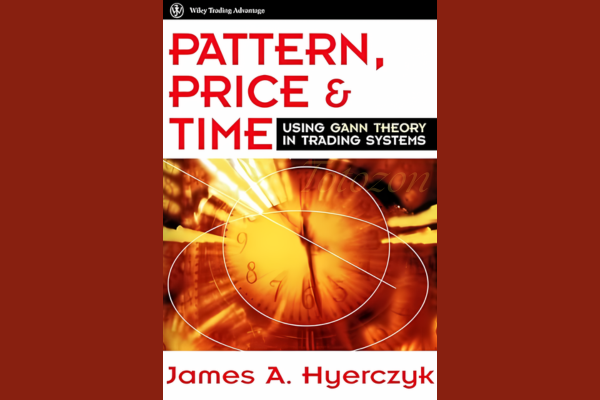 Pattern, Price & Time: Using Gann Theory in Trading Systems (1st Edition) with James Hyerczyk
1 × $6.00
Pattern, Price & Time: Using Gann Theory in Trading Systems (1st Edition) with James Hyerczyk
1 × $6.00 -
×
 WondaFX Signature Strategy with WondaFX
1 × $5.00
WondaFX Signature Strategy with WondaFX
1 × $5.00 -
×
 Options Trading & Ultimate MasterClass With Tyrone Abela - FX Evolution
1 × $54.00
Options Trading & Ultimate MasterClass With Tyrone Abela - FX Evolution
1 × $54.00 -
×
 Best of the Best: Collars with Amy Meissner & Scott Ruble
1 × $15.00
Best of the Best: Collars with Amy Meissner & Scott Ruble
1 × $15.00 -
×
 YTC Price Action Trader
1 × $6.00
YTC Price Action Trader
1 × $6.00 -
×
 Trading Short TermSame Day Trades Sep 2023 with Dan Sheridan & Mark Fenton - Sheridan Options Mentoring
1 × $31.00
Trading Short TermSame Day Trades Sep 2023 with Dan Sheridan & Mark Fenton - Sheridan Options Mentoring
1 × $31.00 -
×
 Forecast 2024 Clarification with Larry Williams
1 × $15.00
Forecast 2024 Clarification with Larry Williams
1 × $15.00 -
×
 How To Read The Market Professionally with TradeSmart
1 × $27.00
How To Read The Market Professionally with TradeSmart
1 × $27.00 -
×
 TradeCraft: Your Path to Peak Performance Trading By Adam Grimes
1 × $15.00
TradeCraft: Your Path to Peak Performance Trading By Adam Grimes
1 × $15.00
Equity Valuation for Analysts and Investors: A Unique Stock Valuation Tool for Financial Statement Analysis and Model-Building with James Kelleher
$6.00
File Size: Coming soon!
Delivery Time: 1–12 hours
Media Type: Online Course
Equity Valuation for Analysts and Investors: A Unique Stock Valuation Tool for Financial Statement Analysis and Model-Building with James Kelleher
In the world of finance, accurately valuing stocks is crucial for analysts and investors. James Kelleher’s approach to equity valuation provides a unique and effective tool for financial statement analysis and model-building. This article will delve into the key methods and techniques used in Kelleher’s framework, offering practical insights for both seasoned professionals and newcomers to the field.
Introduction to Equity Valuation
What is Equity Valuation?
Equity valuation is the process of determining the fair market value of a company’s shares. It involves analyzing financial statements, market conditions, and various other factors to estimate a company’s intrinsic value.
Why is Equity Valuation Important?
Understanding a stock’s value helps investors make informed decisions, ensuring they buy undervalued stocks and avoid overvalued ones. For analysts, it provides a basis for issuing recommendations and forecasts.
James Kelleher’s Unique Approach
Overview of Kelleher’s Method
James Kelleher’s approach combines traditional valuation techniques with innovative financial modeling. His method emphasizes a deep understanding of financial statements and the use of sophisticated models to predict future performance.
Key Components of the Approach
- Financial Statement Analysis
- Discounted Cash Flow (DCF) Models
- Relative Valuation
- Economic and Market Analysis
Financial Statement Analysis
Understanding Financial Statements
Financial statements are the backbone of equity valuation. They include the balance sheet, income statement, and cash flow statement, each providing critical information about a company’s financial health.
Balance Sheet Analysis
The balance sheet offers a snapshot of a company’s assets, liabilities, and equity at a specific point in time. Analyzing these components helps determine a company’s net worth and financial stability.
Income Statement Analysis
The income statement shows a company’s revenues, expenses, and profits over a period. It is essential for assessing profitability and operational efficiency.
Cash Flow Statement Analysis
The cash flow statement tracks the inflows and outflows of cash, highlighting a company’s liquidity and cash management practices.
Valuation Techniques
Discounted Cash Flow (DCF) Model
The DCF model estimates the value of an investment based on its expected future cash flows, discounted back to their present value. This method is highly regarded for its thoroughness and accuracy.
Steps in Building a DCF Model
- Project Future Cash Flows
- Determine the Discount Rate
- Calculate the Present Value of Cash Flows
- Sum the Present Values to Get the Intrinsic Value
Relative Valuation
Relative valuation involves comparing a company’s valuation metrics, such as price-to-earnings (P/E) ratio, to those of similar companies. This method provides a market-based perspective on a company’s value.
Economic and Market Analysis
Understanding the broader economic environment and market conditions is crucial. Factors such as interest rates, inflation, and economic growth can significantly impact a company’s performance and valuation.
Model-Building in Valuation
Importance of Financial Models
Financial models are essential tools for forecasting a company’s future performance. They help analysts and investors test different scenarios and make more informed decisions.
Types of Financial Models
- Three-Statement Models
- Merger and Acquisition (M&A) Models
- Leveraged Buyout (LBO) Models
Building a Financial Model
- Collect Historical Data
- Make Assumptions
- Construct the Model
- Validate the Model
Practical Tips for Analysts and Investors
Stay Informed
Keep up with the latest financial news, economic trends, and industry developments. Staying informed helps you make better assumptions and more accurate valuations.
Use Multiple Valuation Methods
Relying on a single valuation method can be risky. Combining multiple methods provides a more comprehensive view and helps cross-verify results.
Regularly Update Models
Financial conditions and market environments change. Regularly updating your models ensures they remain relevant and accurate.
Common Mistakes in Equity Valuation
Overreliance on Historical Data
While historical data is important, future performance may not always follow past trends. Always consider forward-looking factors and scenarios.
Ignoring Market Conditions
Market conditions can drastically impact valuations. Ignoring these can lead to inaccurate assessments and poor investment decisions.
Complexity Over Clarity
Overly complex models can be difficult to understand and prone to errors. Aim for clarity and simplicity in your models.
Case Studies
Case Study 1: Successful Valuation
An analyst uses Kelleher’s methods to value a tech company, accurately predicting its growth based on strong financial health and market position.
Case Study 2: Avoiding Overvaluation
Using a combination of DCF and relative valuation, an investor avoids buying an overvalued stock, preventing potential losses.
Conclusion
Equity valuation is a vital skill for analysts and investors. James Kelleher’s unique approach, combining thorough financial statement analysis with sophisticated modeling, provides a robust framework for accurate valuations. By understanding and applying these techniques, you can make more informed investment decisions and build stronger financial models.
FAQs
1. What makes James Kelleher’s approach unique?
Kelleher combines traditional valuation techniques with innovative financial modeling, emphasizing a deep understanding of financial statements.
2. How often should I update my financial models?
Regularly updating your models ensures they remain relevant and accurate in changing market conditions.
3. What is the most important financial statement for equity valuation?
All financial statements are important, but the cash flow statement is crucial for understanding liquidity and cash management.
4. Can I rely solely on DCF for valuation?
While DCF is thorough, it’s best to combine multiple methods for a comprehensive view and cross-verification of results.
5. What are common mistakes in equity valuation?
Common mistakes include overreliance on historical data, ignoring market conditions, and creating overly complex models.
Be the first to review “Equity Valuation for Analysts and Investors: A Unique Stock Valuation Tool for Financial Statement Analysis and Model-Building with James Kelleher”
You must be logged in to post a review.
Related products
Original price was: $450.00.$23.00Current price is: $23.00.
Forex Trading
Original price was: $239.00.$8.00Current price is: $8.00.
Original price was: $197.00.$5.00Current price is: $5.00.
Original price was: $895.00.$15.00Current price is: $15.00.
Forex Trading
Original price was: $4,997.00.$27.00Current price is: $27.00.

Forex Trading
Original price was: $697.00.$5.00Current price is: $5.00.
Original price was: $700.00.$39.00Current price is: $39.00.
Forex Trading
Original price was: $1,098.00.$39.00Current price is: $39.00.
Forex Trading
Original price was: $797.00.$10.00Current price is: $10.00.
Original price was: $497.00.$31.00Current price is: $31.00.
Original price was: $310.00.$23.00Current price is: $23.00.
Original price was: $997.00.$8.00Current price is: $8.00.
Forex Trading
Original price was: $500.00.$5.00Current price is: $5.00.
Forex Trading
The Complete Guide to Multiple Time Frame Analysis & Reading Price Action with Aiman Almansoori
Original price was: $1,399.00.$13.00Current price is: $13.00.
Original price was: $695.00.$41.00Current price is: $41.00.
Original price was: $999.00.$5.00Current price is: $5.00.

Forex Trading
Original price was: $799.00.$15.00Current price is: $15.00.
Original price was: $1,849.00.$15.00Current price is: $15.00.
Forex Trading
Original price was: $850.00.$23.00Current price is: $23.00.
Original price was: $1,200.00.$23.00Current price is: $23.00.

Reviews
There are no reviews yet.