
-
×
 Compass Trading System with Right Line Trading
1 × $39.00
Compass Trading System with Right Line Trading
1 × $39.00 -
×
 FMG Online Course with FMG Traders
1 × $6.00
FMG Online Course with FMG Traders
1 × $6.00 -
×
 Quantitative Trading Strategies (1st Edition) with Lars Kestner
1 × $6.00
Quantitative Trading Strategies (1st Edition) with Lars Kestner
1 × $6.00 -
×
 Technical Analysis Applications in the Global Currency Markets (2nd Ed.) with Cornelius Luca
1 × $6.00
Technical Analysis Applications in the Global Currency Markets (2nd Ed.) with Cornelius Luca
1 × $6.00 -
×
 Handbook for Enviroment Risk Decision Making with C.Richard Cothern
1 × $6.00
Handbook for Enviroment Risk Decision Making with C.Richard Cothern
1 × $6.00 -
×
 W. D Gann 's Square Of 9 Applied To Modern Markets with Sean Avidar - Hexatrade350
1 × $23.00
W. D Gann 's Square Of 9 Applied To Modern Markets with Sean Avidar - Hexatrade350
1 × $23.00 -
×
 Pricing of Bond Options with Detlef Repplinger
1 × $6.00
Pricing of Bond Options with Detlef Repplinger
1 × $6.00 -
×
 The A to Z of Mathematics: A Basic Guide with Thomas Sidebotham
1 × $6.00
The A to Z of Mathematics: A Basic Guide with Thomas Sidebotham
1 × $6.00 -
×
 ICT Prodigy Trading Course – $650K in Payouts with Alex Solignani
1 × $15.00
ICT Prodigy Trading Course – $650K in Payouts with Alex Solignani
1 × $15.00 -
×
 Algo Trading Masterclass with Ali Casey - StatOasis
1 × $23.00
Algo Trading Masterclass with Ali Casey - StatOasis
1 × $23.00 -
×
 Option Income Stream System 2004
1 × $6.00
Option Income Stream System 2004
1 × $6.00 -
×
 Trading Analysis Crash Course
1 × $23.00
Trading Analysis Crash Course
1 × $23.00 -
×
 Futures Trading Blueprint with Day Trader Next Door
1 × $5.00
Futures Trading Blueprint with Day Trader Next Door
1 × $5.00 -
×
 E75 Forex System with James de Wet
1 × $6.00
E75 Forex System with James de Wet
1 × $6.00 -
×
 The Best of the Professional Traders Journal. Market Timing with Larry Connors
1 × $6.00
The Best of the Professional Traders Journal. Market Timing with Larry Connors
1 × $6.00 -
×
 Advances in International Investments: Traditional and Alternative Approaches with Hung-Gay Fung, Xiaoqing Eleanor Xu & Jot Yau
1 × $6.00
Advances in International Investments: Traditional and Alternative Approaches with Hung-Gay Fung, Xiaoqing Eleanor Xu & Jot Yau
1 × $6.00 -
×
 Cryptocurrency Investing Master Class with Stone River eLearning
1 × $6.00
Cryptocurrency Investing Master Class with Stone River eLearning
1 × $6.00 -
×
 Secrets of the Darvas Trading System
1 × $6.00
Secrets of the Darvas Trading System
1 × $6.00 -
×
 Sixpart Study Guide to Market Profile
1 × $6.00
Sixpart Study Guide to Market Profile
1 × $6.00 -
×
 The Trading Blueprint with Brad Goh - The Trading Geek
1 × $5.00
The Trading Blueprint with Brad Goh - The Trading Geek
1 × $5.00 -
×
 Emini, Forex, Stock Course COMPLETE Series Recorded Seminar 2009 - 49 Modules in 3 DVDs (SpecialistTrading.com)
1 × $78.00
Emini, Forex, Stock Course COMPLETE Series Recorded Seminar 2009 - 49 Modules in 3 DVDs (SpecialistTrading.com)
1 × $78.00 -
×
 Full Members Area (Icludes 2006 Seminar & Webinars) with Tom Yeomans
1 × $6.00
Full Members Area (Icludes 2006 Seminar & Webinars) with Tom Yeomans
1 × $6.00 -
×
 Profit Before Work System with John Piper
1 × $6.00
Profit Before Work System with John Piper
1 × $6.00 -
×
 The Risk-Wise Investor: How to Better Understand and Manage Risk with Michael Carpenter
1 × $6.00
The Risk-Wise Investor: How to Better Understand and Manage Risk with Michael Carpenter
1 × $6.00 -
×
 3 Hour Calendar Class With Bonus 3 Months Daily Analysis!
1 × $23.00
3 Hour Calendar Class With Bonus 3 Months Daily Analysis!
1 × $23.00 -
×
 How To Flip All Those “Hard To Flip” Deals
1 × $6.00
How To Flip All Those “Hard To Flip” Deals
1 × $6.00 -
×
 How to Trade the New Single Stock Futures with Jack Bernstein
1 × $6.00
How to Trade the New Single Stock Futures with Jack Bernstein
1 × $6.00 -
×
 My General Counsel™
1 × $23.00
My General Counsel™
1 × $23.00 -
×
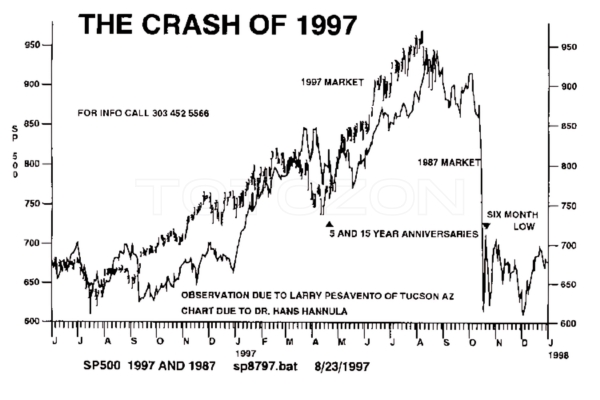 The Crash of 1997 (Article) with Hans Hannula
1 × $6.00
The Crash of 1997 (Article) with Hans Hannula
1 × $6.00 -
×
 Creating the Optimal Trade for Explosive Profits with George A.Fontanills
1 × $6.00
Creating the Optimal Trade for Explosive Profits with George A.Fontanills
1 × $6.00 -
×
 Foundations of Forex Trading with TradeSmart University
1 × $6.00
Foundations of Forex Trading with TradeSmart University
1 × $6.00 -
×
 How To Build An Automated Trading Robot In Excel with Peter Titus - Marwood Research
1 × $15.00
How To Build An Automated Trading Robot In Excel with Peter Titus - Marwood Research
1 × $15.00 -
×
 VSA Advanced Mentorship Course
1 × $31.00
VSA Advanced Mentorship Course
1 × $31.00 -
×
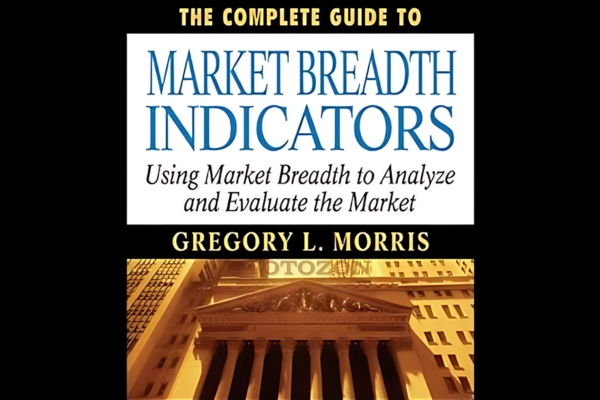 The Complete Guide to Market Breadth Indicators: How to Analyze and Evaluate market Direction and Strength - Greg Morris
1 × $6.00
The Complete Guide to Market Breadth Indicators: How to Analyze and Evaluate market Direction and Strength - Greg Morris
1 × $6.00 -
×
 Trading Mindset, and Three Steps To Profitable Trading with Bruce Banks
1 × $6.00
Trading Mindset, and Three Steps To Profitable Trading with Bruce Banks
1 × $6.00 -
×
 Advanced Spread Trading with Guy Bower - MasterClass Trader
1 × $15.00
Advanced Spread Trading with Guy Bower - MasterClass Trader
1 × $15.00 -
×
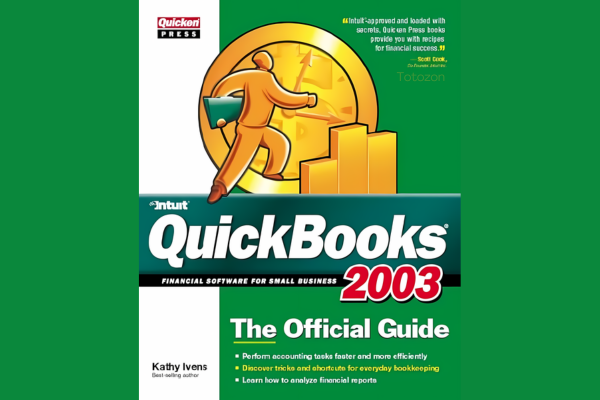 QuickBooks 2003 Official Guide
1 × $6.00
QuickBooks 2003 Official Guide
1 × $6.00 -
×
 Investing in 401k Plans with Cliffsnotes
1 × $6.00
Investing in 401k Plans with Cliffsnotes
1 × $6.00 -
×
 Technical Analysis for Short-Term Traders
1 × $6.00
Technical Analysis for Short-Term Traders
1 × $6.00 -
×
 Profit Power Seminar
1 × $23.00
Profit Power Seminar
1 × $23.00 -
×
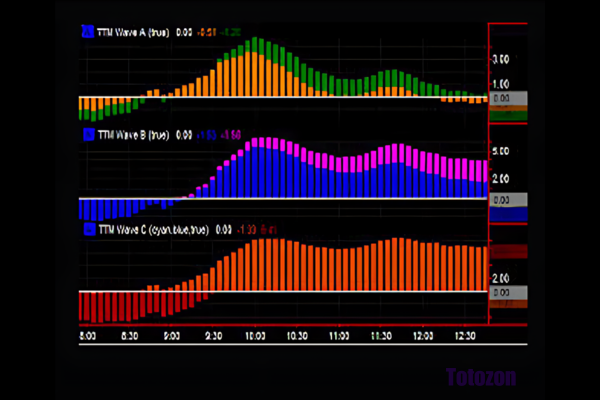 ABC Waves TOS Indicator & Live Class with Simpler Options
1 × $6.00
ABC Waves TOS Indicator & Live Class with Simpler Options
1 × $6.00 -
×
 Computerized Trading with Mark Jurik
1 × $6.00
Computerized Trading with Mark Jurik
1 × $6.00 -
×
 RiskDoctor RD1 – Introduction to Options Trading the RiskDoctor Way with Charles Cottle
1 × $6.00
RiskDoctor RD1 – Introduction to Options Trading the RiskDoctor Way with Charles Cottle
1 × $6.00 -
×
 Alternative Assets and Strategic Allocation with John Abbink
1 × $6.00
Alternative Assets and Strategic Allocation with John Abbink
1 × $6.00 -
×
 Investment Leadership & Portfolio Management with Brian Singer
1 × $6.00
Investment Leadership & Portfolio Management with Brian Singer
1 × $6.00 -
×
 TradeWithChris - TWC Forex Trading Course
1 × $6.00
TradeWithChris - TWC Forex Trading Course
1 × $6.00 -
×
 Quantamentals - The Next Great Forefront Of Trading and Investing with Trading Markets
1 × $8.00
Quantamentals - The Next Great Forefront Of Trading and Investing with Trading Markets
1 × $8.00

Equity Research and Valuation Techniques with Kemp Dolliver
$6.00
File Size: Coming soon!
Delivery Time: 1–12 hours
Media Type: Online Course
Content Proof: Watch Here!
You may check content proof of “Equity Research and Valuation Techniques with Kemp Dolliver” below:

Equity Research and Valuation Techniques with Kemp Dolliver
Introduction
In the dynamic world of finance, mastering equity research and valuation techniques is crucial for making informed investment decisions. Kemp Dolliver, a renowned expert in this field, offers valuable insights that help investors navigate the complexities of the stock market. This article delves into Dolliver’s methodologies, providing a comprehensive guide for both novice and seasoned investors.
Understanding Equity Research
What is Equity Research?
Equity research involves analyzing financial data, market trends, and economic factors to assess the value of a company’s stock. It aims to provide investors with a thorough understanding of a company’s performance and potential.
Importance of Equity Research
- Informed Decisions: Enables investors to make data-driven investment choices.
- Risk Management: Helps identify potential risks and opportunities.
- Market Insights: Offers a deep dive into industry and market trends.
Key Components of Equity Research
Financial Statement Analysis
Analyzing financial statements is fundamental in equity research. This includes evaluating:
- Income Statements: Understanding revenue, expenses, and profitability.
- Balance Sheets: Assessing assets, liabilities, and shareholders’ equity.
- Cash Flow Statements: Analyzing cash inflows and outflows.
Industry Analysis
Industry analysis involves examining the economic and competitive landscape in which a company operates. This helps in understanding the external factors that can impact a company’s performance.
Management Evaluation
Assessing the competence and track record of a company’s management team is critical. Effective leadership often translates into better company performance.
Valuation Techniques
Intrinsic Valuation
Intrinsic valuation focuses on estimating the true value of a company based on its fundamentals. Key methods include:
- Discounted Cash Flow (DCF) Analysis: Projects future cash flows and discounts them to present value.
- Dividend Discount Model (DDM): Values a company based on its expected future dividends.
Relative Valuation
Relative valuation compares a company to its peers using multiples such as:
- Price-to-Earnings (P/E) Ratio: Compares a company’s share price to its earnings per share.
- Price-to-Book (P/B) Ratio: Compares market value to book value.
Comparative Valuation
This technique involves comparing key metrics of similar companies to assess relative value.
Steps in Equity Research and Valuation
Step 1: Define the Objective
Clearly define the objective of your research. Are you looking to buy, hold, or sell a stock?
Step 2: Gather Data
Collect relevant financial data, industry reports, and market analysis.
Step 3: Analyze Financial Statements
Perform a detailed analysis of the company’s financial statements.
Step 4: Conduct Industry Analysis
Understand the industry dynamics and competitive landscape.
Step 5: Evaluate Management
Assess the leadership team’s effectiveness and strategic vision.
Step 6: Choose Valuation Method
Select the appropriate valuation method(s) based on the company’s characteristics.
Step 7: Perform Valuation
Execute the chosen valuation technique to estimate the company’s value.
Step 8: Make a Recommendation
Based on your analysis, make a well-informed investment recommendation.
Practical Tips for Effective Equity Research
Stay Updated
Keep abreast of the latest market trends, economic indicators, and company news.
Use Reliable Sources
Rely on credible and up-to-date sources for your data and analysis.
Be Objective
Maintain an objective and unbiased perspective throughout your research.
Diversify Your Analysis
Consider multiple valuation methods and perspectives to ensure a comprehensive analysis.
Common Mistakes in Equity Research
Overlooking Key Data
Failing to consider important data can lead to inaccurate conclusions.
Bias in Analysis
Allowing personal biases to influence your analysis can compromise objectivity.
Inadequate Industry Knowledge
Lack of understanding of industry dynamics can lead to flawed analysis.
Conclusion
Mastering equity research and valuation techniques is essential for making informed investment decisions. Kemp Dolliver’s approaches provide a solid foundation for understanding and evaluating stocks. By following the outlined steps and tips, investors can enhance their ability to assess companies and make strategic investment choices.
FAQs
1. What is the primary goal of equity research?
The primary goal is to provide investors with detailed insights into a company’s financial health, market position, and potential for future growth.
2. How does intrinsic valuation differ from relative valuation?
Intrinsic valuation estimates a company’s true value based on its fundamentals, while relative valuation compares a company to its peers using market multiples.
3. Why is management evaluation important in equity research?
Effective management often correlates with better company performance and strategic direction, impacting overall valuation.
4. What are the key components of financial statement analysis?
The key components include income statements, balance sheets, and cash flow statements, which provide insights into a company’s financial performance.
5. How can investors avoid common mistakes in equity research?
Investors can avoid mistakes by staying objective, using reliable sources, and maintaining a comprehensive understanding of industry dynamics.
Be the first to review “Equity Research and Valuation Techniques with Kemp Dolliver”
You must be logged in to post a review.
Related products
Original price was: $2,120.00.$15.00Current price is: $15.00.

Forex Trading
Original price was: $550.00.$5.00Current price is: $5.00.

Original price was: $700.00.$39.00Current price is: $39.00.

Original price was: $497.00.$11.00Current price is: $11.00.

Forex Trading
Original price was: $799.00.$15.00Current price is: $15.00.

Forex Trading
Original price was: $397.00.$31.00Current price is: $31.00.

Original price was: $1,200.00.$23.00Current price is: $23.00.

Original price was: $497.00.$31.00Current price is: $31.00.

Forex Trading
Original price was: $2,997.00.$23.00Current price is: $23.00.

Forex Trading
Original price was: $499.00.$15.00Current price is: $15.00.
Forex Trading
Original price was: $2,000.00.$23.00Current price is: $23.00.

Original price was: $997.00.$8.00Current price is: $8.00.

Original price was: $695.00.$41.00Current price is: $41.00.
Original price was: $139.00.$23.00Current price is: $23.00.
Forex Trading
Original price was: $697.00.$5.00Current price is: $5.00.

Forex Trading
Original price was: $4,997.00.$27.00Current price is: $27.00.

Forex Trading
Original price was: $249.00.$15.00Current price is: $15.00.

Forex Trading
Original price was: $500.00.$5.00Current price is: $5.00.

Original price was: $1,800.00.$54.00Current price is: $54.00.

Original price was: $450.00.$23.00Current price is: $23.00.

Reviews
There are no reviews yet.