
-
×
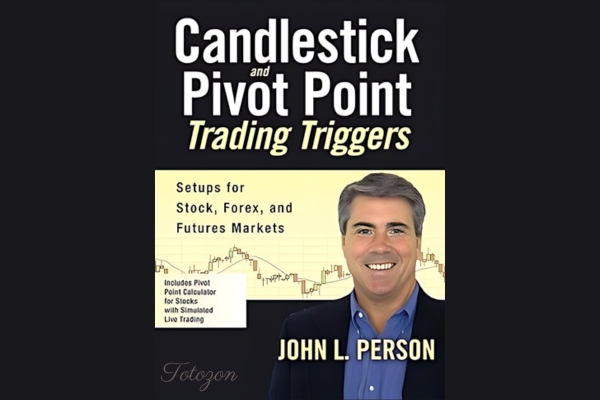 Candlestick and Pivot Point Trading Triggers with John Person
1 × $6.00
Candlestick and Pivot Point Trading Triggers with John Person
1 × $6.00 -
×
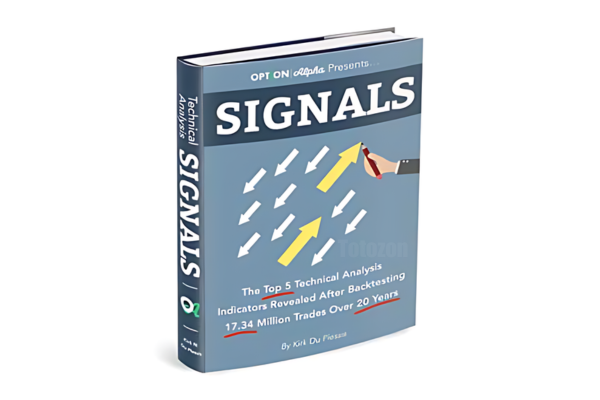 Signals
1 × $6.00
Signals
1 × $6.00 -
×
 ICT Charter Complete Course (2019)
1 × $13.00
ICT Charter Complete Course (2019)
1 × $13.00 -
×
 Advanced Spread Trading with Guy Bower - MasterClass Trader
1 × $15.00
Advanced Spread Trading with Guy Bower - MasterClass Trader
1 × $15.00 -
×
 The Prop Trading Code with Brannigan Barrett - Axia Futures
1 × $23.00
The Prop Trading Code with Brannigan Barrett - Axia Futures
1 × $23.00 -
×
 Deep Dive Butterfly Trading Strategy Class with SJG Trades
1 × $41.00
Deep Dive Butterfly Trading Strategy Class with SJG Trades
1 × $41.00 -
×
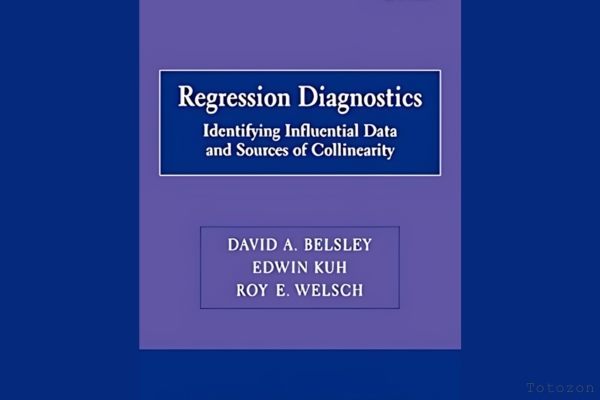 Regression Diagnostics: Identifying Influential Data and Sources of Collinearity with David Belsey, Edwin Kuh & Roy Welsch
1 × $6.00
Regression Diagnostics: Identifying Influential Data and Sources of Collinearity with David Belsey, Edwin Kuh & Roy Welsch
1 × $6.00 -
×
 0 DTE Options Trading Workshop with Aeromir Corporation
1 × $15.00
0 DTE Options Trading Workshop with Aeromir Corporation
1 × $15.00 -
×
 The Indices Orderflow Masterclass with The Forex Scalpers
1 × $23.00
The Indices Orderflow Masterclass with The Forex Scalpers
1 × $23.00 -
×
 More on the Short Cycles of Interest Rates (Article) with Arie Melnik, Alan Kraus
1 × $6.00
More on the Short Cycles of Interest Rates (Article) with Arie Melnik, Alan Kraus
1 × $6.00 -
×
 Pine Script Mastery Course with Matthew Slabosz
1 × $5.00
Pine Script Mastery Course with Matthew Slabosz
1 × $5.00 -
×
 NodeTrader (+ open code) (Nov 2014)
1 × $6.00
NodeTrader (+ open code) (Nov 2014)
1 × $6.00 -
×
 The Michanics of Futures Trading - Roy Habben
1 × $6.00
The Michanics of Futures Trading - Roy Habben
1 × $6.00 -
×
 High Probability Trading Using Elliott Wave And Fibonacci Analysis withVic Patel - Forex Training Group
1 × $10.00
High Probability Trading Using Elliott Wave And Fibonacci Analysis withVic Patel - Forex Training Group
1 × $10.00 -
×
 Master Stock Course
1 × $6.00
Master Stock Course
1 × $6.00 -
×
 Sixpart Study Guide to Market Profile
1 × $6.00
Sixpart Study Guide to Market Profile
1 × $6.00 -
×
 Starting Out in Futures Trading with Mark Powers
1 × $6.00
Starting Out in Futures Trading with Mark Powers
1 × $6.00 -
×
 Advanced Trading Applications of Candlestick Charting with Gary S.Wagner & Bradley L.Matheny
1 × $6.00
Advanced Trading Applications of Candlestick Charting with Gary S.Wagner & Bradley L.Matheny
1 × $6.00 -
×
 Candlestick Charts with Clive Lambert
1 × $6.00
Candlestick Charts with Clive Lambert
1 × $6.00 -
×
 Risk Management Toolkit with Peter Bain
1 × $6.00
Risk Management Toolkit with Peter Bain
1 × $6.00 -
×
 TRADING NFX Course with Andrew NFX
1 × $5.00
TRADING NFX Course with Andrew NFX
1 × $5.00 -
×
 The Best of the Professional Traders Journal. Market Timing with Larry Connors
1 × $6.00
The Best of the Professional Traders Journal. Market Timing with Larry Connors
1 × $6.00 -
×
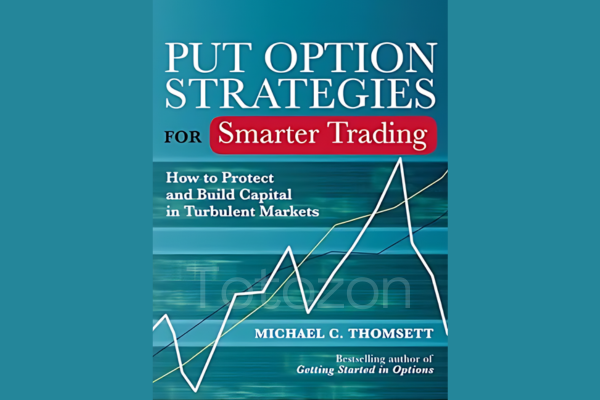 Put Option Strategies for Smarter Trading with Michael Thomsett
1 × $6.00
Put Option Strategies for Smarter Trading with Michael Thomsett
1 × $6.00 -
×
 George Bayer Squarring the Circle for Excel
1 × $6.00
George Bayer Squarring the Circle for Excel
1 × $6.00 -
×
 5 Day Bootcamp with AWFX AnthonysWorld
1 × $34.00
5 Day Bootcamp with AWFX AnthonysWorld
1 × $34.00 -
×
 Developing the Psychological Trader’s Edge with Robin Dayne
1 × $6.00
Developing the Psychological Trader’s Edge with Robin Dayne
1 × $6.00 -
×
 Forecast 2012 Report with Larry Williams
1 × $6.00
Forecast 2012 Report with Larry Williams
1 × $6.00 -
×
 Futures Trading Secrets Home Study Course 2008 with Bill McCready
1 × $6.00
Futures Trading Secrets Home Study Course 2008 with Bill McCready
1 × $6.00 -
×
 The Precision Profit Float Indicator (TS Code & Setups) with Steve Woods
1 × $6.00
The Precision Profit Float Indicator (TS Code & Setups) with Steve Woods
1 × $6.00 -
×
 Advanced Scalping Techniques Home Study Course with Sami Abusaad - T3Live
1 × $31.00
Advanced Scalping Techniques Home Study Course with Sami Abusaad - T3Live
1 × $31.00 -
×
 How to be a Sector Investor with Larry Hungerford & Steve Hungerford
1 × $4.00
How to be a Sector Investor with Larry Hungerford & Steve Hungerford
1 × $4.00 -
×
 Investing with LEAPS. What You Should Know About Long Term Investing with James Bittman
1 × $6.00
Investing with LEAPS. What You Should Know About Long Term Investing with James Bittman
1 × $6.00 -
×
 Daytrade (Italian) with Guiuseppe Migliorino
1 × $6.00
Daytrade (Italian) with Guiuseppe Migliorino
1 × $6.00 -
×
 Financial Freedom Mastery Course with Freedom Team Trading
1 × $31.00
Financial Freedom Mastery Course with Freedom Team Trading
1 × $31.00 -
×
 The Complete Guide to Multiple Time Frame Analysis & Reading Price Action with Aiman Almansoori
1 × $13.00
The Complete Guide to Multiple Time Frame Analysis & Reading Price Action with Aiman Almansoori
1 × $13.00 -
×
 Quantifiable Edges – Gold Subscription with Rob Hanna
1 × $54.00
Quantifiable Edges – Gold Subscription with Rob Hanna
1 × $54.00 -
×
 How To Read The Market Professionally with TradeSmart
1 × $27.00
How To Read The Market Professionally with TradeSmart
1 × $27.00 -
×
 QuickBooks 2003 Official Guide
1 × $6.00
QuickBooks 2003 Official Guide
1 × $6.00 -
×
 Compass Trading System with Right Line Trading
1 × $39.00
Compass Trading System with Right Line Trading
1 × $39.00 -
×
 Secrets of the Trading Pros with Jack Bouroudjan & Terrence Duffy
1 × $6.00
Secrets of the Trading Pros with Jack Bouroudjan & Terrence Duffy
1 × $6.00 -
×
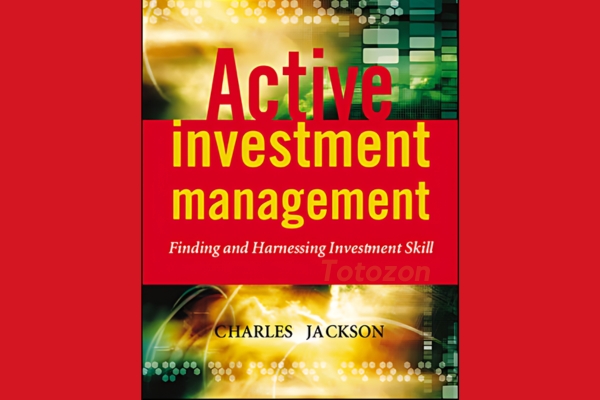 Active Investment Management: Finding and Harnessing Investment Skill with Charles Jackson
1 × $6.00
Active Investment Management: Finding and Harnessing Investment Skill with Charles Jackson
1 × $6.00 -
×
 Essentials in Quantitative Trading QT01 By HangukQuant's
1 × $23.00
Essentials in Quantitative Trading QT01 By HangukQuant's
1 × $23.00 -
×
 Essential Skills for Consistency in Trading Class with Don Kaufman
1 × $6.00
Essential Skills for Consistency in Trading Class with Don Kaufman
1 × $6.00
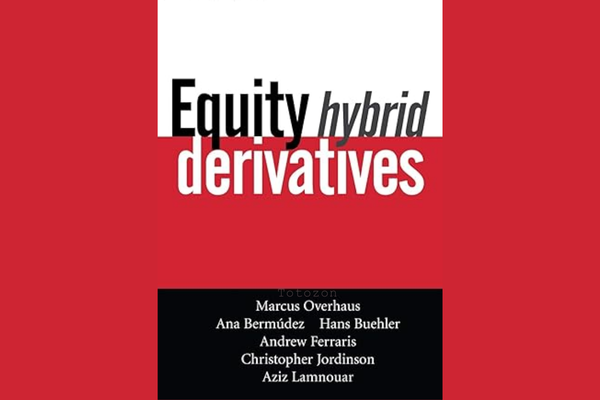
Equity Derivates with Marcus Overhaus, Andrew Ferraris, Thomas Knudsen, Ross Milward, Laurent Nguyen-Ngoc & Gero Schindlmayr
$6.00
File Size: Coming soon!
Delivery Time: 1–12 hours
Media Type: Online Course
Content Proof: Watch Here!
You may check content proof of “Equity Derivates with Marcus Overhaus, Andrew Ferraris, Thomas Knudsen, Ross Milward, Laurent Nguyen-Ngoc & Gero Schindlmayr” below:

Introduction to Equity Derivatives
Equity derivatives are financial instruments whose value is derived from the price movements of underlying equity securities. These sophisticated tools allow investors to hedge risks, speculate on market movements, and enhance portfolio performance. In the comprehensive work by Marcus Overhaus, Andrew Ferraris, Thomas Knudsen, Ross Milward, Laurent Nguyen-Ngoc, and Gero Schindlmayr, the intricacies of equity derivatives are thoroughly explored.
Understanding the Basics
What Are Equity Derivatives?
Equity derivatives include options, futures, swaps, and other structured products. These instruments can be complex, but at their core, they are contracts that derive their value from the performance of underlying equity assets.
Types of Equity Derivatives
Options
Options give the holder the right, but not the obligation, to buy or sell an asset at a predetermined price before a specific date. They are classified into two main types: calls and puts.
Futures
Futures are contracts obligating the buyer to purchase, and the seller to sell, an asset at a predetermined future date and price. They are standardized and traded on exchanges.
Swaps
Swaps are agreements between two parties to exchange sequences of cash flows for a set period. The most common equity swap is where one party pays the return of a stock or stock index and receives a fixed or floating interest rate in return.
Benefits of Equity Derivatives
Equity derivatives offer several advantages, including risk management, leveraging positions, and access to otherwise inaccessible markets.
Advanced Concepts in Equity Derivatives
Pricing Models
Black-Scholes Model
The Black-Scholes model is a mathematical model for pricing an options contract. It considers factors such as the stock price, strike price, time to expiration, risk-free rate, and volatility.
Binomial Model
The Binomial model calculates the various possible paths the stock price could take and the value of the option at each path’s end. It is particularly useful for American options, which can be exercised before expiration.
Risk Management with Derivatives
Hedging Strategies
Hedging involves taking a position in a derivative to offset potential losses in another investment. Common strategies include protective puts and covered calls.
Speculation and Arbitrage
Speculators use derivatives to bet on the future direction of the market, while arbitrageurs exploit price discrepancies in different markets to earn risk-free profits.
Market Participants
Hedge Funds
Hedge funds use equity derivatives to achieve higher returns through sophisticated strategies that may include leveraging and short selling.
Pension Funds
Pension funds use derivatives to manage the risk associated with their long-term obligations to retirees.
Retail Investors
Retail investors also engage in derivatives trading, often seeking to enhance returns or hedge individual stock positions.
Regulation and Market Structure
Regulatory Environment
The trading of equity derivatives is heavily regulated to protect investors and ensure market integrity. Key regulatory bodies include the SEC in the United States and ESMA in Europe.
Market Structure
Equity derivatives are traded on exchanges such as the Chicago Board Options Exchange (CBOE) and the International Securities Exchange (ISE), as well as over-the-counter (OTC) markets.
Challenges in Trading Equity Derivatives
Market Risk
Market risk refers to the potential losses due to adverse movements in the price of the underlying equity.
Liquidity Risk
Liquidity risk arises when there is not enough volume in the market to easily enter or exit positions without significantly affecting the price.
Operational Risk
Operational risk involves losses due to failures in internal processes, systems, or external events.
Future Trends in Equity Derivatives
Technological Advancements
Advancements in technology, including algorithmic trading and artificial intelligence, are transforming the equity derivatives market.
Sustainability and ESG
The integration of Environmental, Social, and Governance (ESG) factors into derivatives trading is gaining traction, as investors seek to align their portfolios with sustainable practices.
Globalization
The globalization of financial markets is increasing access to equity derivatives across different regions, enhancing liquidity and offering more opportunities for diversification.
Conclusion
Equity derivatives are powerful financial instruments that offer numerous benefits, including risk management, speculation, and enhanced portfolio performance. The work of Marcus Overhaus, Andrew Ferraris, Thomas Knudsen, Ross Milward, Laurent Nguyen-Ngoc, and Gero Schindlmayr provides an in-depth understanding of these tools, making them accessible to both novice and experienced investors.
FAQs
1. What are equity derivatives?
Equity derivatives are financial instruments whose value is derived from the price movements of underlying equity securities, such as stocks.
2. How are options different from futures?
Options give the holder the right to buy or sell an asset at a specific price, while futures obligate the buyer and seller to transact at a set price and date in the future.
3. What is the Black-Scholes model?
The Black-Scholes model is a mathematical model used to price options by considering factors like stock price, strike price, time to expiration, risk-free rate, and volatility.
4. How do hedge funds use derivatives?
Hedge funds use derivatives to implement sophisticated strategies aimed at achieving higher returns, including leveraging and short selling.
5. What are the risks associated with trading equity derivatives?
The primary risks include market risk, liquidity risk, and operational risk, each of which can impact the profitability and feasibility of trading these instruments.
Be the first to review “Equity Derivates with Marcus Overhaus, Andrew Ferraris, Thomas Knudsen, Ross Milward, Laurent Nguyen-Ngoc & Gero Schindlmayr”
You must be logged in to post a review.
Related products
Forex Trading
Original price was: $1,098.00.$39.00Current price is: $39.00.
Original price was: $895.00.$15.00Current price is: $15.00.

Forex Trading
Original price was: $1,898.00.$10.00Current price is: $10.00.
Forex Trading
Original price was: $850.00.$23.00Current price is: $23.00.

Original price was: $799.00.$15.00Current price is: $15.00.
Original price was: $1,200.00.$23.00Current price is: $23.00.
Forex Trading
Original price was: $999.00.$15.00Current price is: $15.00.

Original price was: $1,800.00.$54.00Current price is: $54.00.

Original price was: $139.00.$23.00Current price is: $23.00.

Original price was: $999.00.$5.00Current price is: $5.00.
Forex Trading
Original price was: $797.00.$10.00Current price is: $10.00.

Forex Trading
Original price was: $697.00.$5.00Current price is: $5.00.
Forex Trading
Original price was: $500.00.$5.00Current price is: $5.00.

Forex Trading
Original price was: $249.00.$15.00Current price is: $15.00.
Original price was: $450.00.$23.00Current price is: $23.00.

Forex Trading
Original price was: $799.00.$15.00Current price is: $15.00.

Original price was: $299.00.$8.00Current price is: $8.00.

Forex Trading
Original price was: $499.00.$15.00Current price is: $15.00.

Original price was: $310.00.$23.00Current price is: $23.00.

Original price was: $197.00.$5.00Current price is: $5.00.
Reviews
There are no reviews yet.