
-
×
 The House Always Wins with jasonbondpicks
1 × $6.00
The House Always Wins with jasonbondpicks
1 × $6.00 -
×
 The Best of the Professional Traders Journal. Market Timing with Larry Connors
1 × $6.00
The Best of the Professional Traders Journal. Market Timing with Larry Connors
1 × $6.00 -
×
 RiskDoctor RD1 – Introduction to Options Trading the RiskDoctor Way with Charles Cottle
1 × $6.00
RiskDoctor RD1 – Introduction to Options Trading the RiskDoctor Way with Charles Cottle
1 × $6.00 -
×
 Secret Day - Swing Trading Strategy For Stock, Forex, Crypto with Value Stocks
1 × $5.00
Secret Day - Swing Trading Strategy For Stock, Forex, Crypto with Value Stocks
1 × $5.00 -
×
 FMG Online Course with FMG Traders
1 × $6.00
FMG Online Course with FMG Traders
1 × $6.00 -
×
 Forex Trading Secrets. Trading Strategies for the Forex Market
1 × $6.00
Forex Trading Secrets. Trading Strategies for the Forex Market
1 × $6.00 -
×
 Pro Indicator Pack with Trade Confident
1 × $15.00
Pro Indicator Pack with Trade Confident
1 × $15.00 -
×
 Options Education FULL Course 30+ Hours with Macrohedged
1 × $23.00
Options Education FULL Course 30+ Hours with Macrohedged
1 × $23.00 -
×
 Technical Analysis By JC Parets - Investopedia Academy
1 × $15.00
Technical Analysis By JC Parets - Investopedia Academy
1 × $15.00 -
×
 Trading From Your Gut with Curtis Faith
1 × $6.00
Trading From Your Gut with Curtis Faith
1 × $6.00 -
×
 High Rollers Mega Course Bundle - 13 Market Moves
1 × $39.00
High Rollers Mega Course Bundle - 13 Market Moves
1 × $39.00 -
×
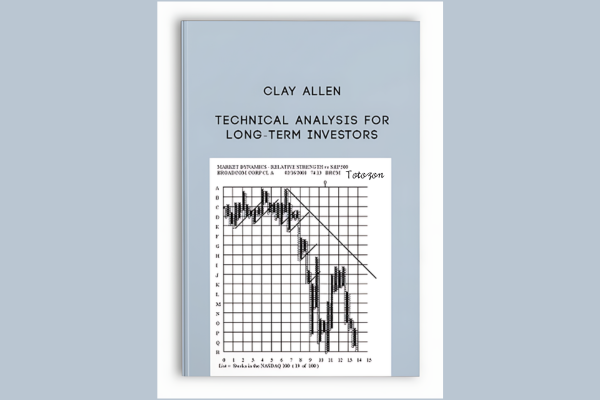 Technical Analysis for Long-Term Investors with Clay Allen
1 × $6.00
Technical Analysis for Long-Term Investors with Clay Allen
1 × $6.00 -
×
 The Handbook of Alternative Investments with Darrell R.Jobman
1 × $6.00
The Handbook of Alternative Investments with Darrell R.Jobman
1 × $6.00 -
×
 Trading Against the Crowd with John Summa
1 × $6.00
Trading Against the Crowd with John Summa
1 × $6.00 -
×
 Commodity Futures Traders Club (CTCN) Issues 01 – 77
1 × $6.00
Commodity Futures Traders Club (CTCN) Issues 01 – 77
1 × $6.00 -
×
 Butterfly and Condor Workshop with Aeromir
1 × $15.00
Butterfly and Condor Workshop with Aeromir
1 × $15.00 -
×
 Cyclic Analysis. A BreakThrough in Transaction Timing with Cyclitec Services
1 × $6.00
Cyclic Analysis. A BreakThrough in Transaction Timing with Cyclitec Services
1 × $6.00 -
×
 Random Walk Trading - J.L.Lord - One Strategy for All Markets
1 × $6.00
Random Walk Trading - J.L.Lord - One Strategy for All Markets
1 × $6.00 -
×
 The Day Trading ES Futures Blueprint Class with Corey Rosenbloom
1 × $6.00
The Day Trading ES Futures Blueprint Class with Corey Rosenbloom
1 × $6.00 -
×
 Concerning The More Certain Fundamentals Of Astrology
1 × $6.00
Concerning The More Certain Fundamentals Of Astrology
1 × $6.00 -
×
 Trading 3SMA System with Hector DeVille
1 × $6.00
Trading 3SMA System with Hector DeVille
1 × $6.00 -
×
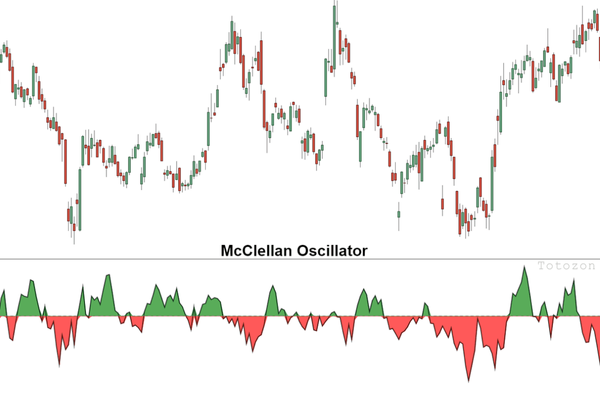 The McClellan Oscillator and Other Tools for with Tom McClellan
1 × $6.00
The McClellan Oscillator and Other Tools for with Tom McClellan
1 × $6.00 -
×
 ProfileTraders - 5 course bundle
1 × $23.00
ProfileTraders - 5 course bundle
1 × $23.00 -
×
 Ultimate Trading Course with Dodgy's Dungeon
1 × $8.00
Ultimate Trading Course with Dodgy's Dungeon
1 × $8.00 -
×
 Trading Hub 4.0 with Mr. Khan
1 × $27.00
Trading Hub 4.0 with Mr. Khan
1 × $27.00 -
×
 How to Analyze Multifamily Investment Opportunities with Symon He & Brandon Young
1 × $6.00
How to Analyze Multifamily Investment Opportunities with Symon He & Brandon Young
1 × $6.00 -
×
 Cotton Trading Manual with Terry Townsend
1 × $6.00
Cotton Trading Manual with Terry Townsend
1 × $6.00 -
×
 Emini Bonds
1 × $23.00
Emini Bonds
1 × $23.00 -
×
 Home Run Options Trading Course with Dave Aquino - Base Camp Trading
1 × $11.00
Home Run Options Trading Course with Dave Aquino - Base Camp Trading
1 × $11.00 -
×
 The Nature of Risk with Justin Mamis
1 × $6.00
The Nature of Risk with Justin Mamis
1 × $6.00 -
×
 Complete Series
1 × $31.00
Complete Series
1 × $31.00 -
×
 Chart Pattern Profits
1 × $6.00
Chart Pattern Profits
1 × $6.00 -
×
 Crash Profits Make Money When Stocks Sink and Soar with Martin D.Weiss
1 × $6.00
Crash Profits Make Money When Stocks Sink and Soar with Martin D.Weiss
1 × $6.00 -
×
 Bond Market Course with The Macro Compass
1 × $15.00
Bond Market Course with The Macro Compass
1 × $15.00 -
×
 Generative AI for Asset Managers Workshop Recording with Ernest Chan
1 × $55.00
Generative AI for Asset Managers Workshop Recording with Ernest Chan
1 × $55.00 -
×
 Futures & Options for Dummies with Joe Duarte
1 × $6.00
Futures & Options for Dummies with Joe Duarte
1 × $6.00 -
×
 Financial Markets Online – VIP Membership with James Bentley
1 × $6.00
Financial Markets Online – VIP Membership with James Bentley
1 × $6.00 -
×
 Simple Forex Profits with Rayy Bannzz
1 × $31.00
Simple Forex Profits with Rayy Bannzz
1 × $31.00 -
×
 Traders Edge with Steven Dux
1 × $5.00
Traders Edge with Steven Dux
1 × $5.00 -
×
 A Trader's Guide to Self-Discipline: Proven Techniques to Improve Trading Profits
1 × $6.00
A Trader's Guide to Self-Discipline: Proven Techniques to Improve Trading Profits
1 × $6.00 -
×
 Fast Track Course with Tradelikerocket
1 × $233.00
Fast Track Course with Tradelikerocket
1 × $233.00 -
×
 Spread Trading
1 × $6.00
Spread Trading
1 × $6.00 -
×
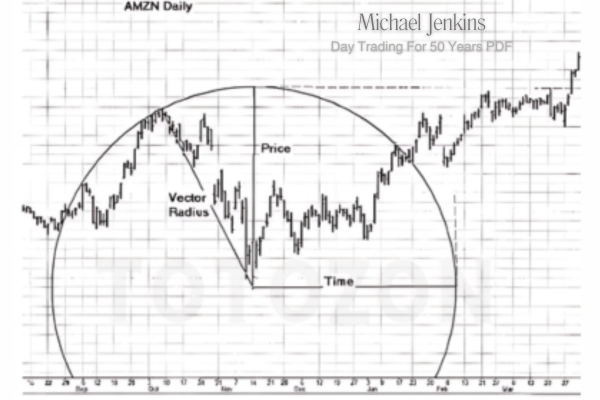 Day Trading For 50 Years PDF with Michael Jenkins
1 × $6.00
Day Trading For 50 Years PDF with Michael Jenkins
1 × $6.00 -
×
 Simpler Options - Weekly Butterflies for Income
1 × $6.00
Simpler Options - Weekly Butterflies for Income
1 × $6.00 -
×
 Examination Morning Session – Essay (2003) with CFA Level 3
1 × $6.00
Examination Morning Session – Essay (2003) with CFA Level 3
1 × $6.00 -
×
 The Crypto Code with Joel Peterson - Adam Short
1 × $15.00
The Crypto Code with Joel Peterson - Adam Short
1 × $15.00 -
×
 Researching your Trade
1 × $6.00
Researching your Trade
1 × $6.00 -
×
 Quantamentals - The Next Great Forefront Of Trading and Investing with Trading Markets
1 × $8.00
Quantamentals - The Next Great Forefront Of Trading and Investing with Trading Markets
1 × $8.00 -
×
 Activedaytrader - Mastering Technicals
1 × $15.00
Activedaytrader - Mastering Technicals
1 × $15.00 -
×
 ICT – Inner Circle Trader 2020 Weekly Review
1 × $20.00
ICT – Inner Circle Trader 2020 Weekly Review
1 × $20.00 -
×
 The Prop Trading Code with Brannigan Barrett - Axia Futures
1 × $23.00
The Prop Trading Code with Brannigan Barrett - Axia Futures
1 × $23.00 -
×
 How to Capture Big Profits from Explosive Markets with Glen Ring
1 × $6.00
How to Capture Big Profits from Explosive Markets with Glen Ring
1 × $6.00 -
×
 Elite Gap Trading with Nick Santiago - InTheMoneyStocks
1 × $93.00
Elite Gap Trading with Nick Santiago - InTheMoneyStocks
1 × $93.00 -
×
 The Compleat DayTrader I & II with Jack Bernstein
1 × $6.00
The Compleat DayTrader I & II with Jack Bernstein
1 × $6.00 -
×
 The Correlation Code with Jason Fielder
1 × $6.00
The Correlation Code with Jason Fielder
1 × $6.00 -
×
 Cecil Robles Advent Forex Course & Indicators with Adventforex
1 × $6.00
Cecil Robles Advent Forex Course & Indicators with Adventforex
1 × $6.00 -
×
 The Trading Blueprint with Brad Goh - The Trading Geek
1 × $5.00
The Trading Blueprint with Brad Goh - The Trading Geek
1 × $5.00 -
×
 Collection of Articles and Webinars with Sunil Mangwani [9 Videos (FLVs) + 14 eBooks
1 × $6.00
Collection of Articles and Webinars with Sunil Mangwani [9 Videos (FLVs) + 14 eBooks
1 × $6.00 -
×
 The Complete Guide to Multiple Time Frame Analysis & Reading Price Action with Aiman Almansoori
1 × $13.00
The Complete Guide to Multiple Time Frame Analysis & Reading Price Action with Aiman Almansoori
1 × $13.00 -
×
 Stock Market Strategies That Work with Jack Bernstein
1 × $6.00
Stock Market Strategies That Work with Jack Bernstein
1 × $6.00 -
×
 Accelerated Learning Techniques in Action with Colin Rose, Jayne Nicholl & Malcolm Nicholl
1 × $6.00
Accelerated Learning Techniques in Action with Colin Rose, Jayne Nicholl & Malcolm Nicholl
1 × $6.00 -
×
 SQX Mentorship with Tip Toe Hippo
1 × $23.00
SQX Mentorship with Tip Toe Hippo
1 × $23.00 -
×
 Basecamptrading - How to Become a More Consistent Trader
1 × $15.00
Basecamptrading - How to Become a More Consistent Trader
1 × $15.00 -
×
 Cyber Trading University - Power Trading 7 CD
1 × $8.00
Cyber Trading University - Power Trading 7 CD
1 × $8.00 -
×
 TECHNICAL ANALYSIS MODULE
1 × $6.00
TECHNICAL ANALYSIS MODULE
1 × $6.00 -
×
 DApp Mastermind (Crypto DApps) – Passive Income with DApps and SMART Contracts with Jason BTO
1 × $6.00
DApp Mastermind (Crypto DApps) – Passive Income with DApps and SMART Contracts with Jason BTO
1 × $6.00 -
×
 High Probability Trading Using Elliott Wave And Fibonacci Analysis withVic Patel - Forex Training Group
1 × $10.00
High Probability Trading Using Elliott Wave And Fibonacci Analysis withVic Patel - Forex Training Group
1 × $10.00 -
×
 Andy’s EMini Bar – 60 Min System
1 × $6.00
Andy’s EMini Bar – 60 Min System
1 × $6.00 -
×
 Show Tax Losses On Your 1040, Yet Show Lenders You Are Making Money! with Information Services Unlimited
1 × $6.00
Show Tax Losses On Your 1040, Yet Show Lenders You Are Making Money! with Information Services Unlimited
1 × $6.00 -
×
 Gold Trading Boot Camp: How to Master the Basics and Become a Successful Commodities Investor - Gregory Weldon & Dennis Gartman
1 × $6.00
Gold Trading Boot Camp: How to Master the Basics and Become a Successful Commodities Investor - Gregory Weldon & Dennis Gartman
1 × $6.00 -
×
 The Complete Turtle Trader with Michael Covel
1 × $6.00
The Complete Turtle Trader with Michael Covel
1 × $6.00 -
×
 Renko Profits Accelerator
1 × $15.00
Renko Profits Accelerator
1 × $15.00 -
×
 Best of the Best: Collars with Amy Meissner & Scott Ruble
1 × $15.00
Best of the Best: Collars with Amy Meissner & Scott Ruble
1 × $15.00

Trading the Elliott Waves with Robert Prechter
Original price was: $79.00.$15.00Current price is: $15.00.
File Size: Coming soon!
Delivery Time: 1–12 hours
Media Type: Online Course
Trading the Elliott Waves with Robert Prechter
Introduction to Elliott Wave Theory
The financial markets are often seen as unpredictable and chaotic. However, Ralph Nelson Elliott proposed a theory that markets move in repetitive patterns or waves. Trading the Elliott Waves with Robert Prechter delves deep into this theory, offering traders valuable insights and strategies to capitalize on these patterns.
What is Elliott Wave Theory?
Basic Concepts
Elliott Wave Theory suggests that market prices move in predictable patterns called waves. These waves are a reflection of the collective investor psychology, which swings between optimism and pessimism.
Structure of Waves
- Impulse Waves: Move in the direction of the overall trend and consist of five waves.
- Corrective Waves: Move against the trend and consist of three waves.
Who is Robert Prechter?
A Pioneer in Elliott Wave Theory
Robert Prechter is one of the most renowned experts in Elliott Wave Theory. He popularized the theory through his books and founded Elliott Wave International, providing comprehensive market analysis and forecasts based on the theory.
Prechter’s Contributions
- Educational Resources: Authored numerous books and articles on Elliott Wave Theory.
- Market Forecasting: Provided accurate market predictions using wave analysis.
Understanding Impulse Waves
Five-Wave Structure
Impulse waves are composed of five distinct waves: three motive waves (1, 3, and 5) and two corrective waves (2 and 4).
Wave Characteristics
- Wave 1: The initial move up.
- Wave 2: A retracement that never goes beyond the start of wave 1.
- Wave 3: Typically the longest and strongest wave.
- Wave 4: Another retracement.
- Wave 5: The final leg up in the direction of the trend.
Understanding Corrective Waves
Three-Wave Structure
Corrective waves consist of three waves labeled A, B, and C.
Types of Corrective Waves
- Zigzag: A simple 5-3-5 pattern.
- Flat: A 3-3-5 pattern where wave B ends near the start of wave A.
- Triangle: A sideways corrective pattern.
Trading Strategies Using Elliott Wave Theory
Identifying Wave Patterns
The first step in trading with Elliott Waves is to identify the wave patterns. This involves analyzing market charts to distinguish between impulse and corrective waves.
Entry and Exit Points
- Entry Points: Often at the beginning of wave 3 or wave 5.
- Exit Points: Near the end of wave 5 or during corrective wave patterns.
Risk Management
- Stop-Loss Orders: Place stop-loss orders below the beginning of wave 1 for long positions.
- Position Sizing: Adjust position sizes based on the wave structure and market conditions.
Combining Elliott Wave with Other Indicators
Moving Averages
Moving averages can help confirm wave patterns by smoothing out price data and highlighting the trend direction.
Fibonacci Retracements
Fibonacci retracement levels often correspond with the end of corrective waves, providing potential entry points.
Relative Strength Index (RSI)
RSI can help identify overbought or oversold conditions, aligning with the end of impulse or corrective waves.
Common Challenges in Elliott Wave Trading
Subjectivity
Elliott Wave Theory is somewhat subjective, as identifying wave patterns can vary between analysts.
Complexity
The theory requires a deep understanding and practice to apply effectively, as wave patterns can be complex and multifaceted.
Market Volatility
High market volatility can make wave patterns less clear and harder to interpret.
Case Studies and Real-World Examples
Historical Market Movements
Examining historical market movements through the lens of Elliott Wave Theory can provide insights into its effectiveness.
Success Stories
Traders who have successfully used Elliott Wave Theory to predict market movements and make profitable trades.
Educational Resources for Elliott Wave Theory
Books by Robert Prechter
- Elliott Wave Principle: Prechter’s definitive guide to the theory.
- Conquer the Crash: A guide to surviving and prospering during a deflationary depression.
Online Courses and Seminars
Elliott Wave International offers a variety of online courses, webinars, and seminars to help traders master the theory.
Software and Tools for Elliott Wave Analysis
Charting Software
Many charting software programs include tools specifically for Elliott Wave analysis, making it easier to identify and track wave patterns.
Automated Wave Counting Tools
Some platforms offer automated wave counting tools to help traders identify wave patterns without manual charting.
Future Trends in Elliott Wave Theory
Integration with AI
AI and machine learning are beginning to play a role in Elliott Wave analysis, providing more precise and automated wave identification.
Increased Adoption
As more traders recognize the value of Elliott Wave Theory, its adoption continues to grow in the trading community.
Conclusion
Trading the Elliott Waves with Robert Prechter provides traders with a powerful framework for understanding and predicting market movements. By mastering the principles of Elliott Wave Theory and applying them in conjunction with other technical indicators, traders can enhance their market analysis and improve their trading success. Whether you are a novice or an experienced trader, the insights offered by Robert Prechter can help you navigate the complexities of the financial markets with greater confidence.
Frequently Asked Questions
1. What is Elliott Wave Theory?
Elliott Wave Theory is a technical analysis framework that suggests market prices move in predictable patterns or waves.
2. Who is Robert Prechter?
Robert Prechter is a renowned expert in Elliott Wave Theory, known for his educational contributions and market forecasts.
3. How can I use Elliott Wave Theory in trading?
Identify wave patterns to determine entry and exit points, and use additional indicators like moving averages and RSI for confirmation.
4. What are the main challenges in using Elliott Wave Theory?
The theory can be subjective and complex, requiring practice and deep understanding to apply effectively.
5. Where can I learn more about Elliott Wave Theory?
Books by Robert Prechter and online co
Be the first to review “Trading the Elliott Waves with Robert Prechter”
You must be logged in to post a review.
Related products

Forex Trading
Original price was: $999.00.$15.00Current price is: $15.00.

Original price was: $299.00.$8.00Current price is: $8.00.

Forex Trading
Original price was: $125.00.$17.00Current price is: $17.00.
Forex Trading
Original price was: $2,997.00.$23.00Current price is: $23.00.

Original price was: $4,995.00.$15.00Current price is: $15.00.
Forex Trading
Original price was: $499.00.$15.00Current price is: $15.00.

Forex Trading
Original price was: $2,000.00.$23.00Current price is: $23.00.

Forex Trading
Original price was: $550.00.$5.00Current price is: $5.00.
Forex Trading
The Complete Guide to Multiple Time Frame Analysis & Reading Price Action with Aiman Almansoori
Original price was: $1,399.00.$13.00Current price is: $13.00.

Forex Trading
Original price was: $397.00.$31.00Current price is: $31.00.
Forex Trading
Original price was: $799.00.$15.00Current price is: $15.00.

Forex Trading
Original price was: $500.00.$5.00Current price is: $5.00.

Original price was: $700.00.$39.00Current price is: $39.00.

Forex Trading
Original price was: $1,098.00.$39.00Current price is: $39.00.

Original price was: $497.00.$31.00Current price is: $31.00.

Forex Trading
Original price was: $4,997.00.$27.00Current price is: $27.00.

Original price was: $450.00.$23.00Current price is: $23.00.
Forex Trading
Original price was: $697.00.$5.00Current price is: $5.00.
Original price was: $799.00.$15.00Current price is: $15.00.

Forex Trading
Original price was: $2,995.00.$31.00Current price is: $31.00.

Reviews
There are no reviews yet.