
-
×
 Tick Trader Day Trading Course with David Marsh
1 × $6.00
Tick Trader Day Trading Course with David Marsh
1 × $6.00 -
×
 Investing Online with Benton E.Gup
1 × $6.00
Investing Online with Benton E.Gup
1 × $6.00 -
×
 Winning with Options with Michael Thomsett
1 × $6.00
Winning with Options with Michael Thomsett
1 × $6.00 -
×
 Calendar Trading in 2018 with Dan Sheridan
1 × $23.00
Calendar Trading in 2018 with Dan Sheridan
1 × $23.00 -
×
 OptioPit Course 2013 (Gold & Silver Course)
1 × $23.00
OptioPit Course 2013 (Gold & Silver Course)
1 × $23.00 -
×
 Winning System For Trading High-Performance Stocks with Tim Cho
1 × $6.00
Winning System For Trading High-Performance Stocks with Tim Cho
1 × $6.00 -
×
 TRADING NFX Course with Andrew NFX
1 × $5.00
TRADING NFX Course with Andrew NFX
1 × $5.00 -
×
 Beginners Guide To Technical Analysis with Henry Gambell
1 × $15.00
Beginners Guide To Technical Analysis with Henry Gambell
1 × $15.00 -
×
 Time Factors in the Stock Market
1 × $6.00
Time Factors in the Stock Market
1 × $6.00 -
×
 Patterns to Profits with Ryan Mallory - Share Planner
1 × $6.00
Patterns to Profits with Ryan Mallory - Share Planner
1 × $6.00 -
×
 Back to the Futures
1 × $31.00
Back to the Futures
1 × $31.00 -
×
 The Realistic Trader - Crypto Currencies
1 × $31.00
The Realistic Trader - Crypto Currencies
1 × $31.00 -
×
 30 Days to Market Mastery: A Step-by-Step Guide to Profitable Trading with Jack Bernstein
1 × $6.00
30 Days to Market Mastery: A Step-by-Step Guide to Profitable Trading with Jack Bernstein
1 × $6.00 -
×
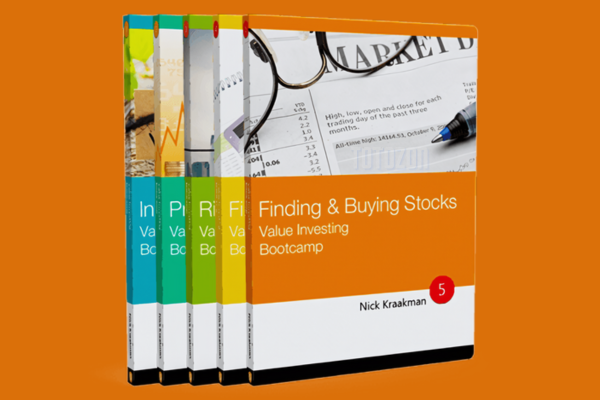 Value Investing Bootcamp with Nick Kraakman
1 × $15.00
Value Investing Bootcamp with Nick Kraakman
1 × $15.00 -
×
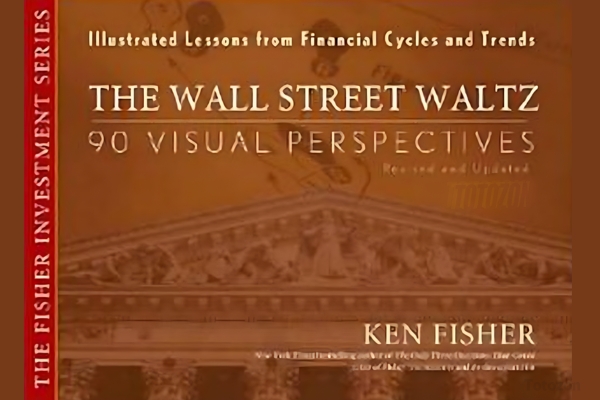 The WallStreet Waltz with Ken Fisher
1 × $6.00
The WallStreet Waltz with Ken Fisher
1 × $6.00 -
×
 CMT Association Entire Webinars
1 × $31.00
CMT Association Entire Webinars
1 × $31.00 -
×
 The Stock Market Trading Secrets of the Late (1940, scaned)
1 × $6.00
The Stock Market Trading Secrets of the Late (1940, scaned)
1 × $6.00 -
×
 WEBINAR series 5 – EXECUTION: A DETAILED PROCESS with FuturesTrader71
1 × $4.00
WEBINAR series 5 – EXECUTION: A DETAILED PROCESS with FuturesTrader71
1 × $4.00 -
×
 Limitless Trading Academy with Lorenzo Corrado
1 × $10.00
Limitless Trading Academy with Lorenzo Corrado
1 × $10.00 -
×
 The Top Tier Pro System Basic with Raghee Horner
1 × $41.00
The Top Tier Pro System Basic with Raghee Horner
1 × $41.00 -
×
 The Orderflow Masterclass with PrimeTrading
1 × $17.00
The Orderflow Masterclass with PrimeTrading
1 × $17.00 -
×
 Essentials in Quantitative Trading QT01 By HangukQuant's
1 × $23.00
Essentials in Quantitative Trading QT01 By HangukQuant's
1 × $23.00 -
×
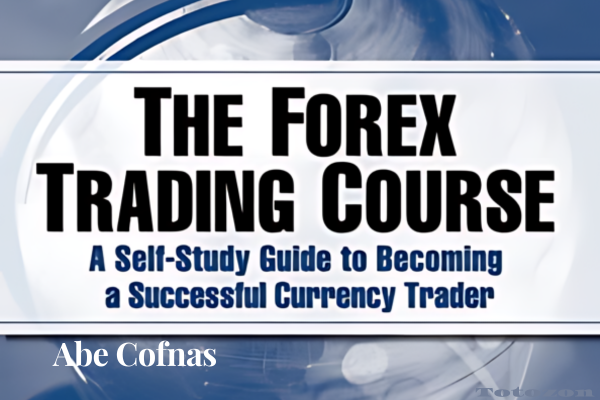 The Forex Trading Course: A Self-Study Guide To Becoming a Successful Currency Trader with Abe Cofnas
1 × $6.00
The Forex Trading Course: A Self-Study Guide To Becoming a Successful Currency Trader with Abe Cofnas
1 × $6.00 -
×
 Trading Short TermSame Day Trades Sep 2023 with Dan Sheridan & Mark Fenton - Sheridan Options Mentoring
1 × $31.00
Trading Short TermSame Day Trades Sep 2023 with Dan Sheridan & Mark Fenton - Sheridan Options Mentoring
1 × $31.00 -
×
 0 DTE Options Trading Workshop with Aeromir Corporation
1 × $15.00
0 DTE Options Trading Workshop with Aeromir Corporation
1 × $15.00 -
×
 Using Robert’s Indicators with Rob Hoffman
1 × $6.00
Using Robert’s Indicators with Rob Hoffman
1 × $6.00 -
×
 Claytrader - Options Trading Simplified
1 × $15.00
Claytrader - Options Trading Simplified
1 × $15.00 -
×
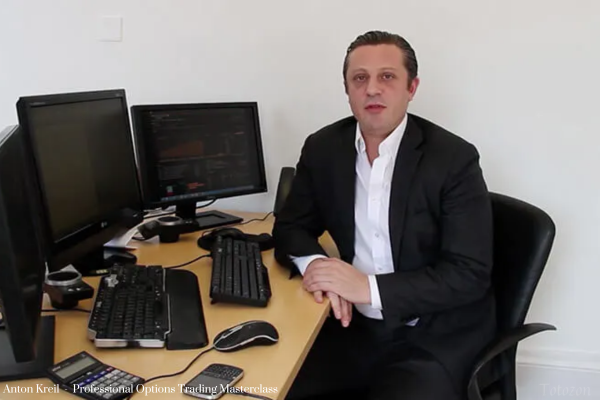 Anton Kreil - Professional Options Trading Masterclass
1 × $23.00
Anton Kreil - Professional Options Trading Masterclass
1 × $23.00 -
×
 Matrix Spread Options Trading Course with Base Camp Trading
1 × $31.00
Matrix Spread Options Trading Course with Base Camp Trading
1 × $31.00 -
×
 Rich in America: Secrets to Creating and Preserving Wealth with Jeffrey Maurer
1 × $6.00
Rich in America: Secrets to Creating and Preserving Wealth with Jeffrey Maurer
1 × $6.00 -
×
 The Hidden Order Within Stock Prices with Clay Allen
1 × $6.00
The Hidden Order Within Stock Prices with Clay Allen
1 × $6.00 -
×
 The Best Option Trading Course with David Jaffee - Best Stock Strategy
1 × $15.00
The Best Option Trading Course with David Jaffee - Best Stock Strategy
1 × $15.00 -
×
 Best Trading Strategies Revealed - The Prosperity Trading Course (BTSR)
1 × $78.00
Best Trading Strategies Revealed - The Prosperity Trading Course (BTSR)
1 × $78.00 -
×
 The A14 Weekly Option Strategy Workshop with Amy Meissner
1 × $23.00
The A14 Weekly Option Strategy Workshop with Amy Meissner
1 × $23.00 -
×
 Advanced Trading System 2020
1 × $179.00
Advanced Trading System 2020
1 × $179.00 -
×
 Crypto Trading Academy with Cheeky Investor - Aussie Day Trader
1 × $13.00
Crypto Trading Academy with Cheeky Investor - Aussie Day Trader
1 × $13.00

Monthly Newsletter 99-01 with Elliott Wave Theorist
$6.00
File Size: Coming soon!
Delivery Time: 1–12 hours
Media Type: Online Course
Content Proof: Watch Here!
You may check content proof of “Monthly Newsletter 99-01 with Elliott Wave Theorist” below:
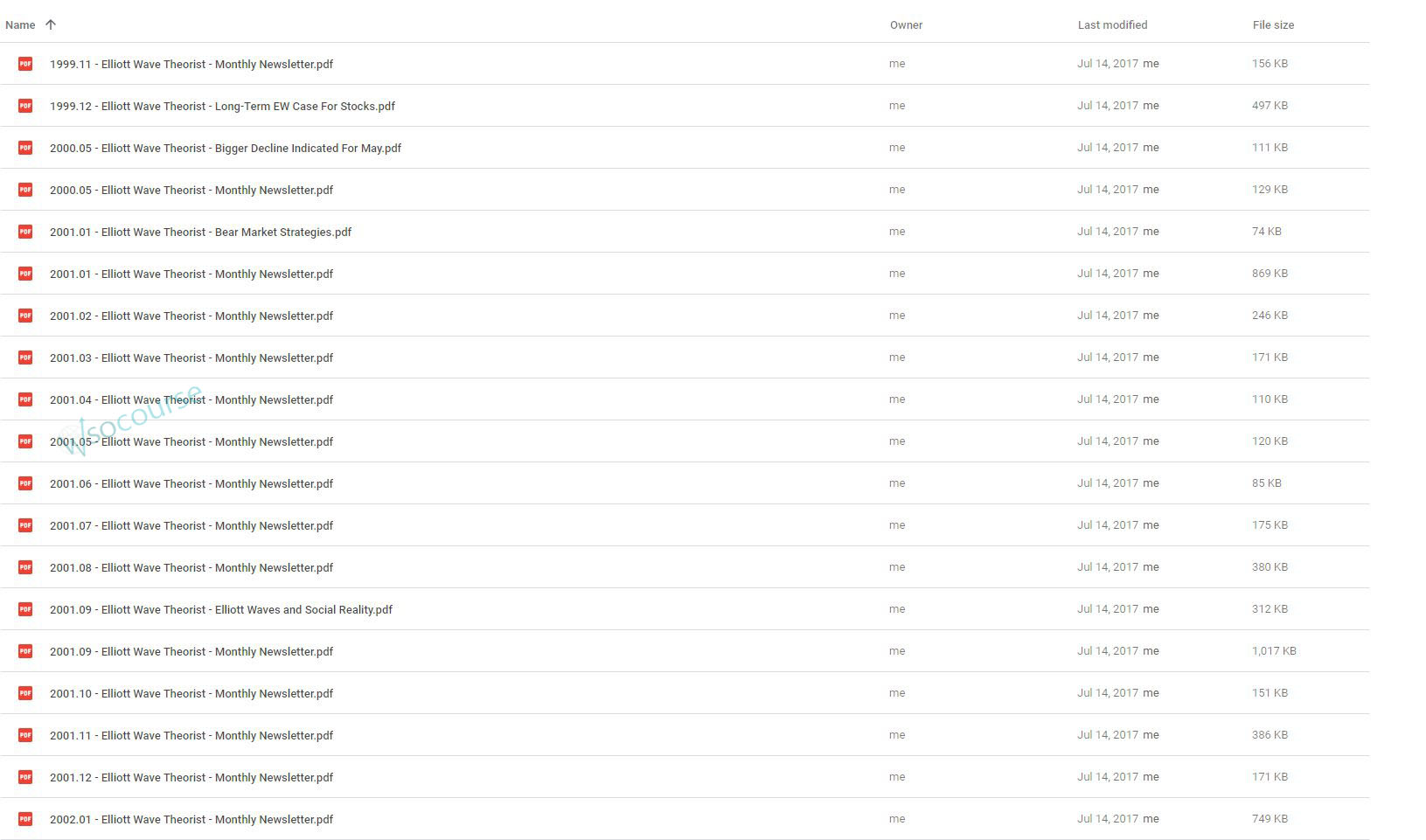
Exploring the Monthly Newsletter 99-01 with Elliott Wave Theorist
Introduction
In the late 90s, the Elliott Wave Theorist published a series of insightful newsletters that captured the essence of market dynamics through the lens of Elliott Wave Theory. This detailed look at the newsletters from 1999 to 2001 offers a unique glimpse into the application of this complex theory in understanding market trends.
The Basics of Elliott Wave Theory
Foundation and Principles
Elliott Wave Theory, developed by Ralph Nelson Elliott, is a method of technical analysis that looks at cyclic waves to predict stock market trends. The theory asserts that market movements are predictable in rhythmic patterns.
Application in Financial Markets
These newsletters utilized the theory to decode potential market movements, offering subscribers a strategic advantage.
Highlights from the 1999 Newsletters
Predicting the Tech Bubble
In 1999, as the tech bubble inflated, the newsletters provided crucial insights into its unsustainable nature, using Elliott Wave principles to forecast its burst.
Market Peaks and Troughs
Through meticulous analysis, the newsletters identified key turning points in the market, guiding investors on when to expect shifts.
The Year 2000: A Year of Volatility
Navigating Market Uncertainty
With the dot-com bubble’s burst imminent, the 2000 newsletters focused on strategies to handle the volatility, offering advice grounded in wave patterns.
Strategic Investment Tips
Subscribers received tips on safeguarding investments against the impending market corrections.
Insights from 2001
Post-Bubble Market Analysis
The aftermath of the bubble saw a confused market. The newsletters from 2001 helped demystify the direction of the market recovery.
Long-term Financial Planning
Advice extended beyond immediate market reactions, focusing on long-term investment strategies during uncertain times.
Methodology Behind the Analysis
Technical Analysis Techniques
The newsletters didn’t just preach theory; they demonstrated the application of various technical analysis tools to complement Elliott Wave predictions.
Case Studies
Real-time case studies provided subscribers with practical examples of how to apply theory to market activities.
Impact and Legacy
Influencing Traders and Analysts
These newsletters significantly influenced the strategies of many traders and analysts who subscribe to wave theory.
Educational Value
They also served an educational purpose, enhancing understanding of a complex theory through real-world applications.
Challenges and Criticisms
Skepticism in the Financial Community
Despite its advantages, Elliott Wave Theory—and by extension, the newsletters—faced skepticism for its perceived subjectivity in wave interpretation.
Addressing the Criticisms
The newsletters often tackled these criticisms head-on, defending the theory’s validity with empirical evidence.
Conclusion
The Monthly Newsletter 99-01 with Elliott Wave Theorist represents a critical piece of financial literature that offered timely, theory-backed insights during one of the most tumultuous periods in modern financial history. Their legacy is a testament to the enduring value of combining theory with practical market analysis.
FAQs
- What is Elliott Wave Theory?
- Elliott Wave Theory is a form of technical analysis that predicts market trends by identifying recurring wave patterns.
- How did the newsletters use Elliott Wave Theory?
- They applied the theory to analyze and predict market movements, offering strategic advice to subscribers.
- What was significant about the newsletters during the tech bubble?
- They provided foresight into the bubble’s burst, using wave patterns to predict when the market would turn.
- Can Elliott Wave Theory be applied today?
- Yes, it remains a valuable tool for technical analysts and traders looking to understand and predict market trends.
- What were some criticisms faced by the newsletters?
- Critics argued that the theory is too subjective, relying heavily on the analyst’s interpretation of wave patterns.
Be the first to review “Monthly Newsletter 99-01 with Elliott Wave Theorist”
You must be logged in to post a review.
Related products
Forex Trading
Original price was: $125.00.$17.00Current price is: $17.00.

Original price was: $299.00.$8.00Current price is: $8.00.
Forex Trading
Original price was: $397.00.$31.00Current price is: $31.00.

Original price was: $649.00.$20.00Current price is: $20.00.

Forex Trading
Original price was: $697.00.$5.00Current price is: $5.00.

Forex Trading
Original price was: $249.00.$15.00Current price is: $15.00.
Original price was: $310.00.$23.00Current price is: $23.00.

Original price was: $1,800.00.$54.00Current price is: $54.00.
Original price was: $1,849.00.$15.00Current price is: $15.00.

Original price was: $197.00.$5.00Current price is: $5.00.

Original price was: $997.00.$8.00Current price is: $8.00.

Forex Trading
Original price was: $4,997.00.$27.00Current price is: $27.00.
Original price was: $497.00.$31.00Current price is: $31.00.

Original price was: $2,120.00.$15.00Current price is: $15.00.

Original price was: $1,200.00.$23.00Current price is: $23.00.

Original price was: $497.00.$11.00Current price is: $11.00.

Original price was: $695.00.$41.00Current price is: $41.00.

Forex Trading
Quantamentals – The Next Great Forefront Of Trading and Investing with Trading Markets
Original price was: $1,495.00.$8.00Current price is: $8.00.

Forex Trading
Original price was: $1,098.00.$39.00Current price is: $39.00.

Original price was: $999.00.$5.00Current price is: $5.00.

Reviews
There are no reviews yet.