
-
×
 Perfect Publishing System Elite with Johnny Andrews
1 × $6.00
Perfect Publishing System Elite with Johnny Andrews
1 × $6.00 -
×
 Trading a Living Thing (Article) with David Bowden
1 × $6.00
Trading a Living Thing (Article) with David Bowden
1 × $6.00 -
×
 How to Capture Big Profits from Explosive Markets with Glen Ring
1 × $6.00
How to Capture Big Profits from Explosive Markets with Glen Ring
1 × $6.00 -
×
 Basecamptrading - Naked Trading Part 2
1 × $6.00
Basecamptrading - Naked Trading Part 2
1 × $6.00 -
×
 The Complete 32 Plus Hour Video Course Bundle with Rob Hoffman - Become a Better Trader
1 × $6.00
The Complete 32 Plus Hour Video Course Bundle with Rob Hoffman - Become a Better Trader
1 × $6.00 -
×
 Affinity Foundation Option Course with Affinitytrading
1 × $6.00
Affinity Foundation Option Course with Affinitytrading
1 × $6.00 -
×
 Simpler Options - Double Diagonals Class
1 × $6.00
Simpler Options - Double Diagonals Class
1 × $6.00 -
×
 D.A.T.E. Unlock Your Trading DNA Worskshop with Geoff Bysshe
1 × $6.00
D.A.T.E. Unlock Your Trading DNA Worskshop with Geoff Bysshe
1 × $6.00 -
×
 War Room Technicals Vol. 3 with Trick Trades
1 × $6.00
War Room Technicals Vol. 3 with Trick Trades
1 × $6.00 -
×
 Complete Trading Course with Sean Dekmar
1 × $5.00
Complete Trading Course with Sean Dekmar
1 × $5.00 -
×
 Advanced Spread Trading with Guy Bower - MasterClass Trader
1 × $15.00
Advanced Spread Trading with Guy Bower - MasterClass Trader
1 × $15.00 -
×
 Butterfly and Condor Workshop with Aeromir
1 × $15.00
Butterfly and Condor Workshop with Aeromir
1 × $15.00 -
×
 Day Trading and Swing Trading Futures with Price Action by Humberto Malaspina
1 × $5.00
Day Trading and Swing Trading Futures with Price Action by Humberto Malaspina
1 × $5.00 -
×
 Pattern Cycles with Alan Farley
1 × $6.00
Pattern Cycles with Alan Farley
1 × $6.00 -
×
 4D Bootcamp with Black Rabbit
1 × $10.00
4D Bootcamp with Black Rabbit
1 × $10.00 -
×
 Option Income Stream System 2004
1 × $6.00
Option Income Stream System 2004
1 × $6.00 -
×
 HYDRA 3 Day Bootcamp
1 × $5.00
HYDRA 3 Day Bootcamp
1 × $5.00 -
×
 Compass Trading System with Right Line Trading
1 × $39.00
Compass Trading System with Right Line Trading
1 × $39.00 -
×
 Startup Trading Masterclass with Jack Gleason
1 × $93.00
Startup Trading Masterclass with Jack Gleason
1 × $93.00 -
×
 How To Write High Converting Copy with Tej Dosa
1 × $6.00
How To Write High Converting Copy with Tej Dosa
1 × $6.00 -
×
 Forex Options Trading
1 × $6.00
Forex Options Trading
1 × $6.00 -
×
 The Psychology Of Trading with Brett N.Steenbarger
1 × $6.00
The Psychology Of Trading with Brett N.Steenbarger
1 × $6.00 -
×
 How to Analyze Multifamily Investment Opportunities with Symon He & Brandon Young
1 × $6.00
How to Analyze Multifamily Investment Opportunities with Symon He & Brandon Young
1 × $6.00 -
×
 Marber on Markets – How to Make Money from Charts with Brian Marber
1 × $6.00
Marber on Markets – How to Make Money from Charts with Brian Marber
1 × $6.00 -
×
 Candlestick Patterns to Master Forex Trading Price Action with Federico Sellitti
1 × $6.00
Candlestick Patterns to Master Forex Trading Price Action with Federico Sellitti
1 × $6.00 -
×
 Mastering Risk Modeling with Excel by Alastair Day
1 × $6.00
Mastering Risk Modeling with Excel by Alastair Day
1 × $6.00 -
×
 5 Day Bootcamp with AWFX AnthonysWorld
1 × $34.00
5 Day Bootcamp with AWFX AnthonysWorld
1 × $34.00 -
×
 Fast Start Barter System with Bob Meyer
1 × $31.00
Fast Start Barter System with Bob Meyer
1 × $31.00 -
×
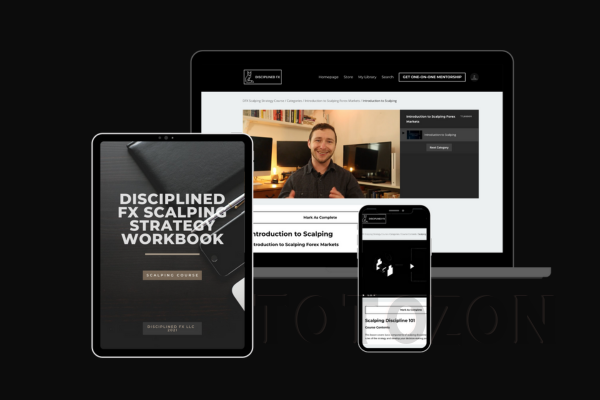 DFX Scalping Strategy Course with Disciplined FX
1 × $23.00
DFX Scalping Strategy Course with Disciplined FX
1 × $23.00 -
×
 Learn Plan Profit – How To Trade Stocks
1 × $15.00
Learn Plan Profit – How To Trade Stocks
1 × $15.00 -
×
 Who is Afraid of Word Trade Organization with Kent Jones
1 × $6.00
Who is Afraid of Word Trade Organization with Kent Jones
1 × $6.00 -
×
 Creating the Optimal Trade for Explosive Profits with George A.Fontanills
1 × $6.00
Creating the Optimal Trade for Explosive Profits with George A.Fontanills
1 × $6.00 -
×
 Matrix Spread Options Trading Course with Base Camp Trading
1 × $31.00
Matrix Spread Options Trading Course with Base Camp Trading
1 × $31.00 -
×
 AbleTrend with John Wang & Grace Wang
1 × $6.00
AbleTrend with John Wang & Grace Wang
1 × $6.00 -
×
 Seasonality. Systems, Strategies & Signals
1 × $6.00
Seasonality. Systems, Strategies & Signals
1 × $6.00 -
×
 Staying Out of Trouble Trading Currency with Channels - Barbara Rockefeller
1 × $6.00
Staying Out of Trouble Trading Currency with Channels - Barbara Rockefeller
1 × $6.00 -
×
 The Trading Blueprint with Brad Goh - The Trading Geek
1 × $5.00
The Trading Blueprint with Brad Goh - The Trading Geek
1 × $5.00 -
×
 Crash Profits Make Money When Stocks Sink and Soar with Martin D.Weiss
1 × $6.00
Crash Profits Make Money When Stocks Sink and Soar with Martin D.Weiss
1 × $6.00 -
×
 Technical Analysis for Short-Term Traders
1 × $6.00
Technical Analysis for Short-Term Traders
1 × $6.00 -
×
 Advanced Risk Reversals and Rolling Thunder with Stratagem Trade
1 × $54.00
Advanced Risk Reversals and Rolling Thunder with Stratagem Trade
1 × $54.00 -
×
 Confessions of a Pit Trader 2003 with Rick Burgess
1 × $6.00
Confessions of a Pit Trader 2003 with Rick Burgess
1 × $6.00 -
×
 Investing with LEAPS. What You Should Know About Long Term Investing with James Bittman
1 × $6.00
Investing with LEAPS. What You Should Know About Long Term Investing with James Bittman
1 × $6.00 -
×
 Full Members Area (Icludes 2006 Seminar & Webinars) with Tom Yeomans
1 × $6.00
Full Members Area (Icludes 2006 Seminar & Webinars) with Tom Yeomans
1 × $6.00 -
×
 Rockwell Trading - Money Management - 2 DVDs
1 × $6.00
Rockwell Trading - Money Management - 2 DVDs
1 × $6.00 -
×
 D5 Render Course with Nuno Silva
1 × $27.00
D5 Render Course with Nuno Silva
1 × $27.00 -
×
 RVM Secrets with Sam Bart
1 × $23.00
RVM Secrets with Sam Bart
1 × $23.00 -
×
 Strike Zone Strategy 2.0 Elite Package with Joe Rokop
1 × $39.00
Strike Zone Strategy 2.0 Elite Package with Joe Rokop
1 × $39.00 -
×
 Fractal Flow Strategy Video Course with Fractal Flow Pro
1 × $6.00
Fractal Flow Strategy Video Course with Fractal Flow Pro
1 × $6.00 -
×
 White Phoenix’s The Smart (Money) Approach to Trading with Jayson Casper
1 × $39.00
White Phoenix’s The Smart (Money) Approach to Trading with Jayson Casper
1 × $39.00 -
×
 Fibonacci Analysis with Constance Brown
1 × $6.00
Fibonacci Analysis with Constance Brown
1 × $6.00 -
×
 Quantamentals - The Next Great Forefront Of Trading and Investing with Trading Markets
1 × $8.00
Quantamentals - The Next Great Forefront Of Trading and Investing with Trading Markets
1 × $8.00 -
×
 Market Structure Matters with Haim Bodek
1 × $62.00
Market Structure Matters with Haim Bodek
1 × $62.00 -
×
 The Indices Orderflow Masterclass with The Forex Scalpers
1 × $23.00
The Indices Orderflow Masterclass with The Forex Scalpers
1 × $23.00 -
×
 How I use Technical Analysis & Orderflow with Adam Webb - Traderskew
1 × $54.00
How I use Technical Analysis & Orderflow with Adam Webb - Traderskew
1 × $54.00 -
×
 Profitable DayTrading with Precision - George Angell
1 × $6.00
Profitable DayTrading with Precision - George Angell
1 × $6.00 -
×
 Super Conference 2020 - Premier Coaching Package with Vince Vora
1 × $109.00
Super Conference 2020 - Premier Coaching Package with Vince Vora
1 × $109.00 -
×
 International Mergers & Acquisitions Activity Since 1990 with Greg Gregoriou & Luc Renneboog
1 × $6.00
International Mergers & Acquisitions Activity Since 1990 with Greg Gregoriou & Luc Renneboog
1 × $6.00 -
×
 A Comparison of Popular Trading Systems (2nd Ed.) with Lars Kestner
1 × $6.00
A Comparison of Popular Trading Systems (2nd Ed.) with Lars Kestner
1 × $6.00 -
×
 Quant Edge with T3 Live
1 × $6.00
Quant Edge with T3 Live
1 × $6.00 -
×
 Practical Speculation with Victor Niederhoffer, Laurel Kenner
1 × $6.00
Practical Speculation with Victor Niederhoffer, Laurel Kenner
1 × $6.00 -
×
 How to Trade Diagonal Triangles. Superior Risk Reward Trade Setups
1 × $6.00
How to Trade Diagonal Triangles. Superior Risk Reward Trade Setups
1 × $6.00 -
×
 Stock Market 101 with Sabrina Peterson
1 × $4.00
Stock Market 101 with Sabrina Peterson
1 × $4.00 -
×
 E75 Forex System with James de Wet
1 × $6.00
E75 Forex System with James de Wet
1 × $6.00 -
×
 How Do You See Risk? A Guide to Evaluating & Applying Technical Volatility Indicators class with Jeff Bierman
1 × $6.00
How Do You See Risk? A Guide to Evaluating & Applying Technical Volatility Indicators class with Jeff Bierman
1 × $6.00 -
×
 Tharp Think Essentials Video Workshop with Van Tharp
1 × $5.00
Tharp Think Essentials Video Workshop with Van Tharp
1 × $5.00 -
×
 5 Basic Elliott Wave Patterns + Technical Tools = Trading Success with Jeffrey Kennedy
1 × $15.00
5 Basic Elliott Wave Patterns + Technical Tools = Trading Success with Jeffrey Kennedy
1 × $15.00 -
×
 Advance Gap Trading with Master Trader
1 × $39.00
Advance Gap Trading with Master Trader
1 × $39.00 -
×
 Portfolio Management using Machine Learning: Hierarchical Risk Parity
1 × $39.00
Portfolio Management using Machine Learning: Hierarchical Risk Parity
1 × $39.00 -
×
 Strategy, Value and Risk - The Real Options Approach with Jamie Rogers
1 × $6.00
Strategy, Value and Risk - The Real Options Approach with Jamie Rogers
1 × $6.00 -
×
 Sure Fire Forex Trading with Mark McRae
1 × $6.00
Sure Fire Forex Trading with Mark McRae
1 × $6.00 -
×
 Spike 35 Traders Manual with J.D.Hamon
1 × $6.00
Spike 35 Traders Manual with J.D.Hamon
1 × $6.00 -
×
 Short Skirt Trading, the Most Bang for the Buck with Linda Raschke
1 × $6.00
Short Skirt Trading, the Most Bang for the Buck with Linda Raschke
1 × $6.00 -
×
 The Handbook of Chaos Control with H.G.Schuster
1 × $6.00
The Handbook of Chaos Control with H.G.Schuster
1 × $6.00 -
×
 Pairs Trading The Final Frontier with Don Kaufman
1 × $6.00
Pairs Trading The Final Frontier with Don Kaufman
1 × $6.00 -
×
 The Orderflow Masterclass with PrimeTrading
1 × $17.00
The Orderflow Masterclass with PrimeTrading
1 × $17.00

Elliott Flat Waves CD with David Elliott
$6.00
File Size: Coming soon!
Delivery Time: 1–12 hours
Media Type: Online Course
Content Proof: Watch Here!
You may check content proof of “ Elliott Flat Waves CD with David Elliott” below:

Elliott Flat Waves CD with David Elliott
Introduction
Understanding market movements and patterns is crucial for any trader looking to make informed decisions. David Elliott’s “Elliott Flat Waves CD” delves into one of the key components of Elliott Wave Theory: flat waves. In this article, we explore Elliott’s insights on flat waves, their significance, and how traders can utilize them to enhance their trading strategies.
Understanding Elliott Wave Theory
Elliott Wave Theory, developed by Ralph Nelson Elliott, is a technical analysis tool used to forecast market trends by identifying repetitive wave patterns.
What Are Elliott Waves?
Elliott Waves are patterns that emerge in financial markets, consisting of five-wave impulse patterns and three-wave corrective patterns.
Impulse Waves
Impulse waves consist of five waves moving in the direction of the main trend (1, 2, 3, 4, 5).
Corrective Waves
Corrective waves consist of three waves moving against the main trend (A, B, C).
What Are Flat Waves?
Flat waves are a type of corrective wave pattern within Elliott Wave Theory. They are characterized by their horizontal appearance and limited price movement.
Characteristics of Flat Waves
- Structure: Consist of three waves (A, B, C).
- Pattern: Wave B often retraces more than 90% of Wave A.
- Direction: Generally moves sideways, creating a flat appearance.
Types of Flat Waves
- Regular Flat: Wave B retraces close to 100% of Wave A.
- Expanded Flat: Wave B exceeds the starting point of Wave A, and Wave C moves beyond the ending point of Wave A.
- Running Flat: Wave B exceeds the starting point of Wave A, but Wave C falls short of the ending point of Wave A.
Significance of Flat Waves in Trading
Flat waves indicate periods of consolidation and can provide valuable signals for traders.
Why Flat Waves Matter
- Predictive Value: Help predict future market movements.
- Trend Continuation: Indicate periods of rest before the continuation of the main trend.
- Trading Opportunities: Offer entry and exit points for traders.
Predictive Value
Flat waves often signal the end of a correction and the resumption of the main trend, providing traders with potential entry points.
Identifying Flat Waves
Recognizing flat waves in a chart is crucial for applying Elliott Wave Theory effectively.
Key Indicators
- Wave Structure: Look for the three-wave (A, B, C) pattern.
- Retracement Levels: Wave B retracing close to or beyond the start of Wave A.
Implementing Flat Waves in Trading Strategies
Incorporating flat waves into your trading strategy can enhance your ability to predict market movements and make informed trades.
Step-by-Step Guide
- Identify the Main Trend: Determine the direction of the main trend.
- Spot Flat Waves: Look for flat wave patterns within the correction phase.
- Confirm with Indicators: Use technical indicators to confirm the pattern.
- Plan Entry and Exit Points: Based on the identified pattern, plan your trades.
Technical Indicators to Use
- Fibonacci Retracement: Helps identify potential reversal levels.
- Moving Averages: Confirm the direction of the main trend.
- RSI (Relative Strength Index): Identify overbought or oversold conditions.
Practical Example
A trader identifies an upward main trend and spots a flat wave correction. Using Fibonacci retracement, they confirm the retracement levels and plan to enter the trade at the end of Wave C, anticipating the resumption of the upward trend.
Common Pitfalls and How to Avoid Them
Misidentifying Patterns
Flat waves can sometimes be confused with other corrective patterns.
How to Avoid
- Detailed Analysis: Conduct a thorough analysis of the wave structure.
- Confirmation: Use multiple indicators to confirm the pattern.
Overtrading
Trading every identified flat wave can lead to unnecessary risks.
How to Avoid
- Selectivity: Only trade flat waves that meet all your criteria.
- Risk Management: Use stop-loss orders to protect against potential losses.
Advanced Techniques with Flat Waves
Combining with Other Patterns
Flat waves can be combined with other Elliott Wave patterns for more comprehensive analysis.
Example
Combining flat waves with impulse waves to identify potential trend continuation points.
Using Flat Waves in Different Time Frames
Analyzing flat waves across multiple time frames can provide a more detailed market outlook.
Multiple Time Frame Analysis
- Long-Term Trends: Identify flat waves in higher time frames for overall trend direction.
- Short-Term Opportunities: Use lower time frames for precise entry and exit points.
Conclusion
David Elliott’s “Elliott Flat Waves CD” offers invaluable insights into one of the key corrective patterns in Elliott Wave Theory. By understanding and identifying flat waves, traders can enhance their ability to predict market movements and make more informed trading decisions. Incorporating these patterns into your trading strategy can provide significant advantages and improve your trading performance.
FAQs
1. What are flat waves in Elliott Wave Theory?
Flat waves are a type of corrective pattern characterized by a three-wave structure (A, B, C) that generally moves sideways.
2. Why are flat waves important in trading?
Flat waves help predict future market movements, indicate trend continuation, and provide trading opportunities.
3. How can I identify flat waves in a chart?
Look for a three-wave pattern with Wave B retracing close to or beyond the start of Wave A. Use technical indicators for confirmation.
4. What are the different types of flat waves?
The main types are regular flat, expanded flat, and running flat, each with distinct retracement characteristics.
5. How can I incorporate flat waves into my trading strategy?
Identify the main trend, spot flat waves during corrections, confirm with indicators, and plan your entry and exit points based on the identified patterns.
Be the first to review “Elliott Flat Waves CD with David Elliott”
You must be logged in to post a review.
Related products

Forex Trading
Original price was: $4,997.00.$27.00Current price is: $27.00.

Original price was: $310.00.$23.00Current price is: $23.00.

Original price was: $497.00.$11.00Current price is: $11.00.

Forex Trading
Original price was: $397.00.$31.00Current price is: $31.00.
Forex Trading
Original price was: $799.00.$15.00Current price is: $15.00.

Forex Trading
Original price was: $797.00.$10.00Current price is: $10.00.
Original price was: $700.00.$39.00Current price is: $39.00.

Original price was: $299.00.$8.00Current price is: $8.00.
Forex Trading
Original price was: $697.00.$5.00Current price is: $5.00.
Forex Trading
Quantamentals – The Next Great Forefront Of Trading and Investing with Trading Markets
Original price was: $1,495.00.$8.00Current price is: $8.00.

Forex Trading
Original price was: $2,997.00.$23.00Current price is: $23.00.

Forex Trading
Original price was: $249.00.$15.00Current price is: $15.00.

Original price was: $139.00.$23.00Current price is: $23.00.

Forex Trading
Original price was: $850.00.$23.00Current price is: $23.00.

Forex Trading
The Complete Guide to Multiple Time Frame Analysis & Reading Price Action with Aiman Almansoori
Original price was: $1,399.00.$13.00Current price is: $13.00.

Original price was: $2,120.00.$15.00Current price is: $15.00.
Original price was: $895.00.$15.00Current price is: $15.00.

Original price was: $695.00.$41.00Current price is: $41.00.

Original price was: $1,800.00.$54.00Current price is: $54.00.
Original price was: $450.00.$23.00Current price is: $23.00.

Reviews
There are no reviews yet.