
-
×
 Diary of an Internet Trader with Alpesh Patel
1 × $6.00
Diary of an Internet Trader with Alpesh Patel
1 × $6.00 -
×
 Advanced Trading System - How To 10x Your Trading Skillsets & Results with The Trade Academy
1 × $6.00
Advanced Trading System - How To 10x Your Trading Skillsets & Results with The Trade Academy
1 × $6.00 -
×
 How to Buy Stocks Before They Skyrocket
1 × $6.00
How to Buy Stocks Before They Skyrocket
1 × $6.00 -
×
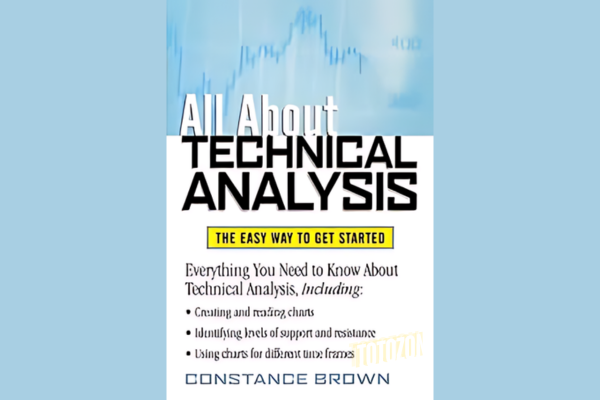 All About Technical Analysis with Constance Brown
1 × $6.00
All About Technical Analysis with Constance Brown
1 × $6.00 -
×
 Gap Trading for Stock and Options Traders with Damon Verial
1 × $6.00
Gap Trading for Stock and Options Traders with Damon Verial
1 × $6.00 -
×
 Forex Project Advanced Course with Tyler Crowell
1 × $5.00
Forex Project Advanced Course with Tyler Crowell
1 × $5.00 -
×
 Options Bootcamp with Sid Woolfolk
1 × $6.00
Options Bootcamp with Sid Woolfolk
1 × $6.00 -
×
 Advanced Forex Patterns with Vic Noble & Darko Ali
1 × $39.00
Advanced Forex Patterns with Vic Noble & Darko Ali
1 × $39.00 -
×
 Swift Trader, Perfecting the Art of DayTrading with Charles Kim
1 × $6.00
Swift Trader, Perfecting the Art of DayTrading with Charles Kim
1 × $6.00 -
×
 Volume Profile 2023 (Elite Pack) with Trader Dale
1 × $5.00
Volume Profile 2023 (Elite Pack) with Trader Dale
1 × $5.00 -
×
 Technical Trading: System and Design Testing Class with Jeff Bierman
1 × $6.00
Technical Trading: System and Design Testing Class with Jeff Bierman
1 × $6.00 -
×
 RSD - Alex’s Natural Instinct Method Manifesto
1 × $6.00
RSD - Alex’s Natural Instinct Method Manifesto
1 × $6.00 -
×
 SQX Mentorship with Tip Toe Hippo
1 × $23.00
SQX Mentorship with Tip Toe Hippo
1 × $23.00 -
×
 The Trading Blueprint with Brad Goh - The Trading Geek
1 × $5.00
The Trading Blueprint with Brad Goh - The Trading Geek
1 × $5.00 -
×
 Intro To Trading - 3 Module Bundle
1 × $23.00
Intro To Trading - 3 Module Bundle
1 × $23.00 -
×
 A Comparison of Twelve Technical Trading Systems with Louis Lukac
1 × $6.00
A Comparison of Twelve Technical Trading Systems with Louis Lukac
1 × $6.00 -
×
 Home Run Options Trading Course with Dave Aquino - Base Camp Trading
1 × $11.00
Home Run Options Trading Course with Dave Aquino - Base Camp Trading
1 × $11.00 -
×
 Cash In On Chaos with Hans Hannula
1 × $6.00
Cash In On Chaos with Hans Hannula
1 × $6.00 -
×
 The Mathematics of Money Management. Risk Analysis Techniques for Traders
1 × $6.00
The Mathematics of Money Management. Risk Analysis Techniques for Traders
1 × $6.00 -
×
 7 Steps to Success Trading Options Online with Larry Spears
1 × $4.00
7 Steps to Success Trading Options Online with Larry Spears
1 × $4.00 -
×
 Forex Trading Course with Mike Norman
1 × $17.00
Forex Trading Course with Mike Norman
1 × $17.00 -
×
 Financial Astrology Course with Brian James Sklenka
1 × $6.00
Financial Astrology Course with Brian James Sklenka
1 × $6.00 -
×
 Show Tax Losses On Your 1040, Yet Show Lenders You Are Making Money! with Information Services Unlimited
1 × $6.00
Show Tax Losses On Your 1040, Yet Show Lenders You Are Making Money! with Information Services Unlimited
1 × $6.00 -
×
![ACD Method [Video (6 MP4s)] with Mark Fisher](https://www.totozon.com/wp-content/uploads/2024/05/ACD-Method-Video-6-MP4s-with-Mark-Fisher.jpg) ACD Method [Video (6 MP4s)] with Mark Fisher
1 × $6.00
ACD Method [Video (6 MP4s)] with Mark Fisher
1 × $6.00 -
×
 0 DTE Options Trading Workshop with Aeromir Corporation
1 × $15.00
0 DTE Options Trading Workshop with Aeromir Corporation
1 × $15.00 -
×
 White Phoenix’s The Smart (Money) Approach to Trading with Jayson Casper
1 × $39.00
White Phoenix’s The Smart (Money) Approach to Trading with Jayson Casper
1 × $39.00 -
×
 Spotting Solid Short-Term Opportunities
1 × $6.00
Spotting Solid Short-Term Opportunities
1 × $6.00 -
×
 Active Investing courses notes with Alan Hull
1 × $6.00
Active Investing courses notes with Alan Hull
1 × $6.00 -
×
 Order flow self-study training program with iMFtracker
1 × $10.00
Order flow self-study training program with iMFtracker
1 × $10.00 -
×
 Sure Fire Forex Trading with Mark McRae
1 × $6.00
Sure Fire Forex Trading with Mark McRae
1 × $6.00 -
×
 A Process for Prudential Institutional Investment with Bancroft, Caldwell, McSweeny
1 × $6.00
A Process for Prudential Institutional Investment with Bancroft, Caldwell, McSweeny
1 × $6.00 -
×
 Euro Trading Course with Bkforex
1 × $6.00
Euro Trading Course with Bkforex
1 × $6.00 -
×
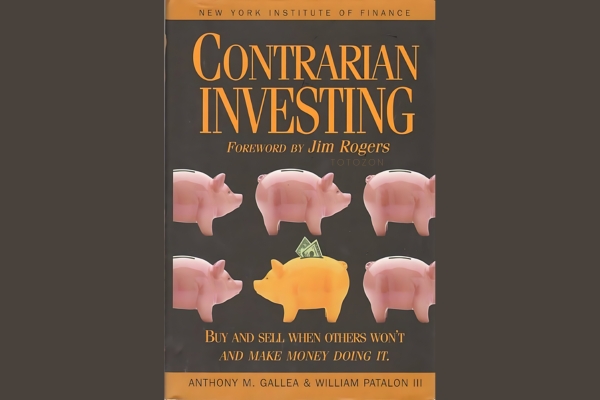 Contrarian Investing with Anthony M.Gallea, William Patalon
1 × $6.00
Contrarian Investing with Anthony M.Gallea, William Patalon
1 × $6.00 -
×
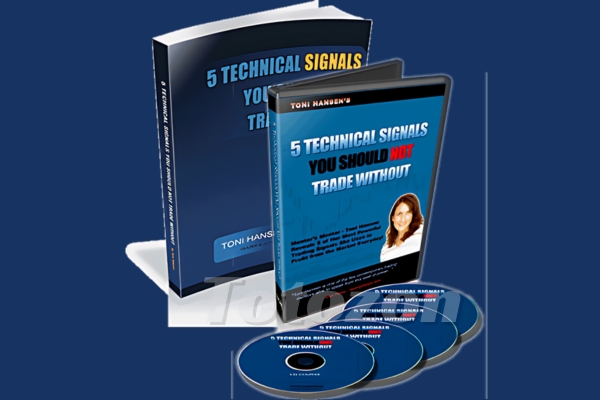 5 Technical Signals You Should Not Trade Without (4 CDs) with Toni Hansen
1 × $6.00
5 Technical Signals You Should Not Trade Without (4 CDs) with Toni Hansen
1 × $6.00 -
×
 Technical Analysis for Short-Term Traders
1 × $6.00
Technical Analysis for Short-Term Traders
1 × $6.00 -
×
 Forex Education Trading System (Video 469 MB)
1 × $23.00
Forex Education Trading System (Video 469 MB)
1 × $23.00 -
×
 The Prop Trading Code with Brannigan Barrett - Axia Futures
1 × $23.00
The Prop Trading Code with Brannigan Barrett - Axia Futures
1 × $23.00 -
×
 The Candlestick Training Series with Timon Weller
1 × $6.00
The Candlestick Training Series with Timon Weller
1 × $6.00 -
×
 Traders World Past Issue Articles on CD with Magazine
1 × $6.00
Traders World Past Issue Articles on CD with Magazine
1 × $6.00 -
×
 Candlestick & Pivot Point Strategies with John L.Person
1 × $6.00
Candlestick & Pivot Point Strategies with John L.Person
1 × $6.00 -
×
 The Orderflow Masterclass with PrimeTrading
1 × $17.00
The Orderflow Masterclass with PrimeTrading
1 × $17.00 -
×
 Deep Dive Butterfly Trading Strategy Class with SJG Trades
1 × $41.00
Deep Dive Butterfly Trading Strategy Class with SJG Trades
1 × $41.00 -
×
 Academy of Financial Trading Foundation Trading Programme Webinar
1 × $6.00
Academy of Financial Trading Foundation Trading Programme Webinar
1 × $6.00 -
×
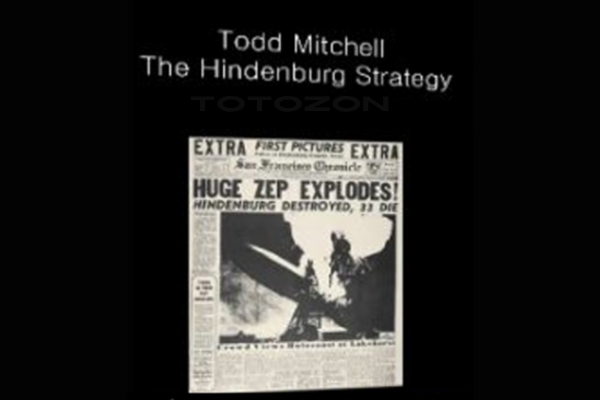 The Hindenburg Strategy with Todd Mitchell
1 × $23.00
The Hindenburg Strategy with Todd Mitchell
1 × $23.00 -
×
 Reminiscences of a Stock Operator (75th Aniversary Ed.) with Edwin Lefevre
1 × $6.00
Reminiscences of a Stock Operator (75th Aniversary Ed.) with Edwin Lefevre
1 × $6.00 -
×
 Accelerated Learning Techniques in Action with Colin Rose, Jayne Nicholl & Malcolm Nicholl
1 × $6.00
Accelerated Learning Techniques in Action with Colin Rose, Jayne Nicholl & Malcolm Nicholl
1 × $6.00 -
×
 Technical Analysis & Options Strategies with K.H.Shaleen
1 × $6.00
Technical Analysis & Options Strategies with K.H.Shaleen
1 × $6.00 -
×
 Advanced Breakthroughs in Day Trading DVD course with George Angell
1 × $6.00
Advanced Breakthroughs in Day Trading DVD course with George Angell
1 × $6.00 -
×
 AstroFX Course
1 × $6.00
AstroFX Course
1 × $6.00 -
×
 Weekly Options Trading Advantage Class with Doc Severson
1 × $6.00
Weekly Options Trading Advantage Class with Doc Severson
1 × $6.00 -
×
 Equity Valuation for Analysts and Investors: A Unique Stock Valuation Tool for Financial Statement Analysis and Model-Building with James Kelleher
1 × $6.00
Equity Valuation for Analysts and Investors: A Unique Stock Valuation Tool for Financial Statement Analysis and Model-Building with James Kelleher
1 × $6.00 -
×
 Investing In KLSE Stocks and Futures With Japanese Candlestick with Fred Tam
1 × $6.00
Investing In KLSE Stocks and Futures With Japanese Candlestick with Fred Tam
1 × $6.00 -
×
 WYCKOFF TRADING COURSE (WTC) PART I – ANALYSIS (Spring 2023) - Roman Bogomazov & Alessio Rutigliano
1 × $209.00
WYCKOFF TRADING COURSE (WTC) PART I – ANALYSIS (Spring 2023) - Roman Bogomazov & Alessio Rutigliano
1 × $209.00 -
×
 Forex Secrets Exposed
1 × $15.00
Forex Secrets Exposed
1 × $15.00 -
×
 Game Plan of a Winning Trader with Mike Podwojski & Vic Noble
1 × $6.00
Game Plan of a Winning Trader with Mike Podwojski & Vic Noble
1 × $6.00 -
×
 The 80% Solution S&P Systems with Bruce Babcock
1 × $6.00
The 80% Solution S&P Systems with Bruce Babcock
1 × $6.00 -
×
 4D Bootcamp with Black Rabbit
1 × $10.00
4D Bootcamp with Black Rabbit
1 × $10.00 -
×
 Butterfly and Condor Workshop with Aeromir
1 × $15.00
Butterfly and Condor Workshop with Aeromir
1 × $15.00 -
×
 TRADING NFX Course with Andrew NFX
1 × $5.00
TRADING NFX Course with Andrew NFX
1 × $5.00

Elliott Flat Waves CD with David Elliott
$6.00
File Size: Coming soon!
Delivery Time: 1–12 hours
Media Type: Online Course
Content Proof: Watch Here!
You may check content proof of “ Elliott Flat Waves CD with David Elliott” below:

Elliott Flat Waves CD with David Elliott
Introduction
Understanding market movements and patterns is crucial for any trader looking to make informed decisions. David Elliott’s “Elliott Flat Waves CD” delves into one of the key components of Elliott Wave Theory: flat waves. In this article, we explore Elliott’s insights on flat waves, their significance, and how traders can utilize them to enhance their trading strategies.
Understanding Elliott Wave Theory
Elliott Wave Theory, developed by Ralph Nelson Elliott, is a technical analysis tool used to forecast market trends by identifying repetitive wave patterns.
What Are Elliott Waves?
Elliott Waves are patterns that emerge in financial markets, consisting of five-wave impulse patterns and three-wave corrective patterns.
Impulse Waves
Impulse waves consist of five waves moving in the direction of the main trend (1, 2, 3, 4, 5).
Corrective Waves
Corrective waves consist of three waves moving against the main trend (A, B, C).
What Are Flat Waves?
Flat waves are a type of corrective wave pattern within Elliott Wave Theory. They are characterized by their horizontal appearance and limited price movement.
Characteristics of Flat Waves
- Structure: Consist of three waves (A, B, C).
- Pattern: Wave B often retraces more than 90% of Wave A.
- Direction: Generally moves sideways, creating a flat appearance.
Types of Flat Waves
- Regular Flat: Wave B retraces close to 100% of Wave A.
- Expanded Flat: Wave B exceeds the starting point of Wave A, and Wave C moves beyond the ending point of Wave A.
- Running Flat: Wave B exceeds the starting point of Wave A, but Wave C falls short of the ending point of Wave A.
Significance of Flat Waves in Trading
Flat waves indicate periods of consolidation and can provide valuable signals for traders.
Why Flat Waves Matter
- Predictive Value: Help predict future market movements.
- Trend Continuation: Indicate periods of rest before the continuation of the main trend.
- Trading Opportunities: Offer entry and exit points for traders.
Predictive Value
Flat waves often signal the end of a correction and the resumption of the main trend, providing traders with potential entry points.
Identifying Flat Waves
Recognizing flat waves in a chart is crucial for applying Elliott Wave Theory effectively.
Key Indicators
- Wave Structure: Look for the three-wave (A, B, C) pattern.
- Retracement Levels: Wave B retracing close to or beyond the start of Wave A.
Implementing Flat Waves in Trading Strategies
Incorporating flat waves into your trading strategy can enhance your ability to predict market movements and make informed trades.
Step-by-Step Guide
- Identify the Main Trend: Determine the direction of the main trend.
- Spot Flat Waves: Look for flat wave patterns within the correction phase.
- Confirm with Indicators: Use technical indicators to confirm the pattern.
- Plan Entry and Exit Points: Based on the identified pattern, plan your trades.
Technical Indicators to Use
- Fibonacci Retracement: Helps identify potential reversal levels.
- Moving Averages: Confirm the direction of the main trend.
- RSI (Relative Strength Index): Identify overbought or oversold conditions.
Practical Example
A trader identifies an upward main trend and spots a flat wave correction. Using Fibonacci retracement, they confirm the retracement levels and plan to enter the trade at the end of Wave C, anticipating the resumption of the upward trend.
Common Pitfalls and How to Avoid Them
Misidentifying Patterns
Flat waves can sometimes be confused with other corrective patterns.
How to Avoid
- Detailed Analysis: Conduct a thorough analysis of the wave structure.
- Confirmation: Use multiple indicators to confirm the pattern.
Overtrading
Trading every identified flat wave can lead to unnecessary risks.
How to Avoid
- Selectivity: Only trade flat waves that meet all your criteria.
- Risk Management: Use stop-loss orders to protect against potential losses.
Advanced Techniques with Flat Waves
Combining with Other Patterns
Flat waves can be combined with other Elliott Wave patterns for more comprehensive analysis.
Example
Combining flat waves with impulse waves to identify potential trend continuation points.
Using Flat Waves in Different Time Frames
Analyzing flat waves across multiple time frames can provide a more detailed market outlook.
Multiple Time Frame Analysis
- Long-Term Trends: Identify flat waves in higher time frames for overall trend direction.
- Short-Term Opportunities: Use lower time frames for precise entry and exit points.
Conclusion
David Elliott’s “Elliott Flat Waves CD” offers invaluable insights into one of the key corrective patterns in Elliott Wave Theory. By understanding and identifying flat waves, traders can enhance their ability to predict market movements and make more informed trading decisions. Incorporating these patterns into your trading strategy can provide significant advantages and improve your trading performance.
FAQs
1. What are flat waves in Elliott Wave Theory?
Flat waves are a type of corrective pattern characterized by a three-wave structure (A, B, C) that generally moves sideways.
2. Why are flat waves important in trading?
Flat waves help predict future market movements, indicate trend continuation, and provide trading opportunities.
3. How can I identify flat waves in a chart?
Look for a three-wave pattern with Wave B retracing close to or beyond the start of Wave A. Use technical indicators for confirmation.
4. What are the different types of flat waves?
The main types are regular flat, expanded flat, and running flat, each with distinct retracement characteristics.
5. How can I incorporate flat waves into my trading strategy?
Identify the main trend, spot flat waves during corrections, confirm with indicators, and plan your entry and exit points based on the identified patterns.
Be the first to review “Elliott Flat Waves CD with David Elliott”
You must be logged in to post a review.
Related products

Forex Trading
Original price was: $4,997.00.$27.00Current price is: $27.00.

Forex Trading
Quantamentals – The Next Great Forefront Of Trading and Investing with Trading Markets
Original price was: $1,495.00.$8.00Current price is: $8.00.

Original price was: $139.00.$23.00Current price is: $23.00.
Forex Trading
Original price was: $2,997.00.$23.00Current price is: $23.00.

Original price was: $450.00.$23.00Current price is: $23.00.

Forex Trading
Original price was: $239.00.$8.00Current price is: $8.00.
Forex Trading
Original price was: $799.00.$15.00Current price is: $15.00.

Original price was: $649.00.$20.00Current price is: $20.00.

Forex Trading
Original price was: $2,000.00.$23.00Current price is: $23.00.

Original price was: $197.00.$5.00Current price is: $5.00.
Forex Trading
Original price was: $697.00.$5.00Current price is: $5.00.
Forex Trading
Original price was: $500.00.$5.00Current price is: $5.00.

Original price was: $999.00.$5.00Current price is: $5.00.

Forex Trading
Original price was: $499.00.$15.00Current price is: $15.00.
Original price was: $695.00.$41.00Current price is: $41.00.

Forex Trading
Original price was: $797.00.$10.00Current price is: $10.00.

Original price was: $2,120.00.$15.00Current price is: $15.00.

Original price was: $799.00.$15.00Current price is: $15.00.

Original price was: $299.00.$8.00Current price is: $8.00.

Forex Trading
The Complete Guide to Multiple Time Frame Analysis & Reading Price Action with Aiman Almansoori
Original price was: $1,399.00.$13.00Current price is: $13.00.

Reviews
There are no reviews yet.