
-
×
 How To Develop A Winning Trading System That Fits You Home Study + Audio - 2020 with Van Tharp
1 × $62.00
How To Develop A Winning Trading System That Fits You Home Study + Audio - 2020 with Van Tharp
1 × $62.00 -
×
 Short Skirt Trading, the Most Bang for the Buck with Linda Raschke
1 × $6.00
Short Skirt Trading, the Most Bang for the Buck with Linda Raschke
1 × $6.00 -
×
 Forex in Five Full Time Strategies for Part Time Traders (fxstreet.com) - Raghee Horner
1 × $6.00
Forex in Five Full Time Strategies for Part Time Traders (fxstreet.com) - Raghee Horner
1 × $6.00 -
×
 Scalp Strategy and Flipping Small Accounts with Opes Trading Group
1 × $5.00
Scalp Strategy and Flipping Small Accounts with Opes Trading Group
1 × $5.00 -
×
 Advanced Bond Trading Course
1 × $62.00
Advanced Bond Trading Course
1 × $62.00 -
×
 W. D Gann 's Square Of 9 Applied To Modern Markets with Sean Avidar - Hexatrade350
1 × $23.00
W. D Gann 's Square Of 9 Applied To Modern Markets with Sean Avidar - Hexatrade350
1 × $23.00 -
×
 5 Basic Elliott Wave Patterns + Technical Tools = Trading Success with Jeffrey Kennedy
1 × $15.00
5 Basic Elliott Wave Patterns + Technical Tools = Trading Success with Jeffrey Kennedy
1 × $15.00 -
×
 Crystal Ball Pack PLUS bonus Live Trade By Pat Mitchell - Trick Trades
1 × $20.00
Crystal Ball Pack PLUS bonus Live Trade By Pat Mitchell - Trick Trades
1 × $20.00 -
×
 Learn To Fish Part III - How To Swing Trade for Consistent Gains with Daniel
1 × $15.00
Learn To Fish Part III - How To Swing Trade for Consistent Gains with Daniel
1 × $15.00 -
×
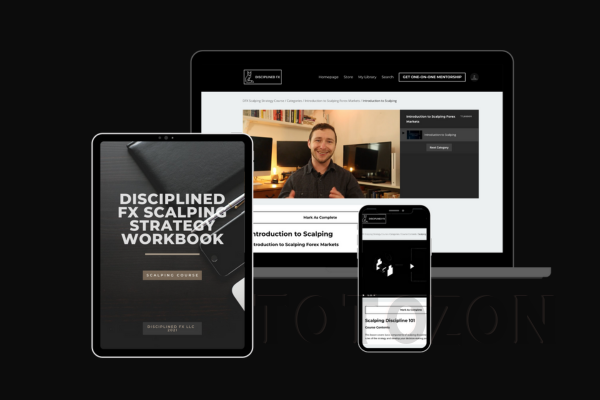 DFX Scalping Strategy Course with Disciplined FX
1 × $23.00
DFX Scalping Strategy Course with Disciplined FX
1 × $23.00 -
×
 Directional Calendars in 2023 with Dan Sheridan & Mark Fenton - Sheridan Options Mentoring
1 × $85.00
Directional Calendars in 2023 with Dan Sheridan & Mark Fenton - Sheridan Options Mentoring
1 × $85.00 -
×
 Options Trading with Adam Grimes - MarketLife
1 × $5.00
Options Trading with Adam Grimes - MarketLife
1 × $5.00 -
×
 Smart Money Course with Forex XL
1 × $6.00
Smart Money Course with Forex XL
1 × $6.00 -
×
 Elliott Flat Waves CD with David Elliott
1 × $6.00
Elliott Flat Waves CD with David Elliott
1 × $6.00 -
×
 Compound Stock Earnings Advanced Charting (Video 1.19 GB)
1 × $15.00
Compound Stock Earnings Advanced Charting (Video 1.19 GB)
1 × $15.00 -
×
 Trading High-Momentum Stocks with Landry Persistent Pullbacks
1 × $15.00
Trading High-Momentum Stocks with Landry Persistent Pullbacks
1 × $15.00 -
×
 The Bond Book (2nd Ed.) with Annette Thau
1 × $6.00
The Bond Book (2nd Ed.) with Annette Thau
1 × $6.00 -
×
 Making Sense of Price Action: Price Action Profits with Scott Foster
1 × $54.00
Making Sense of Price Action: Price Action Profits with Scott Foster
1 × $54.00 -
×
 Home Run Options Trading Course with Dave Aquino - Base Camp Trading
1 × $11.00
Home Run Options Trading Course with Dave Aquino - Base Camp Trading
1 × $11.00 -
×
 Forex Master Method Evolution with Russ Horn
1 × $6.00
Forex Master Method Evolution with Russ Horn
1 × $6.00 -
×
 SRs Trend Rider 2.0
1 × $6.00
SRs Trend Rider 2.0
1 × $6.00 -
×
 Advanced Options Concepts - Probability, Greeks, Simulation
1 × $6.00
Advanced Options Concepts - Probability, Greeks, Simulation
1 × $6.00 -
×
 Defending Options with Simpler Options
1 × $6.00
Defending Options with Simpler Options
1 × $6.00 -
×
 From Wall Street to the Great Wall with Jonathan Worrall
1 × $6.00
From Wall Street to the Great Wall with Jonathan Worrall
1 × $6.00 -
×
 Range Trading with D.Singleton
1 × $6.00
Range Trading with D.Singleton
1 × $6.00 -
×
 Smart Money Trading Course with Prosperity Academy
1 × $5.00
Smart Money Trading Course with Prosperity Academy
1 × $5.00 -
×
 Outsmarting Wall Street (3rd Ed) with Daniel Alan Seiver
1 × $6.00
Outsmarting Wall Street (3rd Ed) with Daniel Alan Seiver
1 × $6.00 -
×
 High Probability Option Trading - Seasonal Straddles
1 × $6.00
High Probability Option Trading - Seasonal Straddles
1 × $6.00 -
×
 Essential Skills for Consistency in Trading Class with Don Kaufman
1 × $6.00
Essential Skills for Consistency in Trading Class with Don Kaufman
1 × $6.00 -
×
 Developing a Forex Trading Plan Webinar
1 × $6.00
Developing a Forex Trading Plan Webinar
1 × $6.00 -
×
 Bubbleology: The New Science of Stock Market Winners and Losers with Kevin Hassett
1 × $6.00
Bubbleology: The New Science of Stock Market Winners and Losers with Kevin Hassett
1 × $6.00 -
×
 An Introduction to Capital Markets with Andrew M.Chisholm
1 × $6.00
An Introduction to Capital Markets with Andrew M.Chisholm
1 × $6.00 -
×
 Strategies for Profiting on Every Trade: Simple Lessons for Mastering the Market with Oliver L. Velez
1 × $6.00
Strategies for Profiting on Every Trade: Simple Lessons for Mastering the Market with Oliver L. Velez
1 × $6.00 -
×
 Forex Trading with Ed Ponsi
1 × $6.00
Forex Trading with Ed Ponsi
1 × $6.00 -
×
 Essentials in Quantitative Trading QT01 By HangukQuant's
1 × $23.00
Essentials in Quantitative Trading QT01 By HangukQuant's
1 × $23.00 -
×
 Trading by the Book (tradingeducators.com)
1 × $6.00
Trading by the Book (tradingeducators.com)
1 × $6.00 -
×
 Investment Blunders with John Nofsinger
1 × $6.00
Investment Blunders with John Nofsinger
1 × $6.00 -
×
 Market Neutral Strategies with Bruce I.Jacobs & Kenneth N.Levy
1 × $6.00
Market Neutral Strategies with Bruce I.Jacobs & Kenneth N.Levy
1 × $6.00 -
×
 Andy’s EMini Bar – 60 Min System
1 × $6.00
Andy’s EMini Bar – 60 Min System
1 × $6.00 -
×
 Bond Market Course with The Macro Compass
1 × $15.00
Bond Market Course with The Macro Compass
1 × $15.00 -
×
 Forex Supreme Course with Ethan Wilson
1 × $6.00
Forex Supreme Course with Ethan Wilson
1 × $6.00 -
×
 How to Build Fortune. Trading Stock Index Futures with Dennis Minogue
1 × $6.00
How to Build Fortune. Trading Stock Index Futures with Dennis Minogue
1 × $6.00 -
×
 A Course in Trading with Donald Mack & Wetsel Market Bureau
1 × $6.00
A Course in Trading with Donald Mack & Wetsel Market Bureau
1 × $6.00 -
×
 The House Always Wins with jasonbondpicks
1 × $6.00
The House Always Wins with jasonbondpicks
1 × $6.00 -
×
 Annual Forecast Reports - Forecast 2023 with Larry Williams
1 × $8.00
Annual Forecast Reports - Forecast 2023 with Larry Williams
1 × $8.00 -
×
 Forecast 2012 Report with Larry Williams
1 × $6.00
Forecast 2012 Report with Larry Williams
1 × $6.00 -
×
 A14 Weekly Options Strategy Workshop 2023 with Amy Meissner - Aeromir
1 × $23.00
A14 Weekly Options Strategy Workshop 2023 with Amy Meissner - Aeromir
1 × $23.00 -
×
 ETF Strategies & Tactics: Hedge Your Portfolio in a Changing Marke with Laurence Rosenberg
1 × $6.00
ETF Strategies & Tactics: Hedge Your Portfolio in a Changing Marke with Laurence Rosenberg
1 × $6.00 -
×
 Behavioral Trading with Woody Dorsey
1 × $6.00
Behavioral Trading with Woody Dorsey
1 × $6.00 -
×
 Big Profit Patterns Using Candlestick Signals & Gaps with Stephen W.Bigalow
1 × $6.00
Big Profit Patterns Using Candlestick Signals & Gaps with Stephen W.Bigalow
1 × $6.00 -
×
 YTC Price Action Trader
1 × $6.00
YTC Price Action Trader
1 × $6.00 -
×
 Deep Dive Butterfly Trading Strategy Class with SJG Trades
1 × $41.00
Deep Dive Butterfly Trading Strategy Class with SJG Trades
1 × $41.00 -
×
 The Traders Battle Plan
1 × $6.00
The Traders Battle Plan
1 × $6.00 -
×
 Spotting Solid Short-Term Opportunities
1 × $6.00
Spotting Solid Short-Term Opportunities
1 × $6.00 -
×
 Longlived Information & Intraday Pattern (Article) with Back and Andersen
1 × $6.00
Longlived Information & Intraday Pattern (Article) with Back and Andersen
1 × $6.00 -
×
 Mastering High Probability Chart Reading Methods with John Murphy
1 × $6.00
Mastering High Probability Chart Reading Methods with John Murphy
1 × $6.00 -
×
 How to Trade the New Single Stock Futures with Jack Bernstein
1 × $6.00
How to Trade the New Single Stock Futures with Jack Bernstein
1 × $6.00 -
×
 NetPicks - Universal Market Trader Course
1 × $6.00
NetPicks - Universal Market Trader Course
1 × $6.00 -
×
 PRO COURSE Order Flow Strategy with Gova Trading Academy
1 × $5.00
PRO COURSE Order Flow Strategy with Gova Trading Academy
1 × $5.00 -
×
 Forex Fortune Factory with Nehemiah Douglass & Cottrell Phillip
1 × $5.00
Forex Fortune Factory with Nehemiah Douglass & Cottrell Phillip
1 × $5.00 -
×
 The MissionFX Compounding Course with Nick Shawn
1 × $5.00
The MissionFX Compounding Course with Nick Shawn
1 × $5.00 -
×
 Forex Project Advanced Course with Tyler Crowell
1 × $5.00
Forex Project Advanced Course with Tyler Crowell
1 × $5.00 -
×
 The Practical Application of Fibonacci Analysis to Investment Markets
1 × $6.00
The Practical Application of Fibonacci Analysis to Investment Markets
1 × $6.00 -
×
 Full Members Area (Icludes 2006 Seminar & Webinars) with Tom Yeomans
1 × $6.00
Full Members Area (Icludes 2006 Seminar & Webinars) with Tom Yeomans
1 × $6.00 -
×
 Butterfly and Condor Workshop with Aeromir
1 × $15.00
Butterfly and Condor Workshop with Aeromir
1 × $15.00 -
×
 The Complete XAUUSD GOLD Forex Scalping System On Real Trading Account with Forex Lia
1 × $5.00
The Complete XAUUSD GOLD Forex Scalping System On Real Trading Account with Forex Lia
1 × $5.00 -
×
 ETFs for the Long Run: What They Are, How They Work, and Simple Strategies for Successful Long-Term Investing - Lawrence Carrel
1 × $6.00
ETFs for the Long Run: What They Are, How They Work, and Simple Strategies for Successful Long-Term Investing - Lawrence Carrel
1 × $6.00 -
×
 A Litle Keltner, a Litle Wycoff and of lot of Street Smarts with Linda Raschke
1 × $6.00
A Litle Keltner, a Litle Wycoff and of lot of Street Smarts with Linda Raschke
1 × $6.00 -
×
 CrewFX Group Course Package with Language Of The Markets
1 × $6.00
CrewFX Group Course Package with Language Of The Markets
1 × $6.00 -
×
 ALGO™ Online Retail - Version 2.9
1 × $155.00
ALGO™ Online Retail - Version 2.9
1 × $155.00 -
×
 Forex Master Class with Falcon Trading Academy
1 × $5.00
Forex Master Class with Falcon Trading Academy
1 × $5.00 -
×
 Portfolio Management using Machine Learning: Hierarchical Risk Parity
1 × $39.00
Portfolio Management using Machine Learning: Hierarchical Risk Parity
1 × $39.00 -
×
 Philadelphia Seminar Replay & PDF Study Guide with ASFX Day Trading
1 × $31.00
Philadelphia Seminar Replay & PDF Study Guide with ASFX Day Trading
1 × $31.00 -
×
 Algo Trading Masterclass with Ali Casey - StatOasis
1 × $23.00
Algo Trading Masterclass with Ali Casey - StatOasis
1 × $23.00 -
×
 ICT Prodigy Trading Course – $650K in Payouts with Alex Solignani
1 × $15.00
ICT Prodigy Trading Course – $650K in Payouts with Alex Solignani
1 × $15.00 -
×
 Wheels of Gann. Top Secret Forecast Guide with Pat Reda
1 × $6.00
Wheels of Gann. Top Secret Forecast Guide with Pat Reda
1 × $6.00 -
×
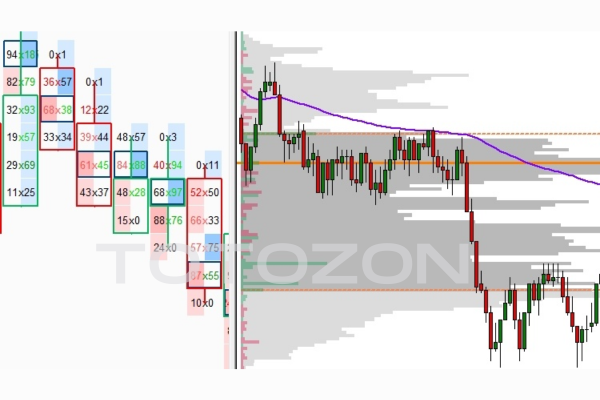 Day Trading with Volume Profile and Orderflow - Price Action Volume Trader
1 × $6.00
Day Trading with Volume Profile and Orderflow - Price Action Volume Trader
1 × $6.00 -
×
 MorningSwing Method with Austin Passamonte
1 × $6.00
MorningSwing Method with Austin Passamonte
1 × $6.00 -
×
 Andy’s EMini Bar – 40 Min System with Joe Ross
1 × $6.00
Andy’s EMini Bar – 40 Min System with Joe Ross
1 × $6.00 -
×
 Secrets of the Trading Pros with Jack Bouroudjan & Terrence Duffy
1 × $6.00
Secrets of the Trading Pros with Jack Bouroudjan & Terrence Duffy
1 × $6.00 -
×
 A Complete Guide to Technical Trading Tactics with John Person
1 × $6.00
A Complete Guide to Technical Trading Tactics with John Person
1 × $6.00 -
×
 Advanced Trading Course with DovyFX
1 × $5.00
Advanced Trading Course with DovyFX
1 × $5.00 -
×
 Naked Trading Mastery
1 × $39.00
Naked Trading Mastery
1 × $39.00 -
×
 Simple Cyclical Analysis with Stan Erlich
1 × $6.00
Simple Cyclical Analysis with Stan Erlich
1 × $6.00 -
×
 CFA Level 2 - Examination Book Afternoon Section (1999)
1 × $6.00
CFA Level 2 - Examination Book Afternoon Section (1999)
1 × $6.00 -
×
 Order flow self-study training program with iMFtracker
1 × $10.00
Order flow self-study training program with iMFtracker
1 × $10.00

Elliott Flat Waves CD with David Elliott
$6.00
File Size: Coming soon!
Delivery Time: 1–12 hours
Media Type: Online Course
Content Proof: Watch Here!
You may check content proof of “Elliott Flat Waves CD with David Elliott” below:

Elliott Flat Waves CD with David Elliott
Introduction
Elliott Wave Theory is a cornerstone of technical analysis used by traders worldwide to predict market movements. David Elliott’s “Elliott Flat Waves CD” provides a detailed exploration of flat waves, a crucial component of this theory. In this article, we will delve into the concepts, significance, and practical applications of flat waves as discussed by Elliott, helping you to enhance your trading strategy effectively.
Understanding Elliott Wave Theory
Elliott Wave Theory, developed by Ralph Nelson Elliott, posits that market prices move in predictable patterns, which can be identified and leveraged for trading.
What Are Elliott Waves?
Elliott Waves are repetitive patterns in financial markets comprising five-wave impulsive phases and three-wave corrective phases.
Impulse Waves
Impulse waves consist of five waves that move in the direction of the main trend (1, 2, 3, 4, 5).
Corrective Waves
Corrective waves consist of three waves that move against the main trend (A, B, C).
Introduction to Flat Waves
Flat waves are a type of corrective wave pattern in Elliott Wave Theory. They are characterized by their sideways movement and limited price range.
Characteristics of Flat Waves
- Structure: Composed of three waves (A, B, C).
- Retracement: Wave B typically retraces more than 90% of Wave A.
- Pattern: Appears horizontal, hence the term ‘flat.’
Types of Flat Waves
- Regular Flat: Wave B retraces close to 100% of Wave A.
- Expanded Flat: Wave B exceeds the starting point of Wave A, and Wave C moves beyond the end of Wave A.
- Running Flat: Wave B exceeds the starting point of Wave A, but Wave C falls short of the end of Wave A.
Significance of Flat Waves in Trading
Flat waves provide traders with essential signals about market consolidations and potential future movements.
Why Flat Waves Matter
- Consolidation Indicators: Signal periods of market consolidation.
- Trend Continuation: Often precede the continuation of the main trend.
- Trading Opportunities: Provide clear entry and exit points.
Consolidation Indicators
Flat waves indicate periods where the market is neither making significant gains nor losses, often leading to significant future movements.
Identifying Flat Waves
Recognizing flat waves on a chart is crucial for applying Elliott Wave Theory effectively.
Steps to Identify Flat Waves
- Observe Wave Structure: Look for the three-wave (A, B, C) pattern.
- Check Retracement Levels: Confirm that Wave B retraces close to or beyond the start of Wave A.
- Analyze Market Context: Ensure the pattern fits within a corrective phase.
Key Indicators
- Wave Structure: Clear A, B, C formation.
- Retracement Analysis: Use Fibonacci retracement to verify levels.
Practical Application of Flat Waves
Step-by-Step Guide
- Identify Main Trend: Determine the direction of the primary trend.
- Spot Flat Waves: Look for flat wave patterns during corrective phases.
- Use Technical Indicators: Confirm patterns with tools like RSI and MACD.
- Plan Trades: Develop entry and exit strategies based on identified patterns.
Technical Indicators to Confirm
- Fibonacci Retracement: Validate retracement levels.
- RSI (Relative Strength Index): Check for overbought or oversold conditions.
- MACD (Moving Average Convergence Divergence): Confirm momentum.
Example Trade
A trader identifies an upward main trend and spots a flat wave correction. By using Fibonacci retracement, they confirm the levels and plan to enter the trade at the end of Wave C, expecting the trend to resume upwards.
Advantages of Using Flat Waves
Enhanced Predictive Power
Flat waves help traders anticipate market moves, providing an edge in forecasting trends.
Benefits
- Clear Signals: Offer distinct entry and exit points.
- Trend Confirmation: Assist in confirming the continuation of the main trend.
Improved Trading Performance
Utilizing flat waves can lead to more consistent trading results.
Performance Metrics
- Win Rate: Track the percentage of successful trades.
- Average Return: Measure average profit per trade.
- Risk Management: Monitor potential losses and adjust strategies accordingly.
Common Pitfalls and How to Avoid Them
Misidentifying Patterns
Flat waves can sometimes be mistaken for other corrective patterns.
Avoiding Misidentification
- Detailed Analysis: Conduct thorough analysis of wave structures.
- Multiple Confirmations: Use various technical indicators to confirm patterns.
Overtrading
Trading every identified flat wave can lead to unnecessary risks.
Avoiding Overtrading
- Selectivity: Trade only high-probability setups.
- Risk Management: Implement stop-loss orders to minimize potential losses.
Advanced Techniques
Combining Flat Waves with Other Patterns
Integrate flat waves with other Elliott Wave patterns for a comprehensive analysis.
Example
Combine flat waves with impulse waves to identify strong trend continuation points.
Using Multiple Time Frames
Analyze flat waves across different time frames for a more detailed market perspective.
Multiple Time Frame Analysis
- Long-Term Trends: Identify flat waves in higher time frames.
- Short-Term Opportunities: Use lower time frames for precise trade entries and exits.
Conclusion
David Elliott’s “Elliott Flat Waves CD” provides an in-depth look at one of the most essential corrective patterns in Elliott Wave Theory. By understanding and applying flat waves, traders can enhance their market analysis and improve their trading performance. Incorporating these patterns into your trading strategy can provide significant advantages and lead to more consistent and profitable outcomes.
FAQs
1. What are flat waves in Elliott Wave Theory?
Flat waves are a type of corrective pattern characterized by a three-wave structure (A, B, C) that generally moves sideways.
2. Why are flat waves important in trading?
Flat waves help predict future market movements, indicate trend continuation, and provide trading opportunities.
3. How can I identify flat waves in a chart?
Look for a three-wave pattern with Wave B retracing close to or beyond the start of Wave A. Use technical indicators for confirmation.
4. What are the different types of flat waves?
The main types are regular flat, expanded flat, and running flat, each with distinct retracement characteristics.
5. How can I incorporate flat waves into my trading strategy?
Identify the main trend, spot flat waves during corrections, confirm with indicators, and plan your entry and exit points based on the identified patterns.
Be the first to review “Elliott Flat Waves CD with David Elliott”
You must be logged in to post a review.
Related products

Forex Trading
The Complete Guide to Multiple Time Frame Analysis & Reading Price Action with Aiman Almansoori
Original price was: $1,399.00.$13.00Current price is: $13.00.

Forex Trading
Original price was: $239.00.$8.00Current price is: $8.00.
Original price was: $139.00.$23.00Current price is: $23.00.
Original price was: $497.00.$11.00Current price is: $11.00.

Original price was: $895.00.$15.00Current price is: $15.00.
Forex Trading
Original price was: $850.00.$23.00Current price is: $23.00.
Original price was: $695.00.$41.00Current price is: $41.00.

Original price was: $1,200.00.$23.00Current price is: $23.00.

Forex Trading
Original price was: $2,997.00.$23.00Current price is: $23.00.

Original price was: $299.00.$8.00Current price is: $8.00.

Original price was: $1,849.00.$15.00Current price is: $15.00.

Forex Trading
Original price was: $125.00.$17.00Current price is: $17.00.

Forex Trading
Original price was: $1,098.00.$39.00Current price is: $39.00.

Forex Trading
Original price was: $999.00.$15.00Current price is: $15.00.

Original price was: $799.00.$15.00Current price is: $15.00.

Original price was: $997.00.$8.00Current price is: $8.00.

Forex Trading
Original price was: $797.00.$10.00Current price is: $10.00.

Forex Trading
Quantamentals – The Next Great Forefront Of Trading and Investing with Trading Markets
Original price was: $1,495.00.$8.00Current price is: $8.00.

Forex Trading
Original price was: $397.00.$31.00Current price is: $31.00.
Forex Trading
Original price was: $799.00.$15.00Current price is: $15.00.

Reviews
There are no reviews yet.