
-
×
 How To Read The Market Professionally with TradeSmart
1 × $27.00
How To Read The Market Professionally with TradeSmart
1 × $27.00 -
×
 Advanced Strategies for Option Trading Success with James Bittman
1 × $6.00
Advanced Strategies for Option Trading Success with James Bittman
1 × $6.00 -
×
 Financial Freedom Mastery Course with Freedom Team Trading
1 × $31.00
Financial Freedom Mastery Course with Freedom Team Trading
1 × $31.00 -
×
 Day Trading Smart Right From the Start: Trading Essentials for Maximum Results - David Nassar & John Boyer
1 × $6.00
Day Trading Smart Right From the Start: Trading Essentials for Maximum Results - David Nassar & John Boyer
1 × $6.00 -
×
 ICT Prodigy Trading Course – $650K in Payouts with Alex Solignani
1 × $15.00
ICT Prodigy Trading Course – $650K in Payouts with Alex Solignani
1 × $15.00 -
×
 Futures & Options Course with Talkin Options
1 × $15.00
Futures & Options Course with Talkin Options
1 × $15.00 -
×
 Scientific Forex with Cristina Ciurea
1 × $6.00
Scientific Forex with Cristina Ciurea
1 × $6.00 -
×
 Startup Trading Masterclass with Jack Gleason
1 × $93.00
Startup Trading Masterclass with Jack Gleason
1 × $93.00 -
×
 Essentials in Quantitative Trading QT01 By HangukQuant's
1 × $23.00
Essentials in Quantitative Trading QT01 By HangukQuant's
1 × $23.00 -
×
 Fundamentals of Futures & Options Markets (4th Ed.)
1 × $6.00
Fundamentals of Futures & Options Markets (4th Ed.)
1 × $6.00 -
×
 Show Tax Losses On Your 1040, Yet Show Lenders You Are Making Money! with Information Services Unlimited
1 × $6.00
Show Tax Losses On Your 1040, Yet Show Lenders You Are Making Money! with Information Services Unlimited
1 × $6.00 -
×
 Ultimate Trading Course with Dodgy's Dungeon
1 × $8.00
Ultimate Trading Course with Dodgy's Dungeon
1 × $8.00 -
×
 E-Bonds: An Introduction to the Online Bond Market with Jake Wengroff
1 × $6.00
E-Bonds: An Introduction to the Online Bond Market with Jake Wengroff
1 × $6.00 -
×
 RTM + Suppy and Demand with Nora Bystra
1 × $6.00
RTM + Suppy and Demand with Nora Bystra
1 × $6.00 -
×
 Safety in the Market. Smarter Starter Pack 1st Edition
1 × $6.00
Safety in the Market. Smarter Starter Pack 1st Edition
1 × $6.00 -
×
 Connors on Advanced Trading Strategies with Larry Connors
1 × $6.00
Connors on Advanced Trading Strategies with Larry Connors
1 × $6.00 -
×
 Activedaytrader - Mastering Technicals
1 × $15.00
Activedaytrader - Mastering Technicals
1 × $15.00 -
×
 Scalp Strategy and Flipping Small Accounts with Opes Trading Group
1 × $5.00
Scalp Strategy and Flipping Small Accounts with Opes Trading Group
1 × $5.00 -
×
 Futures Broker Home Study Course CTA Series 3 (Fourteenth Ed.) with Center for Futures Education
1 × $6.00
Futures Broker Home Study Course CTA Series 3 (Fourteenth Ed.) with Center for Futures Education
1 × $6.00 -
×
 Commodity Options: Trading and Hedging Volatility in the World’s Most Lucrative Market with Carley Garner & Paul Brittain
1 × $6.00
Commodity Options: Trading and Hedging Volatility in the World’s Most Lucrative Market with Carley Garner & Paul Brittain
1 × $6.00 -
×
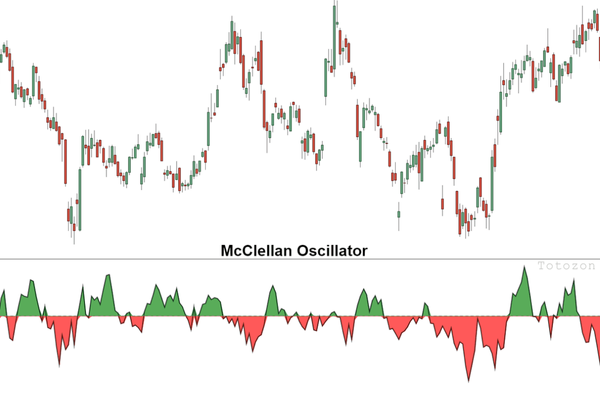 The McClellan Oscillator and Other Tools for with Tom McClellan
1 × $6.00
The McClellan Oscillator and Other Tools for with Tom McClellan
1 × $6.00 -
×
 3 Technical Indicators to Help You Ride the Elliott Wave Trend with Chris Carolan
1 × $6.00
3 Technical Indicators to Help You Ride the Elliott Wave Trend with Chris Carolan
1 × $6.00 -
×
 Advanced Iron Condor Course in 2021
1 × $6.00
Advanced Iron Condor Course in 2021
1 × $6.00 -
×
 TRADING NFX Course with Andrew NFX
1 × $5.00
TRADING NFX Course with Andrew NFX
1 × $5.00 -
×
 FlowRider Trading Course with Boris Schlossberg and Kathy Lien - Bkforex
1 × $15.00
FlowRider Trading Course with Boris Schlossberg and Kathy Lien - Bkforex
1 × $15.00 -
×
 A Complete Course in Option Trading Fundamentals with Joseph Frey
1 × $6.00
A Complete Course in Option Trading Fundamentals with Joseph Frey
1 × $6.00 -
×
 The Prop Trading Code with Brannigan Barrett - Axia Futures
1 × $23.00
The Prop Trading Code with Brannigan Barrett - Axia Futures
1 × $23.00
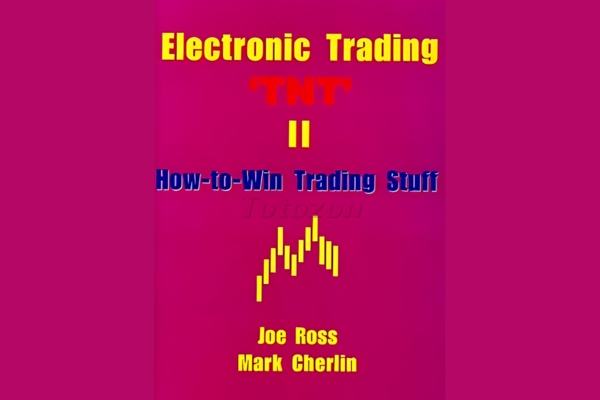
Electronic Trading “TNT” II How – To Win Trading Stuff with Joe Ross & Mark Cherlin
$6.00
File Size: Coming soon!
Delivery Time: 1–12 hours
Media Type: Online Course
Electronic Trading “TNT” II: How to Win Trading Stuff with Joe Ross & Mark Cherlin
Introduction to Electronic Trading “TNT” II
Electronic trading has revolutionized the financial markets, making it easier for traders to access, analyze, and execute trades. “TNT” II by Joe Ross and Mark Cherlin offers invaluable insights into winning trading strategies and techniques. This article will explore the key elements of this comprehensive guide to help you become a successful electronic trader.
About Joe Ross & Mark Cherlin
Joe Ross and Mark Cherlin are renowned trading experts with decades of experience in the financial markets. Their expertise has guided countless traders to achieve success through their innovative strategies and in-depth market analysis.
What is Electronic Trading?
Definition and Overview
Electronic trading involves using electronic platforms to buy and sell financial instruments. This method has largely replaced traditional floor trading, offering numerous advantages such as speed, efficiency, and lower costs.
Benefits of Electronic Trading
- Speed: Instant trade execution.
- Accessibility: Trade from anywhere with an internet connection.
- Cost-Effective: Lower transaction fees compared to traditional methods.
Key Concepts in “TNT” II
The Core of “TNT” II
“TNT” II, or “Trade Nothing but Tactics II,” focuses on practical, actionable strategies for winning in the markets. It emphasizes disciplined, tactical trading based on technical analysis.
Technical Analysis
Technical analysis is the study of past market data, primarily price and volume, to forecast future price movements. It is a critical component of the “TNT” II approach.
Winning Trading Strategies
1. Trend Following
Trend following involves trading in the direction of the prevailing market trend. This strategy helps traders capitalize on sustained market movements.
2. Scalping
Scalping is a short-term trading strategy aimed at making numerous small profits throughout the trading day. It requires quick decision-making and precision.
3. Swing Trading
Swing trading captures gains in a stock (or any financial instrument) over a few days to several weeks. This strategy takes advantage of price swings within a trend.
Tips and Tricks for Successful Electronic Trading
1. Use Advanced Charting Tools
Advanced charting tools allow traders to visualize market data and identify trends, patterns, and signals that inform trading decisions.
2. Stay Informed
Keeping up with financial news and market developments is crucial. Use news feeds, financial websites, and trading forums to stay updated.
3. Develop a Robust Trading Plan
A comprehensive trading plan outlines your trading goals, strategies, risk management rules, and evaluation criteria. Stick to your plan to maintain discipline.
4. Practice with Demo Accounts
Demo accounts provide a risk-free environment to practice your trading strategies and build confidence before trading with real money.
5. Leverage Technical Indicators
Indicators such as moving averages, RSI, and MACD help traders make informed decisions by analyzing market trends and momentum.
6. Implement Risk Management
Effective risk management protects your capital and minimizes losses. Use stop-loss orders and proper position sizing to manage risk.
7. Learn from Experience
Regularly review and analyze your trades to identify strengths and weaknesses. Continuous learning and adaptation are key to long-term success.
Advanced Techniques in “TNT” II
Algorithmic Trading
Algorithmic trading uses automated software to execute trades based on predefined criteria. This technique can enhance trading efficiency and remove emotional biases.
High-Frequency Trading (HFT)
HFT involves executing a large number of orders at extremely high speeds. It leverages powerful computers and complex algorithms to capitalize on small price changes.
Risk Arbitrage
Risk arbitrage involves taking advantage of price differentials between related financial instruments. This strategy requires sophisticated analysis and a deep understanding of market dynamics.
Common Challenges in Electronic Trading
Emotional Trading
Emotional trading can lead to impulsive decisions and significant losses. Maintain discipline and stick to your trading plan to avoid emotional pitfalls.
Overtrading
Overtrading can quickly deplete your capital and lead to burnout. Focus on quality trades rather than quantity.
Market Volatility
Market volatility can present both opportunities and risks. Use appropriate risk management strategies to navigate volatile markets.
Tools and Resources for Electronic Traders
Trading Platforms
Choose a trading platform that offers real-time data, advanced charting tools, and low transaction costs to enhance your trading experience.
Educational Resources
Books, online courses, webinars, and trading communities can provide valuable insights and help you stay updated with the latest trends and strategies.
Trading Software
Invest in reliable trading software that offers algorithmic trading capabilities, backtesting, and risk management features.
Conclusion
Electronic trading “TNT” II by Joe Ross and Mark Cherlin provides a comprehensive guide to winning trading strategies. By leveraging technical analysis, advanced trading tools, and disciplined tactics, you can enhance your trading performance and achieve success in the markets. Continuous learning and adaptation are crucial to navigating the ever-evolving financial landscape.
FAQs
1. What is the “TNT” strategy in trading?
The “TNT” strategy stands for “Trade Nothing but Tactics,” emphasizing disciplined, tactical trading based on technical analysis.
2. How can I improve my trading skills?
Continuous education, practice with demo accounts, and learning from past trades are essential for improving trading skills.
3. What are some common challenges in electronic trading?
Emotional trading, overtrading, and navigating market volatility are common challenges that traders face.
4. How important is risk management in trading?
Risk management is crucial to protect your capital and minimize losses. Use stop-loss orders and proper position sizing.
5. What are the benefits of using demo accounts?
Demo accounts allow you to practice trading strategies without financial risk, helping you build confidence and refine your approach.
Be the first to review “Electronic Trading “TNT” II How – To Win Trading Stuff with Joe Ross & Mark Cherlin”
You must be logged in to post a review.
Related products

Forex Trading
Original price was: $2,995.00.$31.00Current price is: $31.00.

Original price was: $139.00.$23.00Current price is: $23.00.

Forex Trading
Original price was: $797.00.$10.00Current price is: $10.00.

Forex Trading
Original price was: $2,997.00.$23.00Current price is: $23.00.

Original price was: $997.00.$13.00Current price is: $13.00.

Original price was: $695.00.$41.00Current price is: $41.00.
Forex Trading
Original price was: $239.00.$8.00Current price is: $8.00.

Forex Trading
Original price was: $397.00.$31.00Current price is: $31.00.

Forex Trading
Original price was: $799.00.$15.00Current price is: $15.00.

Forex Trading
Original price was: $125.00.$17.00Current price is: $17.00.

Forex Trading
Original price was: $1,898.00.$10.00Current price is: $10.00.

Forex Trading
Original price was: $249.00.$15.00Current price is: $15.00.

Forex Trading
Original price was: $999.00.$15.00Current price is: $15.00.
Forex Trading
Original price was: $850.00.$23.00Current price is: $23.00.
Forex Trading
Original price was: $500.00.$5.00Current price is: $5.00.
Forex Trading
Original price was: $4,997.00.$27.00Current price is: $27.00.

Original price was: $799.00.$15.00Current price is: $15.00.

Original price was: $497.00.$11.00Current price is: $11.00.

Original price was: $497.00.$31.00Current price is: $31.00.

Forex Trading
Original price was: $697.00.$5.00Current price is: $5.00.
Reviews
There are no reviews yet.