
-
×
 Sang Lucci Master Course 2021 with Sang Lucci
1 × $6.00
Sang Lucci Master Course 2021 with Sang Lucci
1 × $6.00 -
×
 Generating Consistent Profits On Smaller Accounts
1 × $23.00
Generating Consistent Profits On Smaller Accounts
1 × $23.00 -
×
 CNBC 24-7 Trading with Barbara Rockefeller
1 × $6.00
CNBC 24-7 Trading with Barbara Rockefeller
1 × $6.00 -
×
 Traders Positioning System with Lee Gettess
1 × $4.00
Traders Positioning System with Lee Gettess
1 × $4.00 -
×
 BSAPPS FX Course with Ben Barker
1 × $6.00
BSAPPS FX Course with Ben Barker
1 × $6.00 -
×
 WEBINAR series 5 – EXECUTION: A DETAILED PROCESS with FuturesTrader71
1 × $4.00
WEBINAR series 5 – EXECUTION: A DETAILED PROCESS with FuturesTrader71
1 × $4.00 -
×
 Intra-day Solar Trader with George Harrison
1 × $17.00
Intra-day Solar Trader with George Harrison
1 × $17.00 -
×
 Trading Options at Expiration: Strategies and Models for Winning the Endgame with Jeff Augen
1 × $6.00
Trading Options at Expiration: Strategies and Models for Winning the Endgame with Jeff Augen
1 × $6.00 -
×
 You Don't Need No Stinkin' Stockbroker: Taking the Pulse of Your Investment Portfolio with Doug Cappiello & Steve Tanaka
1 × $6.00
You Don't Need No Stinkin' Stockbroker: Taking the Pulse of Your Investment Portfolio with Doug Cappiello & Steve Tanaka
1 × $6.00 -
×
 Advance Courses for Members
1 × $15.00
Advance Courses for Members
1 × $15.00 -
×
 The Dark Side Of Valuation with Aswath Damodaran
1 × $6.00
The Dark Side Of Valuation with Aswath Damodaran
1 × $6.00 -
×
 Confessions of a Pit Trader 2003 with Rick Burgess
1 × $6.00
Confessions of a Pit Trader 2003 with Rick Burgess
1 × $6.00 -
×
 SQX Mentorship with Tip Toe Hippo
1 × $23.00
SQX Mentorship with Tip Toe Hippo
1 × $23.00 -
×
 Deep Dive Butterfly Trading Strategy Class with SJG Trades
1 × $41.00
Deep Dive Butterfly Trading Strategy Class with SJG Trades
1 × $41.00 -
×
 A Game Plan for Investing in the 21st Century with Thomas J.Dorsey
1 × $6.00
A Game Plan for Investing in the 21st Century with Thomas J.Dorsey
1 × $6.00 -
×
 Butterfly and Condor Workshop with Aeromir
1 × $15.00
Butterfly and Condor Workshop with Aeromir
1 × $15.00 -
×
 Bulletproof Butterflies 2.0 2022 (PREMIUM) with Bruce Marshall
1 × $23.00
Bulletproof Butterflies 2.0 2022 (PREMIUM) with Bruce Marshall
1 × $23.00 -
×
 iMarketsLive Academy Course
1 × $5.00
iMarketsLive Academy Course
1 × $5.00 -
×
 The Handbook of Equity Style Management (3rd Ed) with Daniel Coggin & Frank Fabozzi
1 × $6.00
The Handbook of Equity Style Management (3rd Ed) with Daniel Coggin & Frank Fabozzi
1 × $6.00 -
×
 The Complete Guide to Multiple Time Frame Analysis & Reading Price Action with Aiman Almansoori
1 × $13.00
The Complete Guide to Multiple Time Frame Analysis & Reading Price Action with Aiman Almansoori
1 × $13.00 -
×
 Yield Farming MasterClass Course (2022) with Boss Financial
1 × $5.00
Yield Farming MasterClass Course (2022) with Boss Financial
1 × $5.00 -
×
 Ultimate Options with Andy Tanner & Corey Halliday - The Cashflow Academy
1 × $139.00
Ultimate Options with Andy Tanner & Corey Halliday - The Cashflow Academy
1 × $139.00 -
×
 Options 201: Vertical and Calendar Spread Essentials 5 Part Class with Don Kaufman On Demand Replay
1 × $6.00
Options 201: Vertical and Calendar Spread Essentials 5 Part Class with Don Kaufman On Demand Replay
1 × $6.00 -
×
 Metals Webinar
1 × $6.00
Metals Webinar
1 × $6.00 -
×
 Advanced Trading Course with DovyFX
1 × $5.00
Advanced Trading Course with DovyFX
1 × $5.00 -
×
 Trading Short TermSame Day Trades Sep 2023 with Dan Sheridan & Mark Fenton - Sheridan Options Mentoring
1 × $31.00
Trading Short TermSame Day Trades Sep 2023 with Dan Sheridan & Mark Fenton - Sheridan Options Mentoring
1 × $31.00 -
×
 Practical Applications of Candlestick Charts with Gary Wagner
1 × $6.00
Practical Applications of Candlestick Charts with Gary Wagner
1 × $6.00 -
×
 W. D Gann 's Square Of 9 Applied To Modern Markets with Sean Avidar - Hexatrade350
1 × $23.00
W. D Gann 's Square Of 9 Applied To Modern Markets with Sean Avidar - Hexatrade350
1 × $23.00 -
×
 Smart Money Trading Course with Prosperity Academy
1 × $5.00
Smart Money Trading Course with Prosperity Academy
1 × $5.00 -
×
 ALGO™ Online Retail - Version 2.9
1 × $155.00
ALGO™ Online Retail - Version 2.9
1 × $155.00 -
×
 Art & Science of Trend Trading Class with Jeff Bierman
1 × $6.00
Art & Science of Trend Trading Class with Jeff Bierman
1 × $6.00 -
×
 Advanced Risk Reversals and Rolling Thunder with Stratagem Trade
1 × $54.00
Advanced Risk Reversals and Rolling Thunder with Stratagem Trade
1 × $54.00 -
×
 A Comprehensive Guide to Intraday Trading Strategies & Setups Class with Jeff Bierman
1 × $6.00
A Comprehensive Guide to Intraday Trading Strategies & Setups Class with Jeff Bierman
1 × $6.00 -
×
 Ichimoku Cloud Triple Confirmation Indicator and Scan with AlphaShark
1 × $31.00
Ichimoku Cloud Triple Confirmation Indicator and Scan with AlphaShark
1 × $31.00 -
×
 Weekly Options Trading Advantage Class with Doc Severson
1 × $6.00
Weekly Options Trading Advantage Class with Doc Severson
1 × $6.00 -
×
 Algo Trading Masterclass with Ali Casey - StatOasis
1 × $23.00
Algo Trading Masterclass with Ali Casey - StatOasis
1 × $23.00 -
×
 TRADING NFX Course with Andrew NFX
1 × $5.00
TRADING NFX Course with Andrew NFX
1 × $5.00 -
×
 Trading for a Bright Future with Martin Cole
1 × $6.00
Trading for a Bright Future with Martin Cole
1 × $6.00 -
×
 Mastering Collar Trades Pro with Vince Vora - TradingWins
1 × $6.00
Mastering Collar Trades Pro with Vince Vora - TradingWins
1 × $6.00 -
×
 4-Hour Income Strategy with Todd Mitchell & Craig Hill
1 × $62.00
4-Hour Income Strategy with Todd Mitchell & Craig Hill
1 × $62.00 -
×
 Learn Plan Profit – How To Trade Stocks
1 × $15.00
Learn Plan Profit – How To Trade Stocks
1 × $15.00 -
×
 Intro To Trading - 3 Module Bundle
1 × $23.00
Intro To Trading - 3 Module Bundle
1 × $23.00 -
×
 Order flow self-study training program with iMFtracker
1 × $10.00
Order flow self-study training program with iMFtracker
1 × $10.00
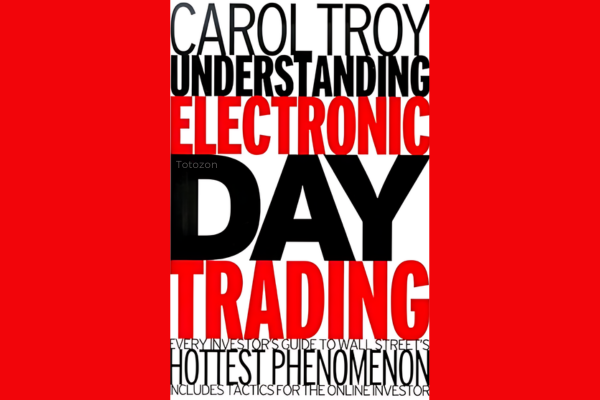
Understanding Electronic DayTrading with Carol Troy
$6.00
File Size: Cooming soon!
Delivery Time: 1–12 hours
Media Type: Online Course
Content Proof: Watch Here!
You may check content proof of “Understanding Electronic DayTrading with Carol Troy” below:

Understanding Electronic Day Trading with Carol Troy
Introduction to Electronic Day Trading
Electronic day trading has revolutionized the way we trade stocks and other financial instruments. In this article, we delve into the intricacies of electronic day trading with insights from Carol Troy, a seasoned expert in the field.
What is Electronic Day Trading?
Electronic day trading involves buying and selling financial instruments, such as stocks or futures, within the same trading day. The goal is to capitalize on short-term price movements.
Why Choose Electronic Day Trading?
Electronic day trading offers the potential for quick profits, flexibility in trading times, and the convenience of trading from anywhere with an internet connection.
Getting Started with Electronic Day Trading
Choosing the Right Trading Platform
Selecting a reliable trading platform is crucial. Look for platforms with robust features, real-time data, and user-friendly interfaces.
Opening a Trading Account
Opening a trading account is straightforward. Choose a reputable broker, complete the required documentation, and fund your account.
Understanding Market Hours
Knowing the market hours is essential. The stock market operates from 9:30 AM to 4:00 PM EST, but pre-market and after-hours trading sessions are also available.
Key Concepts in Day Trading
Leverage and Margin
Leverage allows you to control a large position with a small amount of capital. Margin is the collateral required to maintain your leveraged positions.
Bid-Ask Spread
The bid-ask spread is the difference between the highest price a buyer is willing to pay and the lowest price a seller is willing to accept. It reflects market liquidity.
Volatility
Volatility measures how much the price of an asset fluctuates. Higher volatility often presents more trading opportunities.
Day Trading Strategies
Scalping
Scalping involves making numerous small trades to capitalize on tiny price movements. This strategy requires quick decision-making and execution.
Momentum Trading
Momentum trading focuses on stocks moving significantly in one direction on high volume. Traders aim to enter during the early stages of the movement.
Breakout Trading
Breakout trading involves identifying key price levels and entering trades when the price breaks through those levels with increased volume.
News-Based Trading
News-based trading capitalizes on market-moving news events. Traders react quickly to news such as earnings reports or economic data releases.
Tools and Resources for Day Traders
Real-Time Market Data
Access to real-time market data is essential for day traders. Delayed data can result in missed opportunities.
Technical Analysis Tools
Utilize charts and technical indicators like moving averages, RSI, and MACD to identify trading opportunities and trends.
Economic Calendars
Economic calendars provide information on upcoming news events and economic data releases that can impact the markets.
Risk Management in Day Trading
Setting Stop-Loss Orders
Stop-loss orders protect your capital by automatically closing a trade if the price moves against you by a specified amount.
Position Sizing
Proper position sizing ensures you don’t risk too much on any single trade, helping to preserve your trading capital.
Keeping Emotions in Check
Trading can be emotionally taxing. It’s essential to stay disciplined, stick to your trading plan, and avoid impulsive decisions.
The Psychology of Day Trading
Maintaining Discipline
Discipline is key to successful day trading. Follow your trading plan and avoid the temptation to deviate from your strategy.
Managing Stress
Day trading can be stressful. Develop techniques to manage stress, such as regular breaks, exercise, and mindfulness practices.
Continuous Learning
The markets are constantly evolving. Stay informed and continuously improve your trading skills through education and practice.
Advanced Day Trading Techniques
Algorithmic Trading
Algorithmic trading uses automated systems to execute trades based on predefined criteria. This can help remove emotion from trading decisions.
Backtesting Strategies
Backtesting involves testing trading strategies on historical data to evaluate their effectiveness before applying them in live trading.
Conclusion
Understanding electronic day trading with Carol Troy provides a comprehensive overview of the strategies, tools, and techniques needed to succeed in this fast-paced environment. Whether you’re a beginner or an experienced trader, this knowledge can help you navigate the complexities of day trading and improve your chances of success.
FAQs
1. What is the best time to day trade?
The best time to day trade is typically during the first and last hours of the trading day, known as the market open and close, when volatility and volume are highest.
2. How much capital do I need to start day trading?
While you can start with as little as $500, it’s recommended to have at least $2,000 to $5,000 to effectively manage risk and capitalize on trading opportunities.
3. What are the main risks of day trading?
The main risks of day trading include market volatility, leverage risk, and the potential for significant financial losses. Proper risk management is crucial.
4. Can I day trade part-time?
Yes, many traders start part-time. It’s essential to choose trading hours that align with your schedule and the most active market times.
5. What resources are available for learning day trading?
Numerous resources are available, including online courses, books, webinars, and the expert insights provided by Carol Troy in this article.
Be the first to review “Understanding Electronic DayTrading with Carol Troy”
You must be logged in to post a review.
Related products

Original price was: $700.00.$39.00Current price is: $39.00.
Forex Trading
Original price was: $500.00.$5.00Current price is: $5.00.
Forex Trading
Original price was: $1,898.00.$10.00Current price is: $10.00.

Original price was: $497.00.$11.00Current price is: $11.00.

Forex Trading
Original price was: $1,098.00.$39.00Current price is: $39.00.

Original price was: $310.00.$23.00Current price is: $23.00.

Forex Trading
Original price was: $125.00.$17.00Current price is: $17.00.

Original price was: $497.00.$31.00Current price is: $31.00.

Original price was: $2,120.00.$15.00Current price is: $15.00.

Original price was: $1,200.00.$23.00Current price is: $23.00.

Forex Trading
Original price was: $499.00.$15.00Current price is: $15.00.

Original price was: $4,995.00.$15.00Current price is: $15.00.

Forex Trading
Original price was: $2,995.00.$31.00Current price is: $31.00.

Forex Trading
Original price was: $4,997.00.$27.00Current price is: $27.00.

Forex Trading
Original price was: $697.00.$5.00Current price is: $5.00.
Forex Trading
Original price was: $799.00.$15.00Current price is: $15.00.

Forex Trading
Original price was: $249.00.$15.00Current price is: $15.00.

Original price was: $1,800.00.$54.00Current price is: $54.00.

Original price was: $999.00.$5.00Current price is: $5.00.

Original price was: $997.00.$13.00Current price is: $13.00.
Reviews
There are no reviews yet.