
-
×
 Forecast 2024 Clarification with Larry Williams
1 × $15.00
Forecast 2024 Clarification with Larry Williams
1 × $15.00 -
×
 Yuri Shamenko Videos
1 × $5.00
Yuri Shamenko Videos
1 × $5.00 -
×
 Tunnel Trading Course (No Software) with Joshua Martinez
1 × $101.00
Tunnel Trading Course (No Software) with Joshua Martinez
1 × $101.00 -
×
 Lit Trading Course
1 × $15.00
Lit Trading Course
1 × $15.00 -
×
 Bottom Springers. Bonsai Elite WaveTrader Course
1 × $15.00
Bottom Springers. Bonsai Elite WaveTrader Course
1 × $15.00 -
×
 $20 – 52k 20 pips a day challange with Rafał Zuchowicz - TopMasterTrader
1 × $5.00
$20 – 52k 20 pips a day challange with Rafał Zuchowicz - TopMasterTrader
1 × $5.00 -
×
 W. D Gann 's Square Of 9 Applied To Modern Markets with Sean Avidar - Hexatrade350
1 × $23.00
W. D Gann 's Square Of 9 Applied To Modern Markets with Sean Avidar - Hexatrade350
1 × $23.00 -
×
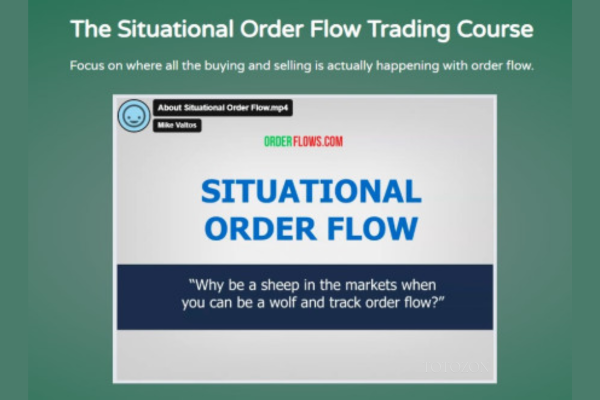 The Situational Order Flow Trading Course with Mike Valtos
1 × $20.00
The Situational Order Flow Trading Course with Mike Valtos
1 × $20.00 -
×
 Strategy Factory Workshop
1 × $23.00
Strategy Factory Workshop
1 × $23.00 -
×
 FXCharger
1 × $23.00
FXCharger
1 × $23.00 -
×
 Fear Factor Breakout Trading System with Wbprofittrader
1 × $31.00
Fear Factor Breakout Trading System with Wbprofittrader
1 × $31.00 -
×
 INSIDER HEDGE FUND FORMULA (IHFF)
1 × $6.00
INSIDER HEDGE FUND FORMULA (IHFF)
1 × $6.00 -
×
 Matrix Spread Options Trading Course with Base Camp Trading
1 × $31.00
Matrix Spread Options Trading Course with Base Camp Trading
1 × $31.00 -
×
 Butterfly and Condor Workshop with Aeromir
1 × $15.00
Butterfly and Condor Workshop with Aeromir
1 × $15.00 -
×
 Ultimate Gann Trading
1 × $15.00
Ultimate Gann Trading
1 × $15.00 -
×
 Forex Shockwave Analysis with James Bickford
1 × $6.00
Forex Shockwave Analysis with James Bickford
1 × $6.00 -
×
 International Trade & Economic Dynamics with Koji Shimomura
1 × $6.00
International Trade & Economic Dynamics with Koji Shimomura
1 × $6.00 -
×
 Home Run Options Trading Course with Dave Aquino - Base Camp Trading
1 × $11.00
Home Run Options Trading Course with Dave Aquino - Base Camp Trading
1 × $11.00 -
×
 Ultimate Options Trading with Cash Flow Academy
1 × $34.00
Ultimate Options Trading with Cash Flow Academy
1 × $34.00 -
×
 BETT Strategy (Breakout Entry Two Target Strategy)
1 × $62.00
BETT Strategy (Breakout Entry Two Target Strategy)
1 × $62.00 -
×
 Successful Algorithmic Trading with Mike Halls-Moore
1 × $8.00
Successful Algorithmic Trading with Mike Halls-Moore
1 × $8.00 -
×
 Leading Indicators
1 × $23.00
Leading Indicators
1 × $23.00 -
×
 How To Read The Market Professionally with TradeSmart
1 × $27.00
How To Read The Market Professionally with TradeSmart
1 × $27.00 -
×
 The Complete Guide to Multiple Time Frame Analysis & Reading Price Action with Aiman Almansoori
1 × $13.00
The Complete Guide to Multiple Time Frame Analysis & Reading Price Action with Aiman Almansoori
1 × $13.00 -
×
 The Winning Secret
1 × $23.00
The Winning Secret
1 × $23.00 -
×
 The Fear Process with Lewis Mocker
1 × $23.00
The Fear Process with Lewis Mocker
1 × $23.00 -
×
 The Essays of Waren Buffet. Lessons for Corporate America with Lawrence A.Cunningham
1 × $6.00
The Essays of Waren Buffet. Lessons for Corporate America with Lawrence A.Cunningham
1 × $6.00 -
×
 Trend Harmony with Murray Ruggiero
1 × $15.00
Trend Harmony with Murray Ruggiero
1 × $15.00 -
×
 Market Trader Forecasting Modeling Course
1 × $6.00
Market Trader Forecasting Modeling Course
1 × $6.00 -
×
 The A14 Weekly Option Strategy Workshop with Amy Meissner
1 × $23.00
The A14 Weekly Option Strategy Workshop with Amy Meissner
1 × $23.00
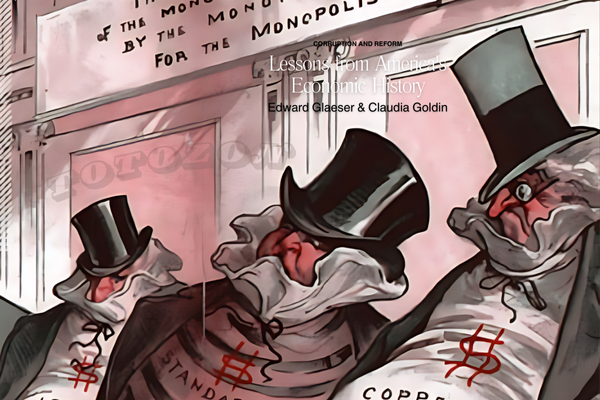
Corruption and Reform: Lessons from America’s Economic History with Edward Glaeser & Claudia Goldin
Original price was: $60.00.$6.00Current price is: $6.00.
File Size: Coming soon!
Delivery Time: 1–12 hours
Media Type: Online Course
Content Proof: Watch Here!
You may check content proof of “Corruption and Reform: Lessons from America’s Economic History with Edward Glaeser & Claudia Goldin” below:

Corruption and Reform: Lessons from America’s Economic History with Edward Glaeser & Claudia Goldin
Introduction
Exploring the turbulent waters of corruption and the robust efforts for reform in America’s economic history, Edward Glaeser and Claudia Goldin provide insightful analyses in their seminal work. This article dives into the key lessons and historical implications of their studies.
Understanding the Authors
Edward Glaeser’s Expertise
A renowned economist, Glaeser has a profound understanding of urban economics and how it interplays with public policy.
Claudia Goldin’s Contributions
Goldin, an economic historian, brings a deep analysis of gender economics and historical economic trends to their collaborative work.
The Genesis of Economic Corruption
Historical Overview
The book begins with a historical overview of corruption within America’s economic frameworks, tracing its roots and proliferation.
Case Studies from the Past
Several pivotal cases are discussed to illustrate how corruption embedded itself in various sectors.
Patterns of Corruption
Political Machines
The role of political machines in fostering economic corruption during the 19th and early 20th centuries is explored in detail.
Corporate Collusion
Insight is provided into how corporations historically manipulated economic systems for gain, contributing to widespread corrupt practices.
Reform Movements
The Progressive Era
Glaeser and Goldin discuss the impact of the Progressive Era in initiating crucial reforms to combat corruption.
Legislative Changes
The authors analyze key legislative reforms that aimed to dismantle corrupt systems and restore economic integrity.
Impact of Corruption on Society
Economic Consequences
Corruption’s impact on America’s economic development is critically examined, showing both short-term benefits for a few and long-term harm for many.
Social Implications
The broader social implications of corruption, including its effect on public trust and societal values, are also highlighted.
Economic Theories and Corruption
Market Failures
The book delves into economic theories explaining why corruption occurs, including market failures and regulatory inefficiencies.
Incentive Structures
The analysis of how incentive structures can either curb or encourage corrupt practices offers a foundation for understanding reform mechanisms.
Case Studies on Reform
New York City’s Cleanup
A standout example provided is New York City’s fight against corruption in the early 20th century, led by reformers who aimed to reshape the city’s economic landscape.
Modern Implications
Modern parallels are drawn to illustrate how historical reforms influence present-day policies against corruption.
Lessons for Today
Adapting Historical Lessons
The authors propose ways to adapt historical lessons of reform to contemporary economic and political systems.
Preventative Strategies
Strategies to prevent corruption from taking root in new sectors and technologies are suggested, emphasizing proactive governance.
Conclusion
“Corruption and Reform: Lessons from America’s Economic History” by Edward Glaeser and Claudia Goldin provides a meticulous exploration of the interplay between economic malfeasance and reformative efforts. Their work offers timeless lessons that remain relevant as new forms of economic challenges emerge.
FAQs
- What is the main focus of Glaeser and Goldin’s work?
- Their work focuses on analyzing patterns of corruption and the subsequent reform efforts throughout America’s economic history.
- How do political machines relate to economic corruption?
- Political machines often facilitated economic corruption by manipulating electoral outcomes and policy decisions to benefit private interests at the public’s expense.
- Can the lessons from early 20th-century reforms apply today?
- Yes, the foundational principles of these reforms can be adapted to modern contexts to address contemporary issues of corruption.
- What role do economic theories play in understanding corruption?
- Economic theories help explain the conditions under which corruption flourishes, such as market failures and flawed incentive structures.
- How can modern cities combat economic corruption?
- Modern cities can combat corruption by enhancing transparency, improving regulations, and fostering a culture of accountability.
Be the first to review “Corruption and Reform: Lessons from America’s Economic History with Edward Glaeser & Claudia Goldin”
You must be logged in to post a review.
Related products
Forex Trading
Original price was: $799.00.$15.00Current price is: $15.00.

Original price was: $649.00.$20.00Current price is: $20.00.

Forex Trading
Original price was: $397.00.$31.00Current price is: $31.00.

Original price was: $799.00.$15.00Current price is: $15.00.

Original price was: $700.00.$39.00Current price is: $39.00.

Original price was: $450.00.$23.00Current price is: $23.00.

Forex Trading
Original price was: $999.00.$15.00Current price is: $15.00.

Forex Trading
Original price was: $550.00.$5.00Current price is: $5.00.

Forex Trading
Original price was: $2,000.00.$23.00Current price is: $23.00.

Forex Trading
Original price was: $697.00.$5.00Current price is: $5.00.
Original price was: $139.00.$23.00Current price is: $23.00.

Original price was: $695.00.$41.00Current price is: $41.00.

Forex Trading
Quantamentals – The Next Great Forefront Of Trading and Investing with Trading Markets
Original price was: $1,495.00.$8.00Current price is: $8.00.

Forex Trading
Original price was: $500.00.$5.00Current price is: $5.00.

Forex Trading
Original price was: $2,995.00.$31.00Current price is: $31.00.
Original price was: $197.00.$5.00Current price is: $5.00.

Original price was: $4,995.00.$15.00Current price is: $15.00.

Original price was: $1,200.00.$23.00Current price is: $23.00.
Forex Trading
The Complete Guide to Multiple Time Frame Analysis & Reading Price Action with Aiman Almansoori
Original price was: $1,399.00.$13.00Current price is: $13.00.
Original price was: $497.00.$31.00Current price is: $31.00.

Reviews
There are no reviews yet.