
-
×
 Strategies for Profiting on Every Trade: Simple Lessons for Mastering the Market with Oliver L. Velez
1 × $6.00
Strategies for Profiting on Every Trade: Simple Lessons for Mastering the Market with Oliver L. Velez
1 × $6.00 -
×
 Nasdaq Trading Strategies Book with French Trader
1 × $6.00
Nasdaq Trading Strategies Book with French Trader
1 × $6.00 -
×
 Random Walk Trading Options Professional
1 × $31.00
Random Walk Trading Options Professional
1 × $31.00 -
×
 Investors Live Textbook Trading DVD
1 × $15.00
Investors Live Textbook Trading DVD
1 × $15.00 -
×
 Time by Degrees Online Coaching 2009 + PDF Workbooks
1 × $54.00
Time by Degrees Online Coaching 2009 + PDF Workbooks
1 × $54.00 -
×
 Credit Spread Trading Made Simple 3.0
1 × $6.00
Credit Spread Trading Made Simple 3.0
1 × $6.00 -
×
 Market Mindfields. Dancing with Gorilla
1 × $6.00
Market Mindfields. Dancing with Gorilla
1 × $6.00 -
×
 Gaining an Edge when you Trade the S&P Futures with Carolyn Boroden
1 × $6.00
Gaining an Edge when you Trade the S&P Futures with Carolyn Boroden
1 × $6.00 -
×
 Interactive Course
1 × $6.00
Interactive Course
1 × $6.00 -
×
 Micro Bull Run Mentorship Program (Autumn 2023) with Brendan Viehman
1 × $23.00
Micro Bull Run Mentorship Program (Autumn 2023) with Brendan Viehman
1 × $23.00 -
×
 Big Mike Trading Webinars
1 × $6.00
Big Mike Trading Webinars
1 × $6.00 -
×
 Best of the Best: Collars with Amy Meissner & Scott Ruble
1 × $15.00
Best of the Best: Collars with Amy Meissner & Scott Ruble
1 × $15.00 -
×
 Volatility and Timing with Jay Kaeppel – The Option Trader’s Guide to Probability
1 × $6.00
Volatility and Timing with Jay Kaeppel – The Option Trader’s Guide to Probability
1 × $6.00 -
×
 The Next Big Short Class (Risk Twist Spreads) Class with Don Kaufman
1 × $6.00
The Next Big Short Class (Risk Twist Spreads) Class with Don Kaufman
1 × $6.00 -
×
 Beginner to Advanced Trader with Mikesh Shah
1 × $6.00
Beginner to Advanced Trader with Mikesh Shah
1 × $6.00 -
×
 Private Ephemeris 1941-1950
1 × $23.00
Private Ephemeris 1941-1950
1 × $23.00 -
×
 Currency Trading and Intermarket Analysis
1 × $6.00
Currency Trading and Intermarket Analysis
1 × $6.00 -
×
 Simple Sector Trading Strategies with John Murphy
1 × $6.00
Simple Sector Trading Strategies with John Murphy
1 × $6.00 -
×
 The Poker Face of Wall Street with Aaron Brown
1 × $6.00
The Poker Face of Wall Street with Aaron Brown
1 × $6.00 -
×
 Security Analysis (The Classic 1934 Ed.) with Benjamin Graham
1 × $6.00
Security Analysis (The Classic 1934 Ed.) with Benjamin Graham
1 × $6.00 -
×
 Unsorted Articles about the Psychology of Trading with Brett N.Steenbarger
1 × $6.00
Unsorted Articles about the Psychology of Trading with Brett N.Steenbarger
1 × $6.00 -
×
 Credit Spread Plan to Generate 5% Weekly
1 × $31.00
Credit Spread Plan to Generate 5% Weekly
1 × $31.00 -
×
 Transforming Debt into Wealth System with John Cummuta
1 × $6.00
Transforming Debt into Wealth System with John Cummuta
1 × $6.00 -
×
 Wave Trader Software 2004 with Bryce Gilmore
1 × $6.00
Wave Trader Software 2004 with Bryce Gilmore
1 × $6.00 -
×
 The Options Handbook with Bernie Schaeffer
1 × $6.00
The Options Handbook with Bernie Schaeffer
1 × $6.00 -
×
 Scalp Strategy and Flipping Small Accounts with Opes Trading Group
1 × $5.00
Scalp Strategy and Flipping Small Accounts with Opes Trading Group
1 × $5.00 -
×
 Deep Dive Butterfly Trading Strategy Class with SJG Trades
1 × $41.00
Deep Dive Butterfly Trading Strategy Class with SJG Trades
1 × $41.00 -
×
 Trading The Curran 3-Line Break Method A Professional Strategy For Daytrading The Eminis By Chris Curran
1 × $4.00
Trading The Curran 3-Line Break Method A Professional Strategy For Daytrading The Eminis By Chris Curran
1 × $4.00 -
×
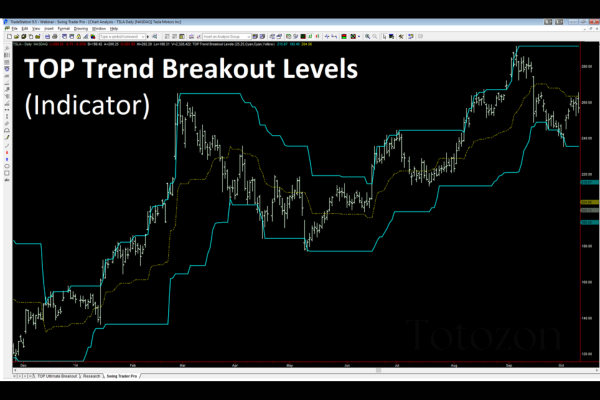 TopTradeTools - Trend Breakout Levels
1 × $15.00
TopTradeTools - Trend Breakout Levels
1 × $15.00 -
×
 The Prop Trading Code with Brannigan Barrett - Axia Futures
1 × $23.00
The Prop Trading Code with Brannigan Barrett - Axia Futures
1 × $23.00 -
×
 Mindover Markets Enhanced: The Intensive Series 2 with Jim Dalton
1 × $20.00
Mindover Markets Enhanced: The Intensive Series 2 with Jim Dalton
1 × $20.00 -
×
 Trader University with Matthew Kratter
1 × $6.00
Trader University with Matthew Kratter
1 × $6.00 -
×
 The Alvarez Factor
1 × $23.00
The Alvarez Factor
1 × $23.00 -
×
 The Price Action Method
1 × $15.00
The Price Action Method
1 × $15.00 -
×
 Sure Thing Stock Investing with Larry Williams
1 × $6.00
Sure Thing Stock Investing with Larry Williams
1 × $6.00 -
×
 B The Trader Trading Course
1 × $15.00
B The Trader Trading Course
1 × $15.00 -
×
 Weekly Credit Spreads for Income
1 × $6.00
Weekly Credit Spreads for Income
1 × $6.00 -
×
 International Trade & Economic Dynamics with Koji Shimomura
1 × $6.00
International Trade & Economic Dynamics with Koji Shimomura
1 × $6.00 -
×
 DNA Wealth Blueprint 3 (Complete)
1 × $54.00
DNA Wealth Blueprint 3 (Complete)
1 × $54.00 -
×
 The Indices Orderflow Masterclass with The Forex Scalpers
1 × $23.00
The Indices Orderflow Masterclass with The Forex Scalpers
1 × $23.00 -
×
 Rich Jerk Program
1 × $15.00
Rich Jerk Program
1 × $15.00 -
×
 Trade Queen Pro with Tamia Johnson
1 × $54.00
Trade Queen Pro with Tamia Johnson
1 × $54.00 -
×
 Practical Approach to Amibroker Scanners and Exploration with Rajandran R
1 × $4.00
Practical Approach to Amibroker Scanners and Exploration with Rajandran R
1 × $4.00 -
×
 Price Action and Orderflow Course with Young Tilopa
1 × $17.00
Price Action and Orderflow Course with Young Tilopa
1 × $17.00 -
×
 Winning the Losers Game with Charles Ellis
1 × $6.00
Winning the Losers Game with Charles Ellis
1 × $6.00 -
×
 Quantamentals - The Next Great Forefront Of Trading and Investing with Trading Markets
1 × $8.00
Quantamentals - The Next Great Forefront Of Trading and Investing with Trading Markets
1 × $8.00 -
×
 Market Makers Method Forex Trading with Nick Nechanicky
1 × $5.00
Market Makers Method Forex Trading with Nick Nechanicky
1 × $5.00 -
×
 Home Run Options Trading Course with Dave Aquino - Base Camp Trading
1 × $11.00
Home Run Options Trading Course with Dave Aquino - Base Camp Trading
1 × $11.00

Divergent swing trading
Original price was: $697.00.$54.00Current price is: $54.00.
File Size: Coming soon!
Delivery Time: 1–12 hours
Media Type: Online Course
Divergent Swing Trading: Mastering Market Moves
Swing trading is a popular trading style that aims to capture short- to medium-term gains in a stock or any financial instrument over a period of a few days to several weeks. Divergent swing trading adds a powerful twist to this approach by using divergences to identify potential market reversals and continuations. In this article, we’ll explore the key concepts, strategies, and setups involved in divergent swing trading to help you master this dynamic trading method.
Introduction to Divergent Swing Trading
What is Divergent Swing Trading?
Divergent swing trading combines the principles of swing trading with the use of divergences to identify potential trading opportunities. Divergences occur when the price of an asset and a technical indicator move in opposite directions, signaling a possible change in the trend.
Why Choose Divergent Swing Trading?
- Enhanced Accuracy: Divergences can provide early warning signals of potential trend reversals.
- Versatility: Applicable to various markets including stocks, forex, commodities, and cryptocurrencies.
- Improved Risk Management: Clear entry and exit points help in managing risk effectively.
Understanding Divergences
Types of Divergences
Regular Divergence
Regular divergence occurs when the price makes a higher high or lower low, but the indicator does not follow suit. This indicates a potential reversal.
- Bullish Divergence: Price makes a lower low, but the indicator makes a higher low.
- Bearish Divergence: Price makes a higher high, but the indicator makes a lower high.
Hidden Divergence
Hidden divergence signals the continuation of the current trend. It occurs when the price makes a higher low or lower high, but the indicator makes a lower low or higher high.
- Bullish Hidden Divergence: Price makes a higher low, but the indicator makes a lower low.
- Bearish Hidden Divergence: Price makes a lower high, but the indicator makes a higher high.
Key Indicators for Divergent Swing Trading
Relative Strength Index (RSI)
RSI is a momentum oscillator that measures the speed and change of price movements. It is commonly used to identify overbought or oversold conditions and divergences.
Moving Average Convergence Divergence (MACD)
MACD is a trend-following momentum indicator that shows the relationship between two moving averages of a security’s price. It is useful for identifying both regular and hidden divergences.
Stochastic Oscillator
The stochastic oscillator compares a particular closing price of a security to a range of its prices over a certain period of time. It is another tool that can be used to spot divergences.
Setting Up Divergent Swing Trading Strategies
Identifying Divergences
- Choose Your Indicator: Select an indicator such as RSI, MACD, or Stochastic Oscillator.
- Analyze Price Action: Look for higher highs or lower lows in the price.
- Compare with Indicator: Check if the indicator confirms the price action or diverges.
Entry and Exit Points
Entry Points
- Bullish Divergence: Enter a long position when a bullish divergence is confirmed.
- Bearish Divergence: Enter a short position when a bearish divergence is confirmed.
Exit Points
- Profit Targets: Set profit targets based on key support and resistance levels or Fibonacci retracement levels.
- Stop-Loss Orders: Place stop-loss orders below the low of a bullish divergence or above the high of a bearish divergence to manage risk.
Practical Examples of Divergent Swing Trading
Example 1: Bullish Divergence with RSI
- Setup: Identify a bullish divergence where the price makes a lower low, but the RSI makes a higher low.
- Action: Enter a long position at the confirmation of the divergence.
- Result: Ride the upward movement and exit at a predetermined resistance level.
Example 2: Bearish Divergence with MACD
- Setup: Identify a bearish divergence where the price makes a higher high, but the MACD makes a lower high.
- Action: Enter a short position at the confirmation of the divergence.
- Result: Ride the downward movement and exit at a predetermined support level.
Advantages of Divergent Swing Trading
Early Warning Signals
Divergences can provide early indications of potential trend reversals, allowing traders to enter or exit positions before major price moves.
Versatility Across Markets
This strategy can be applied to a wide range of markets, making it a versatile tool in a trader’s arsenal.
Enhanced Risk Management
Clear entry and exit points help traders manage their risk more effectively, protecting their capital from significant losses.
Challenges in Divergent Swing Trading
False Signals
Not all divergences result in trend reversals, leading to potential false signals that can result in losses.
Market Conditions
Divergent swing trading can be less effective in choppy or range-bound markets where price action lacks clear direction.
Tips for Successful Divergent Swing Trading
Combine with Other Indicators
Enhance the reliability of your trades by combining divergences with other technical indicators like moving averages or Fibonacci retracements.
Stay Informed
Keep abreast of market news and events that might impact the markets you are trading. This helps in making more informed trading decisions.
Practice Discipline
Stick to your trading plan and avoid impulsive decisions based on short-term market fluctuations. Discipline is key to long-term trading success.
Conclusion
Divergent swing trading offers a powerful approach to capturing market reversals and continuations by leveraging divergences. By understanding how to identify and trade divergences, traders can enhance their accuracy and profitability. Whether you are a beginner or an experienced trader, incorporating divergent swing trading strategies into your trading plan can provide a significant edge in the financial markets.
Commonly Asked Questions:
- Business Model Innovation: Accept the truth of a legitimate business! Our strategy is organising a group buy in which participants share the costs. We use these cash to acquire popular courses from sale pages and make them available to people with limited financial resources. Despite the authors’ worries, our clients love the cost and accessibility we give.
- The Legal Environment: Yes or No The legality of our activity is ambiguous. While we don’t have specific permission from the course authors to resell the material, there is a technicality at work. The author did not specify any limits on resale when purchasing the course. This legal intricacy is both an opportunity for us and a boon for individuals looking for low-cost access.
- Quality Control: Uncovering the Truth
Getting to the heart of the issue – quality. Purchasing the course straight from the sale page guarantees that all documents and resources are the same as those obtained through traditional channels.
However, we distinguish ourselves by going beyond personal research and resale. It is crucial to note that we are not the official course providers, which means that the following premium services are not included in our package:
- There are no scheduled coaching calls or sessions with the author.
- Access to the author’s private Facebook group or web portal is not permitted.
- No access to the author’s private membership forum.
- There is no direct email support available from the author or their team.
We operate independently, with the goal of bridging the pricing gap without the extra services provided by official course channels. Your comprehension of our distinct approach is much appreciated.
Be the first to review “Divergent swing trading”
You must be logged in to post a review.
Related products

Original price was: $1,800.00.$54.00Current price is: $54.00.

Original price was: $2,120.00.$15.00Current price is: $15.00.
Original price was: $695.00.$41.00Current price is: $41.00.
Original price was: $450.00.$23.00Current price is: $23.00.

Original price was: $299.00.$8.00Current price is: $8.00.

Forex Trading
Original price was: $797.00.$10.00Current price is: $10.00.
Forex Trading
Quantamentals – The Next Great Forefront Of Trading and Investing with Trading Markets
Original price was: $1,495.00.$8.00Current price is: $8.00.

Forex Trading
Original price was: $1,898.00.$10.00Current price is: $10.00.

Forex Trading
Original price was: $125.00.$17.00Current price is: $17.00.

Forex Trading
The Complete Guide to Multiple Time Frame Analysis & Reading Price Action with Aiman Almansoori
Original price was: $1,399.00.$13.00Current price is: $13.00.

Original price was: $310.00.$23.00Current price is: $23.00.

Forex Trading
Original price was: $500.00.$5.00Current price is: $5.00.

Forex Trading
Original price was: $2,995.00.$31.00Current price is: $31.00.

Original price was: $4,995.00.$15.00Current price is: $15.00.

Forex Trading
Original price was: $249.00.$15.00Current price is: $15.00.

Forex Trading
Original price was: $2,000.00.$23.00Current price is: $23.00.
Original price was: $799.00.$15.00Current price is: $15.00.

Forex Trading
Original price was: $799.00.$15.00Current price is: $15.00.

Forex Trading
Original price was: $1,098.00.$39.00Current price is: $39.00.

Original price was: $139.00.$23.00Current price is: $23.00.

Reviews
There are no reviews yet.