
-
×
 Price Action Trading Manual 2010
1 × $6.00
Price Action Trading Manual 2010
1 × $6.00 -
×
 Larry Connors Professional Day Trading for Success Program
1 × $62.00
Larry Connors Professional Day Trading for Success Program
1 × $62.00 -
×
 White Phoenix’s The Smart (Money) Approach to Trading with Jayson Casper
1 × $39.00
White Phoenix’s The Smart (Money) Approach to Trading with Jayson Casper
1 × $39.00 -
×
 3 Volatility Strategies with Quantified Strategies
1 × $23.00
3 Volatility Strategies with Quantified Strategies
1 × $23.00 -
×
 The Orderflows Trade Opportunities Encyclopedia with Michael Valtos
1 × $8.00
The Orderflows Trade Opportunities Encyclopedia with Michael Valtos
1 × $8.00 -
×
 ValueCharts Ultimate Bundle with Base Camp Trading
1 × $54.00
ValueCharts Ultimate Bundle with Base Camp Trading
1 × $54.00 -
×
 The Streetsmart Guide to Timing the Stock Market with Colin Alexander
1 × $6.00
The Streetsmart Guide to Timing the Stock Market with Colin Alexander
1 × $6.00 -
×
 Predators & Profits with Martin Howell & John Bogle
1 × $6.00
Predators & Profits with Martin Howell & John Bogle
1 × $6.00 -
×
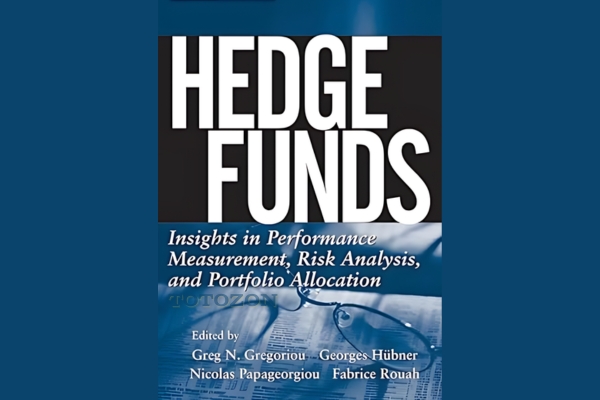 Hedge Funds: Insights in Performance Measurement, Risk Analysis, and Portfolio Allocation (1st Edition) - Greg Gregoriou, Georges Hübner, Nicolas Papageorgiou & Fabrice Rouah
1 × $6.00
Hedge Funds: Insights in Performance Measurement, Risk Analysis, and Portfolio Allocation (1st Edition) - Greg Gregoriou, Georges Hübner, Nicolas Papageorgiou & Fabrice Rouah
1 × $6.00 -
×
 Global Product with John Stark
1 × $6.00
Global Product with John Stark
1 × $6.00 -
×
 ND10X - 10X Your Money In 10 Days with Nicola Delic
1 × $23.00
ND10X - 10X Your Money In 10 Days with Nicola Delic
1 × $23.00 -
×
 How To Read The Market Professionally with TradeSmart
1 × $27.00
How To Read The Market Professionally with TradeSmart
1 × $27.00 -
×
 High Probability Trading Using Elliott Wave And Fibonacci Analysis withVic Patel - Forex Training Group
1 × $10.00
High Probability Trading Using Elliott Wave And Fibonacci Analysis withVic Patel - Forex Training Group
1 × $10.00 -
×
 Best of the Best: Collars with Amy Meissner & Scott Ruble
1 × $15.00
Best of the Best: Collars with Amy Meissner & Scott Ruble
1 × $15.00 -
×
 Ezaih Academy 2024 Mentorship with Ezaih
1 × $54.00
Ezaih Academy 2024 Mentorship with Ezaih
1 × $54.00 -
×
 Neural Networks in the Capital Markets with Apostolos Paul Refenes
1 × $6.00
Neural Networks in the Capital Markets with Apostolos Paul Refenes
1 × $6.00 -
×
 Investing with LEAPS. What You Should Know About Long Term Investing with James Bittman
1 × $6.00
Investing with LEAPS. What You Should Know About Long Term Investing with James Bittman
1 × $6.00 -
×
 ActiveBeta Indexes. Capturing Systematic Sources of Active Equity Returns (HTML) with Andrew Lo
1 × $6.00
ActiveBeta Indexes. Capturing Systematic Sources of Active Equity Returns (HTML) with Andrew Lo
1 × $6.00 -
×
 Algo Trading Masterclass with Ali Casey - StatOasis
1 × $23.00
Algo Trading Masterclass with Ali Casey - StatOasis
1 × $23.00 -
×
 SRs Trend Rider 2.0
1 × $6.00
SRs Trend Rider 2.0
1 × $6.00 -
×
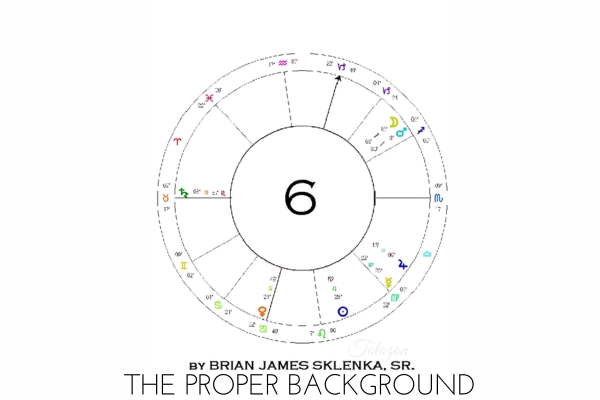 6 (The Proper BackGround)
1 × $6.00
6 (The Proper BackGround)
1 × $6.00 -
×
 Pairs Trading The Final Frontier with Don Kaufman
1 × $6.00
Pairs Trading The Final Frontier with Don Kaufman
1 × $6.00 -
×
 Options Academy Elevate with Simon Ree - Tao of Trading
1 × $109.00
Options Academy Elevate with Simon Ree - Tao of Trading
1 × $109.00 -
×
 Options Trading & Ultimate MasterClass With Tyrone Abela - FX Evolution
1 × $54.00
Options Trading & Ultimate MasterClass With Tyrone Abela - FX Evolution
1 × $54.00 -
×
 Computational Financial Mathematics with Mathematica
1 × $6.00
Computational Financial Mathematics with Mathematica
1 × $6.00 -
×
 Advanced Spread Trading with Guy Bower - MasterClass Trader
1 × $15.00
Advanced Spread Trading with Guy Bower - MasterClass Trader
1 × $15.00 -
×
 Advanced Strategies for Option Trading Success with James Bittman
1 × $6.00
Advanced Strategies for Option Trading Success with James Bittman
1 × $6.00 -
×
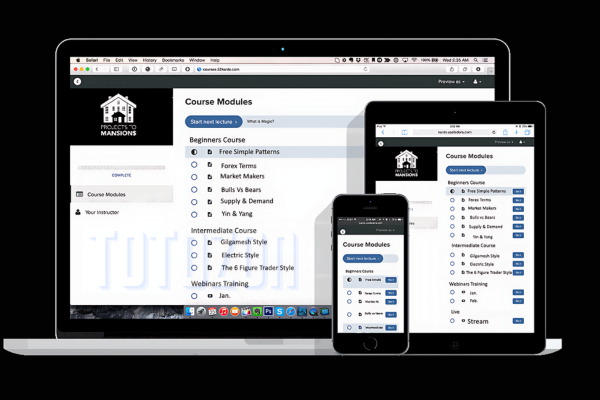 7 Figures Forex Course
1 × $15.00
7 Figures Forex Course
1 × $15.00 -
×
 Pricing of Bond Options with Detlef Repplinger
1 × $6.00
Pricing of Bond Options with Detlef Repplinger
1 × $6.00 -
×
 Letal Forex System with Alex Seeni
1 × $6.00
Letal Forex System with Alex Seeni
1 × $6.00 -
×
 Trading For A Living Course with Yvan Byeajee - Trading Composure
1 × $6.00
Trading For A Living Course with Yvan Byeajee - Trading Composure
1 × $6.00 -
×
 Natural Language Processing in Trading with Dr. Terry Benzschawel
1 × $31.00
Natural Language Processing in Trading with Dr. Terry Benzschawel
1 × $31.00 -
×
 EZ2 Trade Charting Collection eSignal (ez2tradesoftware.com) - Raghee Horner
1 × $6.00
EZ2 Trade Charting Collection eSignal (ez2tradesoftware.com) - Raghee Horner
1 × $6.00 -
×
 ART Online 4 Weeks Home Study Course with Bennett McDowell
1 × $78.00
ART Online 4 Weeks Home Study Course with Bennett McDowell
1 × $78.00 -
×
 The Jupiter Effect with John Gribbin & Stephen Plagemann
1 × $6.00
The Jupiter Effect with John Gribbin & Stephen Plagemann
1 × $6.00 -
×
 The Banker’s Edge Webinar & Extras
1 × $6.00
The Banker’s Edge Webinar & Extras
1 × $6.00 -
×
 WondaFX Signature Strategy with WondaFX
1 × $5.00
WondaFX Signature Strategy with WondaFX
1 × $5.00 -
×
 SQX Mentorship with Tip Toe Hippo
1 × $23.00
SQX Mentorship with Tip Toe Hippo
1 × $23.00 -
×
 Investment Madness with John Nofsinger
1 × $6.00
Investment Madness with John Nofsinger
1 × $6.00 -
×
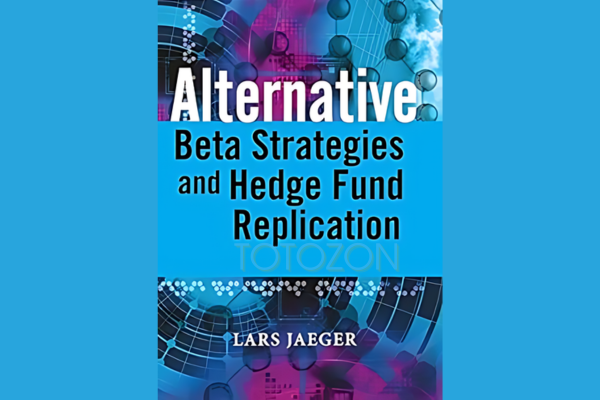 Alternative Beta Strategies & Hedge Fund Replication with Lars Jaeger & Jeffrey Pease
1 × $6.00
Alternative Beta Strategies & Hedge Fund Replication with Lars Jaeger & Jeffrey Pease
1 × $6.00 -
×
 TRADING NFX Course with Andrew NFX
1 × $5.00
TRADING NFX Course with Andrew NFX
1 × $5.00 -
×
 Stock Market Investing for Financial Independence & Retiring Early with Amon & Christina
1 × $15.00
Stock Market Investing for Financial Independence & Retiring Early with Amon & Christina
1 × $15.00 -
×
 The Orderflow Masterclass with PrimeTrading
1 × $17.00
The Orderflow Masterclass with PrimeTrading
1 × $17.00 -
×
 Order flow self-study training program with iMFtracker
1 × $10.00
Order flow self-study training program with iMFtracker
1 × $10.00 -
×
 Forex Trading Secrets. Trading Strategies for the Forex Market
1 × $6.00
Forex Trading Secrets. Trading Strategies for the Forex Market
1 × $6.00 -
×
 Rounded Bottom Breakout Multimedia Course
1 × $31.00
Rounded Bottom Breakout Multimedia Course
1 × $31.00 -
×
 INVESTOPEDIA - BECOME A DAY TRADER
1 × $15.00
INVESTOPEDIA - BECOME A DAY TRADER
1 × $15.00 -
×
 Commodity Futures Traders Club (CTCN) Issues 01 – 77
1 × $6.00
Commodity Futures Traders Club (CTCN) Issues 01 – 77
1 × $6.00 -
×
 How I've Achieved Triple-Digit Returns Daytrading: 4 Hours A Day with David Floyd
1 × $6.00
How I've Achieved Triple-Digit Returns Daytrading: 4 Hours A Day with David Floyd
1 × $6.00 -
×
 5 Steps to Investment Success with Tyler Bolhorn
1 × $6.00
5 Steps to Investment Success with Tyler Bolhorn
1 × $6.00 -
×
 Advanced Trading Techniques 2 CDs with Sammy Chua
1 × $6.00
Advanced Trading Techniques 2 CDs with Sammy Chua
1 × $6.00 -
×
 Quantum Stone Capital
1 × $15.00
Quantum Stone Capital
1 × $15.00 -
×
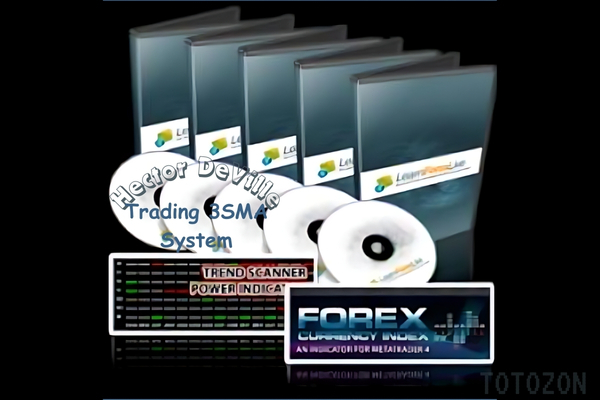 Trading 3SMA System with Hector DeVille
1 × $6.00
Trading 3SMA System with Hector DeVille
1 × $6.00 -
×
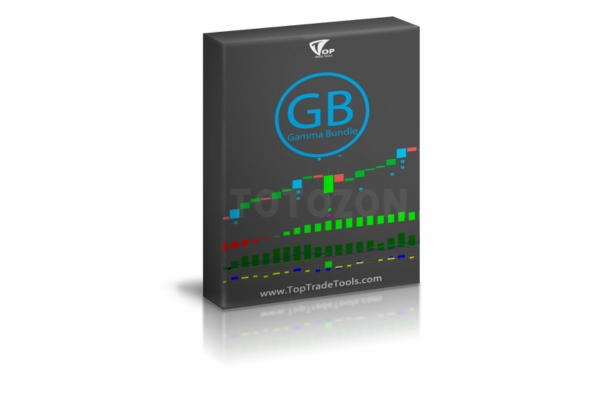 TOP Gamma Bundle with TopTrade Tools
1 × $69.00
TOP Gamma Bundle with TopTrade Tools
1 × $69.00 -
×
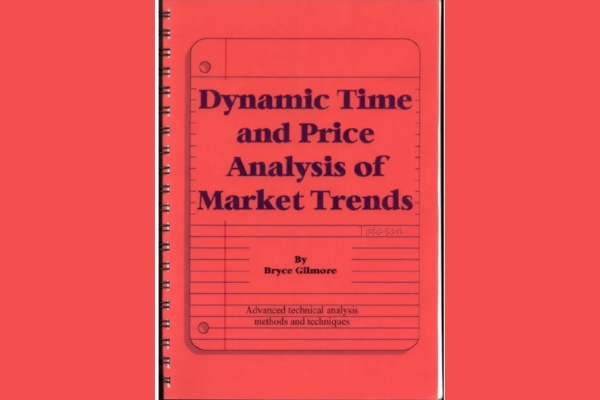 Dynamic Time and Price Analysis of Market Trends with Bruce Gilmore
1 × $6.00
Dynamic Time and Price Analysis of Market Trends with Bruce Gilmore
1 × $6.00 -
×
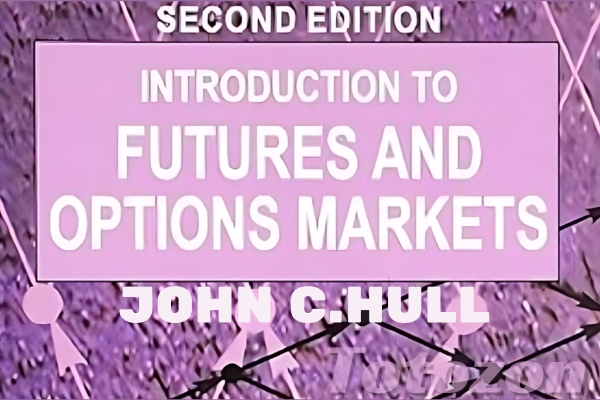 Introduction to Futures & Options Markets (2nd Ed.)
1 × $6.00
Introduction to Futures & Options Markets (2nd Ed.)
1 × $6.00 -
×
 Matrix Spread Options Trading Course with Base Camp Trading
1 × $31.00
Matrix Spread Options Trading Course with Base Camp Trading
1 × $31.00 -
×
 Advanced Trading Course with Edney Pinheiro
1 × $5.00
Advanced Trading Course with Edney Pinheiro
1 × $5.00 -
×
 Essentials in Quantitative Trading QT01 By HangukQuant's
1 × $23.00
Essentials in Quantitative Trading QT01 By HangukQuant's
1 × $23.00 -
×
 Technical Analysis 101: A Comprehensive Guide to Becoming a Better Trader Class with Jeff Bierman
1 × $6.00
Technical Analysis 101: A Comprehensive Guide to Becoming a Better Trader Class with Jeff Bierman
1 × $6.00 -
×
 8 Year Presidential Election Pattern (Article) with Adam White
1 × $6.00
8 Year Presidential Election Pattern (Article) with Adam White
1 × $6.00 -
×
 The Candlestick Training Series with Timon Weller
1 × $6.00
The Candlestick Training Series with Timon Weller
1 × $6.00 -
×
 The Best Option Trading Course with David Jaffee - Best Stock Strategy
1 × $15.00
The Best Option Trading Course with David Jaffee - Best Stock Strategy
1 × $15.00 -
×
 ETF Strategies & Tactics: Hedge Your Portfolio in a Changing Marke with Laurence Rosenberg
1 × $6.00
ETF Strategies & Tactics: Hedge Your Portfolio in a Changing Marke with Laurence Rosenberg
1 × $6.00 -
×
 Best of AM Review (Volume 1-3) with Peter Bain
1 × $6.00
Best of AM Review (Volume 1-3) with Peter Bain
1 × $6.00 -
×
 TradeCraft: Your Path to Peak Performance Trading By Adam Grimes
1 × $15.00
TradeCraft: Your Path to Peak Performance Trading By Adam Grimes
1 × $15.00 -
×
 Lifespan Investing with Clifford Pistolese
1 × $6.00
Lifespan Investing with Clifford Pistolese
1 × $6.00 -
×
 Small Account Growth Class – Strategies Course
1 × $23.00
Small Account Growth Class – Strategies Course
1 × $23.00 -
×
 Portfolio Management using Machine Learning: Hierarchical Risk Parity
1 × $39.00
Portfolio Management using Machine Learning: Hierarchical Risk Parity
1 × $39.00 -
×
 Risk Stop Loss and Position Size with Daryl Guppy
1 × $6.00
Risk Stop Loss and Position Size with Daryl Guppy
1 × $6.00 -
×
 The Indices Orderflow Masterclass with The Forex Scalpers
1 × $23.00
The Indices Orderflow Masterclass with The Forex Scalpers
1 × $23.00 -
×
 Elite Gap Trading with Nick Santiago - InTheMoneyStocks
1 × $93.00
Elite Gap Trading with Nick Santiago - InTheMoneyStocks
1 × $93.00 -
×
 Advanced Iron Condor Course in 2021
1 × $6.00
Advanced Iron Condor Course in 2021
1 × $6.00 -
×
 5-Step-Trading Stocks I and II with Lex Van Dam
1 × $4.00
5-Step-Trading Stocks I and II with Lex Van Dam
1 × $4.00 -
×
 YTC Price Action Trader
1 × $6.00
YTC Price Action Trader
1 × $6.00 -
×
 Advanced Iron Condors, Trading Concepts with Todd Mitchell
1 × $31.00
Advanced Iron Condors, Trading Concepts with Todd Mitchell
1 × $31.00 -
×
 Ultimate Trading Course with Dodgy's Dungeon
1 × $8.00
Ultimate Trading Course with Dodgy's Dungeon
1 × $8.00 -
×
 Secrets of the Darvas Trading System
1 × $6.00
Secrets of the Darvas Trading System
1 × $6.00 -
×
 Profit in the Futures Markets! with Jack Bernstein
1 × $6.00
Profit in the Futures Markets! with Jack Bernstein
1 × $6.00 -
×
 The Apple Way with Jeffrey Cruikshank
1 × $6.00
The Apple Way with Jeffrey Cruikshank
1 × $6.00 -
×
 How I Trade the QQQs with Don Miller
1 × $6.00
How I Trade the QQQs with Don Miller
1 × $6.00 -
×
 MAP. Moving Average Patterns CD with David Elliott
1 × $6.00
MAP. Moving Average Patterns CD with David Elliott
1 × $6.00 -
×
 Crypto Trading Academy with Cheeky Investor - Aussie Day Trader
1 × $13.00
Crypto Trading Academy with Cheeky Investor - Aussie Day Trader
1 × $13.00 -
×
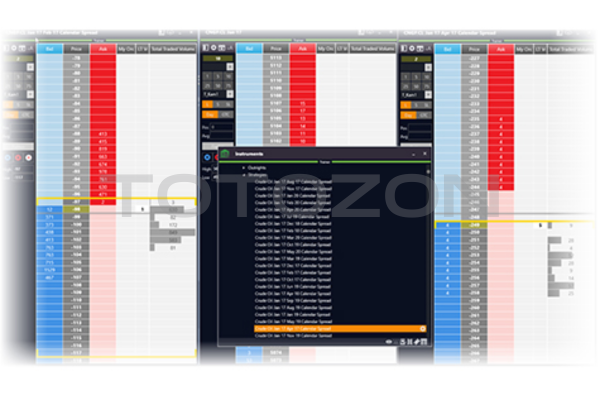 Futures Spread Trading Intro Course with Thetradingframework
1 × $6.00
Futures Spread Trading Intro Course with Thetradingframework
1 × $6.00 -
×
 Smart Money Concepts with JordyBanks
1 × $6.00
Smart Money Concepts with JordyBanks
1 × $6.00 -
×
 Butterfly and Condor Workshop with Aeromir
1 × $15.00
Butterfly and Condor Workshop with Aeromir
1 × $15.00 -
×
 Mergers & Acquisitions From A to Z with Andrew J.Sherman
1 × $6.00
Mergers & Acquisitions From A to Z with Andrew J.Sherman
1 × $6.00 -
×
 Complete Guide to Online Stock Market Investing (2nd Edition) with Alexander Davidson
1 × $6.00
Complete Guide to Online Stock Market Investing (2nd Edition) with Alexander Davidson
1 × $6.00 -
×
 Mastering Risk Modeling with Excel by Alastair Day
1 × $6.00
Mastering Risk Modeling with Excel by Alastair Day
1 × $6.00 -
×
 Psycho-Paper 96 with Charles Drummond
1 × $6.00
Psycho-Paper 96 with Charles Drummond
1 × $6.00 -
×
 Forty Cents for Financial Freedom with Darlene Nelson
1 × $6.00
Forty Cents for Financial Freedom with Darlene Nelson
1 × $6.00 -
×
 Stable Adaptive Control for Nonlinear Systems with Jeffrey Spooner
1 × $6.00
Stable Adaptive Control for Nonlinear Systems with Jeffrey Spooner
1 × $6.00

Derivates Demystified
$6.00
File Size: Cooming soon!
Delivery Time: 1–12 hours
Media Type: Online Course
Derivatives Demystified
Introduction to Derivatives
Derivatives are financial instruments whose value is derived from the performance of underlying assets, indexes, or interest rates. Despite their complexity, understanding derivatives is essential for modern finance.
What Are Derivatives?
Derivatives are contracts between two or more parties whose value is based on an agreed-upon underlying financial asset, index, or security. Common underlying assets include stocks, bonds, commodities, currencies, interest rates, and market indexes.
Types of Derivatives
- Futures Contracts
- Options Contracts
- Swaps
- Forwards
Why Use Derivatives?
Derivatives serve several purposes in financial markets, including hedging risk, speculating on price movements, and increasing leverage.
Hedging
Investors use derivatives to hedge against potential losses in their portfolios. For instance, a farmer might use futures contracts to lock in prices for their crops to mitigate the risk of price fluctuations.
Speculation
Traders can use derivatives to speculate on the future direction of market prices, aiming to profit from price movements without owning the underlying asset.
Leverage
Derivatives allow investors to gain exposure to larger positions than they could by directly purchasing the underlying assets, due to the lower initial capital outlay required.
Types of Derivatives Explained
Understanding the different types of derivatives is crucial for leveraging their benefits.
Futures Contracts
A futures contract is an agreement to buy or sell an asset at a future date at a predetermined price. These contracts are standardized and traded on exchanges.
Options Contracts
Options give the holder the right, but not the obligation, to buy or sell an asset at a specified price before a certain date. There are two types:
- Call Options: The right to buy an asset.
- Put Options: The right to sell an asset.
Swaps
Swaps are contracts in which two parties exchange cash flows or other financial instruments. The most common types are interest rate swaps and currency swaps.
Forwards
Forwards are similar to futures but are non-standardized contracts traded over-the-counter (OTC), making them customizable to the needs of the parties involved.
Benefits of Derivatives
Derivatives offer several advantages that make them attractive to investors and financial institutions.
Risk Management
By using derivatives, investors can hedge against potential losses, providing a safeguard for their portfolios.
Price Discovery
Derivatives markets contribute to the price discovery process, helping to determine the future prices of assets based on market expectations.
Market Efficiency
Derivatives increase market efficiency by enabling arbitrage opportunities, thus ensuring prices do not deviate significantly from their true value for long periods.
Risks Associated with Derivatives
While derivatives offer significant benefits, they also come with risks that must be managed.
Market Risk
The value of derivatives can fluctuate widely based on changes in the underlying asset’s price.
Counterparty Risk
In OTC derivatives, there’s a risk that the counterparty may default on the contract.
Leverage Risk
The use of leverage can amplify losses, making it possible to lose more than the initial investment.
Real-World Applications of Derivatives
Derivatives are used in various sectors and for different purposes, demonstrating their versatility.
Agricultural Sector
Farmers use futures contracts to lock in prices for crops, ensuring stable revenue regardless of market price changes at harvest time.
Financial Sector
Banks and financial institutions use interest rate swaps to manage exposure to fluctuations in interest rates.
Corporate Finance
Corporations use currency forwards to hedge against exchange rate risks associated with international transactions.
How to Trade Derivatives
Trading derivatives requires a solid understanding of the instruments and the markets in which they are traded.
Choosing a Broker
Select a reputable broker that offers a range of derivative products and provides robust trading platforms and resources.
Understanding Margin Requirements
Trading derivatives often involves margin accounts, so it’s essential to understand the margin requirements and the potential for margin calls.
Developing a Trading Strategy
Successful trading requires a well-thought-out strategy that includes risk management techniques and a clear understanding of market analysis.
Regulation of Derivatives Markets
Regulation is crucial for maintaining the integrity and stability of derivatives markets.
Regulatory Bodies
Entities like the Commodity Futures Trading Commission (CFTC) and the Securities and Exchange Commission (SEC) oversee derivatives markets in the United States.
Dodd-Frank Act
The Dodd-Frank Wall Street Reform and Consumer Protection Act introduced significant changes to the regulation of OTC derivatives in the wake of the 2008 financial crisis.
The Future of Derivatives
The derivatives market continues to evolve, with new products and technologies shaping its future.
Technological Innovations
Advancements in technology, such as blockchain and smart contracts, are expected to increase transparency and efficiency in derivatives trading.
Sustainability-Linked Derivatives
There is a growing trend toward developing derivatives linked to sustainability metrics, reflecting the increasing importance of environmental, social, and governance (ESG) factors in investment decisions.
Conclusion
Derivatives are powerful financial instruments that offer numerous benefits, from risk management to speculation and leverage. Understanding their complexities and associated risks is crucial for anyone looking to participate in these markets. With insights from experts like Andrew M. Chisholm, you can navigate the world of derivatives more confidently.
Frequently Asked Questions:
1. What are derivatives?
Derivatives are financial contracts whose value is derived from underlying assets, such as stocks, bonds, or commodities.
2. How are derivatives used in hedging?
Derivatives are used in hedging to protect against potential losses in investment portfolios by locking in prices or mitigating risks.
3. What is the difference between futures and options?
Futures contracts obligate the holder to buy or sell an asset at a future date, while options give the holder the right but not the obligation to do so.
4. What are the risks associated with trading derivatives?
The risks include market risk, counterparty risk, and leverage risk, all of which can lead to significant financial losses if not managed properly.
5. How is the derivatives market regulated?
Regulatory bodies like the CFTC and SEC oversee derivatives markets, implementing rules to ensure market integrity and protect investors.
Be the first to review “Derivates Demystified”
You must be logged in to post a review.
Related products

Forex Trading
Original price was: $1,098.00.$39.00Current price is: $39.00.

Forex Trading
The Complete Guide to Multiple Time Frame Analysis & Reading Price Action with Aiman Almansoori
Original price was: $1,399.00.$13.00Current price is: $13.00.
Forex Trading
Original price was: $1,898.00.$10.00Current price is: $10.00.

Original price was: $1,200.00.$23.00Current price is: $23.00.
Original price was: $1,849.00.$15.00Current price is: $15.00.
Forex Trading
Original price was: $2,997.00.$23.00Current price is: $23.00.

Original price was: $649.00.$20.00Current price is: $20.00.
Forex Trading
Original price was: $799.00.$15.00Current price is: $15.00.
Original price was: $299.00.$8.00Current price is: $8.00.

Original price was: $497.00.$11.00Current price is: $11.00.
Forex Trading
Original price was: $850.00.$23.00Current price is: $23.00.
Original price was: $497.00.$31.00Current price is: $31.00.
Original price was: $997.00.$13.00Current price is: $13.00.
Original price was: $4,995.00.$15.00Current price is: $15.00.

Forex Trading
Original price was: $397.00.$31.00Current price is: $31.00.

Original price was: $997.00.$8.00Current price is: $8.00.

Forex Trading
Original price was: $999.00.$15.00Current price is: $15.00.

Original price was: $197.00.$5.00Current price is: $5.00.
Original price was: $450.00.$23.00Current price is: $23.00.
Original price was: $1,800.00.$54.00Current price is: $54.00.
Reviews
There are no reviews yet.