
-
×
 A14 Weekly Options Strategy Workshop 2023 with Amy Meissner - Aeromir
1 × $23.00
A14 Weekly Options Strategy Workshop 2023 with Amy Meissner - Aeromir
1 × $23.00 -
×
 Advanced Forex Patterns with Vic Noble & Darko Ali
1 × $39.00
Advanced Forex Patterns with Vic Noble & Darko Ali
1 × $39.00 -
×
 Preview of Markets with George Bayer
1 × $6.00
Preview of Markets with George Bayer
1 × $6.00 -
×
 Earnings Reaction Gaps Workshop with John Pocorobba
1 × $27.00
Earnings Reaction Gaps Workshop with John Pocorobba
1 × $27.00 -
×
 Strike Zone Strategy 2.0 Elite Package with Joe Rokop
1 × $39.00
Strike Zone Strategy 2.0 Elite Package with Joe Rokop
1 × $39.00 -
×
 Mastering Technical Analysis with Investi Share
1 × $23.00
Mastering Technical Analysis with Investi Share
1 × $23.00 -
×
 CANDLESTICKS APPLIED with Steve Nison & Syl Desaulniers - Candle Charts
1 × $15.00
CANDLESTICKS APPLIED with Steve Nison & Syl Desaulniers - Candle Charts
1 × $15.00 -
×
 The Orderflow Masterclass with PrimeTrading
1 × $17.00
The Orderflow Masterclass with PrimeTrading
1 × $17.00 -
×
 Diary of an Internet Trader with Alpesh Patel
1 × $6.00
Diary of an Internet Trader with Alpesh Patel
1 × $6.00 -
×
 SnD SMC Course
1 × $10.00
SnD SMC Course
1 × $10.00 -
×
 Active Investment Management: Finding and Harnessing Investment Skill with Charles Jackson
1 × $6.00
Active Investment Management: Finding and Harnessing Investment Skill with Charles Jackson
1 × $6.00 -
×
 All About Mutual Funds with Bruce Jacobs
1 × $6.00
All About Mutual Funds with Bruce Jacobs
1 × $6.00 -
×
 The Stock Market, Credit & Capital Formation with Fritz Machlup
1 × $6.00
The Stock Market, Credit & Capital Formation with Fritz Machlup
1 × $6.00 -
×
 Day Trader Course
1 × $6.00
Day Trader Course
1 × $6.00 -
×
 Measuring Market Risk (2nd Edition) with Kevin Dowd
1 × $6.00
Measuring Market Risk (2nd Edition) with Kevin Dowd
1 × $6.00 -
×
 YTC Price Action Trader
1 × $6.00
YTC Price Action Trader
1 × $6.00 -
×
 Short-Term Trading, Long-Term Profits with John Leizman - McGraw-Hill
1 × $6.00
Short-Term Trading, Long-Term Profits with John Leizman - McGraw-Hill
1 × $6.00 -
×
 Crystal Ball Pack PLUS bonus Live Trade By Pat Mitchell - Trick Trades
1 × $20.00
Crystal Ball Pack PLUS bonus Live Trade By Pat Mitchell - Trick Trades
1 × $20.00 -
×
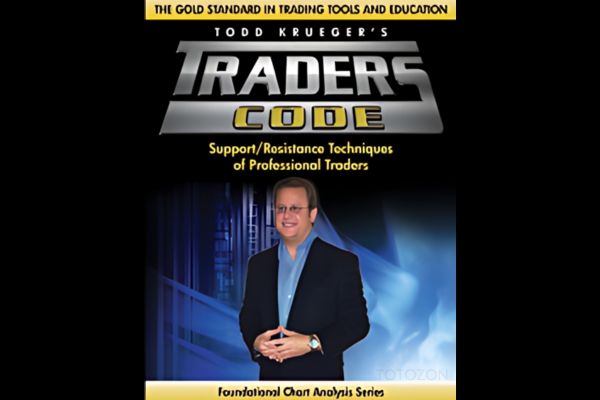 Foundational Chart Analysis Series: Support / Resistance Techniques of Professional Traders 6 DVD Home Study Course
1 × $54.00
Foundational Chart Analysis Series: Support / Resistance Techniques of Professional Traders 6 DVD Home Study Course
1 × $54.00 -
×
 Financial Markets Online – VIP Membership with James Bentley
1 × $6.00
Financial Markets Online – VIP Membership with James Bentley
1 × $6.00 -
×
 ICT Prodigy Trading Course – $650K in Payouts with Alex Solignani
1 × $15.00
ICT Prodigy Trading Course – $650K in Payouts with Alex Solignani
1 × $15.00 -
×
 3 Day Master Advanced Workshop Seminar (Video & Manuals 8.48 GB)
1 × $6.00
3 Day Master Advanced Workshop Seminar (Video & Manuals 8.48 GB)
1 × $6.00 -
×
 Deep Dive Butterfly Trading Strategy Class with SJG Trades
1 × $41.00
Deep Dive Butterfly Trading Strategy Class with SJG Trades
1 × $41.00 -
×
 Self-Mastery Course with Steven Cruz
1 × $62.00
Self-Mastery Course with Steven Cruz
1 × $62.00 -
×
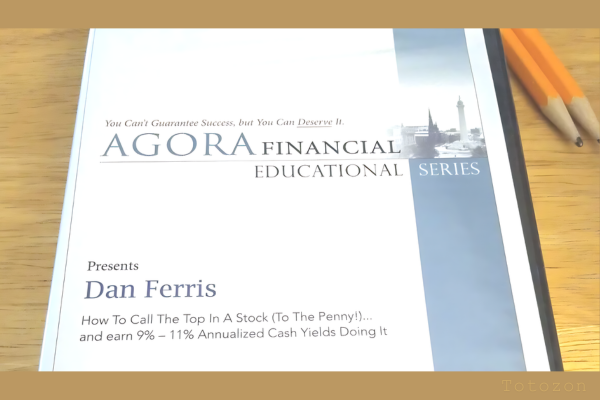 How to Call the Top in a Stock (To the Penny!) and Earn 9-11% Annualized Cash Yields Doing It with Dan Ferris
1 × $6.00
How to Call the Top in a Stock (To the Penny!) and Earn 9-11% Annualized Cash Yields Doing It with Dan Ferris
1 × $6.00 -
×
 Fundamentals of the Securities Industry with William A.Rini
1 × $6.00
Fundamentals of the Securities Industry with William A.Rini
1 × $6.00 -
×
 Million Dollar Stock Market Idea with Larry Williams
1 × $6.00
Million Dollar Stock Market Idea with Larry Williams
1 × $6.00 -
×
 The Prop Trading Code with Brannigan Barrett - Axia Futures
1 × $23.00
The Prop Trading Code with Brannigan Barrett - Axia Futures
1 × $23.00 -
×
 Commodity Options: Trading and Hedging Volatility in the World’s Most Lucrative Market with Carley Garner & Paul Brittain
1 × $6.00
Commodity Options: Trading and Hedging Volatility in the World’s Most Lucrative Market with Carley Garner & Paul Brittain
1 × $6.00 -
×
 Trading Online
1 × $6.00
Trading Online
1 × $6.00 -
×
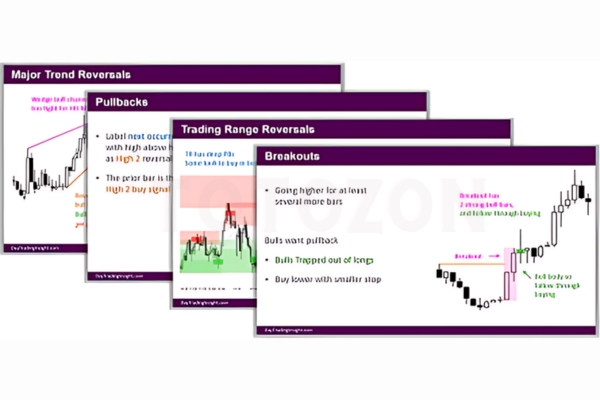 Day Trading Insight with Al Brooks
1 × $10.00
Day Trading Insight with Al Brooks
1 × $10.00 -
×
 Practical Speculation with Victor Niederhoffer, Laurel Kenner
1 × $6.00
Practical Speculation with Victor Niederhoffer, Laurel Kenner
1 × $6.00 -
×
 The Python for Traders Masterclass with Mr James
1 × $10.00
The Python for Traders Masterclass with Mr James
1 × $10.00 -
×
 Master Trader Technical Strategies with Greg Capra - Master Trader
1 × $5.00
Master Trader Technical Strategies with Greg Capra - Master Trader
1 × $5.00 -
×
 Algo Trading Strategies 2017 with Autotrading Academy
1 × $6.00
Algo Trading Strategies 2017 with Autotrading Academy
1 × $6.00 -
×
 Options University - Ron Ianieri – Options University Live Seminars
1 × $6.00
Options University - Ron Ianieri – Options University Live Seminars
1 × $6.00 -
×
 Option Strategies with Courtney Smith
1 × $6.00
Option Strategies with Courtney Smith
1 × $6.00 -
×
 Acclimation Course with Base Camp Trading
1 × $10.00
Acclimation Course with Base Camp Trading
1 × $10.00 -
×
 3 Technical Indicators to Help You Ride the Elliott Wave Trend with Chris Carolan
1 × $6.00
3 Technical Indicators to Help You Ride the Elliott Wave Trend with Chris Carolan
1 × $6.00 -
×
 The Complete Guide to Multiple Time Frame Analysis & Reading Price Action with Aiman Almansoori
1 × $13.00
The Complete Guide to Multiple Time Frame Analysis & Reading Price Action with Aiman Almansoori
1 × $13.00 -
×
 Trading Pairs: Capturing Profits and Hedging Risk with Statistical Arbitrage Strategies - Mark Whistler
1 × $6.00
Trading Pairs: Capturing Profits and Hedging Risk with Statistical Arbitrage Strategies - Mark Whistler
1 × $6.00 -
×
 Advanced Spread Trading with Guy Bower - MasterClass Trader
1 × $15.00
Advanced Spread Trading with Guy Bower - MasterClass Trader
1 × $15.00 -
×
 Spread Trading E-Trading Stagionale (Italian) with Joe Ross
1 × $6.00
Spread Trading E-Trading Stagionale (Italian) with Joe Ross
1 × $6.00 -
×
 Hedge Fund Trading Systems with Trading Tuitions
1 × $5.00
Hedge Fund Trading Systems with Trading Tuitions
1 × $5.00 -
×
 The Great Depression with David Burg
1 × $6.00
The Great Depression with David Burg
1 × $6.00 -
×
 Risk Management with Aswath Damodaran
1 × $6.00
Risk Management with Aswath Damodaran
1 × $6.00 -
×
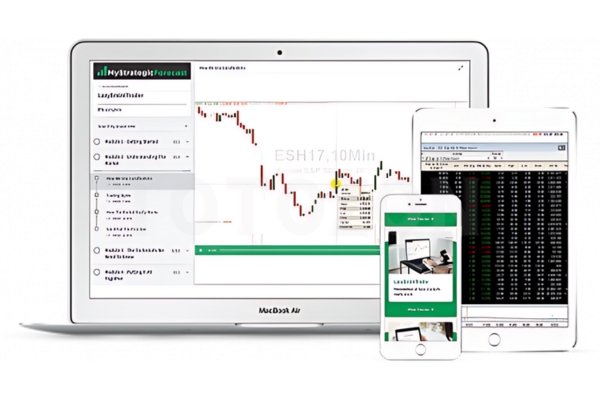 Lazy Emini Trader Master Class Course - David Frost
1 × $10.00
Lazy Emini Trader Master Class Course - David Frost
1 × $10.00 -
×
 Matrix Spread Options Trading Course with Base Camp Trading
1 × $31.00
Matrix Spread Options Trading Course with Base Camp Trading
1 × $31.00 -
×
 Equity Research and Valuation Techniques with Kemp Dolliver
1 × $6.00
Equity Research and Valuation Techniques with Kemp Dolliver
1 × $6.00 -
×
 The Future of Investing with Chris Skinner
1 × $6.00
The Future of Investing with Chris Skinner
1 × $6.00 -
×
 Ichimoku Traders Academy with Tyler Espitia
1 × $31.00
Ichimoku Traders Academy with Tyler Espitia
1 × $31.00 -
×
 CFA Level 3- Examination Morning Session – Essay (2004)
1 × $6.00
CFA Level 3- Examination Morning Session – Essay (2004)
1 × $6.00 -
×
 Gold Trading Boot Camp: How to Master the Basics and Become a Successful Commodities Investor - Gregory Weldon & Dennis Gartman
1 × $6.00
Gold Trading Boot Camp: How to Master the Basics and Become a Successful Commodities Investor - Gregory Weldon & Dennis Gartman
1 × $6.00 -
×
 Neural Networks in the Capital Markets with Apostolos Paul Refenes
1 × $6.00
Neural Networks in the Capital Markets with Apostolos Paul Refenes
1 × $6.00 -
×
 Profit in the Futures Markets! with Jack Bernstein
1 × $6.00
Profit in the Futures Markets! with Jack Bernstein
1 × $6.00 -
×
 Algo Trading Masterclass with Ali Casey - StatOasis
1 × $23.00
Algo Trading Masterclass with Ali Casey - StatOasis
1 × $23.00 -
×
 Butterfly's Guide to Weekly Returns with Don Kaufman
1 × $6.00
Butterfly's Guide to Weekly Returns with Don Kaufman
1 × $6.00 -
×
 Essentials in Quantitative Trading QT01 By HangukQuant's
1 × $23.00
Essentials in Quantitative Trading QT01 By HangukQuant's
1 × $23.00 -
×
 Starting Out in Futures Trading with Mark Powers
1 × $6.00
Starting Out in Futures Trading with Mark Powers
1 × $6.00 -
×
 The Indices Orderflow Masterclass with The Forex Scalpers
1 × $23.00
The Indices Orderflow Masterclass with The Forex Scalpers
1 × $23.00 -
×
 How To Read The Market Professionally with TradeSmart
1 × $27.00
How To Read The Market Professionally with TradeSmart
1 × $27.00

Derivates Demystified
$6.00
File Size: Cooming soon!
Delivery Time: 1–12 hours
Media Type: Online Course
Derivatives Demystified
Introduction to Derivatives
Derivatives are financial instruments whose value is derived from the performance of underlying assets, indexes, or interest rates. Despite their complexity, understanding derivatives is essential for modern finance.
What Are Derivatives?
Derivatives are contracts between two or more parties whose value is based on an agreed-upon underlying financial asset, index, or security. Common underlying assets include stocks, bonds, commodities, currencies, interest rates, and market indexes.
Types of Derivatives
- Futures Contracts
- Options Contracts
- Swaps
- Forwards
Why Use Derivatives?
Derivatives serve several purposes in financial markets, including hedging risk, speculating on price movements, and increasing leverage.
Hedging
Investors use derivatives to hedge against potential losses in their portfolios. For instance, a farmer might use futures contracts to lock in prices for their crops to mitigate the risk of price fluctuations.
Speculation
Traders can use derivatives to speculate on the future direction of market prices, aiming to profit from price movements without owning the underlying asset.
Leverage
Derivatives allow investors to gain exposure to larger positions than they could by directly purchasing the underlying assets, due to the lower initial capital outlay required.
Types of Derivatives Explained
Understanding the different types of derivatives is crucial for leveraging their benefits.
Futures Contracts
A futures contract is an agreement to buy or sell an asset at a future date at a predetermined price. These contracts are standardized and traded on exchanges.
Options Contracts
Options give the holder the right, but not the obligation, to buy or sell an asset at a specified price before a certain date. There are two types:
- Call Options: The right to buy an asset.
- Put Options: The right to sell an asset.
Swaps
Swaps are contracts in which two parties exchange cash flows or other financial instruments. The most common types are interest rate swaps and currency swaps.
Forwards
Forwards are similar to futures but are non-standardized contracts traded over-the-counter (OTC), making them customizable to the needs of the parties involved.
Benefits of Derivatives
Derivatives offer several advantages that make them attractive to investors and financial institutions.
Risk Management
By using derivatives, investors can hedge against potential losses, providing a safeguard for their portfolios.
Price Discovery
Derivatives markets contribute to the price discovery process, helping to determine the future prices of assets based on market expectations.
Market Efficiency
Derivatives increase market efficiency by enabling arbitrage opportunities, thus ensuring prices do not deviate significantly from their true value for long periods.
Risks Associated with Derivatives
While derivatives offer significant benefits, they also come with risks that must be managed.
Market Risk
The value of derivatives can fluctuate widely based on changes in the underlying asset’s price.
Counterparty Risk
In OTC derivatives, there’s a risk that the counterparty may default on the contract.
Leverage Risk
The use of leverage can amplify losses, making it possible to lose more than the initial investment.
Real-World Applications of Derivatives
Derivatives are used in various sectors and for different purposes, demonstrating their versatility.
Agricultural Sector
Farmers use futures contracts to lock in prices for crops, ensuring stable revenue regardless of market price changes at harvest time.
Financial Sector
Banks and financial institutions use interest rate swaps to manage exposure to fluctuations in interest rates.
Corporate Finance
Corporations use currency forwards to hedge against exchange rate risks associated with international transactions.
How to Trade Derivatives
Trading derivatives requires a solid understanding of the instruments and the markets in which they are traded.
Choosing a Broker
Select a reputable broker that offers a range of derivative products and provides robust trading platforms and resources.
Understanding Margin Requirements
Trading derivatives often involves margin accounts, so it’s essential to understand the margin requirements and the potential for margin calls.
Developing a Trading Strategy
Successful trading requires a well-thought-out strategy that includes risk management techniques and a clear understanding of market analysis.
Regulation of Derivatives Markets
Regulation is crucial for maintaining the integrity and stability of derivatives markets.
Regulatory Bodies
Entities like the Commodity Futures Trading Commission (CFTC) and the Securities and Exchange Commission (SEC) oversee derivatives markets in the United States.
Dodd-Frank Act
The Dodd-Frank Wall Street Reform and Consumer Protection Act introduced significant changes to the regulation of OTC derivatives in the wake of the 2008 financial crisis.
The Future of Derivatives
The derivatives market continues to evolve, with new products and technologies shaping its future.
Technological Innovations
Advancements in technology, such as blockchain and smart contracts, are expected to increase transparency and efficiency in derivatives trading.
Sustainability-Linked Derivatives
There is a growing trend toward developing derivatives linked to sustainability metrics, reflecting the increasing importance of environmental, social, and governance (ESG) factors in investment decisions.
Conclusion
Derivatives are powerful financial instruments that offer numerous benefits, from risk management to speculation and leverage. Understanding their complexities and associated risks is crucial for anyone looking to participate in these markets. With insights from experts like Andrew M. Chisholm, you can navigate the world of derivatives more confidently.
Frequently Asked Questions:
1. What are derivatives?
Derivatives are financial contracts whose value is derived from underlying assets, such as stocks, bonds, or commodities.
2. How are derivatives used in hedging?
Derivatives are used in hedging to protect against potential losses in investment portfolios by locking in prices or mitigating risks.
3. What is the difference between futures and options?
Futures contracts obligate the holder to buy or sell an asset at a future date, while options give the holder the right but not the obligation to do so.
4. What are the risks associated with trading derivatives?
The risks include market risk, counterparty risk, and leverage risk, all of which can lead to significant financial losses if not managed properly.
5. How is the derivatives market regulated?
Regulatory bodies like the CFTC and SEC oversee derivatives markets, implementing rules to ensure market integrity and protect investors.
Be the first to review “Derivates Demystified”
You must be logged in to post a review.
Related products

Forex Trading
Original price was: $500.00.$5.00Current price is: $5.00.
Forex Trading
The Complete Guide to Multiple Time Frame Analysis & Reading Price Action with Aiman Almansoori
Original price was: $1,399.00.$13.00Current price is: $13.00.

Forex Trading
Original price was: $799.00.$15.00Current price is: $15.00.

Forex Trading
Original price was: $2,997.00.$23.00Current price is: $23.00.

Forex Trading
Original price was: $397.00.$31.00Current price is: $31.00.

Original price was: $1,800.00.$54.00Current price is: $54.00.

Forex Trading
Original price was: $697.00.$5.00Current price is: $5.00.

Original price was: $310.00.$23.00Current price is: $23.00.

Original price was: $997.00.$8.00Current price is: $8.00.
Original price was: $649.00.$20.00Current price is: $20.00.
Original price was: $450.00.$23.00Current price is: $23.00.
Forex Trading
Original price was: $4,997.00.$27.00Current price is: $27.00.

Forex Trading
Original price was: $1,098.00.$39.00Current price is: $39.00.

Forex Trading
Original price was: $499.00.$15.00Current price is: $15.00.

Forex Trading
Original price was: $797.00.$10.00Current price is: $10.00.
Forex Trading
Original price was: $2,000.00.$23.00Current price is: $23.00.
Original price was: $895.00.$15.00Current price is: $15.00.

Forex Trading
Original price was: $249.00.$15.00Current price is: $15.00.
Original price was: $2,120.00.$15.00Current price is: $15.00.

Forex Trading
Original price was: $550.00.$5.00Current price is: $5.00.
Reviews
There are no reviews yet.