
-
×
 Options Trading & Ultimate MasterClass With Tyrone Abela - FX Evolution
1 × $54.00
Options Trading & Ultimate MasterClass With Tyrone Abela - FX Evolution
1 × $54.00 -
×
 Trading Signals And Training 100
1 × $6.00
Trading Signals And Training 100
1 × $6.00 -
×
 TradeCraft: Your Path to Peak Performance Trading By Adam Grimes
1 × $15.00
TradeCraft: Your Path to Peak Performance Trading By Adam Grimes
1 × $15.00 -
×
 WyseTrade Trading Masterclass Course
1 × $5.00
WyseTrade Trading Masterclass Course
1 × $5.00 -
×
 ICT Prodigy Trading Course – $650K in Payouts with Alex Solignani
1 × $15.00
ICT Prodigy Trading Course – $650K in Payouts with Alex Solignani
1 × $15.00 -
×
 Bond Market Course with The Macro Compass
1 × $15.00
Bond Market Course with The Macro Compass
1 × $15.00 -
×
 Trading With Venus
1 × $31.00
Trading With Venus
1 × $31.00 -
×
 With LIVE Examples of Forex Trading
1 × $6.00
With LIVE Examples of Forex Trading
1 × $6.00 -
×
 Deep Dive Butterfly Trading Strategy Class with SJG Trades
1 × $41.00
Deep Dive Butterfly Trading Strategy Class with SJG Trades
1 × $41.00 -
×
 High Probability Trading Using Elliott Wave And Fibonacci Analysis withVic Patel - Forex Training Group
1 × $10.00
High Probability Trading Using Elliott Wave And Fibonacci Analysis withVic Patel - Forex Training Group
1 × $10.00 -
×
 Advanced Spread Trading with Guy Bower - MasterClass Trader
1 × $15.00
Advanced Spread Trading with Guy Bower - MasterClass Trader
1 × $15.00 -
×
 What Works in Online Trading with Mark Etzkorn
1 × $6.00
What Works in Online Trading with Mark Etzkorn
1 × $6.00 -
×
 White Phoenix’s The Smart (Money) Approach to Trading with Jayson Casper
1 × $39.00
White Phoenix’s The Smart (Money) Approach to Trading with Jayson Casper
1 × $39.00 -
×
 The Indices Orderflow Masterclass with The Forex Scalpers
1 × $23.00
The Indices Orderflow Masterclass with The Forex Scalpers
1 × $23.00 -
×
 TRADING NFX Course with Andrew NFX
1 × $5.00
TRADING NFX Course with Andrew NFX
1 × $5.00 -
×
 The Orderflow Masterclass with PrimeTrading
1 × $17.00
The Orderflow Masterclass with PrimeTrading
1 × $17.00 -
×
 Tutorials in Applied Technical Analysis with Daryl Guppy
1 × $4.00
Tutorials in Applied Technical Analysis with Daryl Guppy
1 × $4.00 -
×
 ”Trading With The Generals 2003-2004” Training Course with Kevin Haggerty
1 × $6.00
”Trading With The Generals 2003-2004” Training Course with Kevin Haggerty
1 × $6.00 -
×
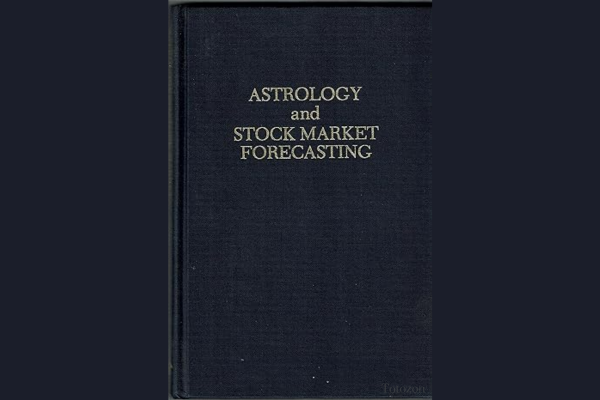 Astrology & Stock Market Forecasting with Louise McWhirter
1 × $4.00
Astrology & Stock Market Forecasting with Louise McWhirter
1 × $4.00 -
×
 Wealthpress Jump Trade Package (Course Only, None-elert)
1 × $85.00
Wealthpress Jump Trade Package (Course Only, None-elert)
1 × $85.00 -
×
 Ultimate Gann Course Coaching Safety in The Market COMPLETE 12 Modules with Aaron Lynch
1 × $6.00
Ultimate Gann Course Coaching Safety in The Market COMPLETE 12 Modules with Aaron Lynch
1 × $6.00 -
×
 Train & Trade Academy with Omar Agag
1 × $5.00
Train & Trade Academy with Omar Agag
1 × $5.00 -
×
 Winning – Zodiacal Timing Revised 1980 with Joyce Wehrman
1 × $6.00
Winning – Zodiacal Timing Revised 1980 with Joyce Wehrman
1 × $6.00 -
×
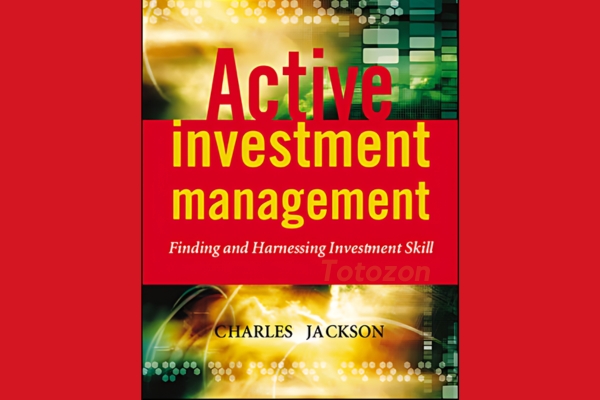 Active Investment Management: Finding and Harnessing Investment Skill with Charles Jackson
1 × $6.00
Active Investment Management: Finding and Harnessing Investment Skill with Charles Jackson
1 × $6.00 -
×
 XJO Quant - High Probability Trading Setups on ASX 200 Index
1 × $31.00
XJO Quant - High Probability Trading Setups on ASX 200 Index
1 × $31.00 -
×
 Essentials in Quantitative Trading QT01 By HangukQuant's
1 × $23.00
Essentials in Quantitative Trading QT01 By HangukQuant's
1 × $23.00 -
×
 The Best Option Trading Course with David Jaffee - Best Stock Strategy
1 × $15.00
The Best Option Trading Course with David Jaffee - Best Stock Strategy
1 × $15.00 -
×
 Quantamentals - The Next Great Forefront Of Trading and Investing with Trading Markets
1 × $8.00
Quantamentals - The Next Great Forefront Of Trading and Investing with Trading Markets
1 × $8.00 -
×
 Order flow self-study training program with iMFtracker
1 × $10.00
Order flow self-study training program with iMFtracker
1 × $10.00 -
×
 The A14 Weekly Option Strategy Workshop with Amy Meissner
1 × $23.00
The A14 Weekly Option Strategy Workshop with Amy Meissner
1 × $23.00 -
×
 Ultimate Trading Course with Dodgy's Dungeon
1 × $8.00
Ultimate Trading Course with Dodgy's Dungeon
1 × $8.00 -
×
 Zanzibar System for the EuroFx with Joe Ross
1 × $4.00
Zanzibar System for the EuroFx with Joe Ross
1 × $4.00 -
×
 WondaFX Signature Strategy with WondaFX
1 × $5.00
WondaFX Signature Strategy with WondaFX
1 × $5.00 -
×
 The Zurich Axioms with Max Gunther
1 × $6.00
The Zurich Axioms with Max Gunther
1 × $6.00 -
×
 Channel Analysis. The Key to Improved Timing of Trades with Brian J.Millard
1 × $6.00
Channel Analysis. The Key to Improved Timing of Trades with Brian J.Millard
1 × $6.00 -
×
 W. D Gann 's Square Of 9 Applied To Modern Markets with Sean Avidar - Hexatrade350
1 × $23.00
W. D Gann 's Square Of 9 Applied To Modern Markets with Sean Avidar - Hexatrade350
1 × $23.00 -
×
 The Pattern Trader with Mark Shawzin
1 × $6.00
The Pattern Trader with Mark Shawzin
1 × $6.00 -
×
 Ultimate MT4 Course
1 × $15.00
Ultimate MT4 Course
1 × $15.00 -
×
 Matrix Spread Options Trading Course with Base Camp Trading
1 × $31.00
Matrix Spread Options Trading Course with Base Camp Trading
1 × $31.00 -
×
 Butterfly and Condor Workshop with Aeromir
1 × $15.00
Butterfly and Condor Workshop with Aeromir
1 × $15.00 -
×
 Trading Hub 3.0 (Ebook)
1 × $6.00
Trading Hub 3.0 (Ebook)
1 × $6.00 -
×
 The Volatility Surface with Jim Gatheral
1 × $6.00
The Volatility Surface with Jim Gatheral
1 × $6.00 -
×
 The Complete Guide to Multiple Time Frame Analysis & Reading Price Action with Aiman Almansoori
1 × $13.00
The Complete Guide to Multiple Time Frame Analysis & Reading Price Action with Aiman Almansoori
1 × $13.00 -
×
 ZipTraderU 2023 with ZipTrader
1 × $5.00
ZipTraderU 2023 with ZipTrader
1 × $5.00 -
×
 Contrarian Trading Class with Jeff Bierman
1 × $6.00
Contrarian Trading Class with Jeff Bierman
1 × $6.00 -
×
 Best of the Best: Collars with Amy Meissner & Scott Ruble
1 × $15.00
Best of the Best: Collars with Amy Meissner & Scott Ruble
1 × $15.00 -
×
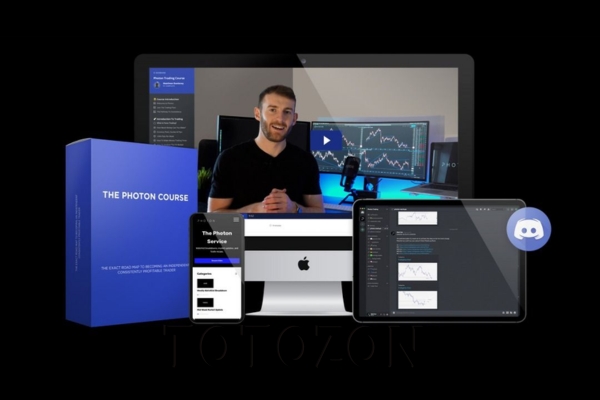 The Photon Course 2023 with Matt - PhotonTradingFX
1 × $5.00
The Photon Course 2023 with Matt - PhotonTradingFX
1 × $5.00 -
×
 The Prop Trading Code with Brannigan Barrett - Axia Futures
1 × $23.00
The Prop Trading Code with Brannigan Barrett - Axia Futures
1 × $23.00

How to Make Money in Deflationary Markets with Gary Shilling
$6.00
File Size: Coming soon!
Delivery Time: 1–12 hours
Media Type: Online Course
Content Proof: Watch Here!
You may check content proof of “How to Make Money in Deflationary Markets with Gary Shilling” below:

How to Make Money in Deflationary Markets with Gary Shilling
Navigating deflationary markets can be challenging, but with the right strategies, you can not only survive but thrive. Gary Shilling, a renowned economist and financial analyst, offers insightful advice on capitalizing on deflationary trends. In this article, we will explore practical strategies to make money in deflationary markets, following Shilling’s expert guidance.
Understanding Deflationary Markets
What is Deflation?
Deflation is a decrease in the general price level of goods and services. It often leads to increased purchasing power, but can also result in reduced consumer spending and economic stagnation.
Impact of Deflation on Investments
Deflation can erode profits and lead to lower asset prices. However, it also presents unique opportunities for savvy investors to make profitable moves.
Gary Shilling’s Approach to Deflation
Who is Gary Shilling?
Gary Shilling is an acclaimed economist known for his accurate economic forecasts and investment strategies tailored to deflationary environments.
Shilling’s Investment Philosophy
Shilling advocates for a cautious, informed approach to investing in deflationary markets, emphasizing the importance of understanding economic trends and market dynamics.
Strategies to Profit in Deflationary Markets
1. Invest in High-Quality Bonds
Why Bonds?
In deflationary periods, high-quality bonds often perform well because their fixed interest payments become more valuable as prices fall.
Types of Bonds to Consider
- Treasury Bonds: Government-backed and low-risk.
- Municipal Bonds: Offer tax advantages and relatively safe returns.
2. Hold Cash and Cash Equivalents
Increased Purchasing Power
Holding cash during deflationary periods allows you to benefit from increased purchasing power as prices drop.
Cash Equivalents
- Money Market Funds: Provide liquidity and stability.
- Short-Term Treasury Bills: Offer safety and modest returns.
3. Invest in Defensive Stocks
Characteristics of Defensive Stocks
Defensive stocks belong to companies that provide essential goods and services, such as utilities and healthcare, which remain in demand regardless of economic conditions.
Examples of Defensive Sectors
- Healthcare: Pharmaceuticals and medical services.
- Utilities: Electricity and water companies.
4. Short Selling
What is Short Selling?
Short selling involves borrowing shares to sell them at a high price, then buying them back at a lower price as their value declines.
Risks and Rewards
While short selling can be profitable in deflationary markets, it carries high risks and requires careful strategy and timing.
5. Real Estate Investments
Focus on Rental Properties
In deflationary markets, property prices may fall, but rental income can provide a steady cash flow.
REITs (Real Estate Investment Trusts)
REITs offer a way to invest in real estate without directly owning properties, providing income through dividends.
6. Precious Metals
Why Precious Metals?
Precious metals like gold and silver often retain their value during deflationary periods, acting as a hedge against falling prices.
Ways to Invest
- Physical Bullion: Owning tangible gold or silver.
- ETFs (Exchange-Traded Funds): Investing in funds that track precious metal prices.
7. Dividend-Paying Stocks
Stable Income
Stocks that pay dividends provide a steady income stream, which can be particularly valuable during deflationary periods.
Examples of Dividend Stocks
- Blue-Chip Companies: Established firms with a history of paying dividends.
- Utility Companies: Often pay consistent dividends due to stable demand.
Implementing Shilling’s Strategies
Step-by-Step Guide
Step 1: Assess Your Portfolio
Review your current investments and identify areas vulnerable to deflation.
Step 2: Reallocate Assets
Shift investments towards bonds, defensive stocks, and cash equivalents to protect your portfolio.
Step 3: Monitor Economic Indicators
Stay informed about economic trends and adjust your strategies as needed.
Risk Management
Diversify Investments
Diversification helps spread risk across different asset classes and sectors.
Set Stop-Loss Orders
Use stop-loss orders to limit potential losses in volatile markets.
Common Mistakes to Avoid
1. Ignoring Economic Indicators
Failing to stay informed about economic trends can lead to poor investment decisions.
2. Overconcentration
Avoid putting too much of your portfolio into a single asset class or sector.
3. Emotional Trading
Making investment decisions based on emotions rather than analysis can result in significant losses.
Tips for Success
Continuous Learning
Stay updated on economic theories and market trends to enhance your investment strategies.
Seek Professional Advice
Consult with financial advisors to tailor strategies to your specific needs and risk tolerance.
Regular Portfolio Reviews
Periodically review and adjust your portfolio to ensure it aligns with your financial goals and market conditions.
Conclusion
Deflationary markets present unique challenges and opportunities. By following Gary Shilling’s strategies, you can navigate these periods successfully and even find ways to profit. Focus on high-quality bonds, defensive stocks, cash equivalents, and other recommended investments to protect and grow your wealth during deflation.
FAQs
1. What is deflation, and how does it impact investments?
Deflation is a decrease in the general price level of goods and services. It can lead to lower asset prices but also presents opportunities for savvy investors.
2. Why are high-quality bonds recommended in deflationary markets?
High-quality bonds perform well because their fixed interest payments become more valuable as prices fall.
3. How can I protect my portfolio during deflation?
Focus on bonds, cash equivalents, defensive stocks, and precious metals. Diversify your investments and use stop-loss orders to manage risk.
4. What are defensive stocks, and why are they important?
Defensive stocks belong to companies that provide essential goods and services, remaining in demand regardless of economic conditions, making them stable investments during deflation.
5. Is short selling a good strategy in deflationary markets?
Short selling can be profitable in deflationary markets but carries high risks and requires careful strategy and timing.
Be the first to review “How to Make Money in Deflationary Markets with Gary Shilling”
You must be logged in to post a review.
Related products

Forex Trading
Original price was: $2,995.00.$31.00Current price is: $31.00.
Forex Trading
Original price was: $550.00.$5.00Current price is: $5.00.
Forex Trading
Original price was: $799.00.$15.00Current price is: $15.00.

Original price was: $997.00.$13.00Current price is: $13.00.
Original price was: $139.00.$23.00Current price is: $23.00.
Forex Trading
Original price was: $797.00.$10.00Current price is: $10.00.
Original price was: $497.00.$31.00Current price is: $31.00.
Original price was: $1,800.00.$54.00Current price is: $54.00.

Forex Trading
Original price was: $2,000.00.$23.00Current price is: $23.00.

Forex Trading
Original price was: $999.00.$15.00Current price is: $15.00.
Original price was: $2,120.00.$15.00Current price is: $15.00.
Forex Trading
The Complete Guide to Multiple Time Frame Analysis & Reading Price Action with Aiman Almansoori
Original price was: $1,399.00.$13.00Current price is: $13.00.
Forex Trading
Original price was: $850.00.$23.00Current price is: $23.00.

Original price was: $497.00.$11.00Current price is: $11.00.
Forex Trading
Quantamentals – The Next Great Forefront Of Trading and Investing with Trading Markets
Original price was: $1,495.00.$8.00Current price is: $8.00.
Original price was: $895.00.$15.00Current price is: $15.00.

Forex Trading
Original price was: $249.00.$15.00Current price is: $15.00.
Forex Trading
Original price was: $125.00.$17.00Current price is: $17.00.
Forex Trading
Original price was: $500.00.$5.00Current price is: $5.00.

Original price was: $999.00.$5.00Current price is: $5.00.

Reviews
There are no reviews yet.