
-
×
 Harmonic Elliott Wave: The Case for Modification of R. N. Elliott's Impulsive Wave Structure with Ian Copsey
1 × $6.00
Harmonic Elliott Wave: The Case for Modification of R. N. Elliott's Impulsive Wave Structure with Ian Copsey
1 × $6.00 -
×
 CAT 2007 Seminar with Stephen W.Bigalow
1 × $6.00
CAT 2007 Seminar with Stephen W.Bigalow
1 × $6.00 -
×
 Bond Market Course with The Macro Compass
1 × $15.00
Bond Market Course with The Macro Compass
1 × $15.00 -
×
 Forex Retracement Theory with CopperChips
1 × $6.00
Forex Retracement Theory with CopperChips
1 × $6.00 -
×
 The Bible of Options Strategies: The Definitive Guide for Practical Trading Strategies with Guy Cohen
1 × $6.00
The Bible of Options Strategies: The Definitive Guide for Practical Trading Strategies with Guy Cohen
1 × $6.00 -
×
 Fractal Markets SFX with Tyson Bieniek
1 × $5.00
Fractal Markets SFX with Tyson Bieniek
1 × $5.00 -
×
 Lessons 1-30 & Tradestation Code with Charles Drummond
1 × $6.00
Lessons 1-30 & Tradestation Code with Charles Drummond
1 × $6.00 -
×
 The Insured Portfolio: Your Gateway to Stress-Free Global Investments with Erika Nolan, Marc-Andre Sola & Shannon Crouch
1 × $6.00
The Insured Portfolio: Your Gateway to Stress-Free Global Investments with Erika Nolan, Marc-Andre Sola & Shannon Crouch
1 × $6.00 -
×
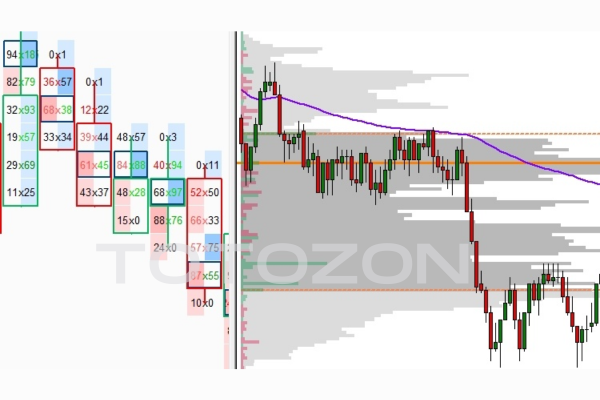 Day Trading with Volume Profile and Orderflow - Price Action Volume Trader
1 × $6.00
Day Trading with Volume Profile and Orderflow - Price Action Volume Trader
1 × $6.00 -
×
 Capital Asset Investment with Anthony F.Herbst
1 × $6.00
Capital Asset Investment with Anthony F.Herbst
1 × $6.00 -
×
 Capital with Charles D.Ellis
1 × $6.00
Capital with Charles D.Ellis
1 × $6.00 -
×
 Essentials Course & Day Trading Strategies with Bear Bull Traders
1 × $13.00
Essentials Course & Day Trading Strategies with Bear Bull Traders
1 × $13.00 -
×
 Fibonacci for the Active Trader with Derrik Hobbs
1 × $6.00
Fibonacci for the Active Trader with Derrik Hobbs
1 × $6.00 -
×
 WondaFX Signature Strategy with WondaFX
1 × $5.00
WondaFX Signature Strategy with WondaFX
1 × $5.00 -
×
 Advanced Ichimoku Kinkō Hyō - Ichimoku Cloud Strategy with Rafał Zuchowicz - TopMasterTrader
1 × $17.00
Advanced Ichimoku Kinkō Hyō - Ichimoku Cloud Strategy with Rafał Zuchowicz - TopMasterTrader
1 × $17.00 -
×
 The Prop Trading Code with Brannigan Barrett - Axia Futures
1 × $23.00
The Prop Trading Code with Brannigan Barrett - Axia Futures
1 × $23.00 -
×
 All Time High Trading Course with TRADEVERSITY
1 × $5.00
All Time High Trading Course with TRADEVERSITY
1 × $5.00 -
×
 ETF Trading Strategies Revealed with David Vomund
1 × $6.00
ETF Trading Strategies Revealed with David Vomund
1 × $6.00 -
×
 Tharp Think Essentials Video Workshop with Van Tharp
1 × $5.00
Tharp Think Essentials Video Workshop with Van Tharp
1 × $5.00 -
×
 ProfileTraders - 5 course bundle
1 × $23.00
ProfileTraders - 5 course bundle
1 × $23.00 -
×
 Cyclic Analysis. A BreakThrough in Transaction Timing with Cyclitec Services
1 × $6.00
Cyclic Analysis. A BreakThrough in Transaction Timing with Cyclitec Services
1 × $6.00 -
×
 Technical Analysis 201: From Chart Setups to Trading Execution Methodology Class with Jeff Bierman
1 × $6.00
Technical Analysis 201: From Chart Setups to Trading Execution Methodology Class with Jeff Bierman
1 × $6.00 -
×
 The Adventures of the Cycle Hunter. The Trader with Craig Bttlc
1 × $6.00
The Adventures of the Cycle Hunter. The Trader with Craig Bttlc
1 × $6.00 -
×
 Self-Mastery Course with Steven Cruz
1 × $62.00
Self-Mastery Course with Steven Cruz
1 × $62.00 -
×
 Asset Prices, Booms & Recessions (2nd Ed.) with Willi Semmler
1 × $6.00
Asset Prices, Booms & Recessions (2nd Ed.) with Willi Semmler
1 × $6.00 -
×
 Generating Consistent Profits On Smaller Accounts
1 × $23.00
Generating Consistent Profits On Smaller Accounts
1 × $23.00 -
×
 Sell Premium & Minimize Risk Class with Don Kaufman
1 × $6.00
Sell Premium & Minimize Risk Class with Don Kaufman
1 × $6.00 -
×
 OilTradingAcademy - Oil Trading Academy Code 1 + 2 + 3 Video Course
1 × $6.00
OilTradingAcademy - Oil Trading Academy Code 1 + 2 + 3 Video Course
1 × $6.00 -
×
 Algo Trading Masterclass with Ali Casey - StatOasis
1 × $23.00
Algo Trading Masterclass with Ali Casey - StatOasis
1 × $23.00 -
×
 Dan Sheridan Volatility Class
1 × $6.00
Dan Sheridan Volatility Class
1 × $6.00 -
×
 Crypto Trading Academy with Cheeky Investor - Aussie Day Trader
1 × $13.00
Crypto Trading Academy with Cheeky Investor - Aussie Day Trader
1 × $13.00 -
×
 Five Trading Trends of 2005 with Dan Denning
1 × $6.00
Five Trading Trends of 2005 with Dan Denning
1 × $6.00 -
×
 Trading Options at Expiration: Strategies and Models for Winning the Endgame with Jeff Augen
1 × $6.00
Trading Options at Expiration: Strategies and Models for Winning the Endgame with Jeff Augen
1 × $6.00 -
×
 The Practical Handbook of Genetic Algorithms with Lance Chambers
1 × $6.00
The Practical Handbook of Genetic Algorithms with Lance Chambers
1 × $6.00 -
×
 Chart Reading Course with TraderSumo
1 × $5.00
Chart Reading Course with TraderSumo
1 × $5.00 -
×
 The Naked Eye: Raw Data Analytics with Edgar Torres - Raw Data Analytics
1 × $8.00
The Naked Eye: Raw Data Analytics with Edgar Torres - Raw Data Analytics
1 × $8.00 -
×
 Forecast for 2010 with Larry Williams
1 × $6.00
Forecast for 2010 with Larry Williams
1 × $6.00 -
×
 Foundational Chart Analysis Series: Support / Resistance Techniques of Professional Traders 6 DVD Home Study Course
1 × $54.00
Foundational Chart Analysis Series: Support / Resistance Techniques of Professional Traders 6 DVD Home Study Course
1 × $54.00 -
×
 Altucher’s Top 1% Advisory Newsletter 2016 with James Altucher
1 × $6.00
Altucher’s Top 1% Advisory Newsletter 2016 with James Altucher
1 × $6.00 -
×
 Commodities for Dummies with Amine Bouchentouf
1 × $6.00
Commodities for Dummies with Amine Bouchentouf
1 × $6.00 -
×
 Swing Trader Pro with Top Trade Tools
1 × $54.00
Swing Trader Pro with Top Trade Tools
1 × $54.00 -
×
 How To Read The Market Professionally with TradeSmart
1 × $27.00
How To Read The Market Professionally with TradeSmart
1 × $27.00
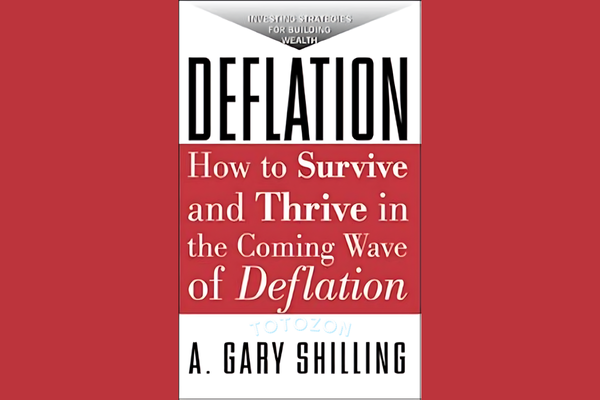
Deflaction with A.Gary Shilling
$6.00
File Size: Cooming soon!
Delivery Time: 1–12 hours
Media Type: Online Course
Content Proof: Watch Here!
You may check content proof of “Deflaction with A.Gary Shilling” below:

Deflation with A. Gary Shilling
Introduction to Deflation
Deflation, the persistent decrease in the general price level of goods and services, can have profound impacts on the economy. A. Gary Shilling, an esteemed economist and author, has extensively studied and written about deflation. This article delves into Shilling’s insights on deflation, its causes, effects, and how to navigate through it.
Who is A. Gary Shilling?
A. Gary Shilling is a renowned economist and financial analyst. With decades of experience, Shilling has made significant contributions to the understanding of macroeconomic trends, particularly deflation. His works offer valuable perspectives for both investors and policymakers.
Understanding Deflation
What is Deflation?
Deflation occurs when the inflation rate falls below 0%, leading to a decrease in the general price level of goods and services. It is the opposite of inflation.
Causes of Deflation
- Reduced Demand: A decline in consumer demand can lead to deflation.
- Increased Supply: Excessive production without a corresponding increase in demand.
- Technological Advances: Improvements that lower production costs and prices.
- Monetary Policies: Tight monetary policies can reduce money supply, contributing to deflation.
Historical Examples of Deflation
The Great Depression
The most notable period of deflation occurred during the Great Depression in the 1930s, leading to severe economic downturns and widespread unemployment.
Japan’s Lost Decade
In the 1990s, Japan experienced prolonged deflation, known as the “Lost Decade,” characterized by stagnant economic growth and falling prices.
Effects of Deflation
Positive Effects
- Increased Purchasing Power: Consumers can buy more with the same amount of money.
- Lower Costs: Businesses may experience lower costs due to decreased prices for raw materials and inputs.
Negative Effects
- Reduced Consumer Spending: Expectation of lower prices in the future can lead to reduced spending.
- Increased Debt Burden: The real value of debt increases, making it harder for borrowers to repay.
- Economic Stagnation: Deflation can lead to a decrease in business investments and economic activity.
A. Gary Shilling’s Perspective on Deflation
Predictions and Analysis
Shilling has been a vocal advocate of the view that deflation is a significant threat to the global economy. He argues that several factors, including technological advancements and excessive debt, contribute to deflationary pressures.
Investment Strategies
Shilling suggests that during deflationary periods, investors should focus on assets that preserve value, such as bonds and cash. He also recommends avoiding assets that are highly leveraged or dependent on rising prices.
Navigating Deflation: Practical Tips
For Consumers
- Pay Down Debt: Reduce liabilities to mitigate the impact of increased debt burden.
- Save More: Focus on saving to take advantage of increased purchasing power.
For Businesses
- Cost Management: Implement cost-cutting measures to maintain profitability.
- Innovation: Invest in technology and innovation to stay competitive despite falling prices.
For Investors
- Diversify Portfolio: Include assets that perform well during deflation, such as high-quality bonds.
- Focus on Quality: Invest in companies with strong balance sheets and stable cash flows.
Monetary Policies to Combat Deflation
Expansionary Policies
Central banks can implement expansionary monetary policies, such as lowering interest rates and quantitative easing, to increase the money supply and stimulate demand.
Fiscal Stimulus
Governments can use fiscal stimulus measures, such as increased public spending and tax cuts, to boost economic activity and counteract deflationary pressures.
Global Implications of Deflation
Impact on International Trade
Deflation in one country can affect global trade patterns, leading to reduced demand for imports and increased pressure on exporting countries.
Currency Valuations
Deflation can lead to currency appreciation, making exports more expensive and imports cheaper, affecting trade balances.
Technological Innovation and Deflation
Role of Technology
Technological advancements can lead to cost reductions and increased productivity, contributing to deflationary pressures.
Balancing Innovation and Economic Stability
Policymakers need to balance the benefits of technological innovation with measures to ensure economic stability and prevent deflation.
Case Studies of Deflation Management
United States (1930s)
The U.S. implemented several measures during the Great Depression, including the New Deal programs, to combat deflation and stimulate economic recovery.
Japan (1990s)
Japan’s response to deflation included significant monetary easing and fiscal stimulus, though with mixed results.
Conclusion
Deflation presents unique challenges and opportunities for consumers, businesses, and investors. A. Gary Shilling’s insights provide valuable guidance on navigating deflationary periods. By understanding the causes, effects, and strategies to manage deflation, we can better prepare for its impacts on the economy.
Frequently Asked Questions
1. What is deflation?
Deflation is the persistent decrease in the general price level of goods and services, leading to an increase in the real value of money.
2. What causes deflation?
Deflation can be caused by reduced demand, increased supply, technological advancements, and tight monetary policies.
3. How does deflation affect the economy?
Deflation can lead to reduced consumer spending, increased debt burdens, and economic stagnation, though it also increases purchasing power.
4. What are A. Gary Shilling’s views on deflation?
Shilling views deflation as a significant economic threat and suggests investment strategies focusing on value-preserving assets during deflationary periods.
5. How can consumers and businesses navigate deflation?
Consumers should pay down debt and save more, while businesses should manage costs and invest in innovation to remain competitive.
Be the first to review “Deflaction with A.Gary Shilling”
You must be logged in to post a review.
Related products

Original price was: $695.00.$41.00Current price is: $41.00.

Forex Trading
Original price was: $1,098.00.$39.00Current price is: $39.00.

Original price was: $1,849.00.$15.00Current price is: $15.00.

Forex Trading
Original price was: $2,997.00.$23.00Current price is: $23.00.
Original price was: $997.00.$8.00Current price is: $8.00.

Original price was: $497.00.$31.00Current price is: $31.00.

Forex Trading
Quantamentals – The Next Great Forefront Of Trading and Investing with Trading Markets
Original price was: $1,495.00.$8.00Current price is: $8.00.

Original price was: $497.00.$11.00Current price is: $11.00.

Forex Trading
Original price was: $2,995.00.$31.00Current price is: $31.00.

Forex Trading
Original price was: $125.00.$17.00Current price is: $17.00.

Forex Trading
Original price was: $239.00.$8.00Current price is: $8.00.

Original price was: $299.00.$8.00Current price is: $8.00.

Forex Trading
Original price was: $249.00.$15.00Current price is: $15.00.

Original price was: $450.00.$23.00Current price is: $23.00.

Original price was: $799.00.$15.00Current price is: $15.00.

Forex Trading
The Complete Guide to Multiple Time Frame Analysis & Reading Price Action with Aiman Almansoori
Original price was: $1,399.00.$13.00Current price is: $13.00.
Forex Trading
Original price was: $2,000.00.$23.00Current price is: $23.00.
Forex Trading
Original price was: $499.00.$15.00Current price is: $15.00.

Forex Trading
Original price was: $999.00.$15.00Current price is: $15.00.

Original price was: $2,120.00.$15.00Current price is: $15.00.

Reviews
There are no reviews yet.