
-
×
 Ultimate Trading Course with Dodgy's Dungeon
1 × $8.00
Ultimate Trading Course with Dodgy's Dungeon
1 × $8.00 -
×
 Forex Retracement Theory with CopperChips
1 × $6.00
Forex Retracement Theory with CopperChips
1 × $6.00 -
×
 Technical Analysis 101: A Comprehensive Guide to Becoming a Better Trader Class with Jeff Bierman
1 × $6.00
Technical Analysis 101: A Comprehensive Guide to Becoming a Better Trader Class with Jeff Bierman
1 × $6.00 -
×
 Forex Strategy Master
1 × $31.00
Forex Strategy Master
1 × $31.00 -
×
 My General Counsel™
1 × $23.00
My General Counsel™
1 × $23.00 -
×
 Risk Management with Aswath Damodaran
1 × $6.00
Risk Management with Aswath Damodaran
1 × $6.00 -
×
 Advanced Option Trading with Broken Wing Butterflys with Greg Loehr
1 × $9.00
Advanced Option Trading with Broken Wing Butterflys with Greg Loehr
1 × $9.00 -
×
 Pristine - Dan Gibby – Market Preparation Trading Gaps & Trading the Open
1 × $6.00
Pristine - Dan Gibby – Market Preparation Trading Gaps & Trading the Open
1 × $6.00 -
×
 Compass Trading System with Right Line Trading
1 × $39.00
Compass Trading System with Right Line Trading
1 × $39.00 -
×
 Live in London (5 DVD) with Martin Pring
1 × $6.00
Live in London (5 DVD) with Martin Pring
1 × $6.00 -
×
 The A14 Weekly Option Strategy Workshop with Amy Meissner
1 × $23.00
The A14 Weekly Option Strategy Workshop with Amy Meissner
1 × $23.00 -
×
 The Best Option Trading Course with David Jaffee - Best Stock Strategy
1 × $15.00
The Best Option Trading Course with David Jaffee - Best Stock Strategy
1 × $15.00 -
×
![ACD Method [Video (6 MP4s)] with Mark Fisher](https://www.totozon.com/wp-content/uploads/2024/05/ACD-Method-Video-6-MP4s-with-Mark-Fisher.jpg) ACD Method [Video (6 MP4s)] with Mark Fisher
1 × $6.00
ACD Method [Video (6 MP4s)] with Mark Fisher
1 × $6.00 -
×
 The Naked Eye: Raw Data Analytics with Edgar Torres - Raw Data Analytics
1 × $8.00
The Naked Eye: Raw Data Analytics with Edgar Torres - Raw Data Analytics
1 × $8.00 -
×
 Developing the Psychological Trader’s Edge with Robin Dayne
1 × $6.00
Developing the Psychological Trader’s Edge with Robin Dayne
1 × $6.00 -
×
 Quantum Stone Capital
1 × $15.00
Quantum Stone Capital
1 × $15.00 -
×
 Advanced Forex Trading Momentum vs Reversals with Indicators Webinar - Mark Whistler
1 × $6.00
Advanced Forex Trading Momentum vs Reversals with Indicators Webinar - Mark Whistler
1 × $6.00 -
×
 The New Technical Trader with Chande Kroll
1 × $6.00
The New Technical Trader with Chande Kroll
1 × $6.00 -
×
 Sovereign Man Confidential
1 × $6.00
Sovereign Man Confidential
1 × $6.00 -
×
 How To Read The Market Professionally with TradeSmart
1 × $27.00
How To Read The Market Professionally with TradeSmart
1 × $27.00 -
×
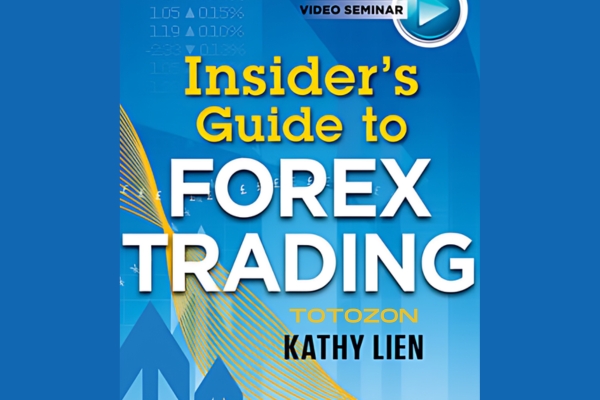 The Insider's Guide to Forex Trading with Kathy Lien
1 × $6.00
The Insider's Guide to Forex Trading with Kathy Lien
1 × $6.00 -
×
 Investment Blunders with John Nofsinger
1 × $6.00
Investment Blunders with John Nofsinger
1 × $6.00 -
×
 Forecast 2024 Clarification with Larry Williams
1 × $15.00
Forecast 2024 Clarification with Larry Williams
1 × $15.00 -
×
 TradeCraft: Your Path to Peak Performance Trading By Adam Grimes
1 × $15.00
TradeCraft: Your Path to Peak Performance Trading By Adam Grimes
1 × $15.00 -
×
 Fantastic 4 Trading Strategies
1 × $15.00
Fantastic 4 Trading Strategies
1 × $15.00 -
×
 Build A Solid Foundation For Trading Options with Corey Halliday
1 × $6.00
Build A Solid Foundation For Trading Options with Corey Halliday
1 × $6.00 -
×
 Home Run Options Trading Course with Dave Aquino - Base Camp Trading
1 × $11.00
Home Run Options Trading Course with Dave Aquino - Base Camp Trading
1 × $11.00 -
×
 Algo Trading Masterclass with Ali Casey - StatOasis
1 × $23.00
Algo Trading Masterclass with Ali Casey - StatOasis
1 × $23.00 -
×
 Numbers: Their Occult Power and Mystic Virtues
1 × $4.00
Numbers: Their Occult Power and Mystic Virtues
1 × $4.00 -
×
 Quantamentals - The Next Great Forefront Of Trading and Investing with Trading Markets
1 × $8.00
Quantamentals - The Next Great Forefront Of Trading and Investing with Trading Markets
1 × $8.00 -
×
 Onyx Platinum Trading Accelerator 2.0 with Nick Deflorio
1 × $6.00
Onyx Platinum Trading Accelerator 2.0 with Nick Deflorio
1 × $6.00 -
×
 0 DTE Options Trading Workshop with Aeromir Corporation
1 × $15.00
0 DTE Options Trading Workshop with Aeromir Corporation
1 × $15.00 -
×
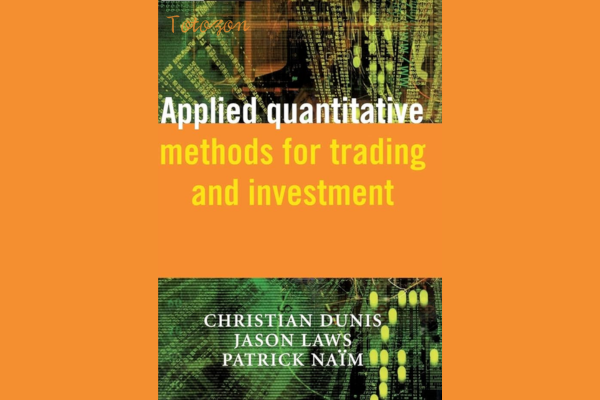 Applied Quantitative Methods for Trading and Investment with Christian Dunis, Jason Laws & Patrick Na¿m
1 × $6.00
Applied Quantitative Methods for Trading and Investment with Christian Dunis, Jason Laws & Patrick Na¿m
1 × $6.00 -
×
 T.A.M.E. Home Study Course with Doug Sutton
1 × $6.00
T.A.M.E. Home Study Course with Doug Sutton
1 × $6.00 -
×
 Secrets of Trading GBP, JPY, and CHF By Boris Schlossberg and Kathy Lien - Bkforex
1 × $6.00
Secrets of Trading GBP, JPY, and CHF By Boris Schlossberg and Kathy Lien - Bkforex
1 × $6.00 -
×
 Master Forex Fundamentals
1 × $15.00
Master Forex Fundamentals
1 × $15.00 -
×
 Rule Based Price Action with Trader Divergent
1 × $5.00
Rule Based Price Action with Trader Divergent
1 × $5.00 -
×
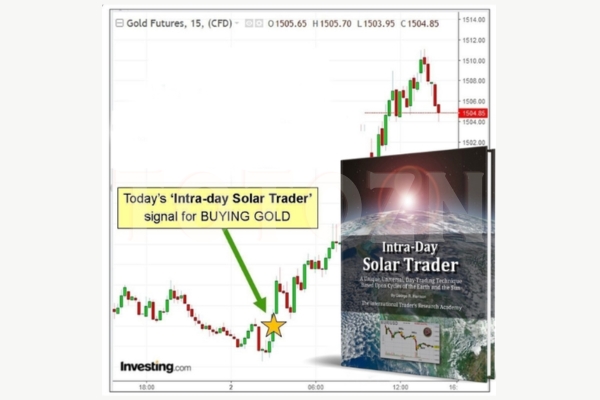 Intra-day Solar Trader with George Harrison
1 × $17.00
Intra-day Solar Trader with George Harrison
1 × $17.00 -
×
 The Trading Blueprint with Brad Goh - The Trading Geek
1 × $5.00
The Trading Blueprint with Brad Goh - The Trading Geek
1 × $5.00 -
×
 Market Tide indicator with Alphashark
1 × $54.00
Market Tide indicator with Alphashark
1 × $54.00 -
×
 Get to know the VIX Index (aka The Fear Index)
1 × $15.00
Get to know the VIX Index (aka The Fear Index)
1 × $15.00 -
×
 Deep Dive Butterfly Trading Strategy Class with SJG Trades
1 × $41.00
Deep Dive Butterfly Trading Strategy Class with SJG Trades
1 × $41.00 -
×
 The Aime Workshop with Clay Marafiote
1 × $6.00
The Aime Workshop with Clay Marafiote
1 × $6.00 -
×
 Advanced Trading Course with John Person
1 × $6.00
Advanced Trading Course with John Person
1 × $6.00 -
×
 Adx Mastery Complete Course
1 × $6.00
Adx Mastery Complete Course
1 × $6.00 -
×
 From Walden to Wall Street: Frontiers of Conservation Finance with James Levitt
1 × $6.00
From Walden to Wall Street: Frontiers of Conservation Finance with James Levitt
1 × $6.00 -
×
 Reading & Understanding Charts with Andrew Baxter
1 × $6.00
Reading & Understanding Charts with Andrew Baxter
1 × $6.00 -
×
 Commodity Trading Video Course with Bob Buran
1 × $6.00
Commodity Trading Video Course with Bob Buran
1 × $6.00 -
×
 Essential Skills for Consistency in Trading Class with Don Kaufman
1 × $6.00
Essential Skills for Consistency in Trading Class with Don Kaufman
1 × $6.00 -
×
 Active Investing courses notes with Alan Hull
1 × $6.00
Active Investing courses notes with Alan Hull
1 × $6.00 -
×
 How to Profit in Gold with Jonathan Spall
1 × $6.00
How to Profit in Gold with Jonathan Spall
1 × $6.00 -
×
 Synthetic and Structured Assets: A Practical Guide to Investment and Risk with Erik Banks
1 × $6.00
Synthetic and Structured Assets: A Practical Guide to Investment and Risk with Erik Banks
1 × $6.00 -
×
 Five Trading Trends of 2005 with Dan Denning
1 × $6.00
Five Trading Trends of 2005 with Dan Denning
1 × $6.00 -
×
 ICT Charter Complete Course (2019)
1 × $13.00
ICT Charter Complete Course (2019)
1 × $13.00 -
×
 Explosive Growth Options & Stocks with Base Camp Trading
1 × $5.00
Explosive Growth Options & Stocks with Base Camp Trading
1 × $5.00 -
×
 Developing & Implementing Pattern-Based Trading Systems with Tushar S.Chande
1 × $6.00
Developing & Implementing Pattern-Based Trading Systems with Tushar S.Chande
1 × $6.00 -
×
 Small Stocks for Big Profits: Generate Spectacular Returns by Investing in Up-and-Coming Companies with George Angell
1 × $6.00
Small Stocks for Big Profits: Generate Spectacular Returns by Investing in Up-and-Coming Companies with George Angell
1 × $6.00 -
×
 White Phoenix’s The Smart (Money) Approach to Trading with Jayson Casper
1 × $39.00
White Phoenix’s The Smart (Money) Approach to Trading with Jayson Casper
1 × $39.00 -
×
 The Internet Trading Course with Alpesh Patel
1 × $6.00
The Internet Trading Course with Alpesh Patel
1 × $6.00 -
×
 Price Action Room - The Scalper’s Boot Camp
1 × $15.00
Price Action Room - The Scalper’s Boot Camp
1 × $15.00 -
×
 5-Step-Trading Stocks II - Avoid Common Trading Mistakes - Online Course (April 2014)
1 × $23.00
5-Step-Trading Stocks II - Avoid Common Trading Mistakes - Online Course (April 2014)
1 × $23.00
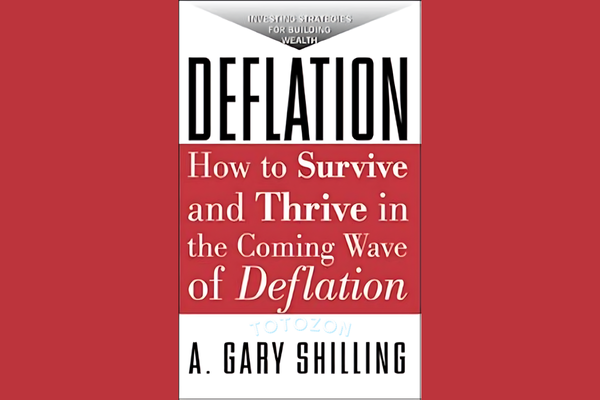
Deflaction with A.Gary Shilling
$6.00
File Size: Cooming soon!
Delivery Time: 1–12 hours
Media Type: Online Course
Content Proof: Watch Here!
You may check content proof of “Deflaction with A.Gary Shilling” below:

Deflation with A. Gary Shilling
Introduction to Deflation
Deflation, the persistent decrease in the general price level of goods and services, can have profound impacts on the economy. A. Gary Shilling, an esteemed economist and author, has extensively studied and written about deflation. This article delves into Shilling’s insights on deflation, its causes, effects, and how to navigate through it.
Who is A. Gary Shilling?
A. Gary Shilling is a renowned economist and financial analyst. With decades of experience, Shilling has made significant contributions to the understanding of macroeconomic trends, particularly deflation. His works offer valuable perspectives for both investors and policymakers.
Understanding Deflation
What is Deflation?
Deflation occurs when the inflation rate falls below 0%, leading to a decrease in the general price level of goods and services. It is the opposite of inflation.
Causes of Deflation
- Reduced Demand: A decline in consumer demand can lead to deflation.
- Increased Supply: Excessive production without a corresponding increase in demand.
- Technological Advances: Improvements that lower production costs and prices.
- Monetary Policies: Tight monetary policies can reduce money supply, contributing to deflation.
Historical Examples of Deflation
The Great Depression
The most notable period of deflation occurred during the Great Depression in the 1930s, leading to severe economic downturns and widespread unemployment.
Japan’s Lost Decade
In the 1990s, Japan experienced prolonged deflation, known as the “Lost Decade,” characterized by stagnant economic growth and falling prices.
Effects of Deflation
Positive Effects
- Increased Purchasing Power: Consumers can buy more with the same amount of money.
- Lower Costs: Businesses may experience lower costs due to decreased prices for raw materials and inputs.
Negative Effects
- Reduced Consumer Spending: Expectation of lower prices in the future can lead to reduced spending.
- Increased Debt Burden: The real value of debt increases, making it harder for borrowers to repay.
- Economic Stagnation: Deflation can lead to a decrease in business investments and economic activity.
A. Gary Shilling’s Perspective on Deflation
Predictions and Analysis
Shilling has been a vocal advocate of the view that deflation is a significant threat to the global economy. He argues that several factors, including technological advancements and excessive debt, contribute to deflationary pressures.
Investment Strategies
Shilling suggests that during deflationary periods, investors should focus on assets that preserve value, such as bonds and cash. He also recommends avoiding assets that are highly leveraged or dependent on rising prices.
Navigating Deflation: Practical Tips
For Consumers
- Pay Down Debt: Reduce liabilities to mitigate the impact of increased debt burden.
- Save More: Focus on saving to take advantage of increased purchasing power.
For Businesses
- Cost Management: Implement cost-cutting measures to maintain profitability.
- Innovation: Invest in technology and innovation to stay competitive despite falling prices.
For Investors
- Diversify Portfolio: Include assets that perform well during deflation, such as high-quality bonds.
- Focus on Quality: Invest in companies with strong balance sheets and stable cash flows.
Monetary Policies to Combat Deflation
Expansionary Policies
Central banks can implement expansionary monetary policies, such as lowering interest rates and quantitative easing, to increase the money supply and stimulate demand.
Fiscal Stimulus
Governments can use fiscal stimulus measures, such as increased public spending and tax cuts, to boost economic activity and counteract deflationary pressures.
Global Implications of Deflation
Impact on International Trade
Deflation in one country can affect global trade patterns, leading to reduced demand for imports and increased pressure on exporting countries.
Currency Valuations
Deflation can lead to currency appreciation, making exports more expensive and imports cheaper, affecting trade balances.
Technological Innovation and Deflation
Role of Technology
Technological advancements can lead to cost reductions and increased productivity, contributing to deflationary pressures.
Balancing Innovation and Economic Stability
Policymakers need to balance the benefits of technological innovation with measures to ensure economic stability and prevent deflation.
Case Studies of Deflation Management
United States (1930s)
The U.S. implemented several measures during the Great Depression, including the New Deal programs, to combat deflation and stimulate economic recovery.
Japan (1990s)
Japan’s response to deflation included significant monetary easing and fiscal stimulus, though with mixed results.
Conclusion
Deflation presents unique challenges and opportunities for consumers, businesses, and investors. A. Gary Shilling’s insights provide valuable guidance on navigating deflationary periods. By understanding the causes, effects, and strategies to manage deflation, we can better prepare for its impacts on the economy.
Frequently Asked Questions
1. What is deflation?
Deflation is the persistent decrease in the general price level of goods and services, leading to an increase in the real value of money.
2. What causes deflation?
Deflation can be caused by reduced demand, increased supply, technological advancements, and tight monetary policies.
3. How does deflation affect the economy?
Deflation can lead to reduced consumer spending, increased debt burdens, and economic stagnation, though it also increases purchasing power.
4. What are A. Gary Shilling’s views on deflation?
Shilling views deflation as a significant economic threat and suggests investment strategies focusing on value-preserving assets during deflationary periods.
5. How can consumers and businesses navigate deflation?
Consumers should pay down debt and save more, while businesses should manage costs and invest in innovation to remain competitive.
Be the first to review “Deflaction with A.Gary Shilling”
You must be logged in to post a review.
Related products

Original price was: $999.00.$5.00Current price is: $5.00.
Forex Trading
Original price was: $999.00.$15.00Current price is: $15.00.

Forex Trading
The Complete Guide to Multiple Time Frame Analysis & Reading Price Action with Aiman Almansoori
Original price was: $1,399.00.$13.00Current price is: $13.00.

Forex Trading
Original price was: $500.00.$5.00Current price is: $5.00.

Original price was: $2,120.00.$15.00Current price is: $15.00.
Original price was: $700.00.$39.00Current price is: $39.00.
Original price was: $4,995.00.$15.00Current price is: $15.00.

Original price was: $497.00.$31.00Current price is: $31.00.

Forex Trading
Original price was: $799.00.$15.00Current price is: $15.00.

Forex Trading
Original price was: $1,898.00.$10.00Current price is: $10.00.

Original price was: $649.00.$20.00Current price is: $20.00.
Forex Trading
Original price was: $249.00.$15.00Current price is: $15.00.
Original price was: $997.00.$8.00Current price is: $8.00.

Original price was: $1,800.00.$54.00Current price is: $54.00.

Forex Trading
Original price was: $397.00.$31.00Current price is: $31.00.

Forex Trading
Original price was: $2,995.00.$31.00Current price is: $31.00.
Forex Trading
Original price was: $239.00.$8.00Current price is: $8.00.

Original price was: $299.00.$8.00Current price is: $8.00.

Forex Trading
Original price was: $2,997.00.$23.00Current price is: $23.00.
Forex Trading
Original price was: $1,098.00.$39.00Current price is: $39.00.

Reviews
There are no reviews yet.