
-
×
 Advanced Bond Trading Course
1 × $62.00
Advanced Bond Trading Course
1 × $62.00 -
×
 Mastering High Probability Chart Reading Methods with John Murphy
1 × $6.00
Mastering High Probability Chart Reading Methods with John Murphy
1 × $6.00 -
×
 Game Plan of a Winning Trader with Mike Podwojski & Vic Noble
1 × $6.00
Game Plan of a Winning Trader with Mike Podwojski & Vic Noble
1 × $6.00 -
×
 Best of the Best: Collars with Amy Meissner & Scott Ruble
1 × $15.00
Best of the Best: Collars with Amy Meissner & Scott Ruble
1 × $15.00 -
×
 Algo Trading Masterclass with Ali Casey - StatOasis
1 × $23.00
Algo Trading Masterclass with Ali Casey - StatOasis
1 × $23.00 -
×
 TradeCraft: Your Path to Peak Performance Trading By Adam Grimes
1 × $15.00
TradeCraft: Your Path to Peak Performance Trading By Adam Grimes
1 × $15.00 -
×
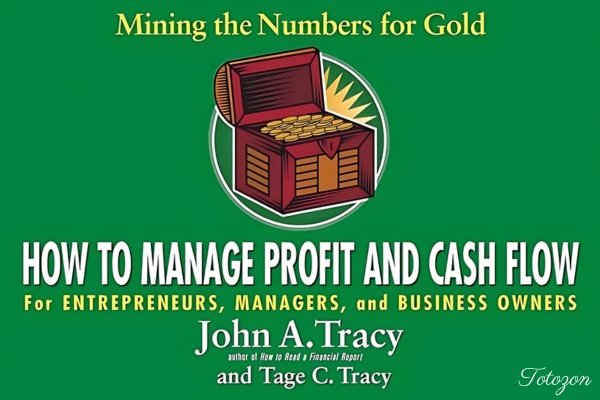 How to Manage Profit and Cash Flow: Mining the Numbers for Gold with John Tracy & Tage Tracy
1 × $6.00
How to Manage Profit and Cash Flow: Mining the Numbers for Gold with John Tracy & Tage Tracy
1 × $6.00 -
×
 The Complete Guide to Multiple Time Frame Analysis & Reading Price Action with Aiman Almansoori
1 × $13.00
The Complete Guide to Multiple Time Frame Analysis & Reading Price Action with Aiman Almansoori
1 × $13.00 -
×
 Investment Titans: Investment Insights from the Minds that Move Wall Street with Jonathan Burton
1 × $6.00
Investment Titans: Investment Insights from the Minds that Move Wall Street with Jonathan Burton
1 × $6.00 -
×
 Learn About Trading Options From a Real Wallstreet Trader with Corey Halliday & Todd parker
1 × $6.00
Learn About Trading Options From a Real Wallstreet Trader with Corey Halliday & Todd parker
1 × $6.00 -
×
 Advanced Technical Strategies Home Study Course with T3 LIVE
1 × $31.00
Advanced Technical Strategies Home Study Course with T3 LIVE
1 × $31.00 -
×
 Butterfly and Condor Workshop with Aeromir
1 × $15.00
Butterfly and Condor Workshop with Aeromir
1 × $15.00 -
×
 90 Minute Cycle withThe Algo Trader
1 × $5.00
90 Minute Cycle withThe Algo Trader
1 × $5.00 -
×
 Trading Short TermSame Day Trades Sep 2023 with Dan Sheridan & Mark Fenton - Sheridan Options Mentoring
1 × $31.00
Trading Short TermSame Day Trades Sep 2023 with Dan Sheridan & Mark Fenton - Sheridan Options Mentoring
1 × $31.00 -
×
 BD FX Course with FX Learning
1 × $6.00
BD FX Course with FX Learning
1 × $6.00 -
×
 Artificial Neural Networks Technology with Dave Anderson, George McNeill
1 × $6.00
Artificial Neural Networks Technology with Dave Anderson, George McNeill
1 × $6.00 -
×
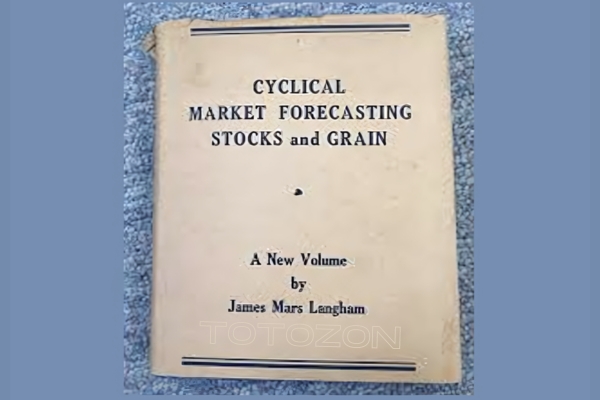 Market Forecasting. Stocks and Grain
1 × $6.00
Market Forecasting. Stocks and Grain
1 × $6.00 -
×
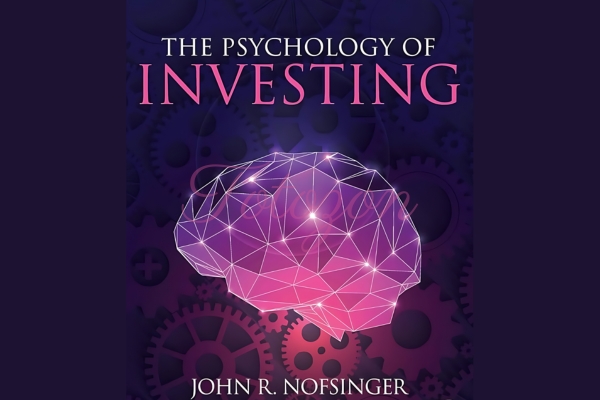 The Psychology of Investing with John Nofsinger
1 × $6.00
The Psychology of Investing with John Nofsinger
1 × $6.00 -
×
 Starting Out in Futures Trading with Mark Powers
1 × $6.00
Starting Out in Futures Trading with Mark Powers
1 × $6.00 -
×
 OrderFlows Trader Package, (Sep 2015)
1 × $54.00
OrderFlows Trader Package, (Sep 2015)
1 × $54.00 -
×
 Candle Charting Essentials & Beyond Volume 1 & 2 with Steve Nison - Candle Charts
1 × $15.00
Candle Charting Essentials & Beyond Volume 1 & 2 with Steve Nison - Candle Charts
1 × $15.00 -
×
 Practical Approach to Trend Following By Rajandran R
1 × $15.00
Practical Approach to Trend Following By Rajandran R
1 × $15.00 -
×
 The Trading Blueprint with Brad Goh - The Trading Geek
1 × $5.00
The Trading Blueprint with Brad Goh - The Trading Geek
1 × $5.00 -
×
 How to Make Money in the Futures Market … and Lots of It with Charles Drummond
1 × $6.00
How to Make Money in the Futures Market … and Lots of It with Charles Drummond
1 × $6.00 -
×
 Investing In Fixer-Uppers 2003 with Jay DeCima
1 × $6.00
Investing In Fixer-Uppers 2003 with Jay DeCima
1 × $6.00 -
×
 The Poor Man’s Gamma Scalp
1 × $54.00
The Poor Man’s Gamma Scalp
1 × $54.00 -
×
 Advanced Price Action Course with ZenFX
1 × $5.00
Advanced Price Action Course with ZenFX
1 × $5.00 -
×
 Kaizen On-Demand By Candle Charts
1 × $6.00
Kaizen On-Demand By Candle Charts
1 × $6.00 -
×
 $20 – 52k 20 pips a day challange with Rafał Zuchowicz - TopMasterTrader
1 × $5.00
$20 – 52k 20 pips a day challange with Rafał Zuchowicz - TopMasterTrader
1 × $5.00 -
×
 Forex Wave Theory: A Technical Analysis for Spot and Futures Curency Traders - James Bickford
1 × $6.00
Forex Wave Theory: A Technical Analysis for Spot and Futures Curency Traders - James Bickford
1 × $6.00 -
×
 Academy - Pick Stocks Like A Pro
1 × $15.00
Academy - Pick Stocks Like A Pro
1 × $15.00 -
×
 Trading The E-Minis for a Living with Don Miller
1 × $6.00
Trading The E-Minis for a Living with Don Miller
1 × $6.00 -
×
 YouAreTheIndicator Online Course 1.0
1 × $6.00
YouAreTheIndicator Online Course 1.0
1 × $6.00 -
×
 STERLING SUHR’S ADVANCED FOREX BANK TRADING COURSE (DAYTRADING FOREX LIVE COURSE) 2017
1 × $15.00
STERLING SUHR’S ADVANCED FOREX BANK TRADING COURSE (DAYTRADING FOREX LIVE COURSE) 2017
1 × $15.00 -
×
 AstroFibonacci 7.3722 magisociety
1 × $6.00
AstroFibonacci 7.3722 magisociety
1 × $6.00 -
×
 Deep Dive Butterfly Trading Strategy Class with SJG Trades
1 × $41.00
Deep Dive Butterfly Trading Strategy Class with SJG Trades
1 × $41.00 -
×
 Quantamentals - The Next Great Forefront Of Trading and Investing with Trading Markets
1 × $8.00
Quantamentals - The Next Great Forefront Of Trading and Investing with Trading Markets
1 × $8.00 -
×
 Investment Intelligence from Insider Trading with H.N.Seyhun
1 × $6.00
Investment Intelligence from Insider Trading with H.N.Seyhun
1 × $6.00

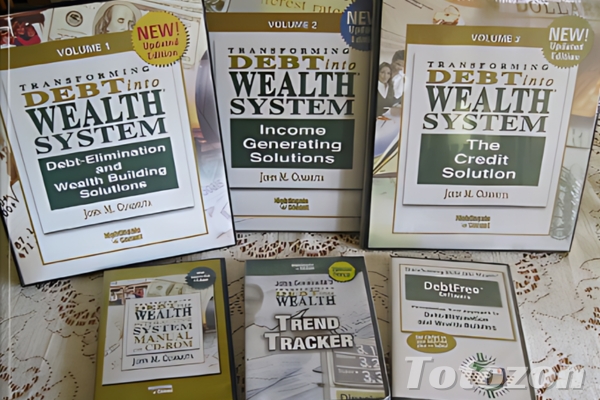
Transforming Debt into Wealth System with John Cummuta
$6.00
File Size: Coming soon!
Delivery Time: 1–12 hours
Media Type: Online Course
Content Proof: Watch Here!
You may check content proof of “Transforming Debt into Wealth System with John Cummuta” below:
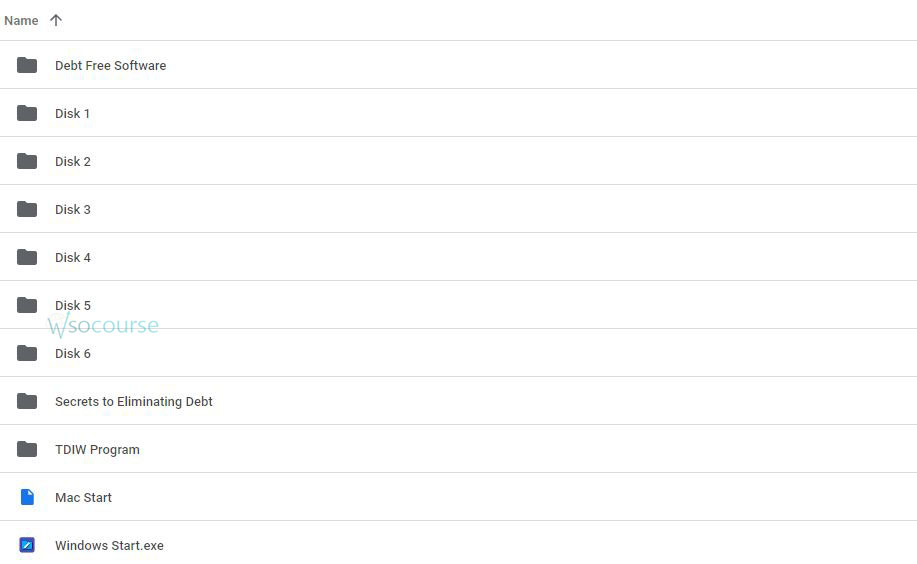
Transforming Debt into Wealth System with John Cummuta
Debt can feel like an insurmountable obstacle, but John Cummuta’s “Transforming Debt into Wealth” system offers a roadmap to financial freedom. In this article, we will explore the key principles and strategies of this system, designed to help you eliminate debt and build wealth effectively.
Introduction to John Cummuta’s System
Who is John Cummuta?
John Cummuta is a financial expert renowned for his innovative approach to personal finance. His system focuses on transforming debt into wealth through disciplined financial strategies.
What is the Transforming Debt into Wealth System?
This system is a comprehensive program that guides individuals on how to pay off debts rapidly and start building wealth. It emphasizes budgeting, smart spending, and strategic investing.
Core Principles of the System
The Power of Budgeting
Budgeting is the cornerstone of Cummuta’s system. By tracking income and expenses, you can identify areas to cut costs and allocate more funds towards debt repayment.
Debt Snowball Method
The debt snowball method involves paying off the smallest debts first while making minimum payments on larger ones. This approach builds momentum and encourages continued progress.
Living Below Your Means
Adopting a frugal lifestyle helps free up additional resources to tackle debt and save for the future. This involves making conscious spending choices and avoiding unnecessary purchases.
Steps to Transform Debt into Wealth
1. Assess Your Financial Situation
Begin by taking a comprehensive look at your current financial status. List all debts, income sources, and monthly expenses.
2. Create a Detailed Budget
Develop a realistic budget that includes all your income and expenses. Ensure you allocate funds for debt repayment and savings.
3. Prioritize Debts
Rank your debts from smallest to largest and focus on paying off the smallest debt first. This method boosts motivation as you see quick results.
4. Cut Unnecessary Expenses
Identify and eliminate non-essential expenses. Redirect these funds towards paying off debts and building an emergency fund.
5. Increase Your Income
Look for opportunities to boost your income, such as part-time jobs, freelance work, or selling unused items.
6. Pay Off Debts Aggressively
Use any extra income to pay down your debts faster. The quicker you eliminate debt, the sooner you can start saving and investing.
Building Wealth After Debt
Establish an Emergency Fund
Once debts are cleared, focus on building an emergency fund. Aim for three to six months’ worth of living expenses.
Invest Wisely
Start investing in assets that generate passive income. Consider stocks, bonds, real estate, or retirement accounts.
Automate Savings
Set up automatic transfers to your savings and investment accounts. This ensures consistent contributions and reduces the temptation to spend.
Common Pitfalls and How to Avoid Them
Ignoring the Budget
Sticking to a budget is crucial. Regularly review and adjust your budget to stay on track with your financial goals.
Accumulating More Debt
Avoid taking on new debt while paying off existing debts. Focus on living within your means and saving for purchases instead.
Lack of Emergency Fund
Not having an emergency fund can derail your financial progress. Prioritize building this fund to cover unexpected expenses.
Benefits of the Transforming Debt into Wealth System
Financial Freedom
Eliminating debt provides a sense of financial freedom and reduces stress. You can focus on building wealth and achieving long-term goals.
Increased Savings
With no debt payments, you can allocate more money towards savings and investments, accelerating your path to wealth.
Improved Financial Habits
Following this system helps develop disciplined financial habits that benefit you in the long run.
Conclusion
John Cummuta’s “Transforming Debt into Wealth” system offers a practical and effective approach to achieving financial independence. By following the steps outlined in this article, you can take control of your finances, eliminate debt, and start building wealth.
FAQs
1. How does the debt snowball method work?
The debt snowball method focuses on paying off the smallest debts first, creating a sense of accomplishment and motivation to tackle larger debts.
2. What should be included in a budget?
A budget should include all sources of income and all expenses, both fixed and variable. It should also allocate funds for debt repayment and savings.
3. Why is an emergency fund important?
An emergency fund provides financial security by covering unexpected expenses, preventing the need to take on new debt.
4. How can I increase my income to pay off debt faster?
Consider part-time jobs, freelance work, or selling unused items to generate extra income that can be used for debt repayment.
5. What are some smart investment options after paying off debt?
Consider investing in stocks, bonds, real estate, or retirement accounts to build wealth and generate passive income.
Be the first to review “Transforming Debt into Wealth System with John Cummuta”
You must be logged in to post a review.
Related products

Forex Trading
Original price was: $125.00.$17.00Current price is: $17.00.
Original price was: $4,995.00.$15.00Current price is: $15.00.
Forex Trading
Original price was: $2,000.00.$23.00Current price is: $23.00.

Original price was: $1,849.00.$15.00Current price is: $15.00.

Original price was: $997.00.$8.00Current price is: $8.00.

Original price was: $299.00.$8.00Current price is: $8.00.

Forex Trading
Original price was: $550.00.$5.00Current price is: $5.00.

Original price was: $649.00.$20.00Current price is: $20.00.

Forex Trading
Original price was: $2,995.00.$31.00Current price is: $31.00.

Original price was: $310.00.$23.00Current price is: $23.00.

Original price was: $1,800.00.$54.00Current price is: $54.00.

Forex Trading
Original price was: $797.00.$10.00Current price is: $10.00.

Original price was: $450.00.$23.00Current price is: $23.00.

Forex Trading
Original price was: $1,898.00.$10.00Current price is: $10.00.

Forex Trading
Original price was: $4,997.00.$27.00Current price is: $27.00.

Original price was: $139.00.$23.00Current price is: $23.00.
Original price was: $695.00.$41.00Current price is: $41.00.

Forex Trading
Original price was: $239.00.$8.00Current price is: $8.00.
Forex Trading
The Complete Guide to Multiple Time Frame Analysis & Reading Price Action with Aiman Almansoori
Original price was: $1,399.00.$13.00Current price is: $13.00.

Forex Trading
Original price was: $2,997.00.$23.00Current price is: $23.00.

Reviews
There are no reviews yet.