
-
×
 Mechanical Timing Systems. The Key to Consistent Profits & Sharper Trading with Nelson Freeburg
1 × $6.00
Mechanical Timing Systems. The Key to Consistent Profits & Sharper Trading with Nelson Freeburg
1 × $6.00 -
×
 Stock Trading Success - You Make The Call - How To Set Entries And Exits with Steve Nison and K.Cal
1 × $6.00
Stock Trading Success - You Make The Call - How To Set Entries And Exits with Steve Nison and K.Cal
1 × $6.00 -
×
 Investing in 401k Plans with Cliffsnotes
1 × $6.00
Investing in 401k Plans with Cliffsnotes
1 × $6.00 -
×
 Professional Level Trading (IPLT) Online Video Series with Anton Kreil
1 × $6.00
Professional Level Trading (IPLT) Online Video Series with Anton Kreil
1 × $6.00 -
×
 The Ten Most Powerful Option Trading Secrets with Bernie Schaeffer
1 × $6.00
The Ten Most Powerful Option Trading Secrets with Bernie Schaeffer
1 × $6.00 -
×
 5 Day Volume Profile Analysis Indicator Course with Mark Stone
1 × $54.00
5 Day Volume Profile Analysis Indicator Course with Mark Stone
1 × $54.00 -
×
 A Day Trading Guide
1 × $54.00
A Day Trading Guide
1 × $54.00 -
×
 4 Class Bundle
1 × $31.00
4 Class Bundle
1 × $31.00 -
×
 Advanced Forex Trading Momentum vs Reversals with Indicators Webinar - Mark Whistler
1 × $6.00
Advanced Forex Trading Momentum vs Reversals with Indicators Webinar - Mark Whistler
1 × $6.00 -
×
 30 Trading Classics with 3T Live
1 × $5.00
30 Trading Classics with 3T Live
1 × $5.00 -
×
 How to Collect Income Being Short with Don Kaufman
1 × $6.00
How to Collect Income Being Short with Don Kaufman
1 × $6.00 -
×
 The Orderflow Masterclass with PrimeTrading
1 × $17.00
The Orderflow Masterclass with PrimeTrading
1 × $17.00 -
×
 High Probability Trading Using Elliott Wave And Fibonacci Analysis withVic Patel - Forex Training Group
1 × $10.00
High Probability Trading Using Elliott Wave And Fibonacci Analysis withVic Patel - Forex Training Group
1 × $10.00 -
×
 Core Strategy Program with Ota Courses
1 × $174.00
Core Strategy Program with Ota Courses
1 × $174.00 -
×
 Tom Busby – DAX Supplement Trading Course 2007 with DTI
1 × $6.00
Tom Busby – DAX Supplement Trading Course 2007 with DTI
1 × $6.00 -
×
 Timing Techniques for Commodity Futures Markets with Colin Alexander
1 × $6.00
Timing Techniques for Commodity Futures Markets with Colin Alexander
1 × $6.00 -
×
 Portfolio Management using Machine Learning: Hierarchical Risk Parity
1 × $39.00
Portfolio Management using Machine Learning: Hierarchical Risk Parity
1 × $39.00 -
×
 Wyckoff Stock Market Institute
1 × $5.00
Wyckoff Stock Market Institute
1 × $5.00 -
×
 Forex Freedom Course
1 × $54.00
Forex Freedom Course
1 × $54.00 -
×
 Home Run Options Trading Course with Dave Aquino - Base Camp Trading
1 × $11.00
Home Run Options Trading Course with Dave Aquino - Base Camp Trading
1 × $11.00 -
×
 System Building Masterclass
1 × $31.00
System Building Masterclass
1 × $31.00 -
×
 How I Made One Million Dollars with Larry Williams
1 × $6.00
How I Made One Million Dollars with Larry Williams
1 × $6.00 -
×
 Momentum Options Trading Course with Eric Jellerson
1 × $272.00
Momentum Options Trading Course with Eric Jellerson
1 × $272.00 -
×
 Symmetry Wave Theory with Michael Gur
1 × $6.00
Symmetry Wave Theory with Michael Gur
1 × $6.00 -
×
 Naked Forex: High-Probability Techniques for Trading Without Indicators (2012) with Alex Nekritin & Walter Peters
1 × $6.00
Naked Forex: High-Probability Techniques for Trading Without Indicators (2012) with Alex Nekritin & Walter Peters
1 × $6.00 -
×
 Advanced Spread Trading with Guy Bower - MasterClass Trader
1 × $15.00
Advanced Spread Trading with Guy Bower - MasterClass Trader
1 × $15.00
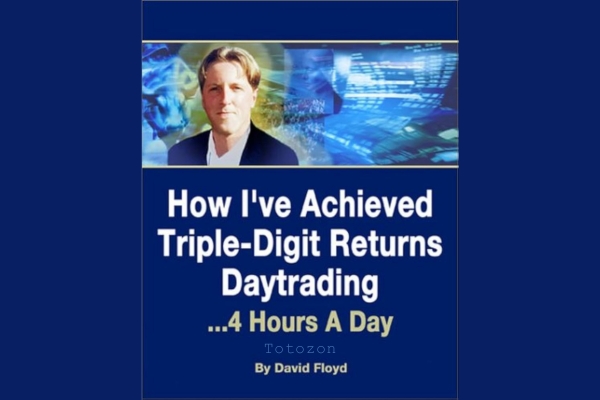
How I’ve Achieved Triple-Digit Returns Daytrading: 4 Hours A Day with David Floyd
$6.00
File Size: Coming soon!
Delivery Time: 1–12 hours
Media Type: Online Course
Content Proof: Watch Here!
You may check content proof of “How I’ve Achieved Triple-Digit Returns Daytrading: 4 Hours A Day with David Floyd” below:

How I’ve Achieved Triple-Digit Returns Daytrading: 4 Hours A Day with David Floyd
Introduction
Day trading offers the potential for substantial profits, but it requires skill, discipline, and a solid strategy. David Floyd, a renowned day trader, has managed to achieve triple-digit returns by trading just four hours a day. In this article, we delve into Floyd’s approach, exploring the techniques and strategies that have led to his impressive success.
Understanding Day Trading
Day trading involves buying and selling financial instruments within the same trading day. It requires quick decision-making and a deep understanding of market movements.
Why Day Trading?
Day trading provides several advantages:
- Quick Returns: Profits can be realized quickly.
- Daily Income: Consistent trading can generate daily income.
- Market Independence: Opportunities arise regardless of market direction.
Key Skills for Day Traders
- Analytical Skills: Ability to analyze and interpret market data.
- Discipline: Sticking to a trading plan without emotional interference.
- Quick Decision-Making: Making fast decisions based on real-time information.
David Floyd’s Day Trading Strategy
David Floyd’s success can be attributed to his well-defined trading strategy, which includes technical analysis, risk management, and disciplined trading practices.
Technical Analysis
Technical analysis is the study of price movements and patterns to predict future market behavior.
Essential Tools
- Moving Averages: Help identify the direction of the trend.
- Relative Strength Index (RSI): Measures the speed and change of price movements.
- Candlestick Patterns: Provide insights into market sentiment.
Risk Management
Effective risk management is crucial to minimize potential losses and protect trading capital.
Risk Management Techniques
- Stop-Loss Orders: Automatically close a trade at a predetermined loss level.
- Position Sizing: Determine the size of a trade based on risk tolerance.
- Diversification: Spread risk by trading multiple instruments.
Trading Discipline
Sticking to a trading plan and avoiding emotional decisions is key to long-term success.
Developing a Trading Plan
- Define Goals: Set clear, achievable trading goals.
- Set Rules: Establish rules for entering and exiting trades.
- Monitor Performance: Regularly review and adjust the trading plan.
The Four-Hour Trading Window
Floyd’s strategy involves trading for just four hours a day, focusing on the most volatile times of the market.
Optimal Trading Times
The best times to trade are usually during market openings and closings, when volatility is highest.
Key Timeframes
- Opening Session: First two hours of the trading day.
- Closing Session: Last two hours of the trading day.
Benefits of a Limited Trading Window
- Focused Trading: Increases concentration and reduces fatigue.
- Less Stress: Shorter trading periods reduce mental strain.
- Efficiency: Maximizes productivity by focusing on high-probability trades.
Case Study: A Day in the Life of David Floyd
Understanding Floyd’s daily routine provides practical insights into his trading approach.
Pre-Market Preparation
- Market Analysis: Review news and market trends.
- Set Alerts: Prepare for key levels and events.
- Plan Trades: Identify potential trades and set entry/exit points.
During Trading Hours
- Execute Trades: Follow the trading plan and adjust as necessary.
- Monitor Markets: Keep an eye on price movements and indicators.
- Manage Risk: Adjust stop-loss orders and position sizes as needed.
Post-Market Review
- Evaluate Trades: Analyze the day’s trades and performance.
- Adjust Strategy: Make necessary adjustments based on performance review.
- Plan for Tomorrow: Prepare for the next trading session.
Tools and Resources
Utilizing the right tools and resources can enhance trading efficiency and effectiveness.
Trading Platforms
Choose a reliable trading platform with real-time data and advanced charting tools.
Features to Look For
- Speed and Reliability: Ensure the platform is fast and stable.
- Advanced Charting: Access to technical analysis tools.
- User-Friendly Interface: Easy to navigate and use.
Educational Resources
Continuously improving trading knowledge is vital for success.
Learning Resources
- Books and Courses: Learn from experts and structured courses.
- Webinars and Seminars: Participate in live trading sessions and workshops.
- Trading Communities: Engage with other traders to share insights and strategies.
Common Pitfalls to Avoid
Avoiding common mistakes can significantly improve trading performance.
Overtrading
Trading too frequently can lead to increased costs and losses.
How to Avoid Overtrading
- Stick to the Plan: Trade only when your criteria are met.
- Set Limits: Limit the number of trades per day.
Ignoring Risk Management
Neglecting risk management can result in significant losses.
Implement Risk Management
- Use Stop-Loss Orders: Always set stop-loss levels.
- Manage Position Sizes: Adjust trade sizes based on risk tolerance.
Emotional Trading
Making decisions based on emotions can be detrimental.
Stay Disciplined
- Follow the Plan: Stick to your trading strategy.
- Take Breaks: Step away from the screen to avoid fatigue and stress.
Conclusion
David Floyd’s approach to achieving triple-digit returns through day trading is a testament to the power of a well-defined strategy, disciplined execution, and effective risk management. By focusing on key trading times, utilizing technical analysis, and adhering to a strict trading plan, you can enhance your chances of success in the day trading arena.
FAQs
1. What is day trading?
Day trading involves buying and selling financial instruments within the same trading day, focusing on short-term price movements.
2. How does David Floyd achieve high returns with only four hours of trading?
Floyd focuses on the most volatile times of the trading day, employs technical analysis, and adheres to strict risk management and discipline.
3. What are the best times to trade during the day?
The best times to trade are during the market opening and closing sessions, where volatility is typically highest.
4. What tools are essential for day trading?
A reliable trading platform with real-time data, advanced charting tools, and a user-friendly interface is essential for day trading.
5. How can I manage risk effectively in day trading?
Use stop-loss orders, manage position sizes, and diversify your trades to manage risk effectively
Be the first to review “How I’ve Achieved Triple-Digit Returns Daytrading: 4 Hours A Day with David Floyd”
You must be logged in to post a review.
Related products

Original price was: $700.00.$39.00Current price is: $39.00.

Forex Trading
Original price was: $1,098.00.$39.00Current price is: $39.00.

Forex Trading
The Complete Guide to Multiple Time Frame Analysis & Reading Price Action with Aiman Almansoori
Original price was: $1,399.00.$13.00Current price is: $13.00.

Original price was: $799.00.$15.00Current price is: $15.00.

Original price was: $310.00.$23.00Current price is: $23.00.

Forex Trading
Original price was: $1,898.00.$10.00Current price is: $10.00.

Original price was: $197.00.$5.00Current price is: $5.00.

Original price was: $139.00.$23.00Current price is: $23.00.

Forex Trading
Original price was: $499.00.$15.00Current price is: $15.00.

Forex Trading
Original price was: $500.00.$5.00Current price is: $5.00.

Forex Trading
Original price was: $697.00.$5.00Current price is: $5.00.

Original price was: $4,995.00.$15.00Current price is: $15.00.

Original price was: $695.00.$41.00Current price is: $41.00.

Original price was: $997.00.$8.00Current price is: $8.00.

Original price was: $997.00.$13.00Current price is: $13.00.

Original price was: $497.00.$31.00Current price is: $31.00.

Forex Trading
Original price was: $249.00.$15.00Current price is: $15.00.

Original price was: $2,120.00.$15.00Current price is: $15.00.

Forex Trading
Original price was: $999.00.$15.00Current price is: $15.00.

Original price was: $450.00.$23.00Current price is: $23.00.
Reviews
There are no reviews yet.