
-
×
 Guide to Winning with Automated Trading Systems with Jack Schwager
1 × $6.00
Guide to Winning with Automated Trading Systems with Jack Schwager
1 × $6.00 -
×
 Golden Pips Generator - DMA HACK with Hooman
1 × $62.00
Golden Pips Generator - DMA HACK with Hooman
1 × $62.00 -
×
 The Prop Trading Code with Brannigan Barrett - Axia Futures
1 × $23.00
The Prop Trading Code with Brannigan Barrett - Axia Futures
1 × $23.00 -
×
 The Cycles and The Codes with Myles Wilson-Walker
1 × $15.00
The Cycles and The Codes with Myles Wilson-Walker
1 × $15.00 -
×
 Fibonacci Trading Course - Money Management & Trend Analysis
1 × $6.00
Fibonacci Trading Course - Money Management & Trend Analysis
1 × $6.00 -
×
 How to Spot a Trade Before it Happens (marketsmastered.com) with Markets Mastered
1 × $6.00
How to Spot a Trade Before it Happens (marketsmastered.com) with Markets Mastered
1 × $6.00 -
×
 TECHNICAL ANALYSIS MODULE
1 × $6.00
TECHNICAL ANALYSIS MODULE
1 × $6.00 -
×
 FXStreet Unrecorded Webinars Sept & Oct, 2011 with Sam Seiden
1 × $6.00
FXStreet Unrecorded Webinars Sept & Oct, 2011 with Sam Seiden
1 × $6.00 -
×
 Steve Jobs. The Greatest Second Act in the History of Business with Young Simon
1 × $6.00
Steve Jobs. The Greatest Second Act in the History of Business with Young Simon
1 × $6.00 -
×
 Elliott Wave Indicator Suite for ThinkorSwim
1 × $15.00
Elliott Wave Indicator Suite for ThinkorSwim
1 × $15.00 -
×
 Alexander Elder Full Courses Package
1 × $6.00
Alexander Elder Full Courses Package
1 × $6.00 -
×
 The Amazing Common Sense Guide To Investment Success with John Thomchick
1 × $6.00
The Amazing Common Sense Guide To Investment Success with John Thomchick
1 × $6.00 -
×
 The Compleat DayTrader I & II with Jack Bernstein
1 × $6.00
The Compleat DayTrader I & II with Jack Bernstein
1 × $6.00 -
×
 How to Collect Income Being Short with Don Kaufman
1 × $6.00
How to Collect Income Being Short with Don Kaufman
1 × $6.00 -
×
 Investing Online with Benton E.Gup
1 × $6.00
Investing Online with Benton E.Gup
1 × $6.00 -
×
 How I Trade for a Living with Gary Smith
1 × $6.00
How I Trade for a Living with Gary Smith
1 × $6.00 -
×
 INVESTOPEDIA - BECOME A DAY TRADER
1 × $15.00
INVESTOPEDIA - BECOME A DAY TRADER
1 × $15.00 -
×
 Professional Swing Trading College with Steven Primo
1 × $15.00
Professional Swing Trading College with Steven Primo
1 × $15.00 -
×
 How to Build Fortune. Trading Stock Index Futures with Dennis Minogue
1 × $6.00
How to Build Fortune. Trading Stock Index Futures with Dennis Minogue
1 × $6.00 -
×
 Master Fibonacci, Symmetry & Consistent Profitable Trading with Day Trading Zones
1 × $23.00
Master Fibonacci, Symmetry & Consistent Profitable Trading with Day Trading Zones
1 × $23.00 -
×
 Consistent Small Account Growth Formula with Matt Williamson
1 × $6.00
Consistent Small Account Growth Formula with Matt Williamson
1 × $6.00 -
×
 Mastering Momentum Gaps with Toni Hansen
1 × $6.00
Mastering Momentum Gaps with Toni Hansen
1 × $6.00 -
×
 The Cash Flow Bootcamp with John Macgregor
1 × $233.00
The Cash Flow Bootcamp with John Macgregor
1 × $233.00 -
×
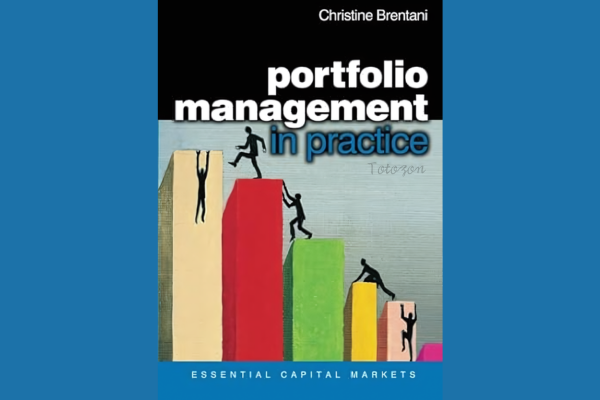 Portfolio Management in Practice with Christine Brentani
1 × $6.00
Portfolio Management in Practice with Christine Brentani
1 × $6.00 -
×
 Price Action Trading Volume 1 with Fractal Flow Pro
1 × $6.00
Price Action Trading Volume 1 with Fractal Flow Pro
1 × $6.00 -
×
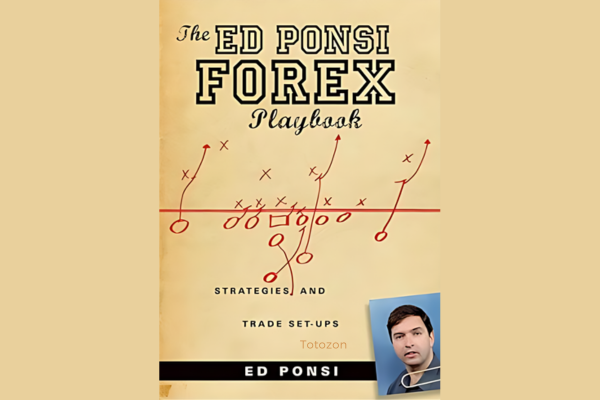 Forex Trading with Ed Ponsi
1 × $6.00
Forex Trading with Ed Ponsi
1 × $6.00 -
×
 Forex Project Advanced Course with Tyler Crowell
1 × $5.00
Forex Project Advanced Course with Tyler Crowell
1 × $5.00 -
×
 The Aggressive Investor. Case Studies with Colin Nicholson
1 × $6.00
The Aggressive Investor. Case Studies with Colin Nicholson
1 × $6.00 -
×
 PFAZoneSuite [Trading Indicator] 2017
1 × $109.00
PFAZoneSuite [Trading Indicator] 2017
1 × $109.00 -
×
 Rich in America: Secrets to Creating and Preserving Wealth with Jeffrey Maurer
1 × $6.00
Rich in America: Secrets to Creating and Preserving Wealth with Jeffrey Maurer
1 × $6.00 -
×
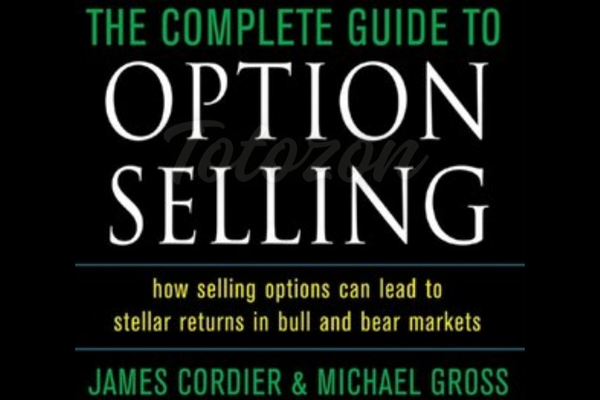 The Complete Guide to Option Selling, 2nd 2009 with James Cordier & Michael Gross
1 × $6.00
The Complete Guide to Option Selling, 2nd 2009 with James Cordier & Michael Gross
1 × $6.00 -
×
 High Probability ETF Trading: 7 Professional Strategies To Improve Your ETF Trading with Larry Connors
1 × $6.00
High Probability ETF Trading: 7 Professional Strategies To Improve Your ETF Trading with Larry Connors
1 × $6.00 -
×
 Forex Trading Plan - Learn How To Set SMART Trading Goals! with Anas Abba & FXMindTrix Academy
1 × $6.00
Forex Trading Plan - Learn How To Set SMART Trading Goals! with Anas Abba & FXMindTrix Academy
1 × $6.00 -
×
 Compass Trading System with Right Line Trading
1 × $39.00
Compass Trading System with Right Line Trading
1 × $39.00 -
×
 Advanced Group Analysis Turorial with David Vomund
1 × $6.00
Advanced Group Analysis Turorial with David Vomund
1 × $6.00 -
×
 Renko Mastery Intensive Program
1 × $85.00
Renko Mastery Intensive Program
1 × $85.00 -
×
 Path to Profits By Scott Redler - T3 Live
1 × $6.00
Path to Profits By Scott Redler - T3 Live
1 × $6.00 -
×
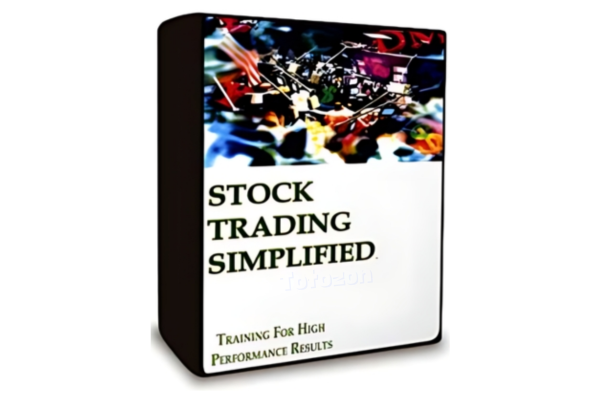 Stock Trading Simplified - 3 DVD + PDF Workbook with John Person
1 × $6.00
Stock Trading Simplified - 3 DVD + PDF Workbook with John Person
1 × $6.00 -
×
 PDFT (Price Driven Forex Trading) Course with Avi Frister
1 × $6.00
PDFT (Price Driven Forex Trading) Course with Avi Frister
1 × $6.00 -
×
 Algo Trading Masterclass with Ali Casey - StatOasis
1 × $23.00
Algo Trading Masterclass with Ali Casey - StatOasis
1 × $23.00

Learn To Day-Trade the E-Mini S&P 500. Simple-as-123 with Marshall Jones
$6.00
File Size: Coming soon!
Delivery Time: 1–12 hours
Media Type: Online Course
Content Proof: Watch Here!
You may check content proof of “Learn To Day-Trade the E-Mini S&P 500. Simple-as-123 with Marshall Jones” below:

Learn To Day-Trade the E-Mini S&P 500: Simple-as-123 with Marshall Jones
Introduction to Day Trading the E-Mini S&P 500
Day trading the E-Mini S&P 500 futures can be a highly rewarding venture if approached with the right strategy and discipline. Marshall Jones, a seasoned day trader, simplifies the process into a straightforward approach known as Simple-as-123. This guide will walk you through the basics and provide actionable insights to help you start day trading the E-Mini S&P 500 successfully.
Who is Marshall Jones?
Experienced Day Trader
Marshall Jones is renowned in the trading community for his practical and simplified approach to day trading. His expertise spans years of navigating the financial markets and mentoring aspiring traders.
Educational Contributions
Jones has authored several courses and workshops aimed at demystifying the complexities of day trading. His Simple-as-123 method is a testament to his ability to break down intricate trading concepts into manageable steps.
Understanding the E-Mini S&P 500
What is the E-Mini S&P 500?
The E-Mini S&P 500 is a futures contract representing one-fifth of the value of the standard S&P 500 futures contract. It is traded on the Chicago Mercantile Exchange (CME) and is popular among day traders due to its liquidity and volatility.
Key Features
- High Liquidity: Ensures ease of entry and exit in trades.
- Volatility: Offers multiple trading opportunities throughout the day.
- Leverage: Allows traders to control a large contract value with a relatively small margin.
Why Trade the E-Mini S&P 500?
The E-Mini S&P 500 offers several advantages for day traders, including the ability to capitalize on short-term market movements, access to extended trading hours, and reduced capital requirements compared to other futures contracts.
The Simple-as-123 Method
Step 1: Preparation
Before diving into the market, preparation is key. This involves setting up your trading environment and ensuring you have the right tools.
Trading Setup
- Reliable Trading Platform: Choose a platform that offers real-time data and advanced charting tools.
- High-Speed Internet Connection: Ensure seamless and uninterrupted trading.
- Comfortable Workspace: Set up a distraction-free area dedicated to trading.
Step 2: Market Analysis
Effective day trading relies heavily on accurate market analysis. Marshall Jones emphasizes the importance of both technical and fundamental analysis.
Technical Analysis
- Candlestick Patterns: Recognize common patterns like Doji, Hammer, and Engulfing.
- Moving Averages: Use simple (SMA) and exponential (EMA) moving averages to identify trends.
- Indicators: Incorporate RSI and MACD to gauge market momentum and potential reversals.
Fundamental Analysis
- Economic Calendars: Track key economic events that could impact market volatility.
- News Analysis: Stay updated with the latest market news and reports.
Step 3: Executing Trades
With preparation and analysis in place, the next step is executing trades. Jones’ approach involves a disciplined entry and exit strategy to maximize profits and minimize losses.
Entry Strategies
- Breakout Strategy: Enter trades when the price breaks through significant support or resistance levels.
- Pullback Strategy: Enter trades during pullbacks in a prevailing trend to capture potential continuation moves.
Exit Strategies
- Profit Targets: Set realistic profit targets based on historical price movements and support/resistance levels.
- Stop-Loss Orders: Protect your capital by setting stop-loss orders to limit potential losses.
Risk Management Techniques
Importance of Risk Management
Risk management is crucial in day trading to preserve capital and ensure long-term success. Jones’ method includes several key risk management practices.
Position Sizing
- Fixed Percentage Rule: Risk a fixed percentage (e.g., 1-2%) of your trading capital on each trade.
Stop-Loss Orders
- Trailing Stop-Loss: Adjust your stop-loss order as the trade moves in your favor to lock in profits.
Diversification
- Multiple Contracts: Trade multiple contracts to spread risk and increase potential returns.
Developing a Trading Plan
Why a Trading Plan is Essential
A trading plan serves as a roadmap, guiding your decisions and helping you stay disciplined. It outlines your strategies, risk management rules, and goals.
Components of a Trading Plan
- Goals: Define your short-term and long-term trading objectives.
- Strategy: Detail your entry and exit strategies.
- Risk Management: Specify your risk tolerance and management techniques.
- Review Process: Establish a routine for reviewing and refining your plan.
Practical Tips for Success
Stay Disciplined
Discipline is critical in day trading. Stick to your trading plan and avoid impulsive decisions based on emotions.
Continuous Learning
The financial markets are constantly evolving. Stay updated with new strategies, market trends, and trading tools to maintain an edge.
Practice Patience
Patience is a virtue in day trading. Wait for high-probability setups and avoid overtrading.
Common Challenges and How to Overcome Them
Dealing with Losses
Losses are inevitable in trading. Learn from your mistakes and avoid letting them affect your trading psychology.
Managing Emotions
Fear and greed can cloud judgment. Stay calm and focused, and follow your trading plan.
Avoiding Overtrading
Overtrading can lead to increased costs and reduced profitability. Stick to your strategy and avoid unnecessary trades.
Conclusion
Day trading the E-Mini S&P 500 can be highly profitable when approached with the right strategy and mindset. Marshall Jones’ Simple-as-123 method provides a clear and structured approach to day trading, emphasizing preparation, analysis, and disciplined execution. By incorporating these principles and maintaining a solid risk management plan, traders can navigate the complexities of the market and achieve long-term success.
FAQs
1. What is the E-Mini S&P 500?
The E-Mini S&P 500 is a futures contract representing one-fifth of the value of the standard S&P 500 futures contract, popular among day traders for its liquidity and volatility.
2. Why is risk management important in day trading?
Risk management protects your capital by limiting potential losses, ensuring long-term success and sustainability in trading.
3. What are the key components of the Simple-as-123 method?
The Simple-as-123 method involves preparation, market analysis, and disciplined trade execution, combined with effective risk management.
4. How can I start day trading the E-Mini S&P 500?
Begin by setting up a reliable trading environment, conducting thorough market analysis, and following a structured trading plan with defined entry and exit strategies.
5. What are common challenges in day trading and how can they be overcome?
Common challenges include dealing with losses, managing emotions, and avoiding overtrading. Overcome these by staying disciplined, learning continuously, and following your trading plan.
Be the first to review “Learn To Day-Trade the E-Mini S&P 500. Simple-as-123 with Marshall Jones”
You must be logged in to post a review.
Related products

Original price was: $799.00.$15.00Current price is: $15.00.

Forex Trading
Quantamentals – The Next Great Forefront Of Trading and Investing with Trading Markets
Original price was: $1,495.00.$8.00Current price is: $8.00.

Forex Trading
Original price was: $1,898.00.$10.00Current price is: $10.00.

Original price was: $2,120.00.$15.00Current price is: $15.00.

Original price was: $497.00.$11.00Current price is: $11.00.

Forex Trading
Original price was: $2,997.00.$23.00Current price is: $23.00.

Original price was: $895.00.$15.00Current price is: $15.00.

Forex Trading
Original price was: $850.00.$23.00Current price is: $23.00.

Original price was: $997.00.$8.00Current price is: $8.00.

Forex Trading
Original price was: $397.00.$31.00Current price is: $31.00.
Original price was: $1,200.00.$23.00Current price is: $23.00.

Original price was: $197.00.$5.00Current price is: $5.00.

Forex Trading
Original price was: $550.00.$5.00Current price is: $5.00.

Original price was: $700.00.$39.00Current price is: $39.00.

Original price was: $695.00.$41.00Current price is: $41.00.

Original price was: $1,800.00.$54.00Current price is: $54.00.

Original price was: $310.00.$23.00Current price is: $23.00.

Original price was: $497.00.$31.00Current price is: $31.00.

Original price was: $4,995.00.$15.00Current price is: $15.00.

Forex Trading
The Complete Guide to Multiple Time Frame Analysis & Reading Price Action with Aiman Almansoori
Original price was: $1,399.00.$13.00Current price is: $13.00.

Reviews
There are no reviews yet.